Elevation’s Impact on Winter Stress and Snow Load Garage Door Amboy
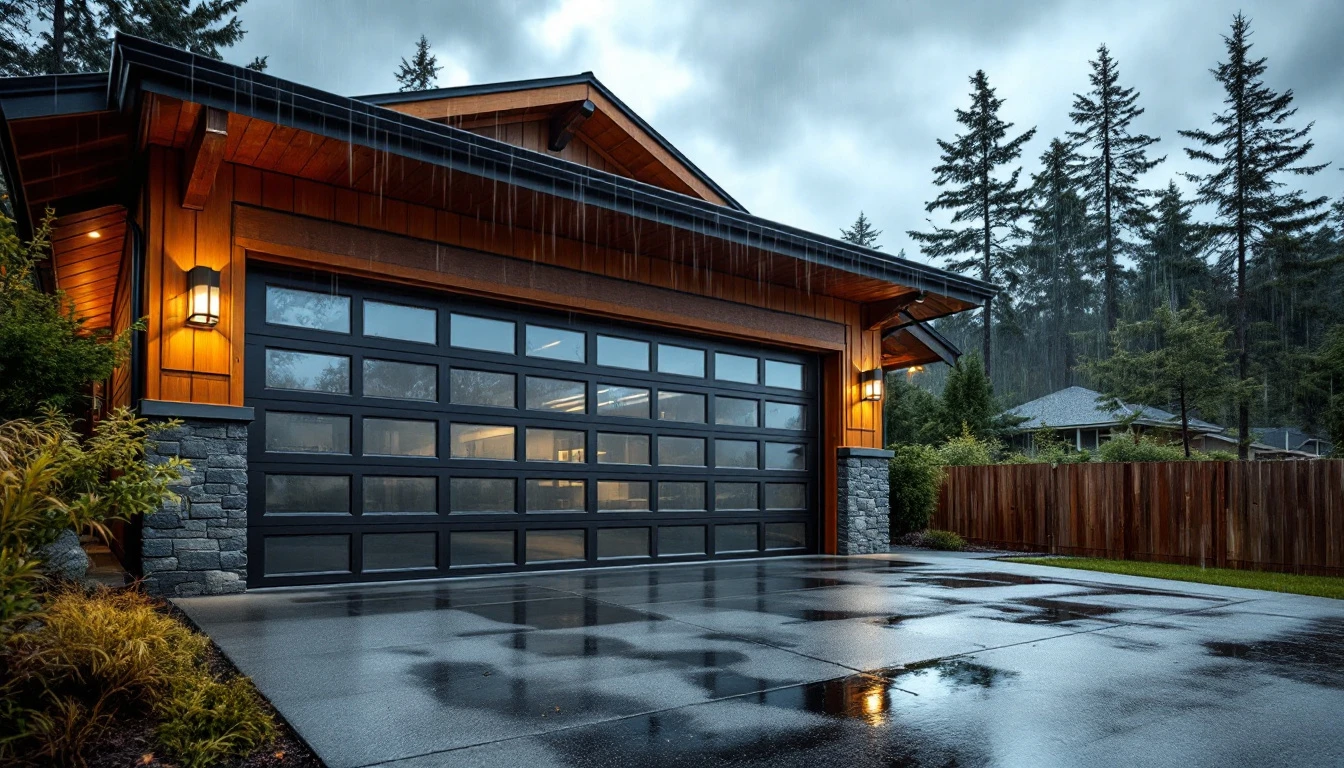
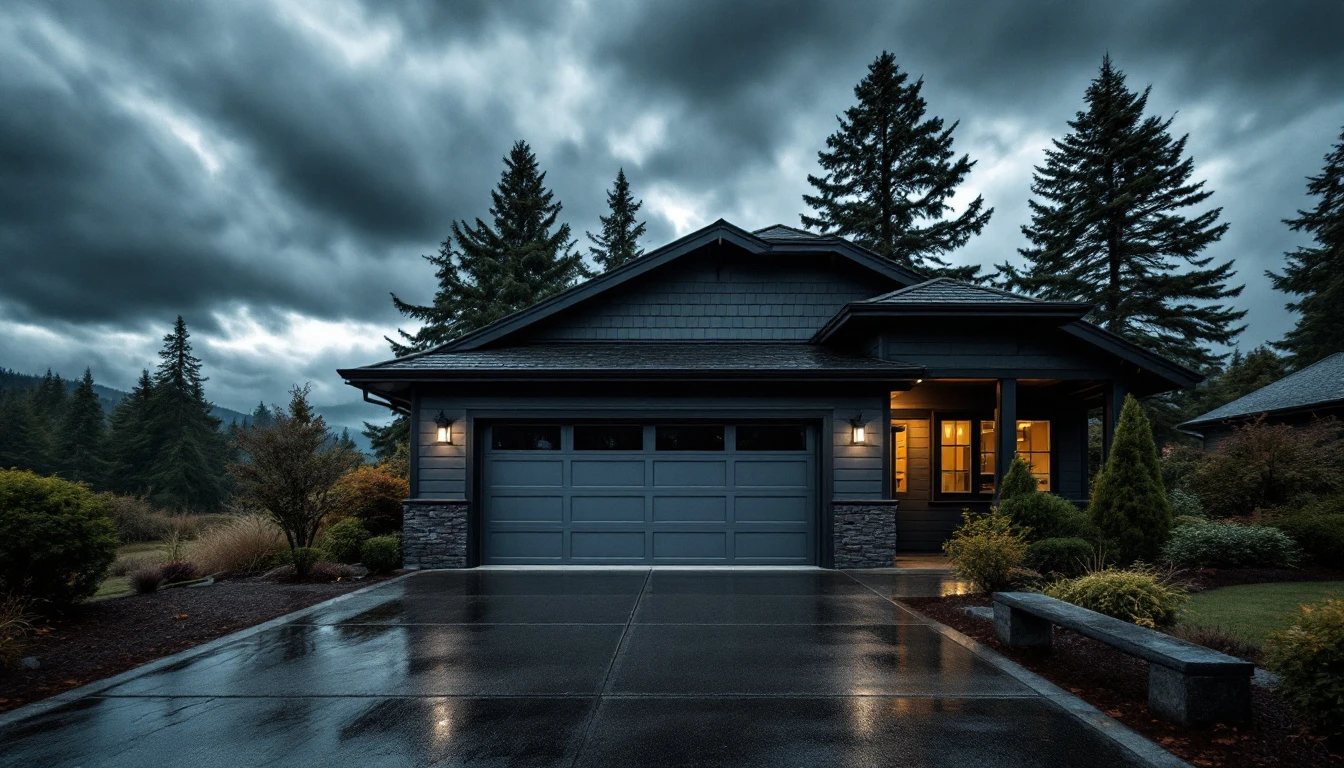
Amboy’s foothills location means heavier snowfall and more persistent ice than lower Clark County areas experience during winter months. The snow load garage door Amboy properties face creates distinct maintenance challenges that differ markedly from conditions in nearby lowland communities.
Amboy foothills elevation amplifies snow
Living in Amboy’s foothills means dealing with heavier snow accumulation than lower Clark County areas experience. The higher elevation creates conditions where snow piles up more quickly and deeply on garage door surfaces, adding weight that can strain springs, cables, and panels.
Cooler temperatures at these elevations also mean snow sticks around longer. While Vancouver or La Center might see snow melt within days, Amboy properties often retain snow cover for weeks, extending the stress period on your garage door components and increasing ice dam formation along door edges and weather seals.
Snow load weight compounds pressure on garage
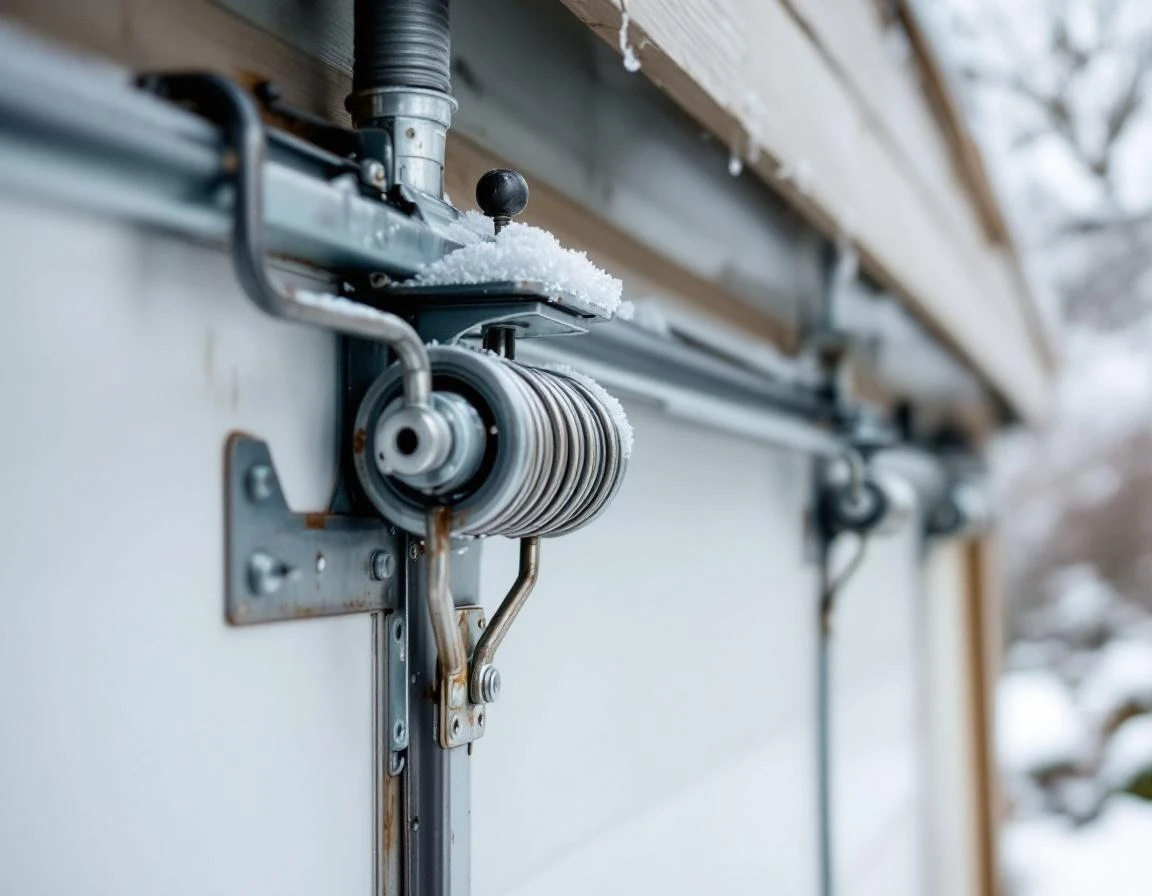
Each inch of accumulated snow adds substantial weight to your garage door panels, springs, and track system. In Amboy’s foothills, where snow persists longer than in lowland Clark County areas, this continuous pressure stresses door components beyond their typical seasonal wear. Heavy snow garage door stress of this magnitude accelerates metal fatigue in springs that weren’t designed for extended winter loads.
Ice dam formation presents another elevation-specific challenge. Freeze-thaw cycles at higher altitudes cause water to freeze along door edges and track channels, then partially melt during warmer daytime hours. This repeated expansion and contraction creates ice buildup that prevents smooth door operation and forces components out of alignment.
Spring Garage Door Assessment Foothills Checklist
After Amboy’s foothills winter finally releases its grip, spending 30 minutes on a post-season inspection can catch problems before they turn into emergency repairs. This checklist requires no tools—just your eyes, hands, and attention to detail.
- Inspect all panels visually. Walk along the door looking for dents, warping, or any bowing in the panels themselves. Snow weight can cause permanent deformation that compromises the door’s structural integrity. Pay special attention to horizontal seams where panels connect, as these areas often show stress first.
- Clear the tracks completely. Spring runoff brings mud, ice remnants, and debris into your garage door tracks. Run your finger along the inside of both tracks from top to bottom, removing any grit or buildup. Even small obstructions can throw off alignment.
- Test the spring balance manually. Disconnect the opener and lift the door halfway, then let go. A properly balanced door should stay in place or drift slightly. If it drops or shoots upward, the springs need professional adjustment.
- Examine all weatherstripping and seals. Look for gaps, cracks, or compressed sections where ice dams formed during winter. These damaged seals allowed moisture infiltration and will do so again next season if not replaced.
When to call a professional: If your door won’t balance, if you see visible damage or rust on the springs, or if panels show serious warping, contact Garage Harmony rather than attempting repairs yourself. Spring systems store dangerous tension that requires specialized tools and training.
Ice Dam Formation and Overhead Door Ice Dam Repair
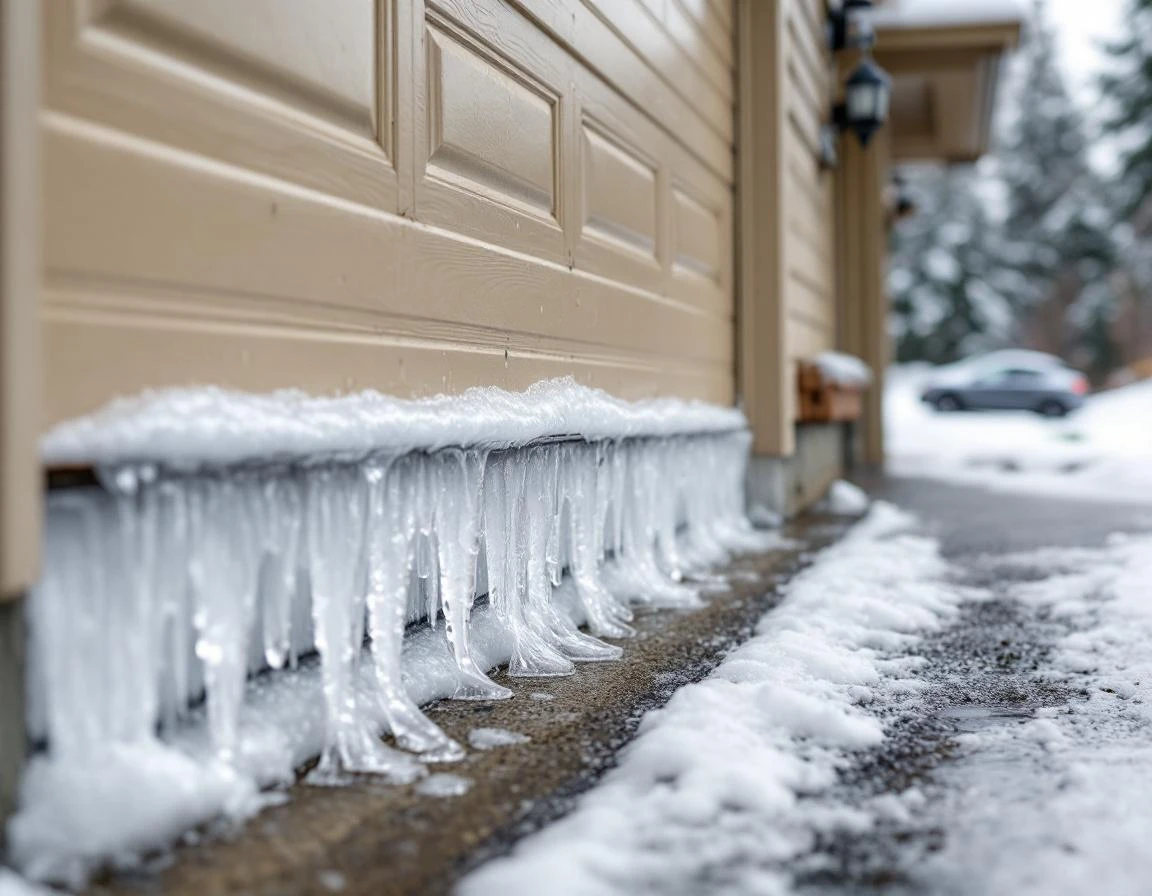
Ice dams form at your garage door through a specific mechanism that’s particularly common in Amboy’s foothills. When warm air escapes from your garage—especially if it’s uninsulated or poorly sealed—it melts snow on the door’s exterior surface. This meltwater runs down the panels throughout the day, then refreezes at the bottom seal when morning temperatures drop. Over time, this creates a ridge of ice buildup at the base that prevents the door from sealing properly.
How do you identify ice dam damage? Look for visible ice ridges along the bottom seal where the door meets the floor. You might also notice white frost patterns on the lower panels, which indicate where meltwater has frozen. Inside your garage, check for water stain marks near the door frame—these brown or gray spots show where water has seeped through the compromised seal.
Ice dams create two immediate problems. First, they prevent your door from closing fully, allowing cold air to infiltrate your garage and increase heating costs. Second, repeated freeze-thaw cycles damage rubber seals and can actually warp the door frame itself. This is why the three preventive measures we’ll cover next matter so much—catching ice dam formation now lets you address the root causes before next winter.
Three Preventive Measures for Winter 2026–2027
After identifying winter damage during your spring inspection, it’s time to prepare for next season. These three measures address the specific stress points that elevation creates in Amboy’s foothills, where snow loads and ice accumulation exceed what lowland areas experience. Winter garage door maintenance tips specific to your region can prevent the costly repairs that heavy snow garage door stress creates.
- Insulation Upgrades: Warm garage air escaping through uninsulated doors creates the temperature differential that forms ice dams. Installing R-value insulated panels or adding thermal barriers to existing doors prevents this heat loss. For Amboy homeowners, insulation serves a dual purpose—it reduces the freeze-thaw cycles that damage door components while cutting heating costs if you maintain a heated workspace. Professional installation typically costs $300–$600 for a standard two-car door and takes 2–4 hours. You’ll find detailed guidance in our garage door insulation guide.
- Drainage Correction: Snowmelt pooling at your door base accelerates rust, warps bottom panels, and damages weatherstripping. The ground should slope away from your garage to direct water away from the foundation. Check gutters above the door—clogged downspouts concentrate water exactly where you don’t want it. Regrading prevents the kind of water damage that leads to panel replacement and is best completed when the ground is dry and accessible. Plan this work for late summer when conditions are best.
- Structural Reinforcement: Standard garage door springs aren’t designed for the repeated heavy snow loads that foothills properties experience. Upgrading to heavy-duty torsion springs rated for increased cycle counts costs $150–$300 and provides the margin you need when 8–12 inches of wet snow sits on your door. For older doors, adding horizontal struts across panels distributes weight and prevents the center-bowing that creates track misalignment. Review our maintenance recommendations for spring inspection intervals after reinforcement.
Professional Assessment and Next Steps
Your spring checklist gives you a clear picture of what winter did to your garage door. But if you spotted warped panels, spring imbalance during the lift test, or ice dam damage along the weatherstripping, it’s time to call in professional help. Hidden structural stress in the spring and frame assembly isn’t always visible to homeowners—especially when foothills snow loads push components beyond their design limits.
May is the perfect time to schedule a professional inspection. You’re not dealing with an emergency, and you’re acting before contractors get swamped with fall weather-prep work. Getting quotes now for preventive upgrades means you avoid peak season pricing when everyone’s scrambling to winterize.
If your checklist identified concerns, contact Garage Harmony today for a professional assessment. Our team can evaluate hidden damage and recommend the right upgrades to handle Amboy’s foothills conditions and the snow load garage door stress your property faces.