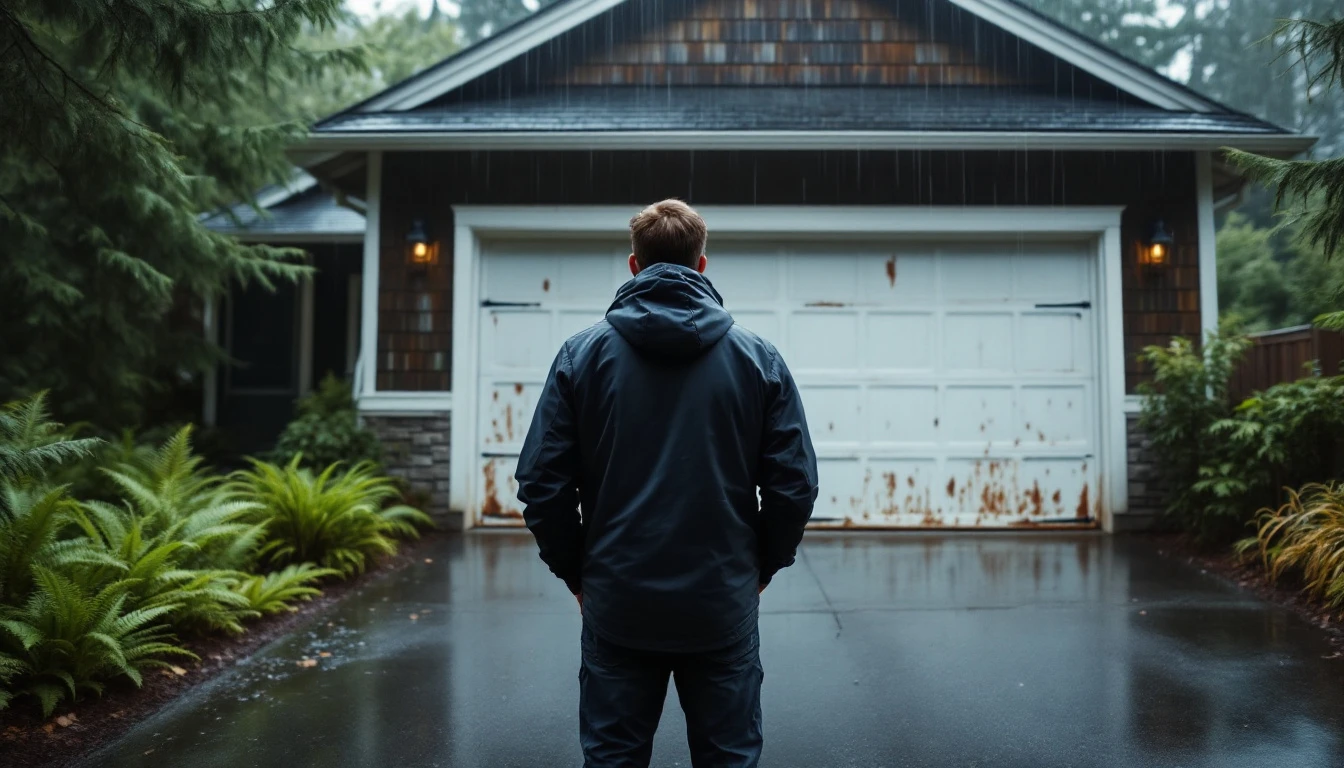
Central Oregon Freeze-Thaw Cycle Impact on Garage Door Springs
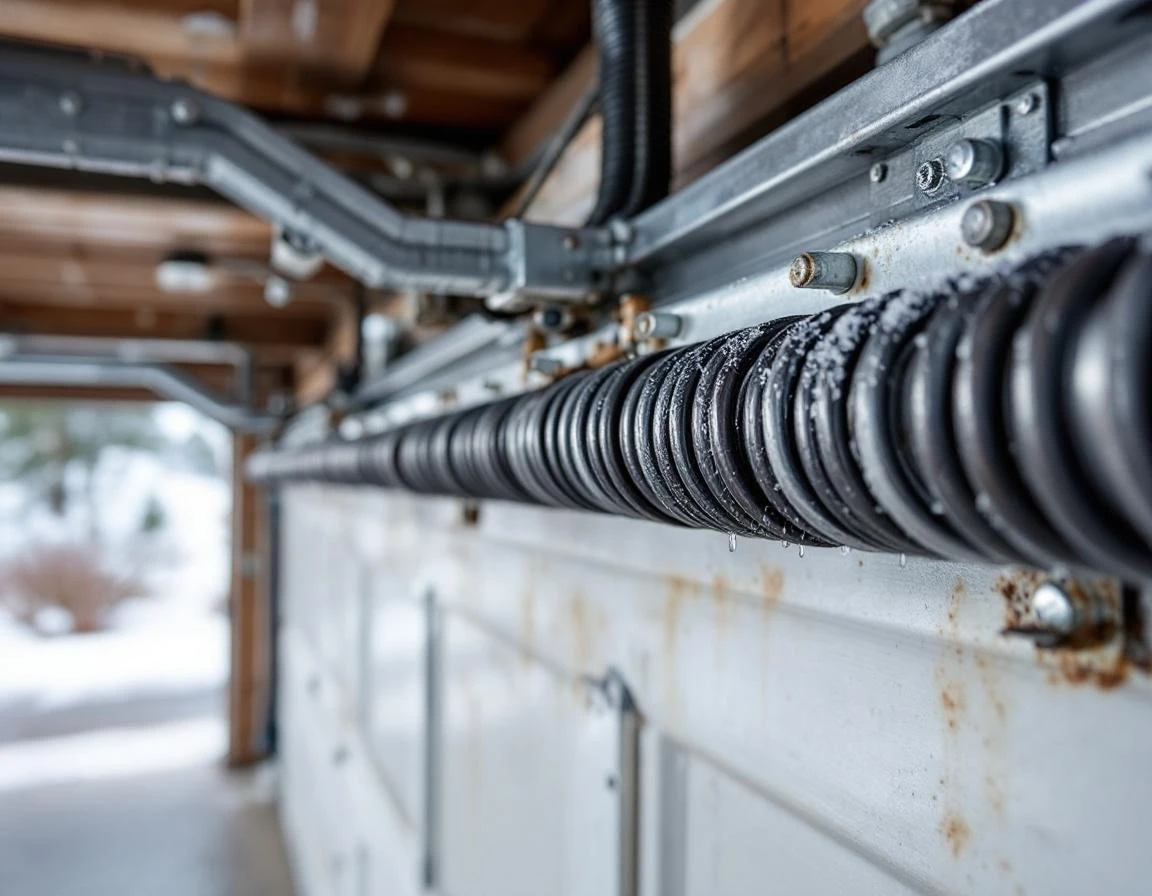
What happens when your garage door spring experiences a temperature swing from 15°F at dawn to 40°F by mid-afternoon? This daily cycle—repeated dozens of times between November and March in Redmond—creates extreme stress on the metal coils that most homeowners never consider. As temperatures drop, the steel contracts and tightens. When morning sun warms the garage, the metal expands again. This constant expansion and contraction weakens the molecular structure of the spring faster than normal wear from daily door operation.
Understanding this pattern is the first step toward planning a timely Redmond garage door spring replacement before freeze-thaw damage becomes catastrophic.
Central Oregon’s high-desert climate creates a perfect storm for spring damage. Unlike the stable temperatures in Portland or Eugene, our region experiences wild daily temperature fluctuations throughout winter. Each freeze-thaw cycle introduces microscopic stress fractures in the spring coils. Over months of this pattern, the metal loses its ability to maintain proper tension. Springs that might last 10,000 cycles in milder climates often fail earlier here simply because the temperature stress compounds normal operational wear.
This damage pattern affects homes equally across Redmond—from older properties downtown to newer subdivisions in southeast Redmond. The physics doesn’t discriminate by construction era. Whether your home was built in 1965 or 2015, the same freeze-thaw forces are working against your garage door springs right now. Understanding this regional climate reality helps explain why proactive spring inspection before winter becomes so important for Central Oregon homeowners.
Spring Wear Warning Signs
Your garage door speaks before it breaks. Between November and April in Redmond, when freeze-thaw cycles work overtime on metal components, learning to recognize spring distress signals can save you from a catastrophic failure on a cold morning.
- Listen for unusual sounds during operation. Creaking, popping, or grinding noises reveal internal spring stress as metal coils bind and release under tension. These sounds intensify as temperature drops because cold makes metal less flexible. What starts as occasional squeaking often progresses to loud pops within weeks—your spring announcing it’s near failure.
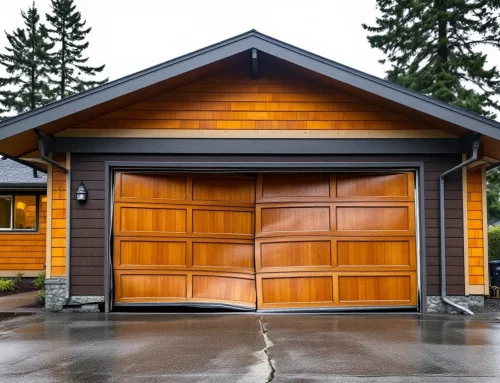
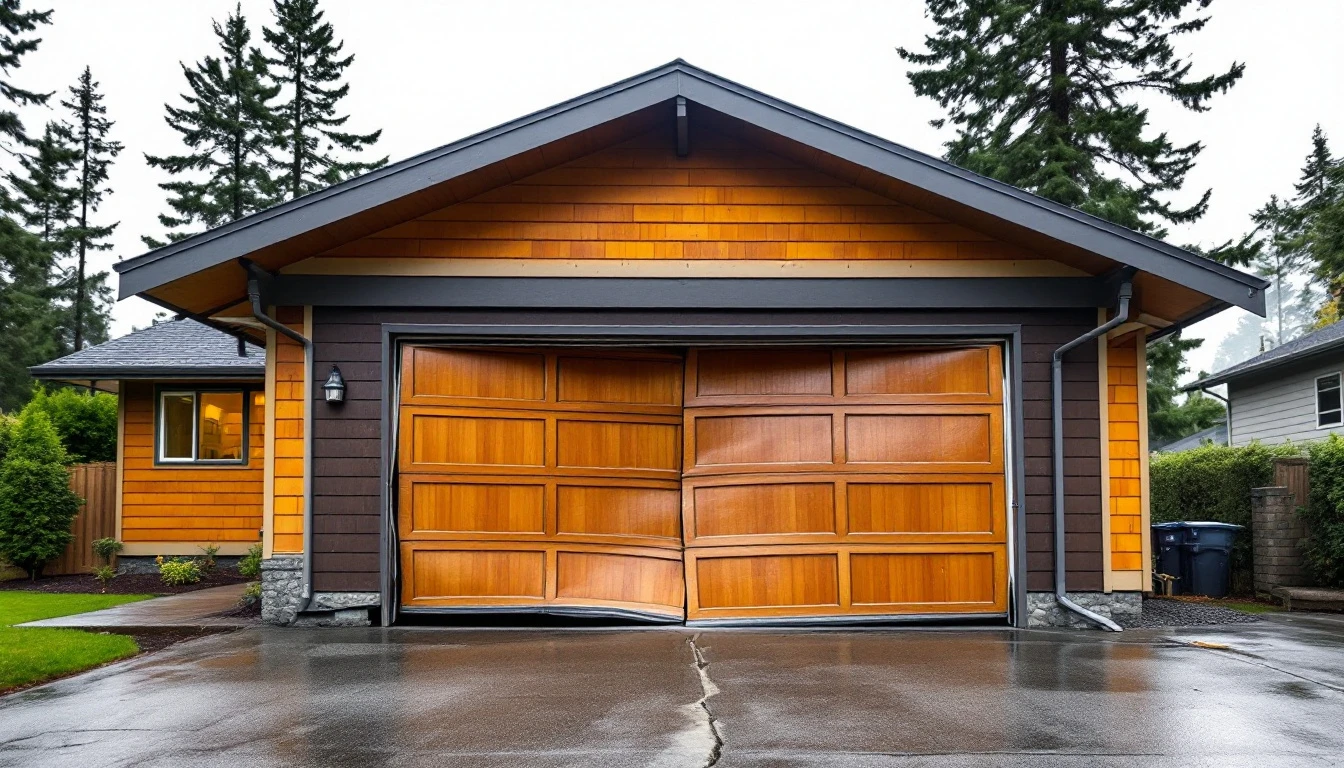
- Watch for visual imbalances. Does one side of your door sag lower than the other when closing? Uneven door edges and lopsided positioning signal declining spring tension on one side. This imbalance forces the working spring to carry extra load, accelerating its failure too.
- Notice changes in operation difficulty. A door that suddenly feels heavier to lift manually or moves in jerky, stuttering motions during powered operation shows spring fatigue in progress. The door opener works harder to compensate, but the underlying problem worsens daily.
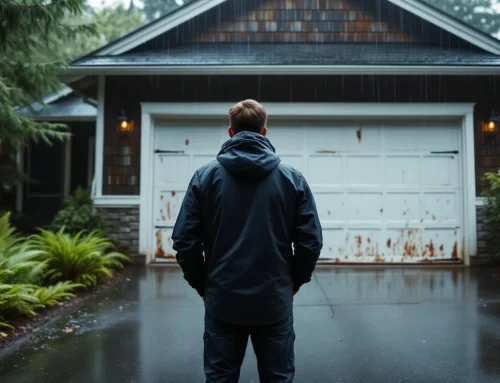
- Inspect spring surfaces regularly. Visible rust, surface pitting, or color changes on spring coils aren’t just cosmetic issues in Central Oregon’s moisture-prone winter climate. These surface defects create weak points where breaks typically start. A rusty spring is a failing spring—schedule replacement before it snaps.
Catching even one of these warning signs gives you control over timing and cost instead of facing an emergency repair when the door won’t budge.
Seasonal Inspection Checklist
Between November and March, Redmond homeowners should perform a simple visual inspection every four to six weeks to catch spring deterioration before catastrophic failure occurs. You don’t need special tools—just a flashlight and a few minutes to check for rust, gaps in spring coils, or visible wear patterns on the torsion spring mounted above your door. This routine becomes especially important for detecting garage door spring wear Redmond winter conditions accelerate.
Safety first: never touch or adjust springs yourself. As they remain under extreme tension even when the door is closed. Instead, unplug your garage door opener and manually raise the door halfway. A properly balanced door should stay in place without drifting up or down. If it drops or rises on its own, the springs have weakened and need professional attention.
Listen carefully during this manual test for grinding, squeaking, or popping sounds that indicate metal fatigue. Document what you observe each month—noting new rust spots or increasing noise levels helps you track deterioration throughout the freeze-thaw season. If you notice accelerating changes between inspections or the door becomes difficult to lift manually, stop using it and contact Garage Harmony immediately rather than risking sudden spring failure.
Repair vs Replacement Decision
When you discover spring wear during your winter inspection, deciding whether to wait for scheduled replacement or act immediately depends on what you find. If a single spring shows minor wear but your door still operates normally, you can monitor it closely and plan Redmond garage door spring replacement within 30-60 days during slower business periods when costs run lower.
However, visible rust, pitting, or multiple warning signs mean replacement is safer than temporary repair. Central Oregon’s freeze-thaw cycles continue stressing compromised springs throughout winter, making partial fixes unreliable. If one spring has already failed, both springs must be replaced together—never just the broken one. Springs wear at similar rates, so the remaining spring is equally close to failure and will likely break within weeks.
The cost-benefit analysis favors proactive scheduling. “…Emergency replacement in Redmond costs more when you need same-day service during a breakdown, whereas planned replacement during normal business hours allows for better pricing.
Beyond immediate savings, planned replacement prevents the inconvenience of a stuck door blocking your vehicle when you’re rushing to work or dealing with heavy snow.
Proactive Replacement Timeline for Central Oregon Freeze-Thaw Garage Door Springs
For Redmond homeowners ready to take control of garage door maintenance, timing replacement strategically prevents emergency failures during high-usage months. The ideal timeline begins in October with a pre-season inspection before freeze-thaw cycles start affecting spring performance. This early assessment gives you a baseline understanding of spring condition heading into winter’s harsh temperature swings.
Throughout November through March, monitor your springs using the monthly inspection protocol covered earlier. If your springs show pronounced wear by January or February—visible gaps in coils, surface rust spreading beyond isolated spots, or increasing difficulty during balance tests—schedule replacement before warm weather arrives. Why the urgency? May through August brings peak garage door usage as families access outdoor equipment, RVs, and recreational gear stored through winter.
April 2026 represents the perfect replacement window for Redmond homeowners. Your springs have survived the worst of freeze-thaw season, revealing their true condition. Temperatures stabilize enough for comfortable installation work. Most importantly, you complete replacement before summer utility demands strain already-weakened springs. Booking replacement now means avoiding emergency service calls when your family needs reliable garage access most.
Homeowners in older downtown Redmond neighborhoods should prioritize earlier scheduling. Homes built in the 1950s through 1970s often feature original or decades-old spring systems that wear faster under freeze-thaw stress. For these properties, targeting March completion provides extra protection before seasonal temperature shifts accelerate existing wear patterns.
Professional Spring Replacement Service
Garage door springs store immense tension—enough force to lift a 200-pound door—making DIY replacement genuinely dangerous for homeowners without specialized tools and training. A spring under tension can snap with enough force to cause serious injury or property damage. Professional replacement protects you from these hazards while preventing the complications that come with broken garage door spring Central Oregon emergencies.
Central Oregon specialists bring critical regional knowledge to spring replacement. Our team understands how freeze-thaw damage presents differently than standard wear—we check for hairline stress fractures, uneven coil spacing, and metal fatigue patterns that general technicians might overlook. This expertise matters because hidden damage from temperature cycling can compromise newly installed springs if secondary issues go unaddressed.
Quality replacement springs rated for high-desert temperature extremes withstand the -5°F to 95°F range Redmond experiences annually. Professional installation includes warranty protection covering both parts and labor. Giving you peace of mind that emergency service costs simply cannot match. Schedule a consultation with Garage Harmony before spring usage peaks in late April—we’ll assess your current springs, explain our findings in plain language, and recommend the replacement timeline that fits your situation.