1950s–1970s Garages and Freeze-Thaw
North Clark County’s older garages face unique spring challenges from freeze-thaw cycles that stress 1950s–1970s construction materials and accelerate component wear. For homeowners in Woodland considering garage door spring replacement Woodland services, understanding how freeze-thaw damage affects older systems helps you plan repairs before springs fail completely.
Older detached and workshop garage construction
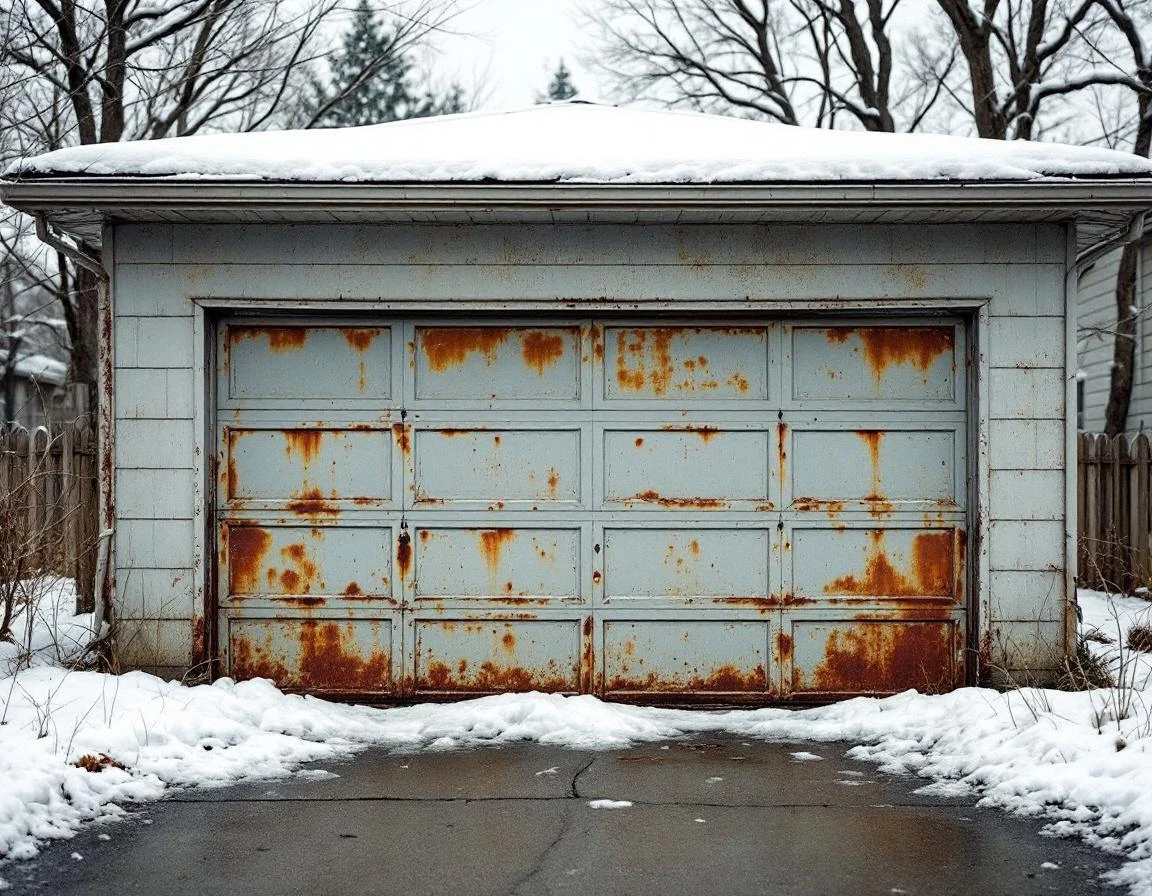
Most detached and workshop garages built in Woodland and Amboy between the 1950s and 1970s used uninsulated steel doors and single-layer frames with no thermal barriers. These construction methods left spring coils exposed to temperature swings that alternate between freezing nights and warmer days throughout North Clark County’s winter months.
When metal coils contract in freezing temperatures and then expand during thaw cycles, the repeated stress causes microscopic cracks that accumulate with each cycle. Over time, these cracks weaken the steel until springs snap without warning. Often during the coldest mornings when you need garage access most.
Spring failure occurs more rapidly in older garages.
Research shows spring failure occurs more rapidly in older garages compared to modern homes, creating a pressing concern for North Clark County homeowners with vintage properties. The combination of harsh winters and dated garage design creates ideal conditions for premature wear.
In Woodland and Amboy, where many homes date to the 1950s–1970s era, springs face both temperature extremes and structural limitations. Without modern thermal breaks or insulated doors, metal coils endure direct exposure to freeze-thaw cycles that repeat throughout winter months.
This accelerated timeline means detached garage spring replacement Woodland homeowners should expect sooner than national averages. Springs may need replacement every 4–6 years rather than the 7–10 year lifespan typical in newer construction.
Three Spring Failure Warning Signs
Learning to spot spring failure before complete breakdown saves you from emergency repair costs and potential safety hazards. Older garages in Woodland and La Center often show garage door spring failure signs weeks or even months before springs actually snap, giving you time to schedule replacement on your terms rather than during a winter emergency.
- Visible cracks or separation in coil springs appear as dark lines or gaps between the tightly wound coils. These fractures develop when freeze-thaw cycles cause metal fatigue in springs that lack protective coatings. Check the springs above your door when it’s closed—any visible separation means the spring could fail within days.
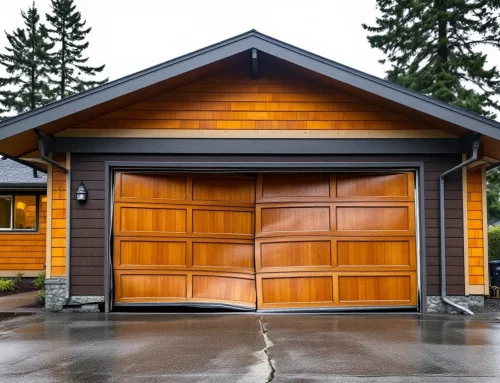
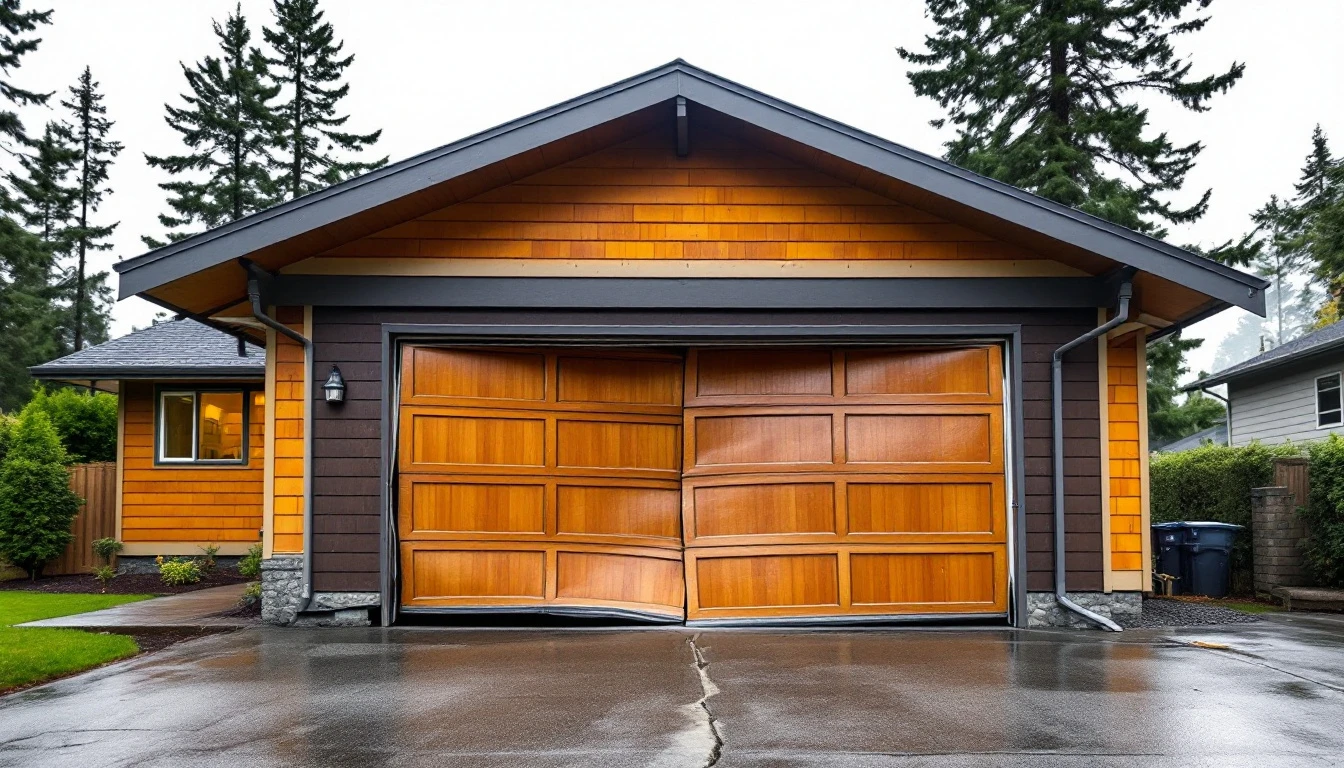
- Uneven door movement or sagging on one side indicates one spring has weakened while the other maintains tension. Your door may hang crooked when partially open or tilt noticeably during operation. This imbalance forces the remaining spring and opener to work harder, accelerating wear on your entire system.
- High-pitched squealing or creaking during operation signals metal stress as spring coils grind against each other under failing tension. This noise differs from normal operation sounds and typically grows louder over several weeks. In workshop garages with heavy doors, these sounds often precede complete failure by just two to three weeks.
Ignoring these warnings leads to broken springs that leave your door stuck mid-cycle, require emergency service calls during inconvenient hours, and create safety risks if the door falls unexpectedly. Early detection lets you schedule replacement before springs fail completely.
Why North Clark County Springs Fail Faster
The science behind spring failure in Woodland and surrounding communities comes down to one relentless pattern: freeze-thaw cycles. When temperatures swing above and below freezing—sometimes multiple times in a single week during North Clark County winters—garage door springs expand and contract repeatedly. Each cycle creates microscopic stress in the metal coils, and over months of winter weather, this stress compounds into fatigue cracks.
What makes this region particularly hard on springs? North Clark County experiences more temperature swings than stable-winter climates or consistently cold regions. While a garage in Minnesota might stay frozen for months (one long cycle), or a California garage never freezes at all, Woodland-area garages endure dozens of freeze-thaw events each winter. Every swing from 28°F overnight to 42°F by afternoon puts stress on the coil structure.
The problem intensifies in garages built during the 1950s through 1970s. These older structures lack weatherproofing around door frames and walls, so moisture and cold air penetrate directly to the spring mechanism. Water seeps into the coil windings, freezes overnight, expands the metal slightly, then melts and allows corrosion to begin.
Understanding why garage door springs wear out faster in this climate helps explain why thermal stress and moisture intrusion create conditions where springs need replacement more frequently than in milder regions.
This isn’t a maintenance failure on your part—it’s a geography and construction-era issue that affects nearly every detached garage and workshop from that building period in this climate zone.
Garage Door Spring Replacement Timeline for Woodland Homes
If your Woodland garage was built between the 1950s and 1970s, expect spring replacement around the 7–10 year mark. This timeline assumes typical residential use—opening the door twice daily for vehicle access. However, if you’ve converted your detached garage into a workshop space with frequent daily door cycles, that timeline compresses to 5–7 years.
Why does this matter? Knowing your garage door spring replacement Woodland timeline lets you budget proactively rather than scrambling for emergency repairs when springs snap unexpectedly. A planned spring replacement typically costs 30–40% less than an emergency callout. And you avoid the safety hazards of a door that fails while opening or closing.
For Woodland homeowners with older garages, this accelerated timeline means acting sooner than national replacement averages suggest. The combination of freeze-thaw cycles and uninsulated construction creates conditions that shorten spring lifespan compared to modern garages in milder climates. Garage door springs are rated by cycles, not years. And usage patterns affect when replacement becomes necessary. Track your garage’s age and usage patterns to stay ahead of failure.
DIY Inspection vs. Professional Assessment
Homeowners can safely perform visual inspections for the three warning signs covered earlier: cracks in spring coils, uneven door movement, and high-pitched squealing sounds. Walk around your garage, look closely at the springs above the door, and test the door’s balance by lifting it manually halfway—it should stay in place without drifting up or down.
However, spring replacement itself must always be handled by professionals. Garage door springs store extreme tension—enough force to cause severe injury or death if they snap during installation. Professional technicians use specialized tools and follow safety protocols that protect both themselves and your property.
Attempting DIY spring replacement puts you at serious risk. A professional inspection costs $50–$100 and serves as low-cost insurance against emergency garage door spring repair calls that can run $400–$600 or more. For Woodland and North Clark County homeowners with garages built during the 1950s–1970s, this inspection becomes even more valuable around the seven-year mark, when freeze-thaw damage begins accelerating spring failure.
If your garage is seven years or older and dates from that construction era, schedule an inspection with Garage Harmony today. Garage door spring failures are rising across North America due to aging systems and increased usage, making proactive inspection even more critical. Catching wear early prevents dangerous spring failures and saves you from costly emergency service calls during winter months.
Next Steps: Protect Your Older Garage
If your garage was built between the 1950s and 1970s and shows any of the warning signs we’ve covered, the best step you can take is scheduling a professional spring inspection this spring. Waiting until springs break creates dangerous emergency situations and often forces rushed, expensive repairs when you can least afford them.
For older detached and workshop garages in Woodland, La Center, and the surrounding North Clark County area, treating spring replacement as regular maintenance—not an emergency response—protects both your property and your budget. Document your garage’s construction era and watch for garage door spring breaks caused by freeze-thaw damage: cracked coils, uneven movement, and metal squealing.
Contact Garage Harmony for a free assessment of your garage door springs. Our team understands the specific challenges older garage door springs North Clark County face from freeze-thaw cycles, and we’ll help you plan proactive replacement before springs fail.