How Ice Damages Seals and Panels: Ice Damage Garage Door Central Oregon
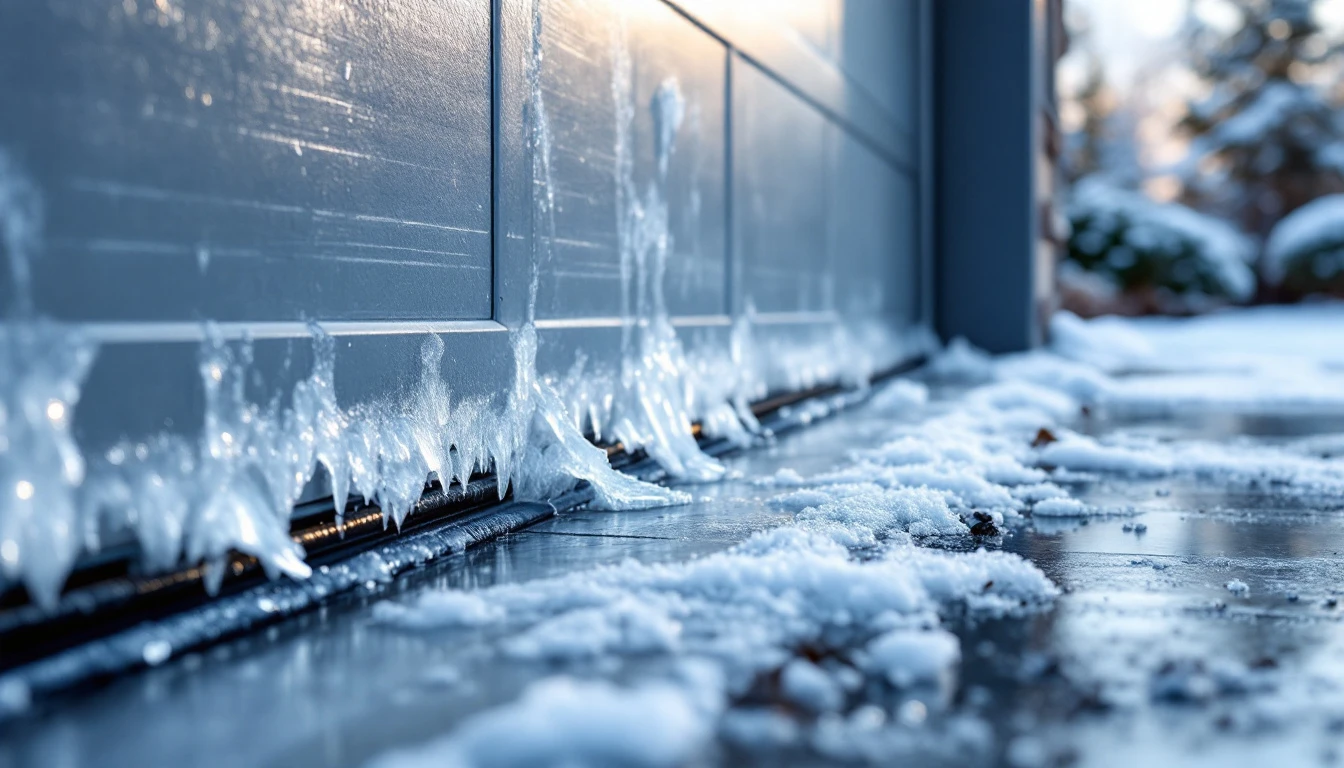
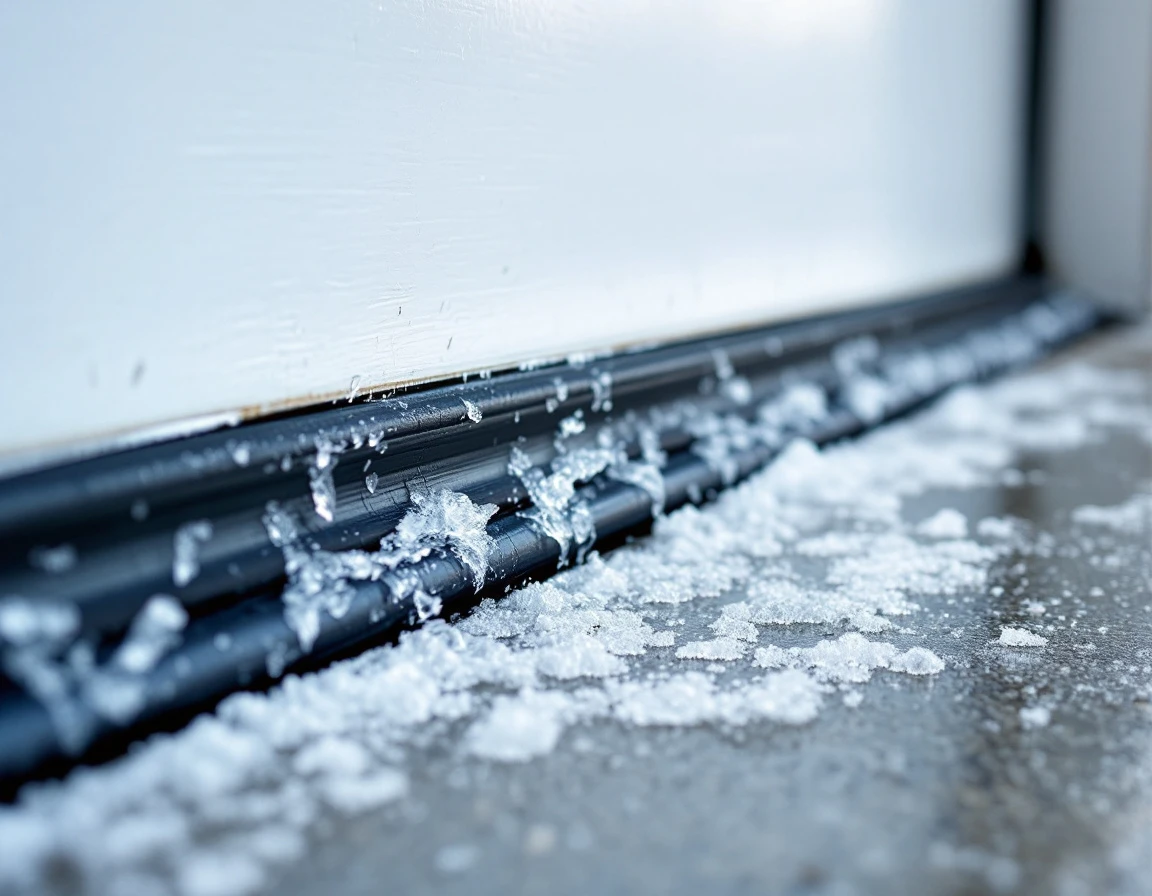
When water collects at the base of your garage door and freezes overnight, it doesn’t just sit there harmlessly. Ice expands as it forms, and that expansion creates intense pressure against your door’s panels and seals. Ice damage garage door Central Oregon occurs repeatedly during winter, as the region experiences temperatures that regularly swing between 30°F during the day and 0°F at night. This freeze-thaw cycle happens repeatedly throughout the season, making ice damage garage door Central Oregon a critical concern for homeowners.
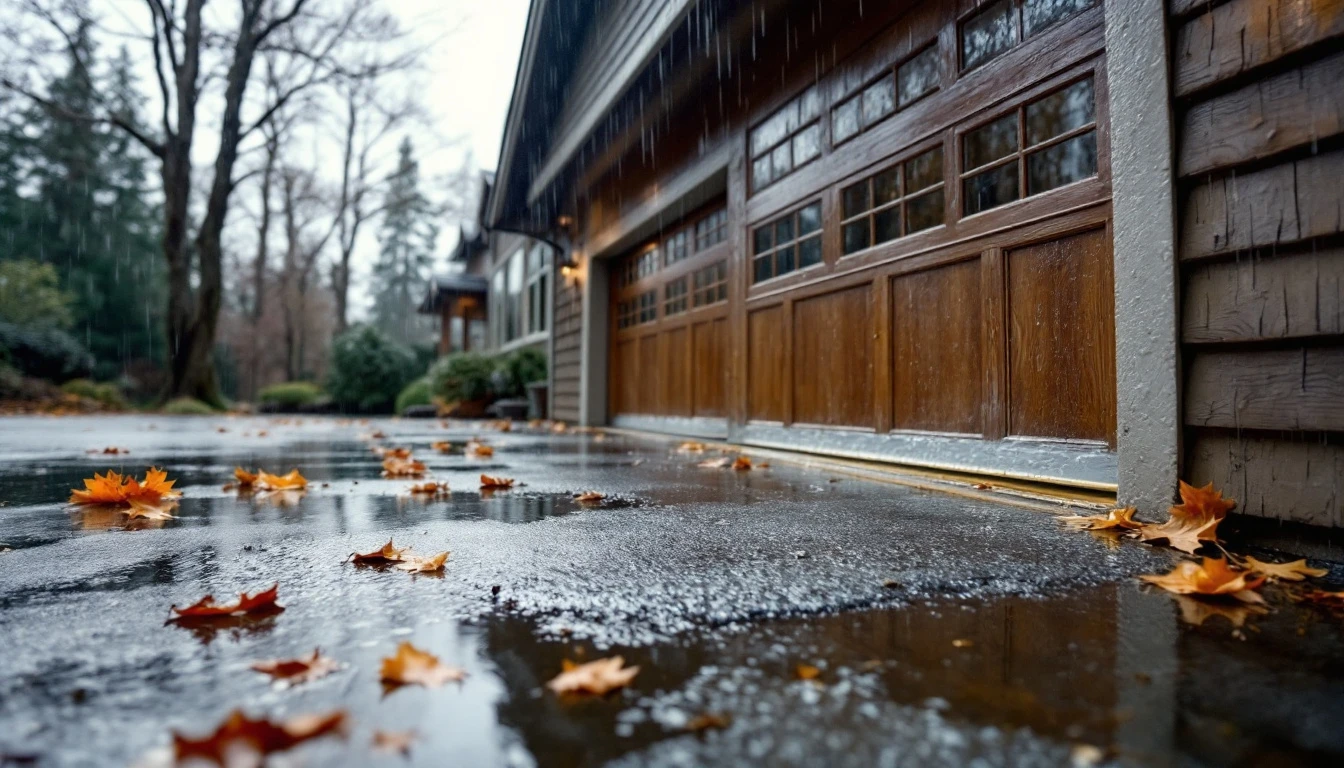
What does this mean for your garage door? Ice buildup forces panels inward. Cracking fiberglass and bending metal over multiple cycles. A wet garage floor from melting snow on your vehicle, morning condensation from a heated garage meeting cold outdoor air, or even humidity from Central Oregon’s occasional winter storms all create moisture that settles at the door’s base. When temperatures drop after sunset, that moisture freezes and pushes against vulnerable components.
Your weather seals face an even bigger threat from ice buildup garage door seals. Frozen seals lose their natural elasticity and begin to separate from the door frame. Once this happens, water and cold air slip into your garage, creating more moisture that refreezes and causes additional damage. The problem compounds quickly.
Early-season damage in November and December sets the stage for bigger issues. If left unaddressed, minor cracks and seal separation worsen through each winter month, often resulting in expensive spring repairs that could have been prevented with timely action.
Early Warning Signs of Ice Buildup
Catching ice damage early can save you hundreds or even thousands of dollars in repairs come spring. The signs appear gradually through November and December, long before the damage becomes obvious. By knowing what to look for during a quick walk around your garage, you can act before minor buildup turns into warped panels or cracked seals.
Watch for these three telltale indicators on your next inspection:
- Notice if your door sticks or binds when opening. Particularly after cold nights. This happens when ice forms at the tracks or base, preventing smooth movement.
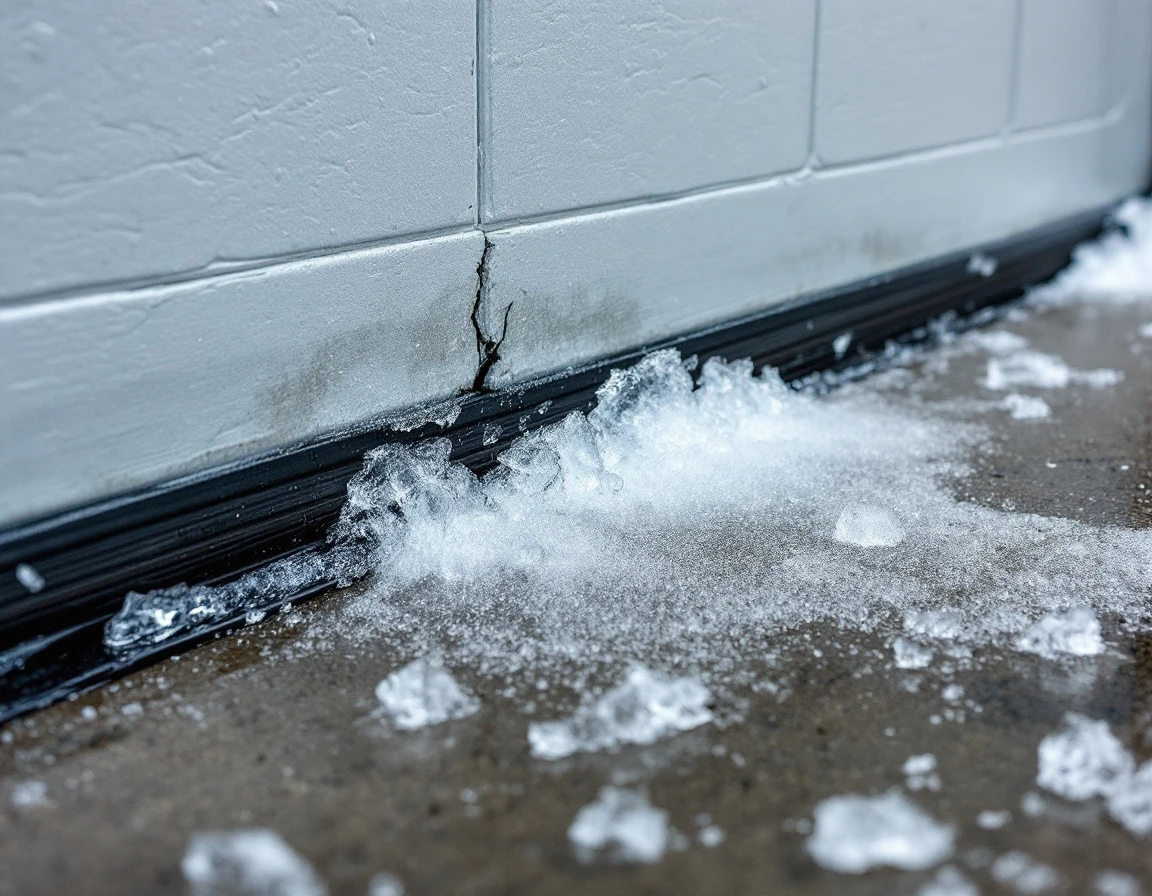
- Check for visible frost or white crusty buildup along the bottom seal and on the concrete immediately surrounding the door. This buildup signals repeated freeze-thaw cycles that stress your weatherstripping.
- Monitor whether gaps between the bottom panel and floor frame widen over several weeks. This gradual separation indicates panel warping from ice expansion. You might also notice water pooling or seeping into your garage on mild days following overnight freezes—a clear sign that ice has compromised your seal’s integrity.
Taking action now, when you spot these early warnings, prevents the need for costly panel replacement or seal overhauls come spring.
Three November–December Prevention Tasks
Before sustained freezing weather settles into Central Oregon—typically mid-to-late December—you have a narrow window to protect your garage door from ice damage and seal damage from ice that we’ve discussed. These three tasks target the specific vulnerabilities created by temperature swings and moisture accumulation, and completing them now saves you from costly spring repairs.
Task 1: Clear Gutters and Extend Downspouts
Water pooling at your garage door base is the primary culprit behind ice expansion damage. Clear your gutters of fall debris and attach downspout extensions that direct water 4–6 feet away from your garage foundation. This prevents the freeze-thaw cycle from starting at the door threshold where seals meet concrete.
Materials needed: Gutter scoop, ladder stabilizer, flexible downspout extensions ($50–$80 total). Time required: 2–3 hours. DIY or pro? DIY-friendly for single-story garages; call a professional for two-story homes or if your roof pitch exceeds 6/12.
Task 2: Inspect and Replace Weather Seals
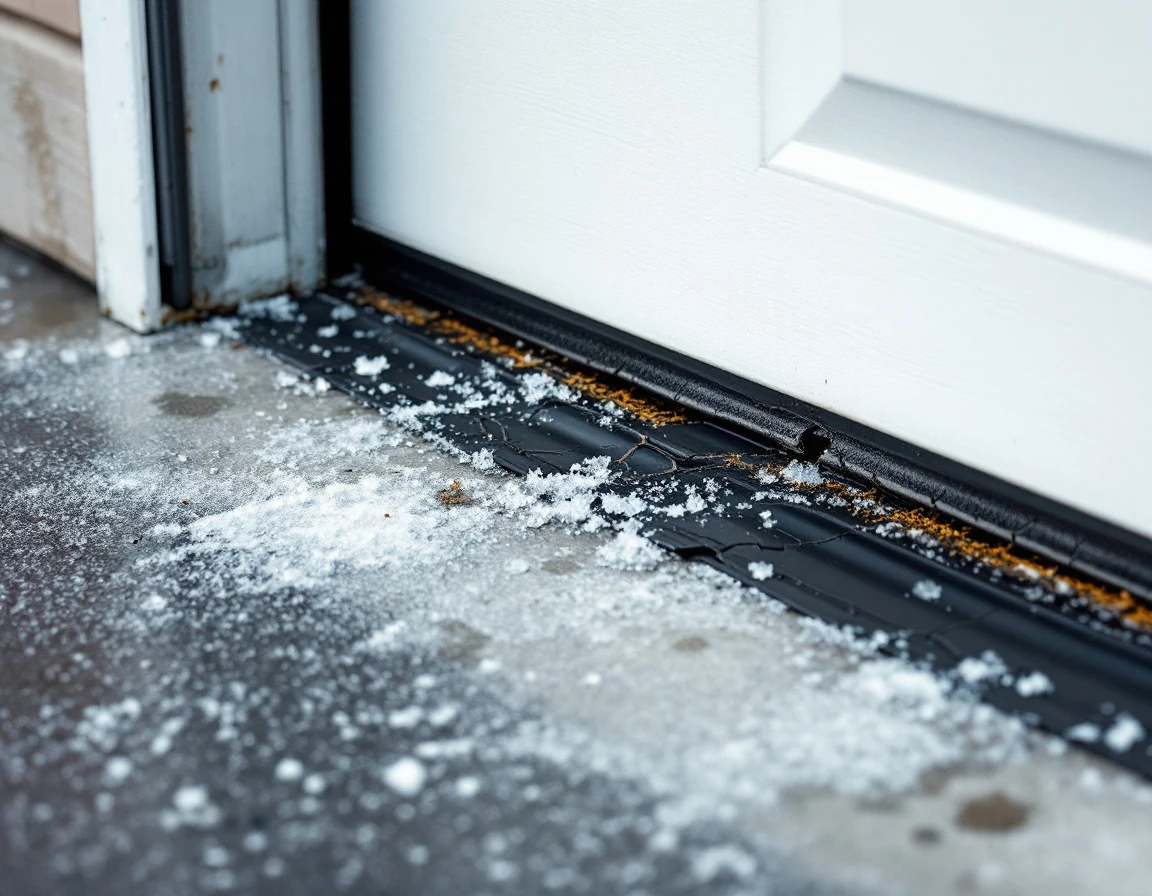
Cracked or peeling weather seals allow moisture infiltration that freezes overnight and expands, warping panels from the inside out. Examining your door for garage door seal damage from ice begins with checking the bottom seal and vertical track seals for any gaps, brittleness, or separation. Replace compromised seals with silicone-based weatherstripping rated for Central Oregon’s temperature range—products that remain flexible down to -40°F work best here.
Materials needed: Replacement weatherstripping, utility knife, cleaning solvent ($60–$120 total). Time required: 2 hours. DIY or pro? Most homeowners can handle bottom seal replacement; call Garage Harmony if you’re replacing track seals or if the door requires removal.
Task 3: Test Cold-Weather Door Operation
A garage door that binds when temperatures drop below 20°F often indicates lubrication issues or track misalignment that worsens with ice formation. Testing your door’s operation on a cold morning reveals frozen garage door repair needs before they escalate. Install a battery backup for your opener so you’re never locked out during winter power outages.
Materials needed: Lithium-based lubricant, battery backup unit ($80–$200 total). Time required: 1.5 hours. DIY or pro? DIY for lubrication and backup installation; if the door sticks or grinds, contact our team for a track alignment check before the first hard freeze.
Task 1: Drainage and Gutter Clearing
Water pooling at your garage door base is the primary driver of ice formation. Even one or two inches of standing water freezes and expands upward into the panel, cracking seals and warping metal. That’s why drainage is your first line of defense against winter ice damage garage door panels.
Start by inspecting gutters above and around your garage in early November. Clear out debris—leaves, pine needles, and dirt—then test water flow by running a hose through each downspout. Next, extend downspouts at least four to six feet away from your foundation so runoff doesn’t pool near the door. Finally, check your concrete grade: water should slope away from the door at least six inches per ten feet.
DIY gutter cleaning costs between zero and fifty dollars if you already own a ladder and gloves. Professional clearing typically runs seventy-five to one hundred fifty dollars. The math is simple: two hours of work in early November prevents water from freezing into a much bigger—and more expensive—problem by late November.
Task 2: Weather Seal Inspection and Replacement
Weather seals degrade over 3–5 years in Central Oregon’s freeze-thaw cycles, and November is the time to inspect them before ice forms. Run your finger along the entire bottom seal and side seals, checking for cracks, peeling, or unusual hardness. A healthy seal should flex easily when you press it—if it feels rigid or brittle, it’s already lost its protective capacity against how to prevent ice buildup garage door damage.
Pay special attention to gaps wider than 1/8 inch at frame corners, where cold air and moisture sneak in. These small openings allow condensation to form and freeze, which warps the door frame over time. Replacing a $120 seal now prevents a $1,200 emergency seal replacement in spring when ice damage has bent the frame itself.
For replacement, choose silicone-based weatherstripping over vinyl. Silicone stays elastic in cold climates and resists the freeze-induced brittleness that causes vinyl to crack. Replacement materials are budget-friendly and include silicone weatherstripping, adhesive-backed mounting tape, and rubbing alcohol or garage door cleaner for surface prep. Most homeowners complete the job in an afternoon. Professional replacement is available but offers faster installation and guaranteed fit—worth considering if your door has custom dimensions.
Task 3: Battery Backup and Cold-Weather Testing
When mechanical failure strikes during an ice event, your garage door can’t close properly—and that open gap invites water and ice to accumulate inside the frame, compounding panel and seal damage. Testing your door’s operation when temperatures drop below 20°F reveals potential problems before they escalate and require frozen garage door repair.
Head outside on a morning when it’s between 15 and 20°F. Open and close your garage door completely, listening for binding sounds, stuttering motion, or excessive noise. Cold weather thickens standard lubricants into syrupy goo that strains your opener and puts stress on moving parts. That’s why garage-door-specific products matter: silicone spray and lithium grease rated for cold temperatures stay fluid even when the thermometer plunges.
Apply lubricant to hinges, rollers, and the track—but skip WD-40, which attracts dirt and breaks down in freezing conditions. Quality garage-door lubricant, available at any hardware store, protects your investment all winter long.
Battery backup serves a separate but equally important role. Central Oregon winter storms often knock out power for extended periods, leaving automatic openers useless. A battery backup retrofit keeps your door functioning during outages, preventing ice accumulation and maintaining access when you need it most.
Cost-Benefit Summary and Next Steps
Here’s your bottom line: spend $200–$350 in materials and dedicate a weekend afternoon now, or face $500–$2,000 in spring repairs when panels crack, seals fail, or opener mechanisms freeze. If you hire professionals for all three prevention tasks—drainage adjustment, seal replacement, and mechanical testing—expect to pay $400–$600 total. That’s still a fraction of replacing warped panels or a damaged opener after sustained ice buildup.
Central Oregon’s late November freeze window creates your deadline. Mid-November is ideal timing—complete inspections and repairs before December 1, when temperatures drop and stay below freezing for extended periods. Waiting until you notice sticking or frost means water has already penetrated critical areas.
Your immediate action plan: inspect your garage door and drainage this week. If you spot cracked seals, pooling water, or hesitation during operation, plan repairs for next week. Not confident in your assessment? Schedule a professional inspection before Thanksgiving. This small time investment now protects your garage door through winter and saves major expense come April.