Mt. St. Helens Region Climate Challenges and Moisture Damage Prevention Castle Rock Garage
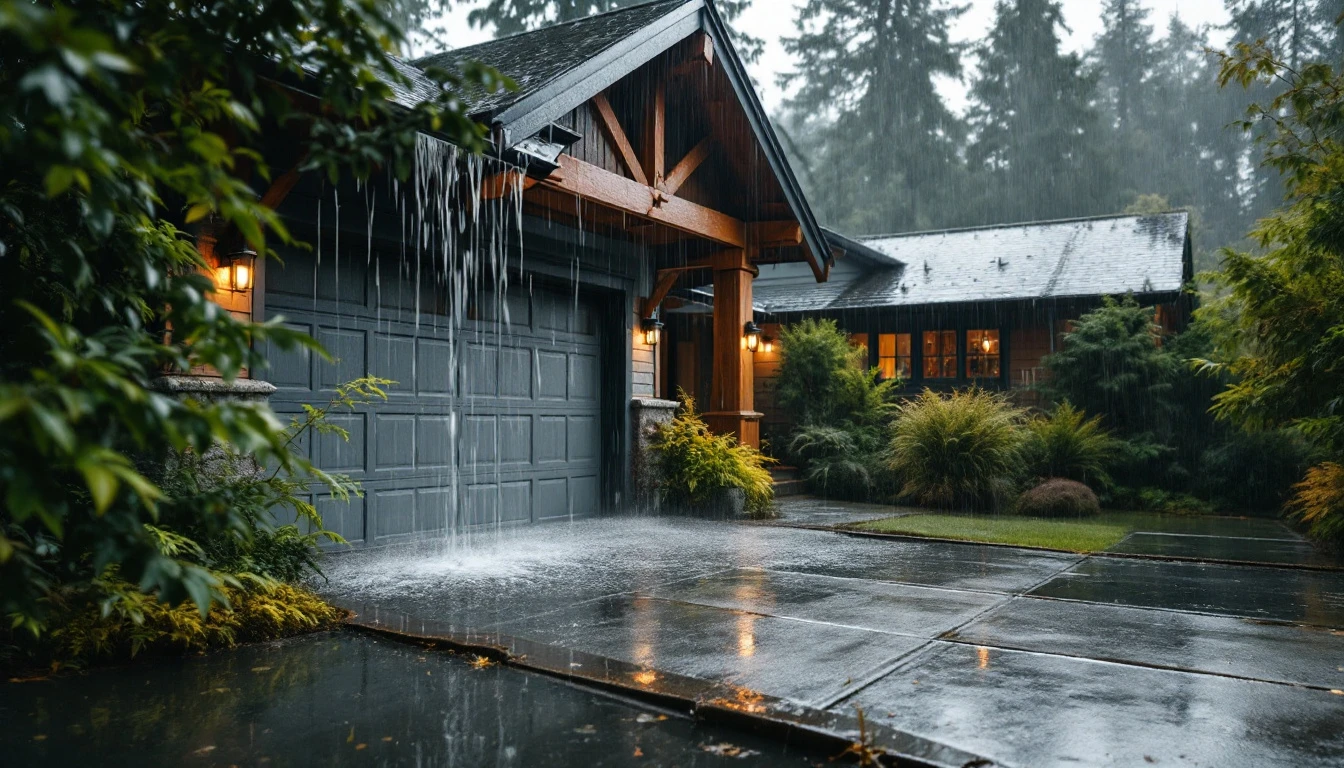
Castle Rock sits in one of the wettest corners of Washington State, receiving 40 to 50 inches of rainfall annually. That’s nearly double what Seattle gets in a typical year. This persistent precipitation creates a baseline humidity level that keeps wood damp and metal surfaces moist for extended periods. Understanding moisture damage prevention Castle Rock garage starts with recognizing how the region’s climate accelerates deterioration on structures that would last decades in drier areas.
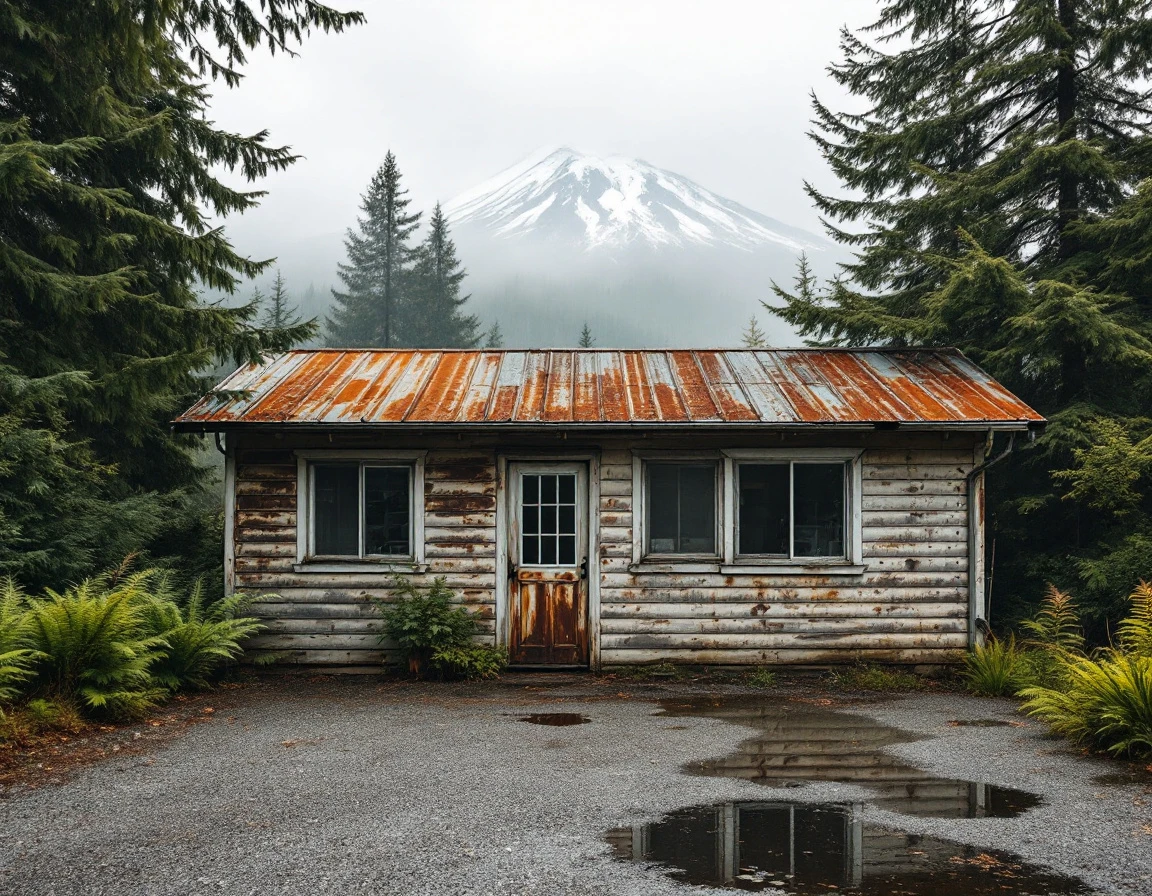
The town’s proximity to Mt. St. Helens adds another layer of complexity. Elevation patterns around the mountain create seasonal moisture peaks that concentrate rainfall during specific months. Cool air flowing down from higher elevations meets warm valley air, producing condensation that settles on every exposed surface—including your garage door, frame, and hardware.
This combination of high humidity and cool temperatures creates ideal conditions for rust and wood rot to accelerate. Metal hinges and springs begin corroding faster than in drier regions like Eastern Washington. Wood trim, sills, and untreated framing absorb moisture and start breaking down from the inside out.
June marks a critical turning point in Castle Rock’s weather calendar. While summer brings drier days, the peak rainfall months begin their buildup during this season.
Preparing your garage now—before the moisture surge arrives—gives protective treatments time to cure and sealants time to bond properly. Waiting until fall means working in wet conditions when coatings won’t adhere correctly.
Early Rust and Wood Rot Identification
How do you catch garage damage before it turns into a major repair bill? The answer lies in understanding what early-stage deterioration actually looks like. In Castle Rock’s high-humidity environment, detached garages lack the thermal mass of attached structures. Which means moisture cycles hit them harder and faster. Knowing the visual indicators of rust and wood rot prevention Longview strategies gives you the power to act before minor issues become expensive structural problems.
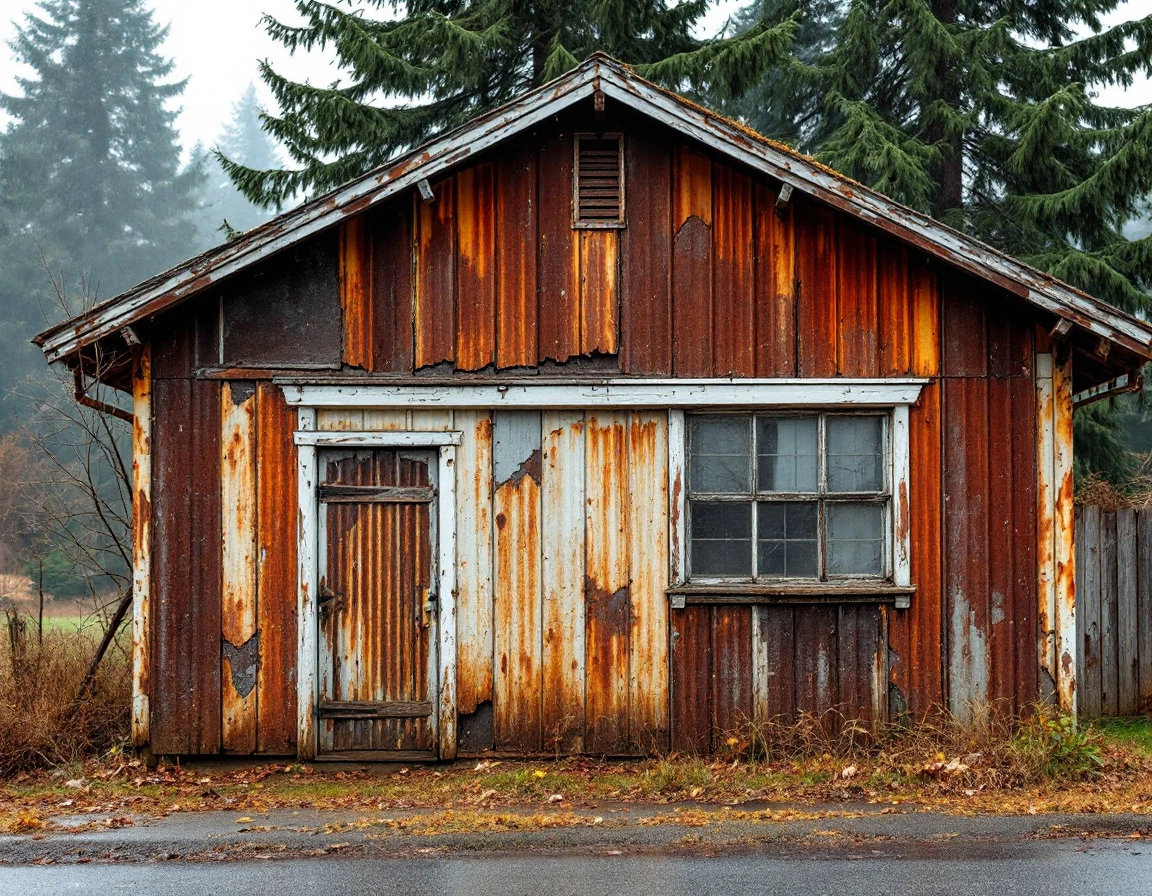
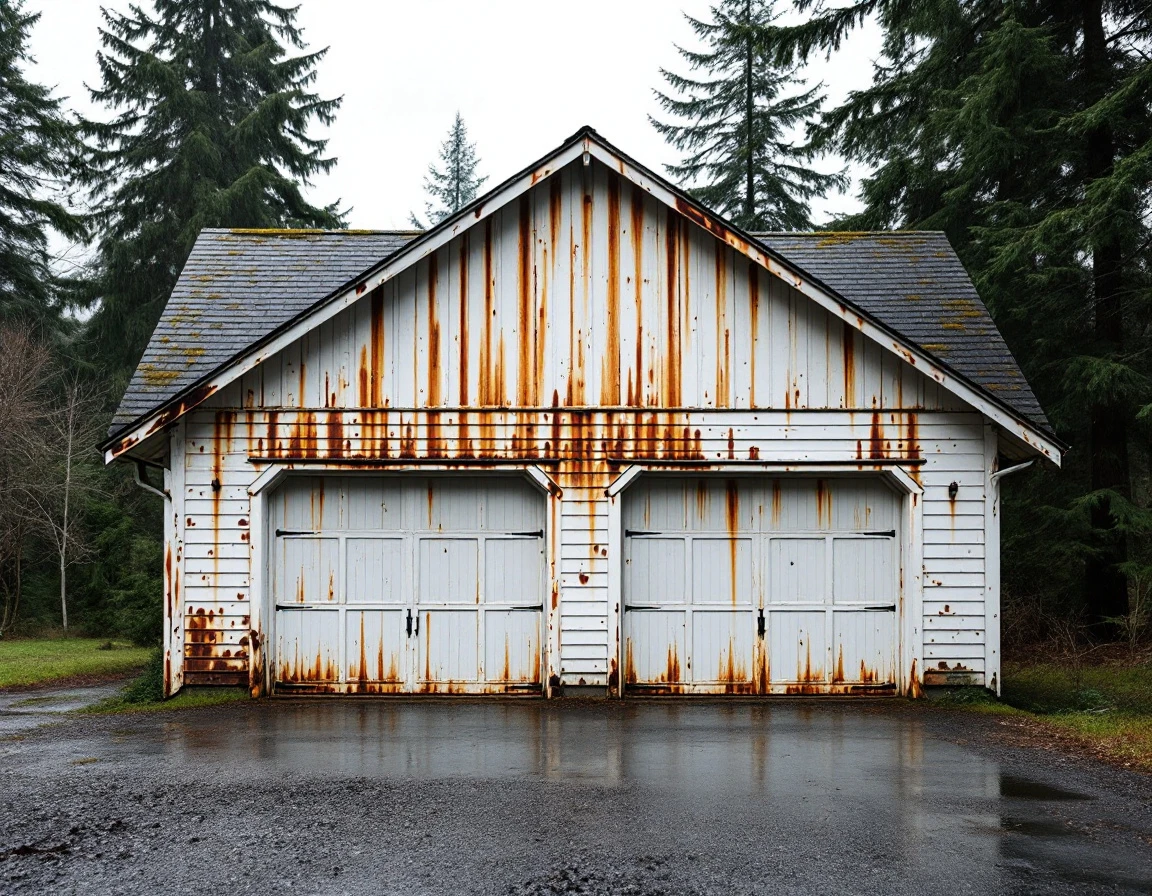
Surface rust on steel garage doors and frames appears first as orange or brown discoloration along edges, seams, and fastener holes. At this stage, the metal hasn’t lost structural integrity—you’re seeing oxidation on the surface layer. Run your finger across these spots. If the metal feels smooth and solid, you’ve caught it early enough for treatment with rust converter and protective coating.
Wood rot in door jambs, sills, and fascia boards shows different warning signs. Look for paint that’s bubbling or peeling in specific spots rather than uniformly across the surface. Press a screwdriver tip gently into suspicious areas—healthy wood resists, while rotted wood compresses or crumbles. You might also notice a musty, earthy smell near affected boards. These soft spots indicate moisture has penetrated the wood and fungal decay has started.
Metal fasteners serve as your early warning system. Hinges, brackets, and torsion spring mounting hardware corrode before larger structural components because they’re smaller and have more surface area exposed to moisture. During your pre-June inspection, examine these connection points closely. White or green corrosion on steel hardware, or reddish staining around fastener holes, tells you humidity damage is active.
Before summer rainfall peaks arrive, walk around your garage with this visual checklist:
- Check door edges and frame corners for discoloration
- Press door jambs and sill boards for soft spots
- Inspect all visible metal hardware for corrosion
- Look at paint condition on wood surfaces for bubbling patterns
This fifteen-minute inspection, done annually before June, catches damage when repairs still cost tens of dollars rather than thousands.
Seasonal Garage Maintenance Heavy Rainfall Pacific Northwest
Castle Rock’s weather patterns demand a strategic maintenance schedule that aligns with the region’s rainfall cycle. Your detached garage faces more exposure than attached structures, making monthly tasks essential for preventing moisture damage that shortens lifespan.
June: Pre-Wet Season Preparation
Before July rains arrive, inspect all exterior wood surfaces for cracks, gaps, or worn finish. Apply fresh sealant to trim boards, door frames, and exposed sheathing where moisture penetrates most easily. This month is your last dry window before the wettest months begin.
Check metal doors, hinges, and hardware for surface rust or flaking paint. Apply rust-preventive coatings to bare metal and touch up damaged areas with exterior-grade primer and paint. These protective layers block moisture contact during the 3-4 month wet season ahead.
July-August: Peak Rainfall Monitoring
During the wettest months, inspect your garage weekly for standing water inside or around the foundation. Check that ventilation systems move air properly—stagnant air traps humidity against surfaces. Look for drainage failures where water pools near doors or along base plates.
Fall: Post-Summer Cleanup
Clean gutters and downspouts of leaf debris that blocks water flow. Verify that downspout extensions direct water at least four feet from your garage foundation. Water running against the base plate accelerates wood rot in floor framing and wall studs.
Winter: Seal and Insulation Check
Inspect weatherstripping around doors for gaps that allow rain-laden wind inside. Replace worn strips before winter storms arrive. On sloped roofs, watch for ice dams forming at eaves—these force meltwater under roofing and into wall cavities. Proper attic ventilation prevents this damage pattern common in the Mt. St. Helens region.
This maintenance rhythm prevents small issues from becoming structural repairs, extending your garage lifespan by a decade or more through consistent attention to moisture entry points.
Material Selection for High-Humidity Garages
Choosing the right materials for your Castle Rock garage isn’t just about upfront cost—it’s about how those materials handle 40-50 inches of annual rainfall over the next decade. Standard garage door finishes and hardware that work fine in drier climates fail fast in this region’s persistent moisture. Applying Castle Rock detached garage rust prevention principles means selecting materials built for these conditions from the start.
Your material options include:
- Steel garage doors with heavy-duty rust-inhibiting primers rated for 40+ inches of rainfall cost $1,200-$1,800 installed. These premium primers create a chemical barrier that outperforms standard factory finishes, which start showing surface rust within 2-3 years. Look for doors specifically rated for coastal or high-humidity zones—the R-value matters for insulation, but the primer quality determines longevity.
- Vinyl-clad and composite doors ($1,500-$2,200) eliminate the annual maintenance cycle entirely. Unlike wood doors that require $150-$300 yearly for staining and sealing on top of the $800-$1,200 purchase price, these materials resist moisture penetration without ongoing treatment. The higher upfront investment pays back within 4-5 years when you factor in eliminated maintenance costs.
Hardware matters as much as the door itself. Metal fasteners must be stainless steel or hot-dip galvanized—standard zinc-plated hinges and spring hardware corrode through within 2-3 years in this climate. For exterior cladding on detached garages, fiber cement boards resist rot far better than untreated cedar or plywood, which absorb moisture and decay from the inside out. Every material choice you make today affects how often you’re replacing components—every 3 years or every 15 yearsears.
Ventilation and Drainage for Detached Garages
Detached garages face a unique moisture challenge that attached structures don’t encounter. Without the passive temperature regulation and air circulation provided by your home’s HVAC system, detached garages trap humidity inside, creating ideal conditions for rust on metal components and wood rot in door frames and structural members. Workshop garage wood rot damage repair often begins with addressing ventilation failures that allowed moisture accumulation in the first place.
Effective ventilation requires cross-flow design: install intake vents near the base of your garage walls and exhaust vents near the roof peak. This natural air movement prevents the interior humidity buildup that accelerates rust on springs, tracks, and hardware. For 20×20 single-car structures in Castle Rock, adding a dehumidifier or forced-air circulation system costs $300-$600 but prevents the $2,000+ repairs needed to replace rotted sills and door frames.
Exterior drainage matters just as much as interior ventilation.
Your gutters and downspouts must direct water 4-6 feet from the foundation—standing water near the base causes ground moisture to wick into wooden door frames through concrete foundations.
the June maintenance window from your seasonal checklist becomes critical: verify that vents are clear of debris and gutters are clean before Castle Rock’s peak rainfall months arrive. A properly sized gutter system paired with a concrete foundation moisture barrier creates a complete defense against both above-ground and below-ground water infiltration.
Budget-Friendly Prevention Steps and Professional Investments
Castle Rock garage owners face a critical decision each June: invest small amounts now, or pay for expensive repairs later. The right prevention steps don’t require massive budgets—just strategic timing and smart prioritization. Moisture damage prevention Castle Rock garage owners implement early in the season proves far more cost-effective than reactive repairs.
DIY Quick Wins for June
The most effective DIY tasks you can tackle before wet season arrives include:
- Sealing exterior wood to create a moisture barrier that prevents water absorption on typical detached garages
- Applying rust converter to mild surface rust on hinges, brackets, and fasteners to stop oxidation before it spreads to structural components
- Caulking gaps around trim, door frames, and foundation points in materials to prevent water intrusion at vulnerable joints
Focus on areas where different materials meet, as these junctions create natural entry points for Castle Rock’s persistent rainfall. These three tasks combined address the primary moisture pathways identified in your June inspection without requiring major financial investment.
Professional Investments with Highest Returns
Gutter cleaning and downspout installation delivers the single best cost-to-savings ratio in garage maintenance. Professional gutter work costs $300-$600 but redirects thousands of gallons away from your foundation annually. Without proper drainage, water pools against foundation walls and seeps into floor joints—repairs for this damage start at $5,000 and climb quickly.
Annual professional inspections catch hidden rot behind trim boards and rust inside door mechanisms before problems multiply. An inspector identifies issues you can’t see from ground level, like soffit deterioration or roof penetration failures that create slow leaks.
The thesis holds true: extending your garage lifespan by 10+ years requires consistent small investments, not expensive one-time fixes. If you haven’t scheduled a professional inspection before July, contact Garage Harmony today to protect your structure before peak rainfall arrives.