Tualatin Valley Climate Risks
The Tualatin Valley’s fog-prone valley floor, spring mud season, and freeze-thaw cycles create specific challenges for detached garage maintenance Cornelius homeowners face with agricultural garages and outbuildings.
Valley fog creates sustained moisture exposure
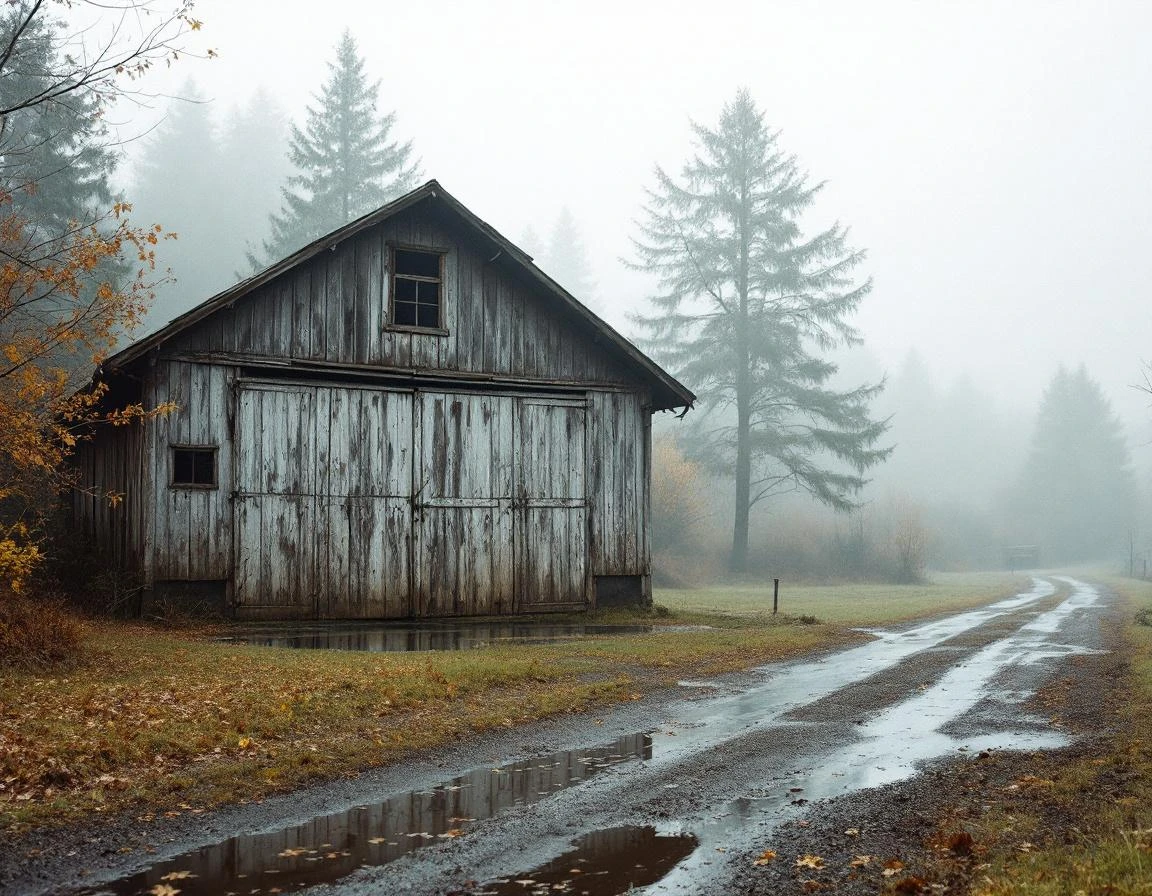
Between October and March, dense fog settles across the Tualatin Valley floor. Creating conditions that keep detached agricultural garages and outbuildings wet for days at a time. This persistent moisture penetrates wood siding, seeps under door seals, and accelerates rust on hardware and metal components.
The valley’s heavy clay soil compounds these problems. Poor drainage prevents water from percolating away from foundations, while freeze-thaw cycles cause frost heave that shifts concrete pads and cracks floor slabs. For properties in Cornelius and Banks with detached structures, this combination creates ongoing foundation stress throughout winter months.
Detached Garages Lack Main Home Insulation
Unlike attached garages that share at least one insulated wall with your home, detached agricultural garages in Cornelius stand completely exposed to the elements. This isolation means condensation cycles accelerate as outdoor temperatures swing from freezing nights to mild afternoons throughout winter and early spring. Valley floor garage condensation solutions become essential for protecting stored equipment and preventing structural damage.
The spring thaw window from late February through April offers your best opportunity to assess moisture damage before summer drying begins. Similarly, the fall pre-winter period in October and November becomes critical for sealing gaps and improving ventilation before dense fog season returns.
Spring Assessment Checklist for Detached Garage Maintenance
April and May offer your best window for catching winter damage before warm weather obscures the evidence. Tualatin Valley’s freeze-thaw cycles expose weaknesses in foundations, door seals, and drainage systems—problems that become invisible once temperatures stabilize. Schedule a 30-minute inspection during a dry morning when you can spot moisture patterns and frost damage clearly.
Start at the foundation. Look for white efflorescence—chalky salt deposits that indicate water migration through concrete. Check for new cracks or gaps wider than a pencil lead, which signal frost heave or settling. Walk the perimeter and note any puddles pooling against the foundation, especially near downspouts or on the uphill side of your property where clay soil drains poorly.
Inspect your garage door and frame next. Press the wood trim around the lower corners—if it feels soft or spongy, moisture has penetrated behind the paint. Metal doors may show rust staining near the bottom edge or around fasteners. Test weatherstripping by closing the door and looking for light gaps. After months of freeze-thaw movement, track alignment often shifts, causing binding or uneven closing.
Document condensation patterns inside the garage. Water stains on walls, rust on tools, or musty odors indicate poor ventilation combined with winter moisture buildup. Finally, examine your driveway approach. Note ruts, erosion channels, or gravel displacement that forces water toward the foundation. Early spring detection prevents these minor issues from becoming expensive summer repairs.
Summer Drying & Prevention Tasks
The four-month window from June through September offers Cornelius homeowners a critical opportunity to tackle preventive maintenance that’s simply impossible during the wet season. Warm, dry conditions allow sealants to cure properly, adhesives to bond effectively, and moisture barriers to be installed without immediately battling the very problem they’re built to prevent.
Most hydrophobic coatings and foundation sealants require at least 24-48 hours of dry weather to cure—a window rarely available between October and May in the Tualatin Valley.
Start with foundation work while the ground is dry and stable. Seal any cracks you identified during your spring inspection using polyurethane or epoxy-based sealants designed for concrete. Apply hydrophobic coatings to the exterior foundation walls, working from the bottom up to create a continuous moisture barrier. These coatings need warm temperatures to flow properly and dry weather to cure without trapping moisture behind the barrier.
Can you tackle driveway drainage improvements yourself? For mud and gravel drives common on agricultural properties, regrading is essential before fall rains return. Add crushed rock to low spots where water pools, crown the center slightly to encourage runoff, and consider installing simple French drains along the edges. Professional intervention makes sense for major projects like driveway resurfacing or sump pump installation—these require equipment and expertise but prevent expensive emergency repairs later.
Don’t overlook your gutter system during this dry season maintenance push. Clean debris, repair sagging sections, and extend downspout discharge at least six feet from your foundation. Install or upgrade sump systems and ventilation improvements while you can work comfortably without rain interruptions. Summer prevention work maximizes durability precisely because treatments have time to cure before winter’s moisture assault begins.
Fall Pre-Winter Hardening
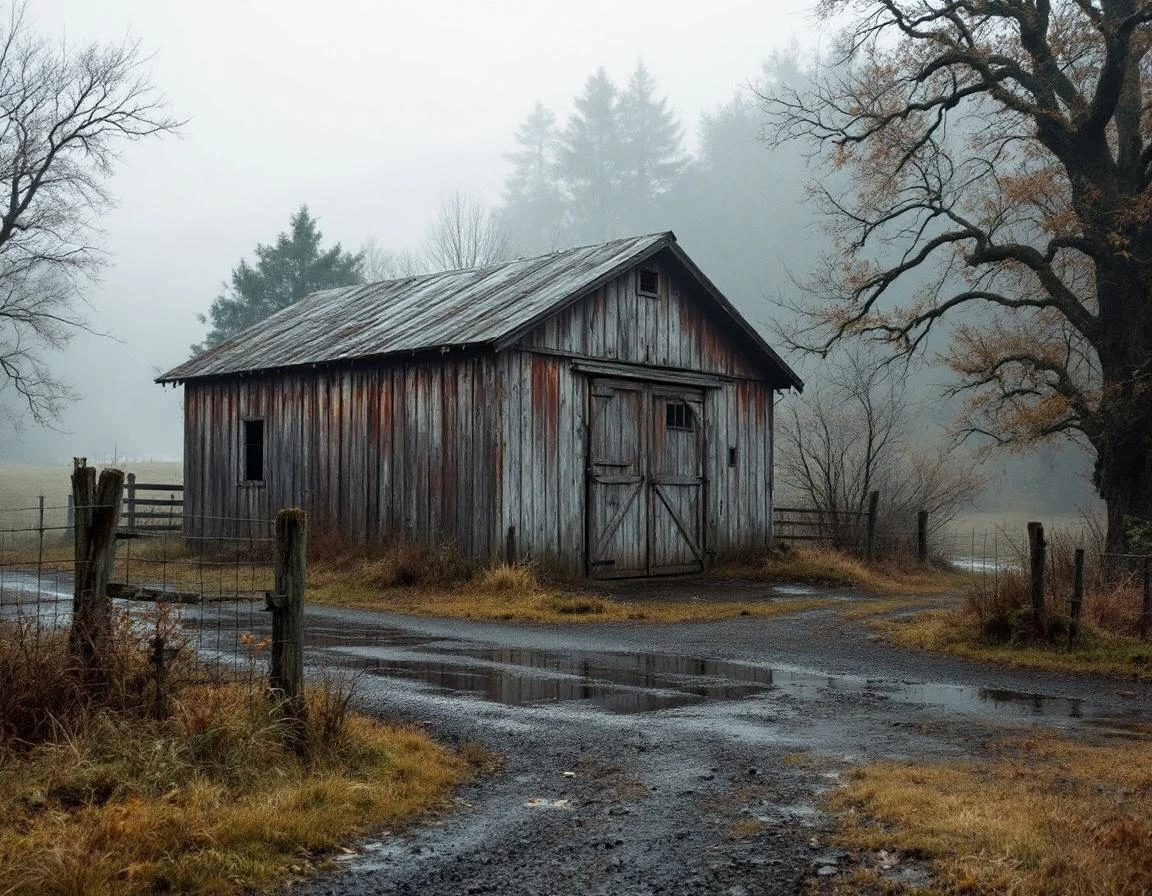
September through November represents the final window to harden your Cornelius detached garage before dense fog, freezing temperatures, and seasonal storms return to the Tualatin Valley floor. This three-month countdown transforms spring and summer preparation work into functional winter protection for rural property frost damage prevention—and eliminates emergency repair calls when contractors are unavailable and conditions are unsafe.
September: Foundation Work
- Clear gutters and downspouts of autumn leaves before October rains begin. Debris-clogged gutters overflow directly onto foundation perimeters, saturating the clay soil that already struggles with drainage.
- Inspect gravel driveways for washout damage and fill low spots before mud season arrives.
- Stock emergency supplies now: backup opener batteries, de-icing salt for threshold areas, and tarps for equipment protection.
October: Weatherproofing Systems
- Test dehumidifiers and verify they’re operating efficiently after months of summer use.
- Apply final weatherstripping and seal any gaps discovered during fall temperature drops.
- Check heated enclosures if you’ve installed them around vulnerable equipment. October’s cooling nights reveal air leaks that summer warmth concealed.
November: Mechanical Verification
- Inspect door operation, spring tension, and opener function before winter’s heavy-use season begins.
- Document property conditions with photographs for insurance records and spring comparison. This visual baseline captures functional systems before fog, frost, and freeze-thaw cycles test every repair you’ve completed.
- When March arrives, you’ll know exactly which interventions succeeded.
Mud & Gravel Driveway Solutions
Rural Cornelius properties face a driveway challenge that urban neighbors never encounter: unpaved surfaces that transform into mud traps during winter and spring rains. Every trip from house to garage tracks moisture, soil particles, and road salt directly to door sills, foundation edges, and interior floors, creating the perfect conditions for accelerated rust and wood rot. Mud driveway access seasonal maintenance prevents these moisture problems from spreading to your detached structure.
The solution starts with proper grading. Your driveway should slope away from the garage at a 2–3% grade to prevent water from pooling against the foundation. This simple adjustment directs runoff toward drainage areas rather than into your structure.
For homeowners ready to invest more, a French drain system paired with a gravel bed and fabric barrier provides year-round protection against seasonal drainage problems. Properties experiencing persistent moisture issues may benefit from converting to asphalt or permeable pavers. Though this represents the highest initial cost.
The maintenance calendar matters as much as the infrastructure. Clear your driveway of debris, mud, and ice monthly during wet season to stop moisture migration before it starts.
Budget for 2–5 driveway maintenance visits annually. With major resurfacing projects scheduled during the dry summer window when materials cure properly and contractors can work without weather delays.
Professional Help vs DIY Limits
Not every spring assessment finding requires professional intervention, and not every summer project is safe for DIY work. Understanding this boundary protects both your safety and your budget.
Foundation cracks wider than 1/4 inch, visible efflorescence, or signs of structural settling demand professional assessment. Active water intrusion through walls or floors, failed sump pump systems. And any visible mold growth also require licensed contractors who carry proper insurance and understand Washington County building codes.
Similarly, crawl space encapsulation and commercial-grade driveway work need specialized equipment and expertise beyond typical homeowner capability.
Homeowners can safely handle the following tasks:
- Caulking around windows and doors
- Replacing weatherstripping
- Cleaning gutters
- Adjusting grading near foundations
- Maintaining photo documentation for insurance purposes
These tasks don’t require permits or specialized training but deliver substantial protection when performed during the June-September dry window.
Expect realistic costs for common professional services: foundation crack sealing typically runs $500–$2,000 depending on severity, sump pump installation costs $1,500–$3,500 including basin and drainage, and driveway resurfacing ranges from $2,000–$8,000 based on square footage and material choice.
Schedule a free inspection after your spring assessment to confirm whether summer work is DIY-safe or requires professional contractors. This step prevents dangerous mistakes and unnecessary expenses.