Smart Openers and Synthetic Materials
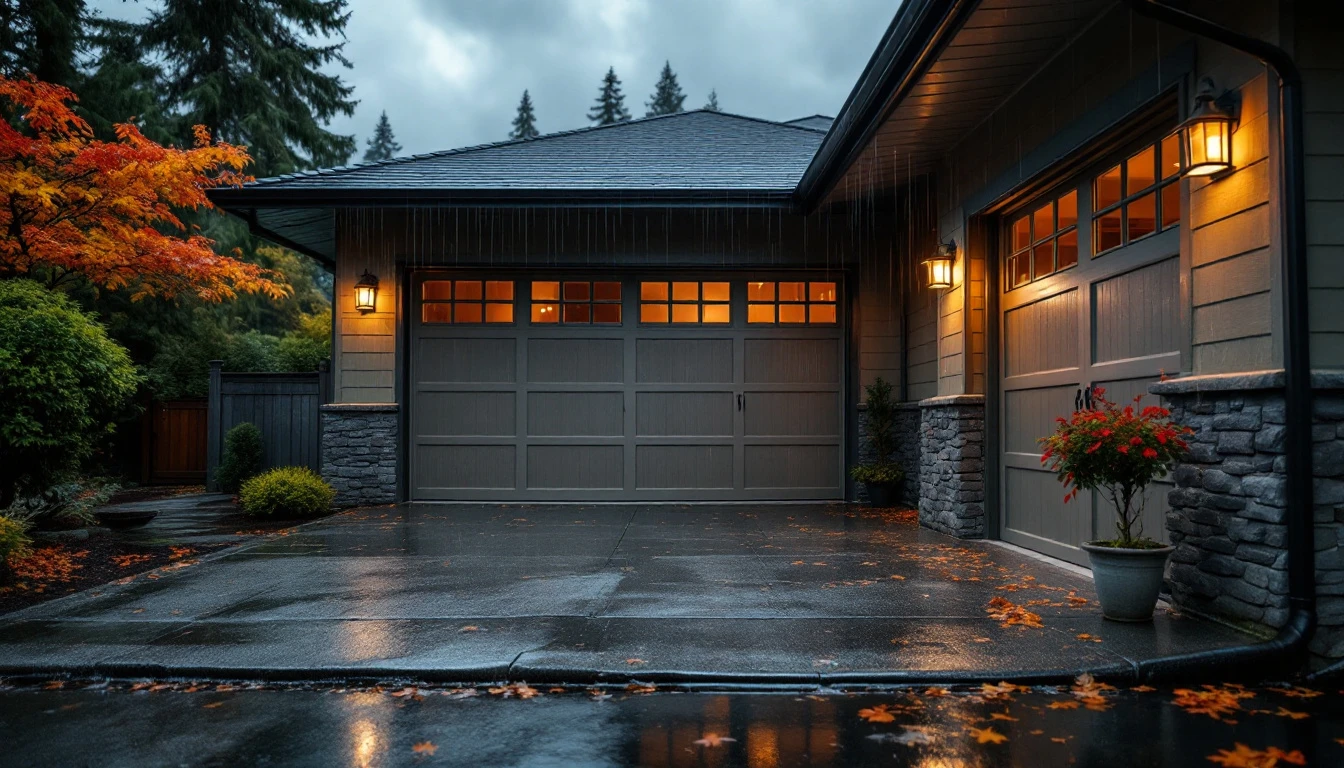
The attached garages in Orenco Station and Tanasbourne look nothing like the traditional ranch homes scattered throughout older Hillsboro neighborhoods. Modern garage maintenance in Hillsboro requires understanding how these master-planned communities integrate systems that connect everything from your garage door opener to your home’s WiFi network. These smart openers respond to mobile app commands, send maintenance alerts to your phone, and sync with home security systems.
What does this mean for maintenance? The composite panels and vinyl weatherstripping that dominate modern attached garages behave differently than the wood or steel materials found in homes built before 2000. Composite panels resist moisture damage but can develop surface cracks if cleaned with harsh chemicals. Vinyl seals maintain flexibility longer than rubber but need different lubrication products.
Modern Hillsboro neighborhoods come with another layer of complexity: HOA architectural guidelines. Many Tanasbourne and Orenco Station associations specify approved door colors, panel styles, and even acceptable noise levels during operation. When your WiFi-connected opener needs repair, you can’t simply swap it for any replacement model. The new unit must integrate with existing smart home protocols and meet community standards.
Understanding your neighborhood’s specific garage infrastructure prevents expensive mistakes. Installing the wrong opener type can mean buying equipment twice. Using improper cleaning products on composite panels can void manufacturer warranties.
These aren’t universal garage maintenance tasks—they require knowledge of what Hillsboro’s newer developments actually contain.
Orenco Station Maintenance Timeline
Orenco Station’s smart garage ecosystem requires a month-by-month maintenance approach that aligns with the neighborhood’s modern infrastructure. March marks the perfect starting point for your annual maintenance cycle, as spring conditions in the Tualatin Valley create ideal testing weather before summer heat arrives.
- Spring (March-May) focuses on smart system verification. Test your garage door opener’s photoelectric sensors by placing objects in the door’s path to confirm proper reversal. Inspect synthetic panel seals for any winter damage—these composite materials respond differently to freeze-thaw cycles than traditional wood or steel. Verify your opener’s WiFi connectivity through the manufacturer’s app, as firmware updates often release during this season.
- Summer (June-August) shifts to cleaning and lubrication. Clean composite panels with mild soap and water to remove pollen buildup that can trap moisture. Lubricate smart opener tracks using synthetic-safe products—avoid petroleum-based options that can degrade composite materials. Check that your opener’s app reports normal operating temperatures, as overheating can indicate mechanical issues.
- Fall (September-November) prepares your system for winter. Replace weatherstripping if you notice gaps when the door closes. Test backup battery systems on smart openers to confirm they’ll function during winter power outages common in the tech corridor.
- Winter (December-February) requires vigilant monitoring. Watch for frost buildup on synthetic panels that can stress seals during freeze-thaw cycles. Test heating elements in smart openers monthly—these prevent frozen tracks that could trigger HOA complaints about non-functional garage doors blocking driveways.
Tanasbourne HOA Repair Requirements
If you’re planning garage work in Tanasbourne, understanding the HOA approval process can save you from costly violations and project delays. The Tanasbourne Homeowners Association requires written pre-approval for any garage door opener replacement, major panel repairs, or smart device installations that affect the exterior appearance of your home. This includes upgrading from a traditional opener to a modern WiFi-enabled system.
What materials meet HOA standards? Tanasbourne’s architectural guidelines mandate matching composite materials for any door panel replacements or repairs. If your garage door features a specific wood-grain texture or color finish, replacement panels must match the existing aesthetic. Unauthorized repairs using non-compliant materials can result in violation notices and fines that exceed the cost of the original repair.
Smart opener installations come with an additional consideration: the HOA has WiFi frequency guidelines to prevent interference with neighborhood networks. Before installing a new smart opener, verify that your chosen model operates on approved frequencies. Submit your equipment specifications with your approval request to avoid complications.
Do you need emergency repairs? Tanasbourne offers an expedited approval process for garage door failures that affect home security or vehicle access. You can proceed with immediate repairs, but you must document the emergency work and submit your compliance paperwork within 48 hours.
Keep photos, receipts, and contractor information to demonstrate that repairs followed HOA material standards.
Smart Opener Battery and Sensor Care
Smart garage door openers in Orenco Station and Tanasbourne homes include backup battery systems that typically need replacement every 2-3 years. These batteries power your opener during outages, but they degrade over time even without heavy use. Most homeowners can handle battery swaps themselves by following the manufacturer’s instructions—usually just unplugging the old battery pack and connecting the new one.
Safety sensors on modern synthetic garage materials drift from proper alignment more frequently than traditional steel setups. The lightweight composite panels common in newer Hillsboro developments can shift slightly during seasonal temperature changes, throwing sensors out of calibration. You can clean sensor lenses yourself using a soft cloth and check alignment by verifying the indicator lights, but sensor replacement requires professional tools and expertise.
WiFi-enabled openers need firmware updates quarterly to prevent security gaps and operational malfunctions. Check your opener’s companion app regularly for update notifications. Outdated firmware can cause connectivity issues that make your garage appear non-functional, potentially triggering HOA concerns about abandoned or broken equipment.
Understanding which maintenance tasks you can handle versus when to call Garage Harmony prevents both equipment damage and HOA violations. Battery replacement and sensor recalibration fall within DIY territory, while sensor replacement and opener programming require professional attention to avoid safety issues.
Spring Maintenance Checklist for March
March marks the ideal time for Hillsboro homeowners to inspect garage door systems after winter ice events and fog exposure. This checklist addresses both smart opener diagnostics and synthetic panel care specific to attached garage care in newer homes.
Test smart opener mobile app and WiFi connection
Start by opening your smart garage door opener app while standing inside your garage to verify connection strength. If the app shows delays over two seconds or frequently disconnects, power cycle your router and opener, then reconnect through the app’s setup wizard. This simple reset resolves most latency issues that develop over winter.
Next, walk around your garage inspecting all synthetic panel seals and weatherstripping for cracks caused by Tualatin Valley’s freeze-thaw cycles. Look for splits where rubber meets composite material—these gaps let moisture penetrate and can trigger mold growth. Replace any damaged sections before April’s heavy rain arrives.
Finally, wipe down composite panel surfaces with a mild cleaner to remove winter grime that traps moisture. This prevents mold from establishing in spring’s damp conditions, particularly important in Orenco Station and Tanasbourne neighborhoods where HOAs require pristine garage exteriors.
Verify battery backup system is functional
Before Tualatin Valley’s heavy spring rain season arrives, test your smart garage door opener’s battery backup system to confirm it operates during power outages. Press the wall button during a test disconnect to confirm the door opens smoothly on battery power alone.
If you notice delays, jerking motions, or incomplete cycles during normal operation, schedule professional sensor calibration with Garage Harmony. These symptoms often indicate alignment issues with safety sensors—common in newer Hillsboro homes where synthetic door materials can affect sensor positioning over time.
Next Steps: Schedule Professional Inspection for Modern Garage Maintenance
Understanding maintenance timelines is valuable, but identifying problems before they escalate requires professional expertise. A certified inspection this March creates the documentation Hillsboro HOAs require while catching issues that DIY checks often miss.
Professional technicians familiar with Orenco Station and Tanasbourne specifications know which synthetic panel materials comply with architectural standards and which smart opener models integrate with community WiFi networks. This knowledge prevents the common mistake of replacing functional equipment with non-compliant alternatives that require reinstallation.
Spring inspections address winter damage before summer heat stresses composite materials and electronic components. Certified professionals document their findings in formats that satisfy HOA record-keeping requirements, protecting your investment if disputes arise about maintenance history.
Ready to move from understanding to action? Contact Garage Harmony today to schedule an inspection with technicians who know your neighborhood’s requirements and can identify HOA-compliant repair pathways specific to your development.