Freeze-Thaw Damage in Central Oregon: Madras Garage Door Winter Damage Repair
Madras sits in the high desert where winter temperatures swing sharply between 15°F and 40°F—sometimes within the same 24-hour period. These freeze-thaw cycles create a unique form of stress that garage door systems in milder climates never experience. Homeowners dealing with Madras garage door winter damage repair face challenges that require understanding how repeated expansion and contraction weakens every component. While a single cold snap or hot spell causes minimal damage, repeated freeze-thaw cycles weaken springs, panels, weatherstripping, and hardware faster than normal aging would predict.
Here’s what happens during each cycle: Metal springs and hardware contract when temperatures drop overnight, then expand as the sun warms them during the day. This constant movement gradually loosens tension, causing springs to wear faster than normal aging would predict. Panels develop micro-cracks at stress points where metal repeatedly bends. Weatherstripping faces an even harsher challenge—rubber compounds harden in freezing temperatures, then when they warm and soften again, small cracks appear that grow larger with each subsequent cycle.
Moisture makes everything worse. Water seeps into tiny gaps during the day, then freezes and expands overnight, forcing cracks wider. By May, you have a narrow window to identify this accumulated damage before summer heat arrives. High desert summers dry out already-compromised weatherstripping and put additional stress on weakened springs.
Spring maintenance isn’t just recommended—it’s your chance to catch problems while they’re still repairable rather than replaceable.
Six Types of Freeze-Thaw Damage
Walk up to your garage door and look closely. Madras’s winter left behind specific damage patterns that tell the story of every freeze-thaw cycle your door endured. Here’s what to look for and what each type of Central Oregon garage door freeze thaw damage means for your door’s function.
Spring Weakness and Loss of Tension
Your torsion springs sit above the door, visible when you’re inside the garage. Look for gaps between coils that weren’t there before. Or measure the spring—it may appear longer than when new. Metal fatigue from repeated contraction and expansion causes this stretching. You’ll notice the door feels heavier when lifting manually, or it drops faster when closing. This is serious damage that requires immediate attention, as weakened springs can snap without warning.
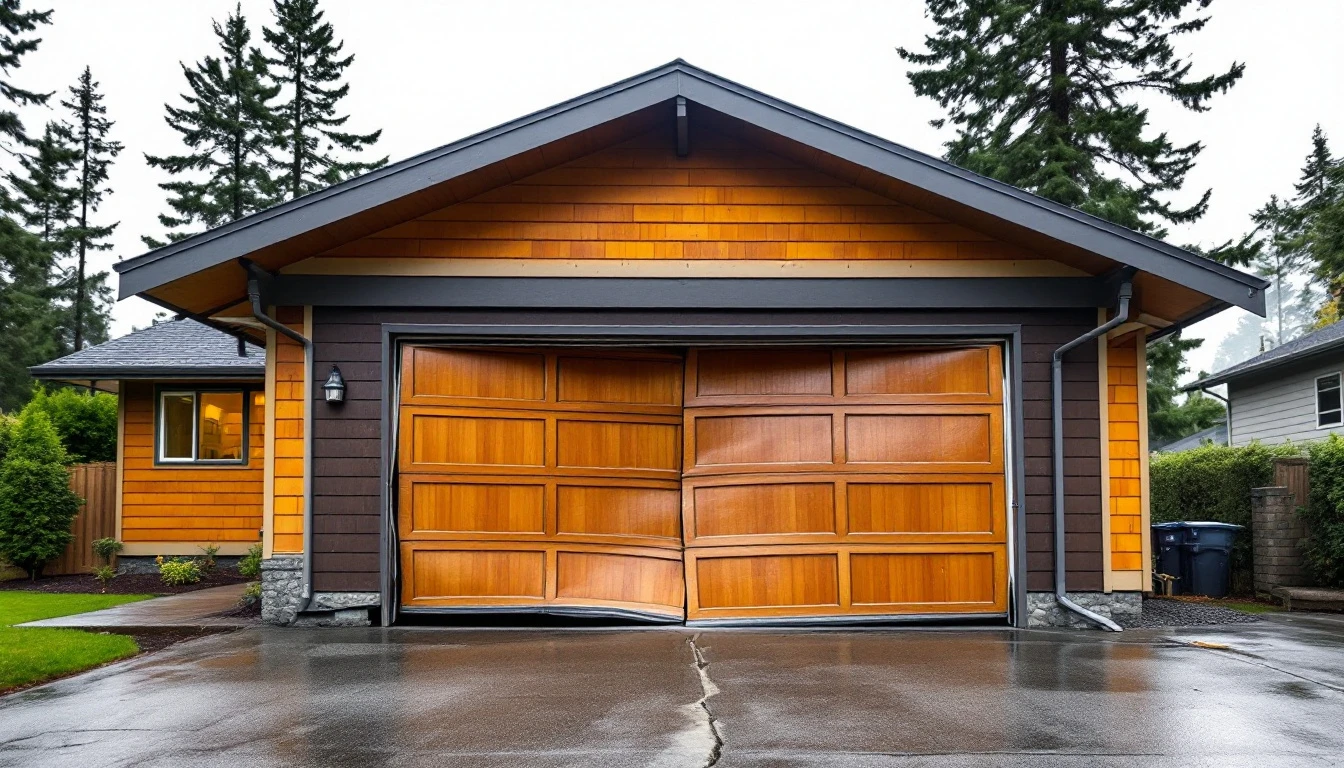
Panel Cracking and Separation
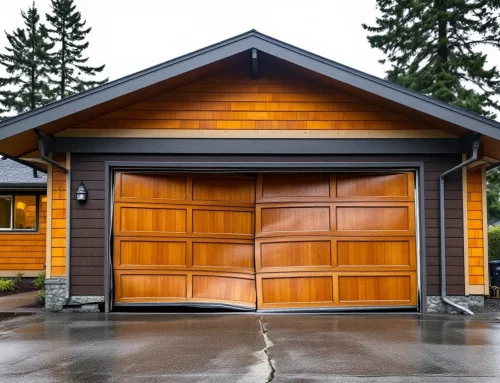
Check where panels meet the vertical frame members. Visible gaps between the panel edge and frame indicate the panel has warped or pulled away from its mounting points. On steel doors, look for paint cracking along horizontal seams. Wood doors show actual splits in the material. Temperature swings cause garage door panel damage from freeze thaw cycles when material expands and contracts at different rates than the aluminum frame, creating stress cracks. Moderate urgency—the door still functions, but water intrusion accelerates deterioration.
Weatherstripping Failure
Run your hand along the bottom seal where the door meets the concrete. Quality weatherstripping feels flexible and springs back when compressed. Hardened rubber that stays compressed or shows visible cracking has failed. Check the seals along both vertical tracks—they should sit flush against the door edge. Winter garage door weatherstripping in Central Oregon freezes repeatedly, breaking down the plasticizers in rubber and leaving it brittle. Replace before summer heat finishes the job winter started.
Track Misalignment and Roller Issues
Watch your door move through a full cycle. Jerking motion or visible binding at certain points indicates track misalignment from contraction cycles. Metal tracks shift slightly when temperatures drop, and mounting bolts can loosen. Rollers themselves may stick or create grinding sounds if moisture froze inside the bearing. Address this soon—misaligned tracks accelerate roller wear and can jam the door completely.
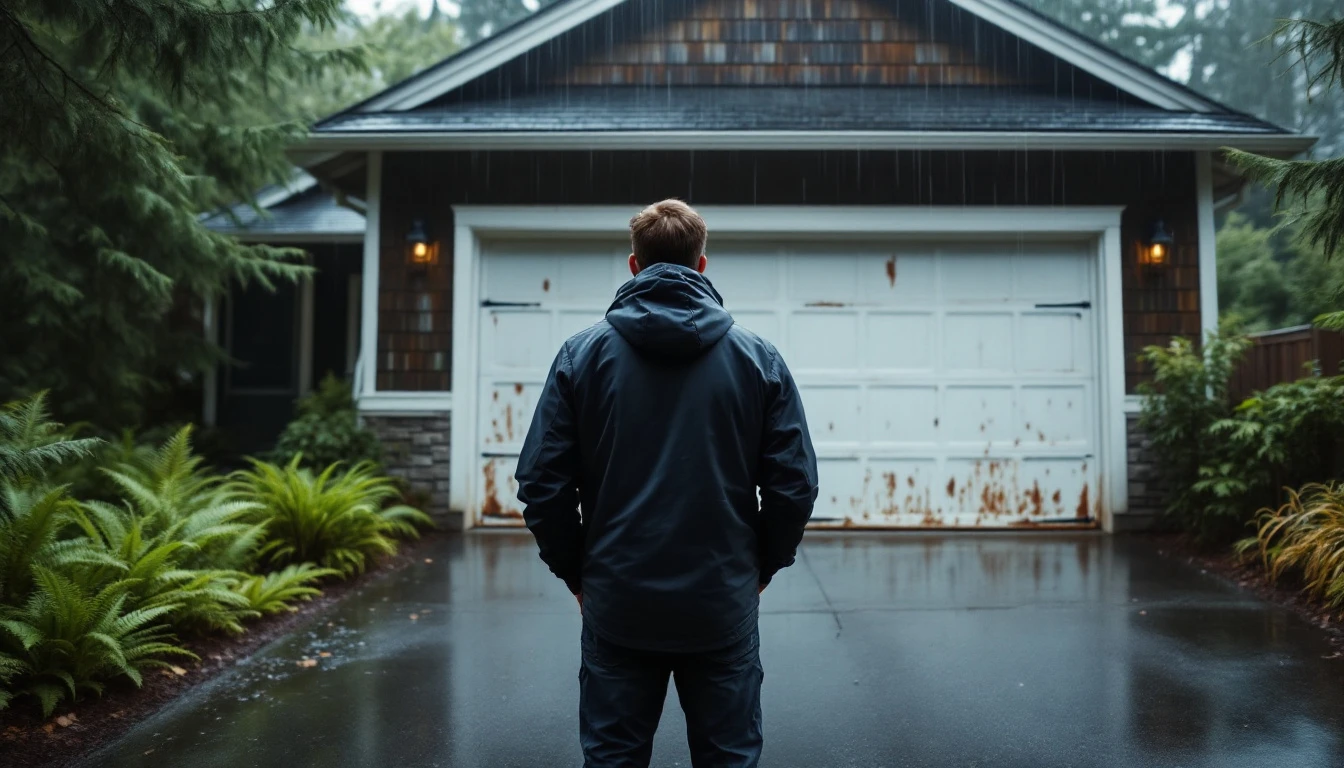
Rust and Corrosion
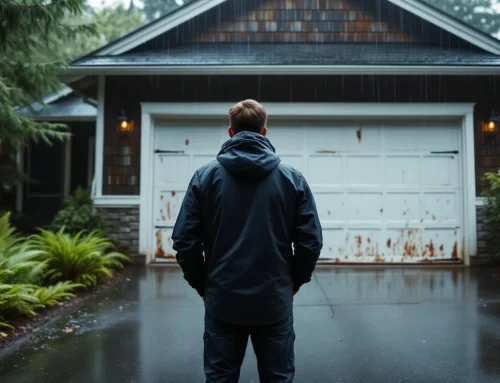
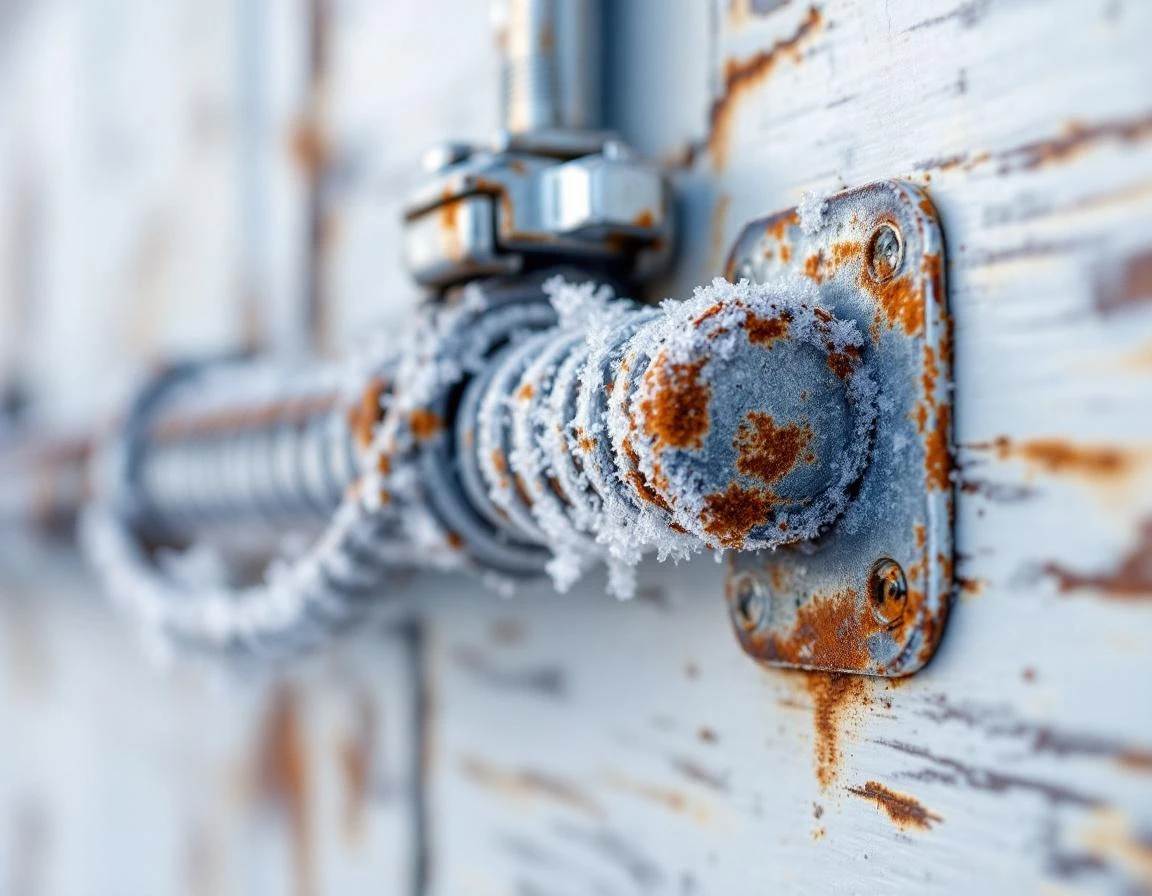
Examine spring mounting brackets, hinges, and the bottom door section where snow piles up. White crystalline deposits near metal fasteners or orange surface rust show where moisture penetrated during freeze-thaw cycles. This matters most on hinges and roller brackets that handle the door’s weight. Clean surface rust promptly; deep corrosion requires component replacement.
Urgent vs. Deferred Repairs
Not all freeze-thaw damage requires immediate attention. Understanding which repairs to prioritize helps Madras homeowners allocate their maintenance budget wisely and avoid costly summer emergencies when Central Oregon’s heat puts additional stress on already-weakened components.
Emergency Repairs: Handle This Week
Some damage creates immediate safety risks or prevents normal door operation. Broken or severely weakened springs top this list—a spring that survived winter’s cold may snap under summer heat stress when metal fatigue accelerates. Spring garage door repair in Madras should happen immediately if springs show visible gaps between coils or produce grinding sounds during operation. Springs that need replacement should be replaced before they fail completely and trap your vehicle inside.
Door balance problems also qualify as emergencies. If your door won’t stay open at the halfway point or slams down when released, the spring-cable system has lost proper tension. Operating an unbalanced door strains the opener motor and risks the door falling unexpectedly, creating a serious hazard for anyone nearby.
Urgent Repairs: Schedule Before June
The second tier includes repairs that won’t cause immediate problems but will worsen rapidly once summer heat arrives. Weatherstripping with visible cracks should be replaced now because summer’s intense UV exposure will accelerate rubber deterioration. Similarly, track misalignment that causes minor binding will worsen as metal expands in heat, potentially causing the door to jam mid-cycle during July’s peak temperatures.
Call professionals by mid-May to secure appointment slots. Garage door companies in Central Oregon book solid from June through August as homeowners deal with summer emergencies and vacation home preparations.
Scheduling urgent repairs in May means faster service and better availability.
Deferred Repairs: Wait Until Fall
Some damage looks concerning but won’t deteriorate through summer. Cosmetic panel dents and surface rust spots can wait until September without functional consequences. Madras’s dry summer climate actually slows rust progression compared to spring’s moisture, making fall the ideal time for these aesthetic fixes when contractors have more scheduling flexibility.
DIY vs. Professional Repair Scope
Not all freeze-thaw damage requires a professional service call. Weatherstripping replacement, panel-level cosmetic touch-ups, and visible rust cleaning are reasonable DIY projects for confident homeowners with basic tools. These repairs involve minimal safety risk and don’t interact with the high-tension systems that make garage doors dangerous.
However, spring replacement, track realignment, and door balance issues absolutely require professional expertise and safety equipment. Garage door springs cold weather damage means torsion springs hold enough tension to cause serious injury or death if handled improperly. Track misalignment affects how the door distributes weight across structural mounting points—attempting DIY repairs can compromise your garage’s structural integrity or create collapse risks under load.
If the damage involves springs, cables, tracks, or structural alignment, contact a professional. If it’s exterior weatherstripping, panel surface rust, or minor paint damage, DIY is appropriate.
The challenge many Madras homeowners face is misdiagnosing damage severity. What looks like simple panel separation might actually indicate failed mounting brackets or compromised track alignment—problems that lead to complete summer failures when heat expands already-stressed components.
Professional diagnostics catch this secondary damage that DIY inspection misses. A trained technician identifies stress patterns invisible to homeowners, preventing incomplete repairs that fail within months. If you’ve found damage beyond weatherstripping or cosmetic issues during your spring inspection, contact Garage Harmony for expert assessment before attempting repairs yourself.
Spring Maintenance Before Summer Heat
Garage door springs weakened by Madras’s freeze-thaw cycles face catastrophic failure when summer temperatures climb above 90°F. The metal that contracted and expanded repeatedly through winter loses tension gradually—then snaps when heat causes additional expansion. Spring garage door repair in Madras should address warning signs like a sagging door, longer opener cycles, or heavier manual operation.
May inspections catch these warning signs before June heat transforms a weakening spring into an emergency. Professional spring service costs less during the calm maintenance season when you schedule ahead. Wait until July or August when your spring fails completely? Emergency repairs become far more expensive, plus you’ll face scheduling delays when service companies handle peak-season calls.
Does spring replacement seem expensive? Consider this: properly tensioned springs installed before heat stress accumulates extend your garage door’s operational life for years to come. A spring replacement now prevents the far costlier door replacement that follows catastrophic spring failure damage.
Weatherstripping Seal Assessment
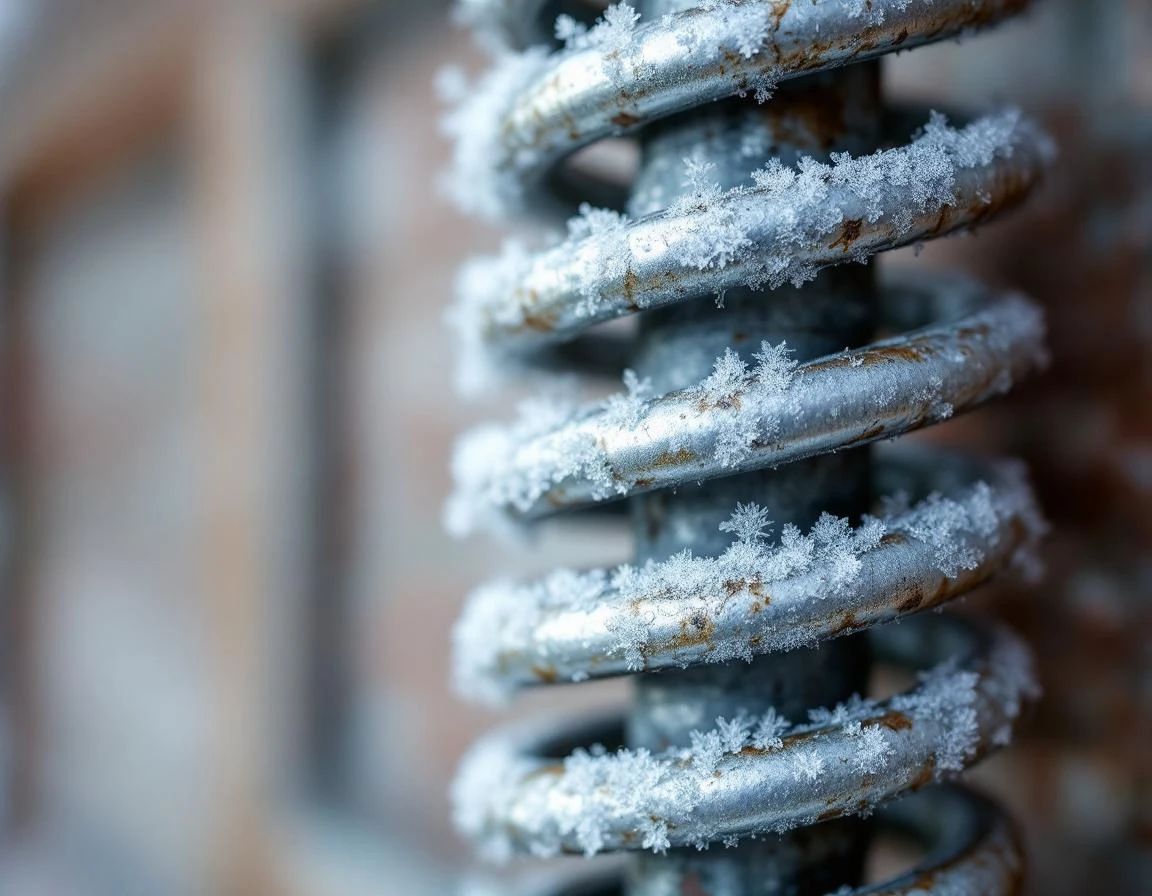
Your garage door’s weatherstripping endures a brutal cycle each year in Madras. Winter cold hardens the rubber, spring freeze-thaw cycles create expansion cracks, and then summer heat above 95°F exploits every weakness. What looks intact in March often fails by July when you need heat blocking most.
Check your bottom seal first—press gently along its entire length. Flexible rubber rebounds; brittle rubber stays compressed or cracks. Inspect side strips for visible splits or gaps where light penetrates. Hardened or cracked weatherstripping fails to block summer heat and dust infiltration. And bottom seal gaps allow pests and heat entry when temperature hits 95°F+.
Good news: weatherstripping replacement is the most accessible repair most homeowners can handle independently. The replacement cost is minimal compared to HVAC strain from heat loss, and the job takes under one hour with basic tools. May replacement means summer cooling efficiency all season, preventing your air conditioner from working overtime against preventable heat infiltration.
May Inspection Checklist for Madras
Use this printable checklist by mid-May to identify all freeze-thaw damage before scheduling professional repairs. Work through each component systematically, taking photos of every issue you find to share with repair technicians for accurate quotes.
Springs (Inspect from Ladder—Do Not Touch)
- Where to look: Torsion springs above the door, extension springs along the tracks
- What to look for: Visible gaps between coils, rust deposits, one spring longer than its pair, door feels heavier than usual
- Document: Photo from multiple angles showing full spring length
- Category: Urgent—schedule professional inspection within one week if you spot any spring issues
Panels and Hardware
- Where to look: Each horizontal panel section, especially joints between panels
- What to look for: Separating seams, cracks radiating from hardware mounting points, warped sections that don’t sit flush
- Document: Close-up photos of separation areas and full door shots showing alignment
- Category: Urgent if panels bind during operation; deferred if purely cosmetic
Weatherstripping, Track, and Rollers
- Where to look: Bottom seal, side seals, roller wheels, track alignment
- What to look for: Cracked rubber, brittle texture when pressed, rollers that don’t spin freely, track gaps wider than a credit card
- Document: Photos showing seal condition and track-to-roller contact points
- Category: Urgent for weatherstripping (complete before June heat); deferred for minor track wear
Schedule professional visits by mid-May to avoid the June booking rush when contractors face peak demand.