Summer Heat & Garage Doors: Pacific Northwest Prevention
How Summer Heat Damages Garage Doors in the Pacific Northwest
When Salem’s summer temperatures climb from a cool 60°F morning to a scorching 95°F afternoon, your garage door experiences extreme thermal stress. Understanding garage door heat damage prevention is essential because this rapid temperature swing causes materials to expand and contract repeatedly, creating damage that accumulates over time.
Metal components are particularly vulnerable. Steel tracks expand in the heat and can warp out of alignment, causing your door to bind or operate unevenly. Torsion springs lose tension as heat causes the metal coils to relax, reducing their lifting power and potentially leaving your door stuck halfway open. These aren’t gradual changes—they happen daily throughout our dry Pacific Northwest summers.
Different materials respond differently to heat stress. Wooden garage door panels can bow and crack as moisture evaporates during extended dry spells. Rubber weather seals become brittle and crack when exposed to intense UV radiation and heat cycles. Even modern steel and aluminum doors aren’t immune—thermal expansion can cause panels to buckle or separate from their framework.
Understanding these component vulnerabilities is the first step toward prevention. The good news? Most heat-related damage is completely avoidable when you know what to watch for and take proactive steps before peak summer arrives.
Three Critical Summer Maintenance Tasks for Garage Door Heat Damage Prevention
Now that you understand how summer heat damages your garage door, let’s focus on prevention. Three strategic maintenance tasks performed in late May through early June—before Salem’s temperatures consistently climb into the 80s and 90s—can significantly reduce thermal stress damage throughout the summer months.
- Task One: Apply Heat-Rated Lubricant to All Moving Parts. Standard lubricants break down quickly under high temperatures, increasing friction just when your door components face maximum thermal stress. Apply a high-temperature silicone or lithium-based lubricant specifically rated for heat to your springs, rollers, hinges, and track surfaces. This reduces friction-generated heat that compounds the ambient temperature stress on metal components. Why does this matter for heat prevention? When moving parts operate smoothly with proper lubrication, they generate less internal heat through friction, meaning the metal stays cooler and experiences less thermal expansion.
- Task Two: Inspect and Replace Deteriorating Weather Stripping. Check the rubber seals along all four sides of your garage door and the bottom seal for any cracks, hardening, or gaps. Weather stripping that survived winter cold often fails during summer heat as the rubber becomes brittle and shrinks. Replace any compromised sections before peak temperatures arrive. This isn’t just about energy efficiency—degraded seals allow hot air to infiltrate your garage, raising internal temperatures that accelerate damage to door panels and hardware mounted inside the frame.
- Task Three: Check Track Alignment and Remove All Debris. Even minor misalignment becomes a major problem when heat causes track expansion. Use a level to verify your tracks are properly aligned, and tighten any loose mounting brackets. Clear all dirt, leaves, and debris from tracks—these obstructions create friction points where thermal expansion will cause binding or roller derailment. Pre-existing damage or misalignment that seems minor in spring becomes severe when summer heat causes metal to expand, so address issues now while temperatures are moderate.
Completing these three tasks before summer heat peaks gives your garage door the best chance to operate smoothly through Salem’s hottest months. Each task directly addresses a specific heat-related failure mode, making your hot weather garage door maintenance efforts far more effective than generic upkeep.
Component-Specific Heat Vulnerability: What Fails First
Not all garage door components respond to Salem’s summer heat the same way. Understanding which parts fail first helps you recognize warning signs early and prioritize your maintenance efforts.
Torsion springs face the most significant challenge. These tightly wound metal coils lose their pre-tension through repeated heat cycling. When temperatures swing from cool mornings to 95-degree afternoons, the metal expands and contracts daily. Each cycle gradually fatigues the steel, reducing the spring’s ability to counterbalance your door’s weight. You might notice your door feeling heavier or struggling to stay open halfway—classic signs of heat-weakened springs.
Metal tracks present a different vulnerability. The dry heat that characterizes Salem summers causes uneven thermal expansion, especially when one side of your garage receives more direct sun exposure than the other. This uneven heating warps tracks out of alignment, creating friction points where rollers bind during operation. The result? Jerky movement and increased strain on your opener motor.
Rubber components deteriorate fastest in sustained heat. Weather stripping and door seals literally shrink and crack as heat leaches plasticizers from the rubber compound. Once flexible seals become brittle, they lose their ability to maintain a tight barrier against outdoor air and pests.
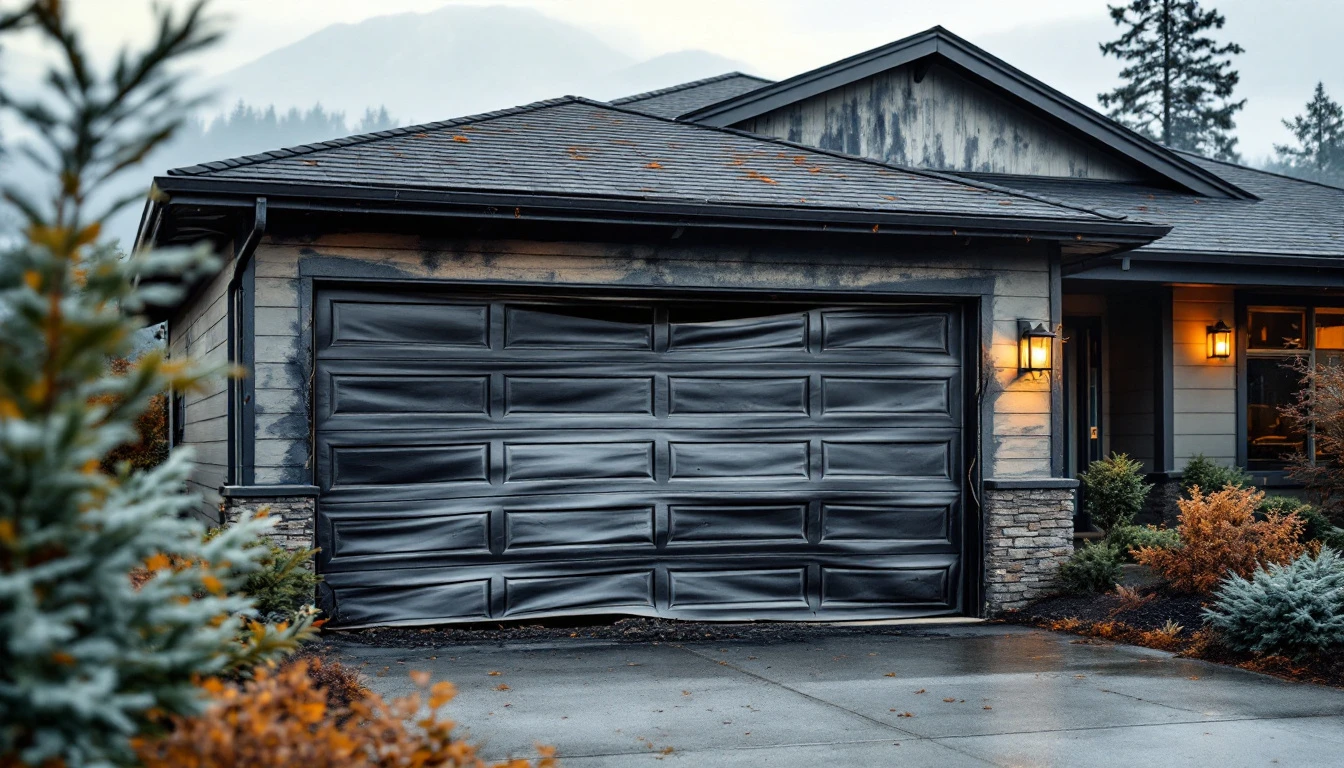
Steel door panels bow outward when interior garage heat builds without adequate ventilation. This thermal expansion creates visible warping that prevents proper door alignment within the frame. The panels push against tracks and weatherstripping, causing binding that your opener struggles to overcome. Dark-colored panels absorb more heat and bow more dramatically than lighter colors.
Prevention Cost vs. Emergency Repair: The Summer Heat Math
When you look at the numbers, preventive maintenance becomes an obvious choice. Annual preventive care—including lubrication with heat-rated products, inspection of key components, and weatherstripping replacement—typically costs between $150 and $300. That’s a predictable expense you can budget for each spring.
Compare that to emergency repair costs when heat damage strikes. A failed torsion spring averages $300 to $500 to replace. Thermally warped tracks run $200 to $400 for realignment or replacement. Panel damage from heat-induced bowing often requires complete panel replacement, running $500 to $1,500 or more depending on your door’s size and material. Emergency service calls during Salem’s summer months carry premium pricing with 20 to 30 percent added to standard rates, turning a $400 repair into a $520 bill.
The math is straightforward. Spending a modest amount on prevention saves you from a potential substantial emergency repair bill—plus the inconvenience of a non-functioning garage door during the hottest weeks of summer. That’s significant savings that stay in your pocket simply by planning ahead.
When to Call a Professional vs. DIY: Heat Damage Assessment
Understanding which garage door tasks you can safely handle yourself—and which require professional expertise—protects both your safety and your investment. While some summer prep work falls squarely in DIY territory, heat-related damage often requires specialized knowledge and tools to assess and repair correctly.
You can confidently tackle basic preventive maintenance on your own. Lubricating visible moving parts with heat-rated products and inspecting weatherstripping for cracks are straightforward tasks that don’t involve dangerous components. These simple actions form your first line of defense against thermal stress.
However, certain assessments demand professional intervention. Spring tension testing requires specialized gauges and expertise—attempting to adjust springs under extreme tension without proper training can result in serious injury. Similarly, evaluating whether track warping has reached critical thresholds or determining if thermal panel bowing indicates structural compromise requires professional diagnostic tools and experience.
Watch for these clear red flags that signal it’s time to call Garage Harmony: visible gaps between tracks and rollers, springs that won’t hold the door at mid-height, or panels that bow noticeably outward during hot afternoons. These symptoms indicate heat damage has progressed beyond preventive maintenance into repair territory.
Think of professional pre-summer inspections as a proactive investment rather than an expense. Scheduling an evaluation in late May allows our experts to identify thermal stress vulnerabilities before they become emergency failures during July’s peak heat. Contact us today to schedule your pre-summer garage door inspection and ensure your door is ready for Pacific Northwest summer temperatures.