Central Oregon Freeze-Thaw Cycles
Central Oregon’s high desert climate creates a unique challenge for garage doors, particularly in Madras where Madras garage door spring freeze damage occurs regularly. Winter temperatures drop below freezing at night, then climb above 32°F during sunny afternoons, subjecting metal springs to relentless stress.
15-40°F winter swings
Madras experiences 15-40°F temperature swings throughout winter months, creating intense expansion-contraction stress on metal garage door springs. Metal contracts in freezing overnight temperatures. Then expands during warmer afternoons. This daily cycle repeats dozens of times each winter, fatiguing the molecular structure of torsion and extension springs.
Spring and early summer bring even wider 30-60°F fluctuations as the high desert warms. These temperature swings compound the damage winter already inflicted on your springs. Metal that contracted and expanded all winter continues this stress cycle, pushing weakened springs closer to failure during April and May when homeowners most notice performance issues.
Madras weather patterns differ from coastal
Madras sits in Central Oregon’s high desert, where weather patterns create vastly different garage door challenges than what coastal Oregon homeowners face. While coastal areas experience mild, wet winters with minimal temperature swings, Madras endures dramatic freeze-thaw cycles that subject garage door components to relentless expansion and contraction stress.
These freeze-thaw cycles accelerate metal fatigue in springs and tracks, while also causing weatherstripping to become brittle and crack. The repeated daily temperature swings—from nighttime freezing to daytime thaws—create conditions that demand different maintenance timing than coastal regions require.
How Madras Garage Door Spring Freeze Damage Occurs
Garage door springs endure tremendous stress during normal operation, but Central Oregon’s temperature swings add an invisible threat. When winter nights in Madras drop to 15°F and days warm to 40°F, the metal coils expand and contract repeatedly. This cycling creates micro-fractures deep within the coil structure—tiny cracks that grow with each temperature shift.
Over multiple seasons, these expansion-contraction cycles weaken the spring’s tensile strength. The metal’s molecular structure gradually crystallizes, making it brittle. What started as a flexible, resilient coil becomes prone to sudden failure. Most springs that break in April didn’t fail overnight—they accumulated months of hidden damage.
Early warning signs appear before complete failure. Listen for squeaking or creaking sounds when the door operates, especially during morning use. Watch for slower opening speeds or doors that pause mid-cycle. Notice if one side of the door sags lower than the other, creating uneven gaps along the top seal.
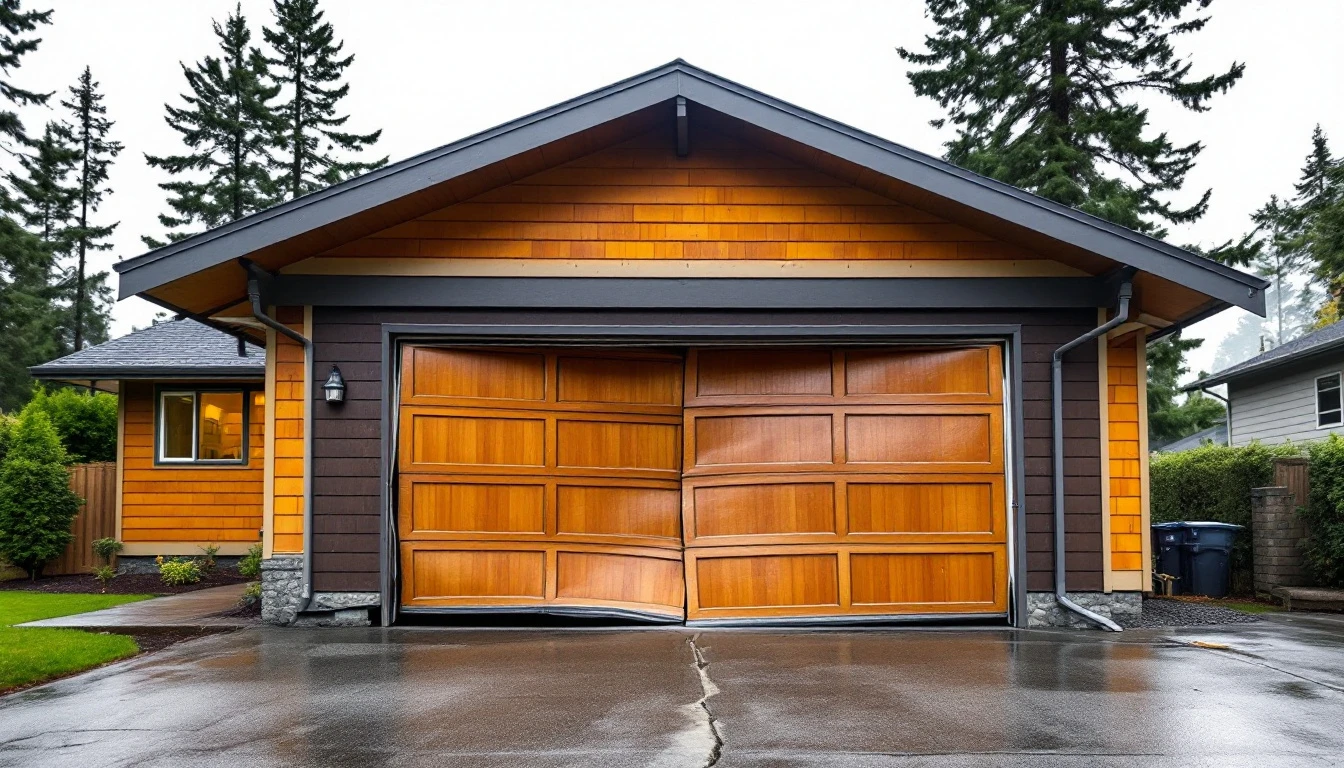
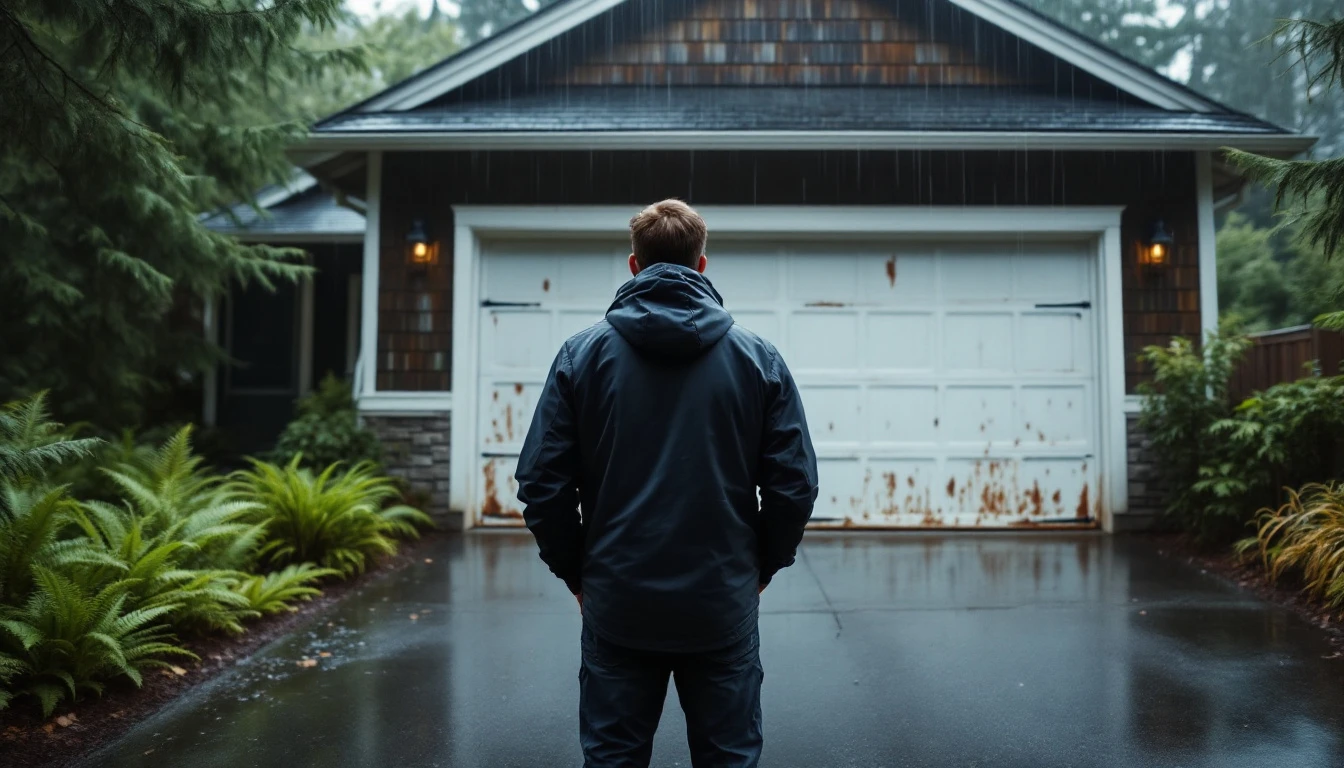
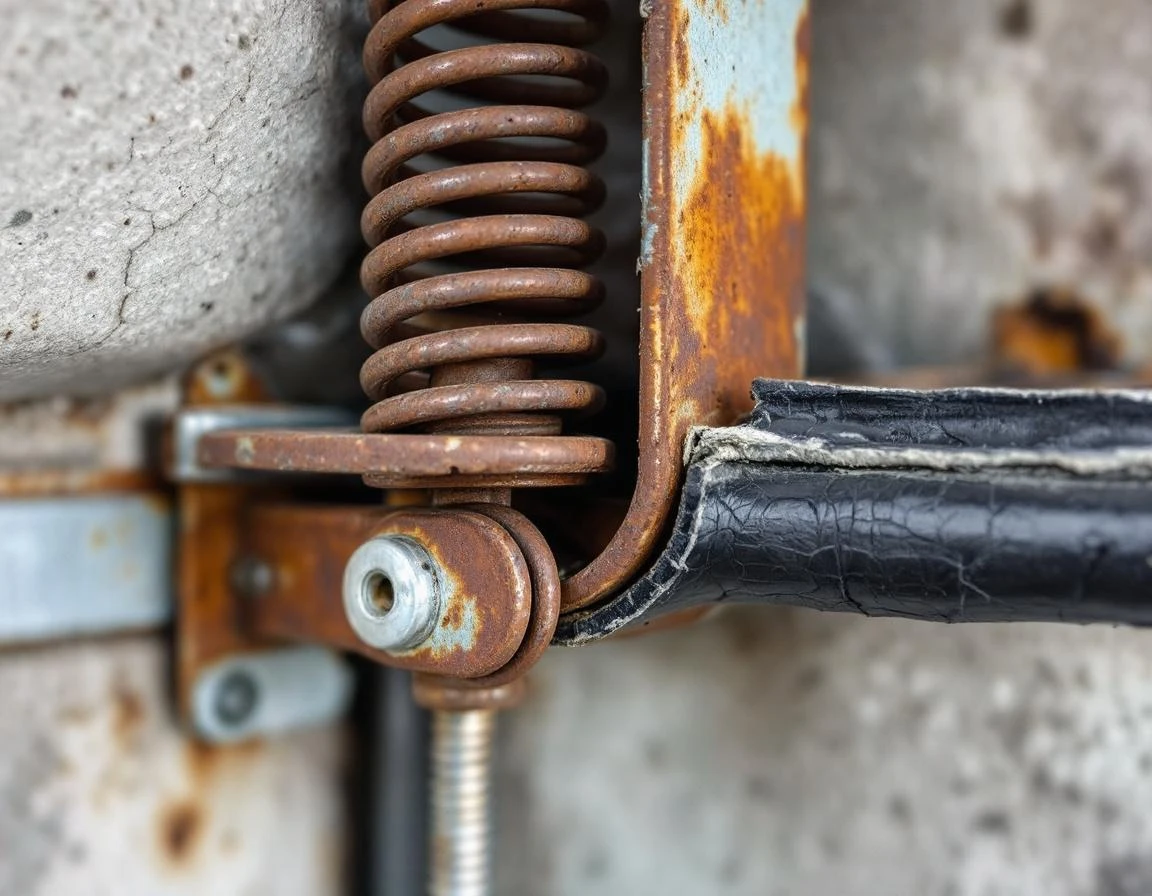
Visual inspection reveals critical clues. Look for rust spots or discoloration on the spring coils where moisture penetrated. Check for visible gaps between coils or any separation in the winding. April provides the ideal inspection window because temperatures stabilize enough to safely examine components without ice buildup or active precipitation blocking your view. Understanding these damage patterns helps you decide whether spring replacement requires professional service or if simple lubrication addresses the problem.
Garage Door Weatherstripping Freeze Thaw Cycles
While springs get most of the attention during Madras spring failures, weatherstripping often fails first. Central Oregon’s winter cold hardens rubber and vinyl seals around your garage door, making them stiff and inflexible. When spring’s warmth arrives, that brittle material cracks and loses elasticity instead of returning to normal.
This creates a domino effect. Failed seals allow rain and snowmelt into your garage during spring thaw cycles, accelerating rust on metal components including those already-weakened springs. Moisture intrusion also damages stored items and creates conditions for mold growth on walls and stored belongings.
The freeze-thaw pattern is particularly destructive for weatherstripping. Each temperature swing stresses the material, and by April those seals often show visible cracks, gaps, or complete separation from the door frame. In Madras conditions, brittle seals typically fail faster than springs because they experience more extreme temperature variations at the door’s exterior edges.
That’s why weatherstripping inspection is part of your April maintenance checklist. Most spring repair appointments include weatherstripping replacement alongside spring service. Since both failures stem from the same winter damage pattern.
April Inspection Checklist
Madras homeowners can catch winter garage door damage before springs fail by performing a thorough April inspection. Start with a visual scan of the springs above the door—look for rust spots, cracks, or gaps between coils that indicate metal fatigue from freeze-thaw cycles. Check weatherstripping along door edges and bottom seals for cracking, peeling, or gaps that expose interior spaces to moisture.
Next, conduct a manual tension test. Disconnect the opener and lift the door halfway—it should stay in place without drifting down. If it drops or feels heavy, the springs have lost tension. Listen for squeaking, grinding, or popping sounds during operation, which signal friction points or damaged components.
Inspect track alignment by checking for gaps between rollers and tracks, and look for bent sections that cause binding. Document everything with photos, noting specific damage locations and severity. These images help professionals provide accurate quotes and create a reference for future inspections.
Why April? Madras temperatures stabilize between 30-60°F—warm enough for safe outdoor work but before summer heat makes metal surfaces too hot to touch. Winter damage becomes fully visible as snow melts reveal rust and moisture intrusion. Spring’s mild conditions give you the inspection window needed to schedule repairs before summer heat stresses already-weakened components.
DIY vs Professional Repair
After your April inspection, you’ll face a critical decision: which repairs can you handle yourself, and which require professional expertise? Spring replacement falls squarely in the professional category. Garage door springs operate under extreme tension—enough to cause severe injury or death if improperly handled. The winding process requires specialized tools and training that most homeowners don’t possess.
Weatherstripping replacement, however, is accessible DIY work if the damage is limited to the seals alone. You can purchase replacement strips for $50-150 and install them in an afternoon with basic tools. This works well when your April inspection shows cracked or brittle weatherstripping but your springs still operate smoothly.
When springs show visible failure—gaps between coils, rust buildup, or one spring extended while the other compresses—you need professional repair. Garage Harmony offers spring replacement service matched to your door size and spring type. Professional weatherstripping installation is also available if you prefer to have an expert handle the work.
Delaying spring repair increases costs. A failing spring stresses your opener motor and damages other components. Address spring issues during April, when damage becomes visible but hasn’t yet caused complete failure.