Why Kelso’s Climate Accelerates Rust
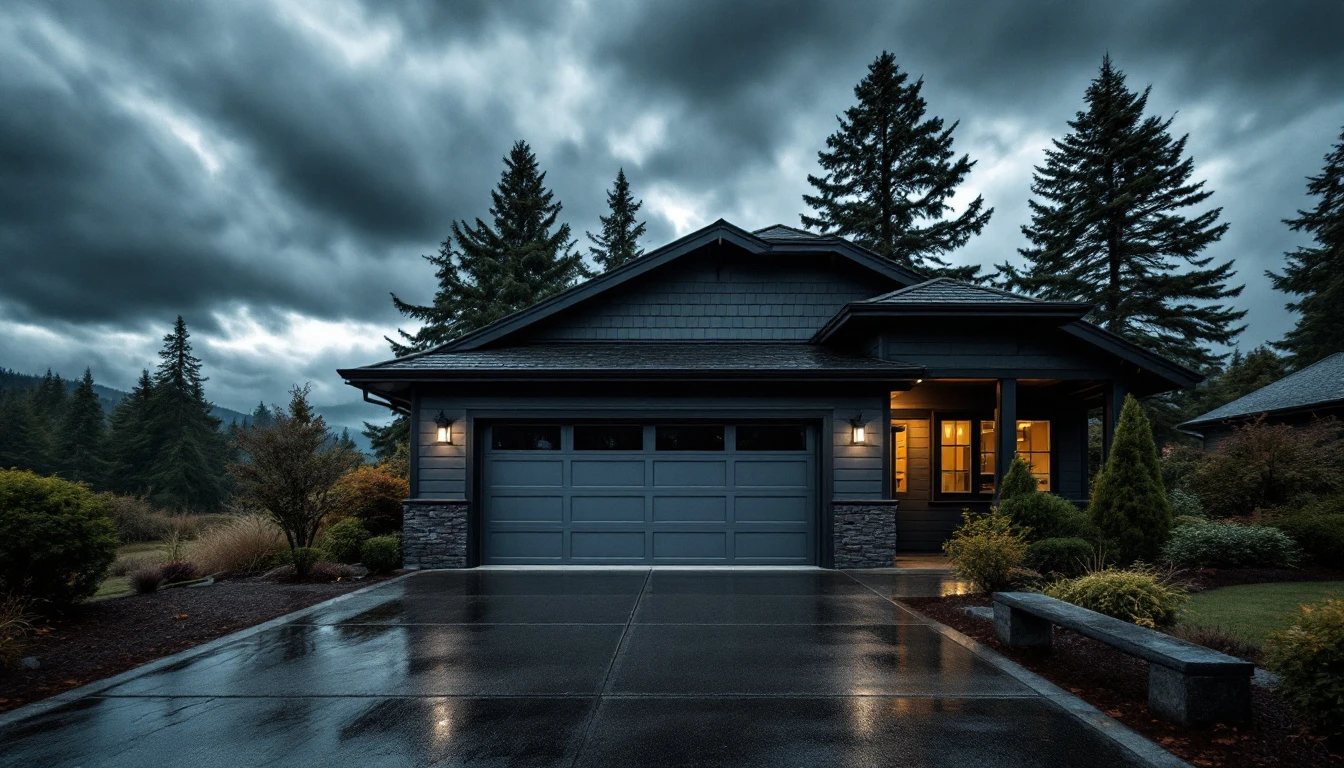
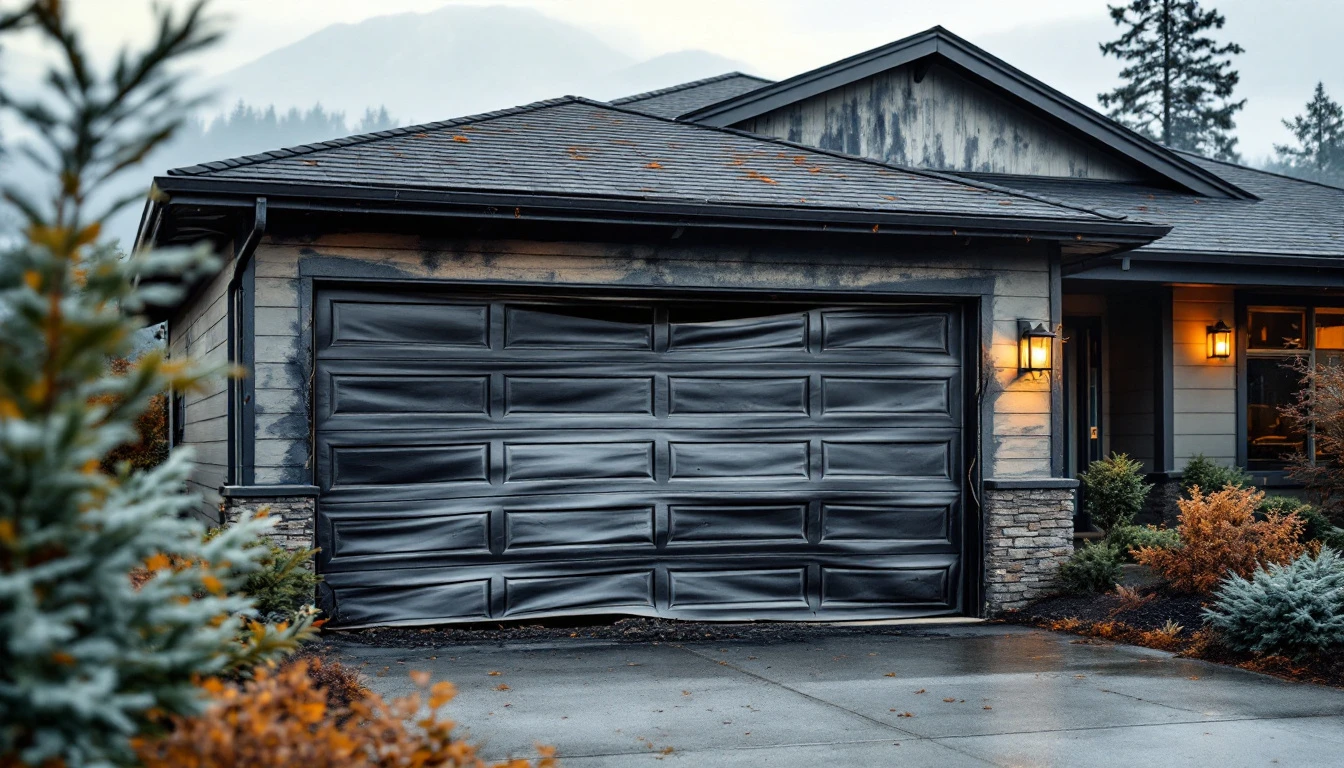
Kelso’s 40-50 inches of annual rainfall and persistent winter humidity create constant moisture exposure that speeds corrosion on garage door springs, tracks, and hardware. Effective Kelso garage door rust prevention starts with understanding how this region’s unique climate transforms metal components into corrosion hotspots faster than in drier climates.
Cowlitz-Columbia confluence creates persistent
Where the Cowlitz River meets the Columbia, Kelso homeowners face year-round humidity that accelerates garage door corrosion. This confluence creates a moisture-saturated microclimate unlike drier inland areas.
The region receives 40-50 inches of annual rainfall—60% above the national average. This persistent precipitation saturates the air even during summer months, creating ideal conditions for rust formation on metal garage door components, tracks, springs, and hardware. The constant moisture exposure shortens component lifespan without proper protection.
Flood-prone geography compounds moisture exposure
The Cowlitz and Columbia River confluence creates a unique challenge for Kelso homeowners. When spring snowmelt combines with heavy rainfall, flood-prone areas near the Toutle and Cowlitz Rivers experience prolonged saturation that keeps garage structures perpetually damp. This geography traps moisture around foundations and lower door panels long after floodwaters recede.
Spring brings the year’s highest humidity levels before summer’s brief dry period arrives. This seasonal moisture peak accelerates corrosion on metal components that spent winter exposed to constant rainfall, making early spring the critical inspection window for catching rust before it spreads.
Spring Inspection Protocol for Kelso Garage Door Rust Prevention
April represents your most critical inspection window in Kelso. Why this timing? Winter’s persistent moisture has settled into every crevice of your garage door system, but you still have access before summer projects fill your garage. This seasonal checkpoint catches rust damage while it’s still manageable.
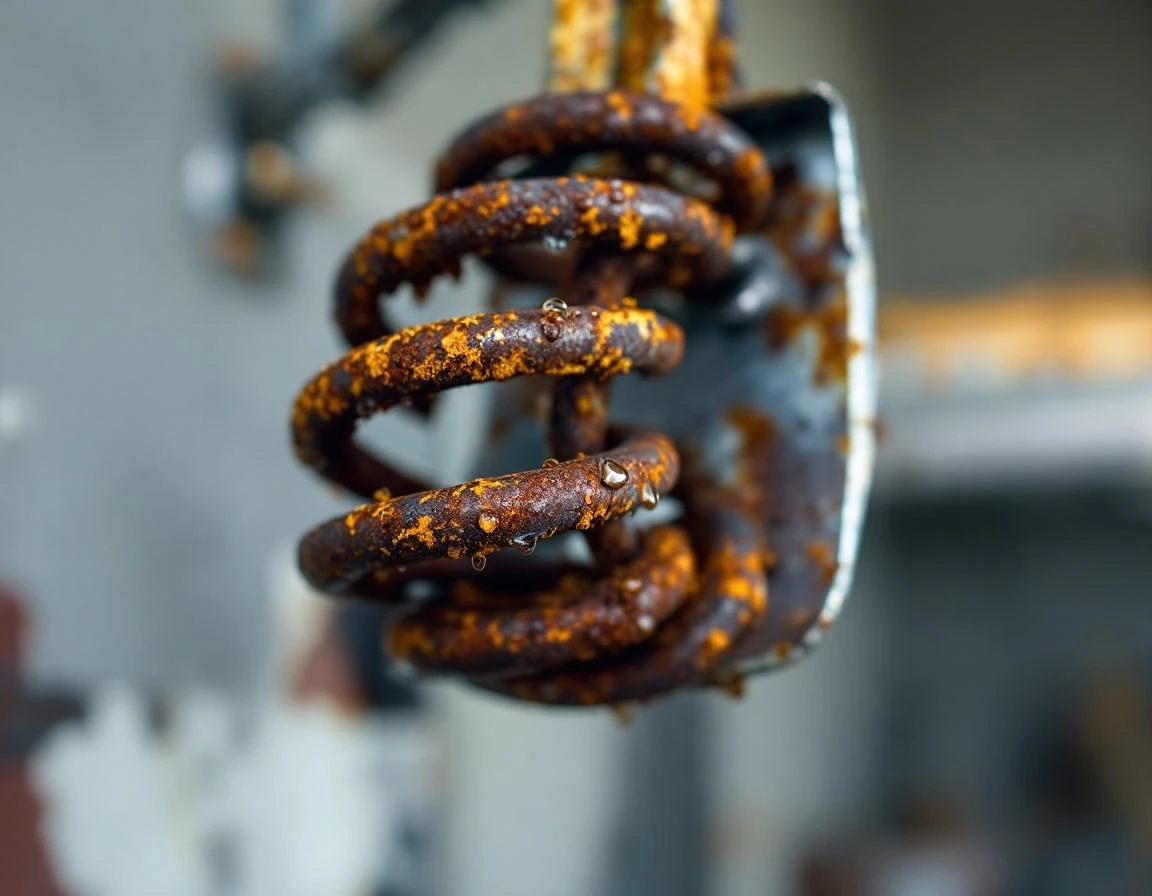
Start with your torsion springs mounted above the door. Look for the following rust indicators:
- Surface rust (light orange dusting)
- Pitting (small craters in the metal)
- Discoloration (dark patches indicating deeper oxidation)
Surface rust wipes off and poses minimal concern. Pitting means moisture has penetrated the coating. Dark discoloration with visible metal loss signals structural compromise requiring professional attention.
Move to hardware next. Examine every bolt, bracket, and hinge for orange or brown corrosion. Pay special attention to panel seams and edges where water collects—these spots trap moisture from Kelso’s 40-50 inches of annual rain. Check the bottom panel seal where standing water accumulates.
Test spring tension by disconnecting the opener and manually lifting the door halfway. It should stay put. A door that drifts down indicates weakened springs, often from internal rust you can’t see. rust on garage door springs Kelso homeowners often discover damage that requires professional assessment.
Document your findings with photos. This baseline lets you track progression year over year. If you discover rust-compromised springs or extensive hardware corrosion, contact Garage Harmony for a professional assessment. Springs under tension require specialized tools and expertise to replace safely.
Summer Lubrication & Sealing
June through August offers Kelso homeowners the best window for protective maintenance, even though our region’s summer humidity still exceeds what you’d find in central Oregon. The relative dryness allows lubricants to adhere properly and sealants to cure without constant moisture interference. This seasonal advantage makes summer your primary opportunity to establish rust-blocking barriers that will protect your system through fall and winter’s relentless rain.
Product selection matters. Apply the following products strategically:
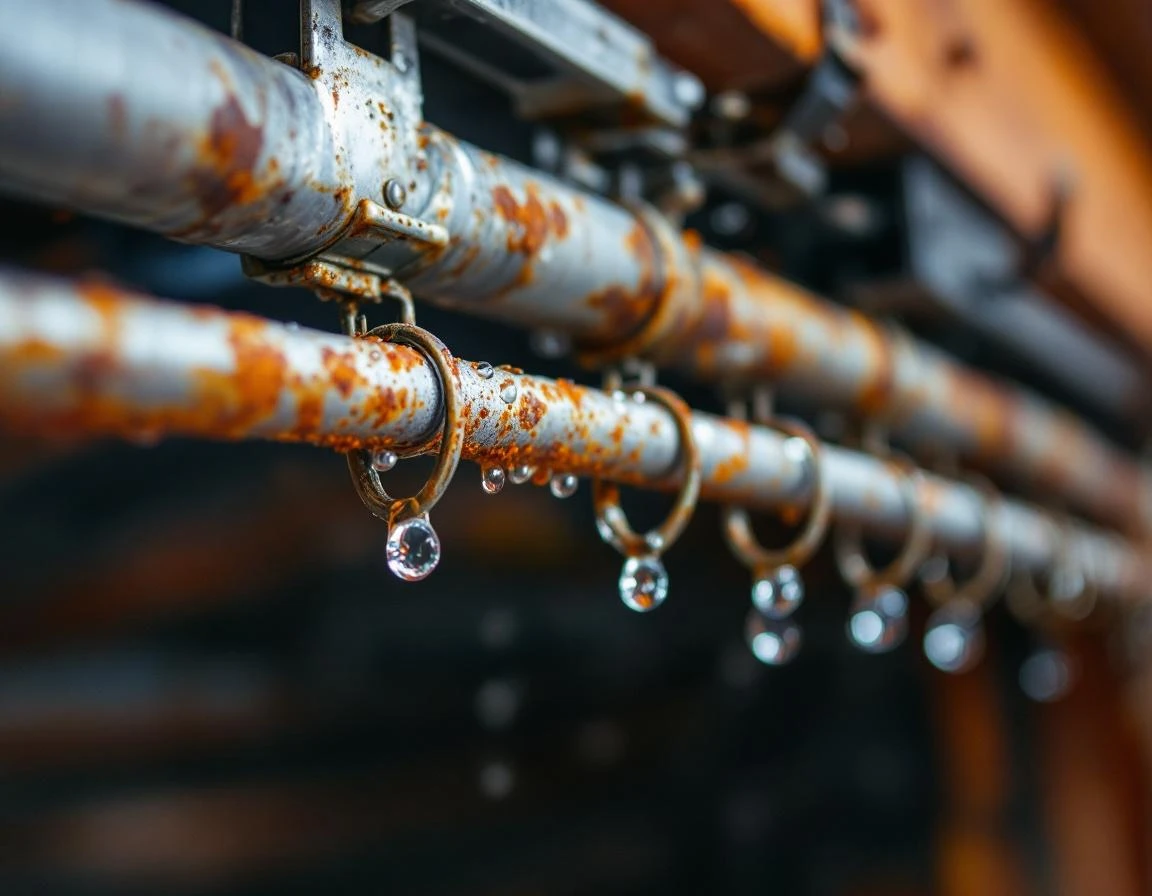
- Lightweight machine oil directly to torsion springs. Coating the full length of each coil to displace trapped moisture
- Silicone-based spray lubricant on brackets, hinges, and roller tracks—silicone repels water better than petroleum products and won’t attract dust
- Weatherproof sealant on panel seams and the bottom edge where your door meets concrete to close gaps where rain can penetrate
Application technique determines effectiveness. Spray lubricants in short bursts rather than continuous streams, allowing each application to penetrate before adding more. Wipe away excess that pools in corners—standing lubricant attracts debris. Lubrication lowers friction on bearings and creates a protective barrier against moisture. Remember that rust prevention requires continuous moisture barriers. Not annual treatments. Quarterly touch-ups maintain protective coverage as rain gradually degrades these coatings, especially during Kelso’s extended wet seasons when humidity never fully disappears.
Fall Drainage & Weatherproofing
September and October transform Kelso from summer’s mild relief into the gateway of winter moisture. With 6-8 inches of rain monthly during these months, your garage door faces an onslaught of water that will persist through spring. This is your critical window to prevent rust before the wettest season arrives.
Start by clearing leaf debris and organic material from the bottom weatherstripping and track channels. Decomposing leaves trap moisture against metal components, creating the perfect environment for corrosion to start. Remove any standing water you find pooled at the base of the door—this water sitting against springs and hardware is the primary accelerant for rust formation in high moisture areas.
Inspect your bottom weatherstripping carefully. Look for compression damage, cracks, or gaps where water can seep beneath the door. If the seal feels brittle or no longer makes full contact with the floor, replace it before November’s heavy rains begin. For flood-prone properties near the Cowlitz or Toutle Rivers, check the entire door frame and sill for water intrusion points.
Finally, verify that your garage floor slopes properly away from the door, and that pan tracks angle to drain water outward rather than pooling it inside. These simple fall tasks prevent the moisture accumulation that causes spring and hardware failures down the road.
Winter Inspection & Emergency Readiness
Between November and March, Kelso’s freeze-thaw cycles turn minor rust into structural failures. When temperatures drop below freezing overnight and warm above freezing during the day, water trapped in small corrosion pits expands as it freezes. This expansion forces the pits wider and deeper, accelerating rust damage exponentially. A hairline crack in your spring coating in October becomes a visible rust crater by February.
Schedule a five-minute visual inspection every month throughout winter, even when rain makes garage visits unpleasant. During your inspection, check for the following:
- Rust and new orange discoloration on springs
- Gaps and loose hardware
- Frayed cables
- Uneven door travel
- Grinding sounds or squeaks
- Increased binding when the door opens or closes
A basic visual check looks for rust, gaps, loose hardware, frayed cables, and uneven door travel. Test door balance by disconnecting the opener and lifting manually—it should stop smoothly at waist height.
The decision point is simple: surface rust and minor discoloration mean continue your maintenance routine. Visible pitting in spring metal, changes in spring noise, or new binding in door movement mean call Garage Harmony before complete failure.
In flood-prone areas like West Kelso near the Cowlitz River, professional spring replacement isn’t an optional upgrade—it’s flood-zone damage control.
Homeowners who catch decline during monthly winter checks avoid catastrophic spring failures and the five-plus-year lifespan loss that comes from emergency replacements installed on corroded hardware.
Cost Analysis: Maintenance vs. Emergency Repair
Let’s talk numbers. Proactive rust prevention through regular lubrication and sealing runs $80-150 annually if you handle it yourself. Or $200-300 when you bring in professionals. Over five years, that’s $750-1,500 in total preventive care.
Compare that to emergency spring replacement. A single torsion spring costs $300-600 to replace—and that’s before emergency pricing kicks in. Choosing the right garage door springs is one of the most important decisions for the performance and safety of your system. Most garage doors use a pair of springs, putting you at $600-1,200 for a complete replacement. In Kelso’s flood-prone areas near the Cowlitz-Columbia confluence, add another 30-40% to those costs when water damage accelerates corrosion or compromises your opener and frame.
Here’s the five-year scenario: scheduled maintenance costs far less than emergency repairs. That calculation assumes you catch the problem before a spring fails. If a spring snaps while the door is in use, you’re looking at higher replacement urgency, potential safety risks, and premium service rates.
The return on investment is clear. Regular maintenance extends your system’s lifespan while keeping emergency costs off your doorstep.