Riverside Humidity & Rust Risk: Kalama River Humidity Rust Prevention
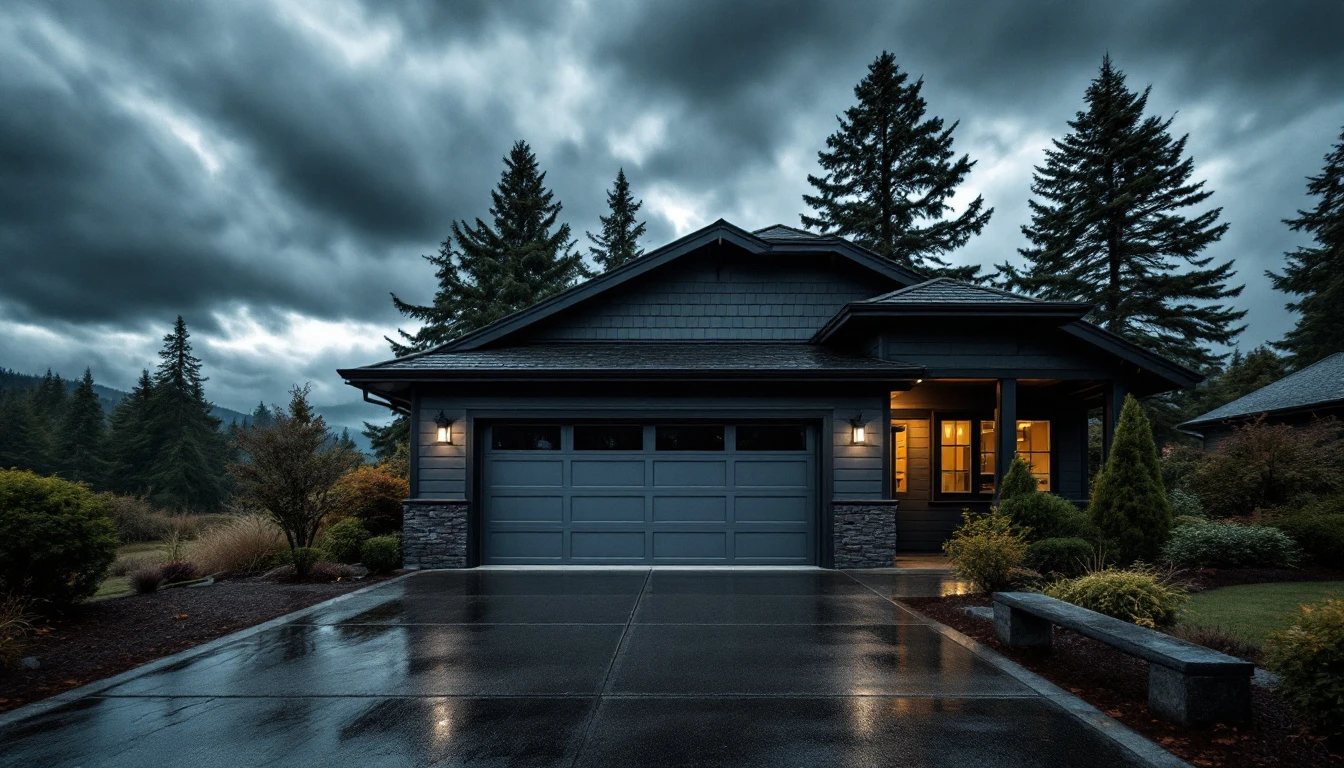
Living near the Kalama and Columbia Rivers means your garage door faces constant moisture exposure that accelerates rust and panel deterioration year-round. Effective Kalama river humidity rust prevention requires understanding how riverside conditions create rust risks that inland homeowners never face.
Kalama’s proximity to two rivers
Kalama sits between the Columbia and Kalama Rivers, creating a moisture-rich environment that constantly challenges garage doors. This double-river location traps humid air near homes, causing unprotected metal components to corrode faster than in drier inland areas.
Summer brings the worst conditions. From June through August, humidity surges accelerate rust formation on springs, hinges, and tracks while warping wooden panels and degrading weather seals. Metal components exposed to this seasonal moisture spike can develop surface rust in weeks rather than months, making early detection critical for riverside homeowners.
Early detection in May prevents costly panel replacement later in the season
Catching rust early makes all the difference for Kalama homeowners. When you inspect garage door panels in May, you can spot surface oxidation before it penetrates deep enough to require full panel replacement. Riverside properties face 40-60% faster rust development than inland homes. Making that spring inspection window critical for moisture damage garage doors Kalama.
Small rust spots detected in May can be treated with protective coatings and rust converters. Wait until July or August, and that same spot often becomes structural damage requiring expensive panel replacement. Early detection saves you hundreds of dollars and extends your garage door’s lifespan.
Moisture Detection Checklist
Before Kalama’s summer humidity surge arrives, walk through this practical detection system to catch moisture damage while it’s still manageable. Start with visual indicators, then move to tactile tests that reveal hidden problems.
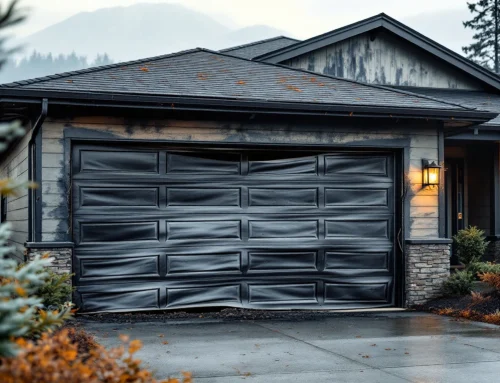
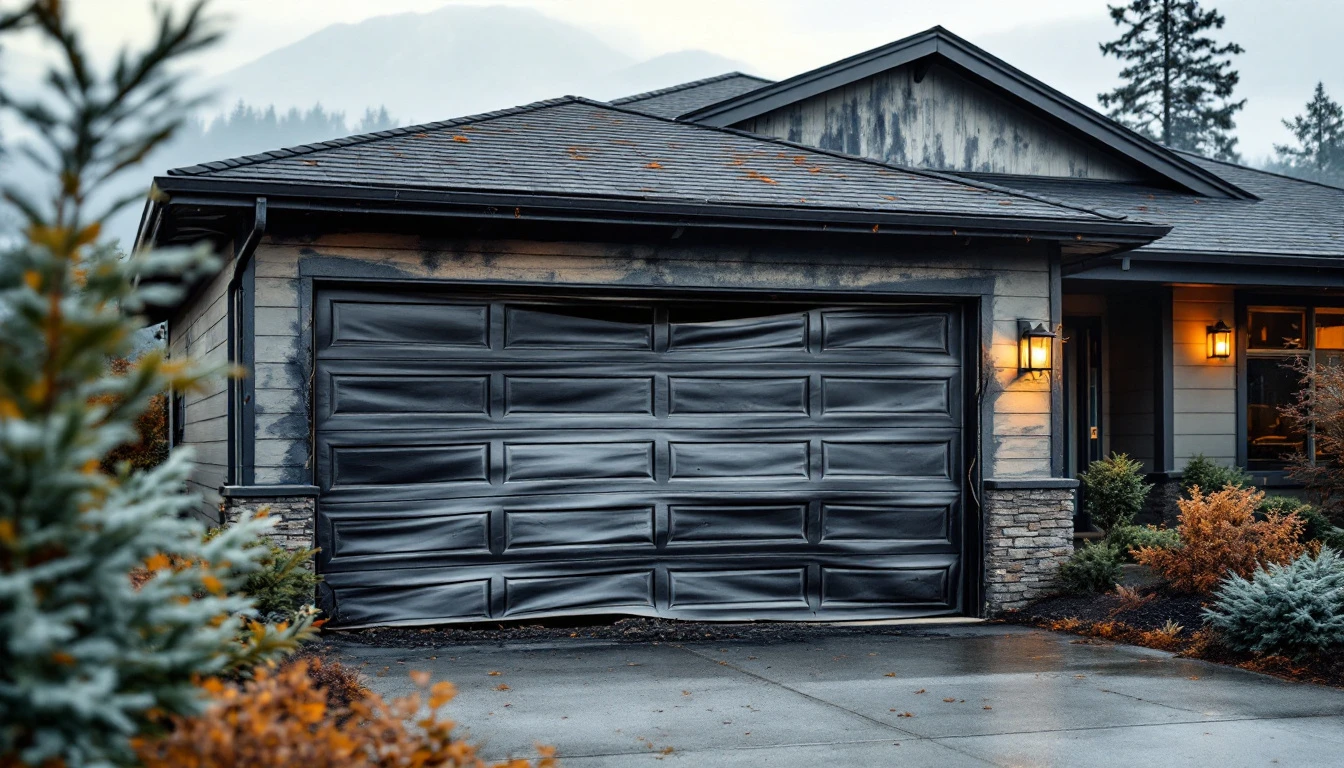
Visual inspection spots tell you where moisture has already compromised your door. Look for rust bloom—those orange-brown stains that spread across metal surfaces. Check for white corrosion powder accumulating along panel seams and hinge points. Paint bubbling signals moisture trapped beneath the surface, while panel discoloration often appears as darkened patches near the bottom sections where water pools.
The touch test reveals what your eyes might miss. Run your hand along weatherstripping—dampness here indicates seal failure. Press gently against panels near seams; soft spots mean moisture has penetrated the backing. Check the inside surface of bottom panels for coolness or dampness that suggests water intrusion.
Condensation patterns map your vulnerability zones. Water droplets forming on the inside of panels point to temperature differentials and inadequate sealing. Moisture tracks running down from the top indicate leaking weatherstripping, while puddles near the bottom reveal failed panel seals or frame gaps.
Your May checklist:
- Scan the entire door frame for cracks
- Examine each hinge for rust powder
- Inspect bottom panels where river humidity settles
- Test weatherstripping seams by pressing along their length
- Document findings with photos and notes about severity
For deeper analysis of what you discover, contact our team for a diagnostic assessment customized to riverside conditions.
Weatherstripping Upgrades
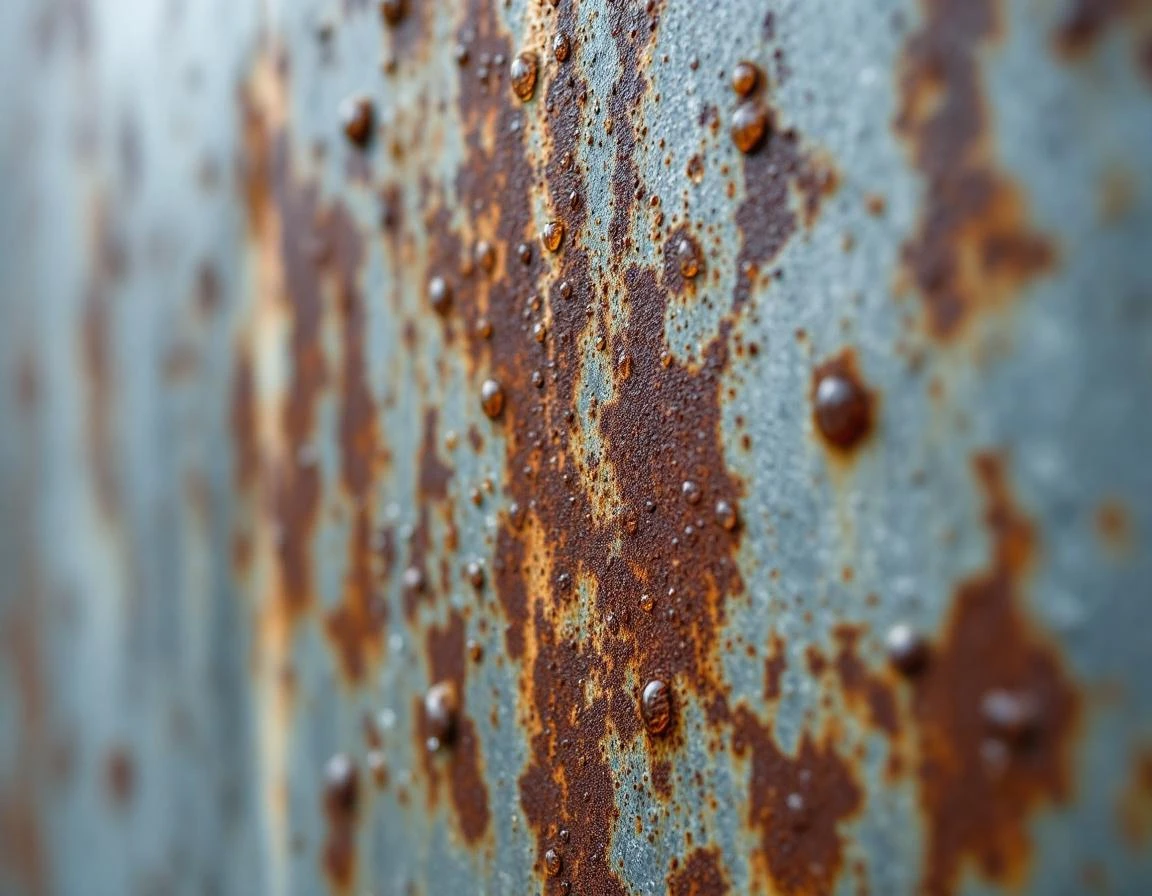
Your garage door’s weatherstripping is the first line of defense against Kalama’s riverside humidity. Standard foam weatherstripping common in most garage doors absorbs moisture like a sponge, swelling and degrading within months of exposure to Columbia River air. EPDM rubber weatherstripping resists this moisture absorption, maintaining its seal integrity through humid summers and wet winters.
Why does this matter in Kalama specifically? The persistent moisture from the Kalama and Columbia Rivers creates conditions where foam-based seals break down twice as fast as in drier climates. EPDM-based products tested in coastal and riverside environments consistently outperform foam alternatives, maintaining flexibility and compression resistance even when exposed to constant humidity. Riverside property rust protection weatherstripping upgrades make the difference between a door that fails in two years and one that lasts a decade.
Upgrade Priority Sequence
- Start with your bottom seal— water intrusion happens most frequently. The bottom weatherstripping contacts your garage floor directly, creating the most vulnerable entry point for moisture. Replace this first with an EPDM bulb seal or T-style bottom seal designed for humid climates. You’ll find quality materials readily available at your local home improvement store, with options to fit any garage door width.
- Next, address side and top seals. Many homeowners overlook these, but gaps along the vertical tracks and header allow humid air to circulate inside your garage, creating condensation on metal components overnight. Quality EPDM side seals and top seals are essential investments that protect your garage environment from moisture damage.
- May installation gives new weatherstripping time to compress and conform to your door’s profile before June’s humidity surge arrives. Fresh seals need 2-3 weeks to properly set. For detailed installation steps, check out our weatherstripping replacement guide.
Protective Coatings for Panels
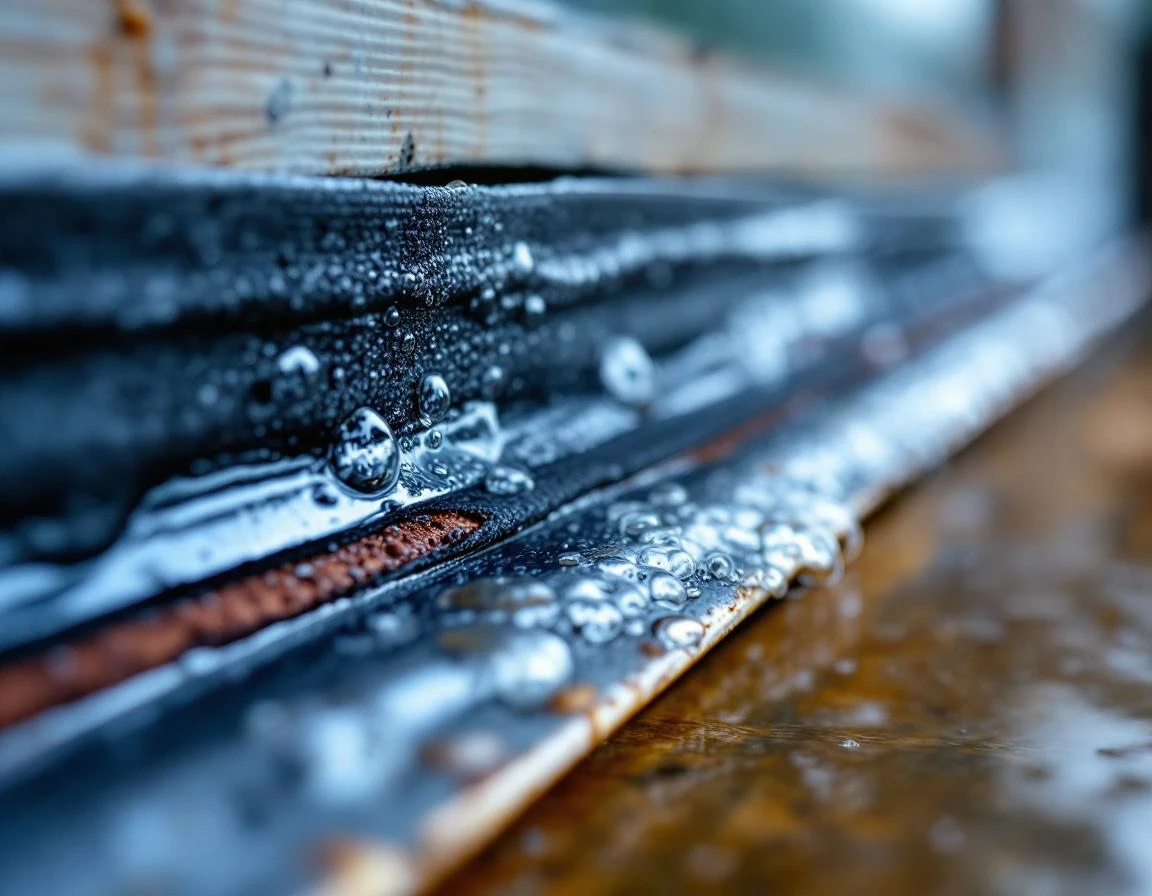
Standard garage door paint fails quickly in Kalama’s riverside environment because it wasn’t designed for constant moisture exposure. Marine-grade and industrial coatings create a waterproof barrier that blocks humidity before it reaches the metal, preventing the oxidation that leads to rust bloom and panel failure. Protective coatings for riverside rust damage stop deterioration before it starts.
The most effective protection follows a two-stage process: apply a rust converter like Rust-Oleum Rust Reformer to any existing corrosion, then follow with a protective topcoat. For riverside properties, Rust-Oleum Marine Topside Paint ($40-50 per quart) handles salt-laden air and persistent moisture better than standard garage door coatings. Sherwin-Williams Pro Industrial DTM Acrylic ($60-70 per gallon) offers another proven option designed for humid industrial environments.
May represents the ideal application window—panels are dry from spring weather, and coatings cure completely before June humidity arrives. This timing matters because protective coatings need 7-10 days to reach full moisture resistance. Applied correctly, these coatings extend panel life 5-10 years even in high-humidity locations near the Columbia and Kalama Rivers.
For seasonal maintenance. Professional application often proves worth the investment. Proper surface preparation—removing all rust, degreasing, and priming—determines coating performance. Skip these steps, and even marine-grade products fail within two years. Contact Garage Harmony to discuss coating options matched to your property’s specific moisture exposure.
Maintenance Schedule & Next Steps
Start your May action plan with a complete inspection using the moisture detection checklist from earlier sections. Once you’ve identified problem areas, prioritize sealing gaps, upgrading weatherstripping, and applying protective coatings before summer humidity arrives. The May-August period demands heightened vigilance because riverside moisture accelerates rust formation during these warm, humid months when your garage holds more water vapor.
Create a monthly monitoring routine for June through August. Walk through your garage on the first of each month, checking bottom seals for water marks, examining hinges for new rust spots. And running your hand along panel edges to detect moisture. Catching new damage early prevents small rust patches from spreading across entire panels. Humidity control Clark County garages requires this consistent attention during peak season.
Professional inspection every 12 months is recommended for Kalama riverside homes. Schedule annual check-ups in April or early May, before humidity peaks. Simple tasks like weatherstripping replacement and rust treatment work well as DIY projects, while structural repairs or spring replacements require professional expertise. Document all maintenance work and upgrades with photos and receipts—this record protects warranties and adds value when selling your home.
Year-round maintenance keeps riverside garages functioning reliably through all seasons. Contact us today for professional inspection and service.