River Town Humidity and Spring
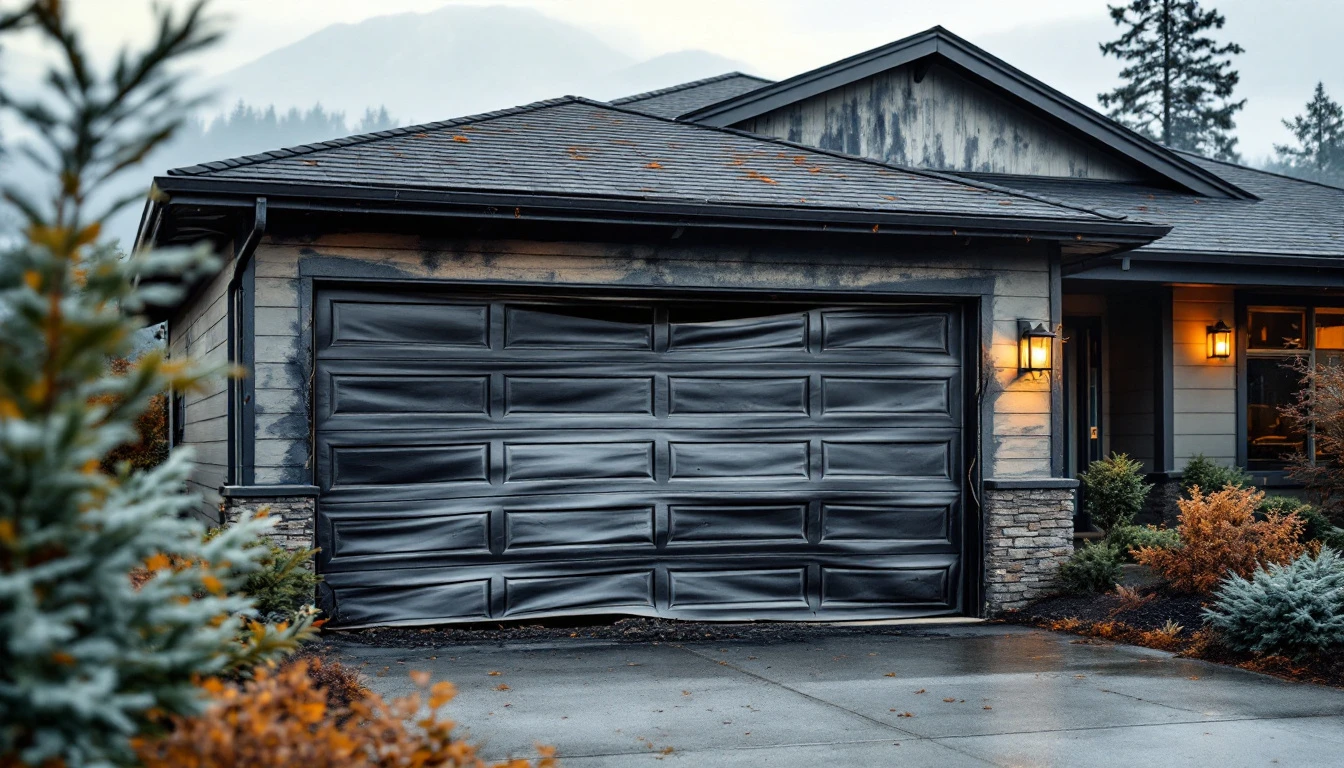
Kalama sits at the confluence of two powerful water systems—the Kalama River flowing down from the mountains and the mighty Columbia River just blocks away. This geography creates something homeowners notice immediately: persistent moisture that hangs in the air even during summer months. Your garage feels it too. Understanding Kalama garage door rust humidity issues is essential, as this region’s unique position between two rivers accelerates corrosion on metal hardware faster than inland areas.
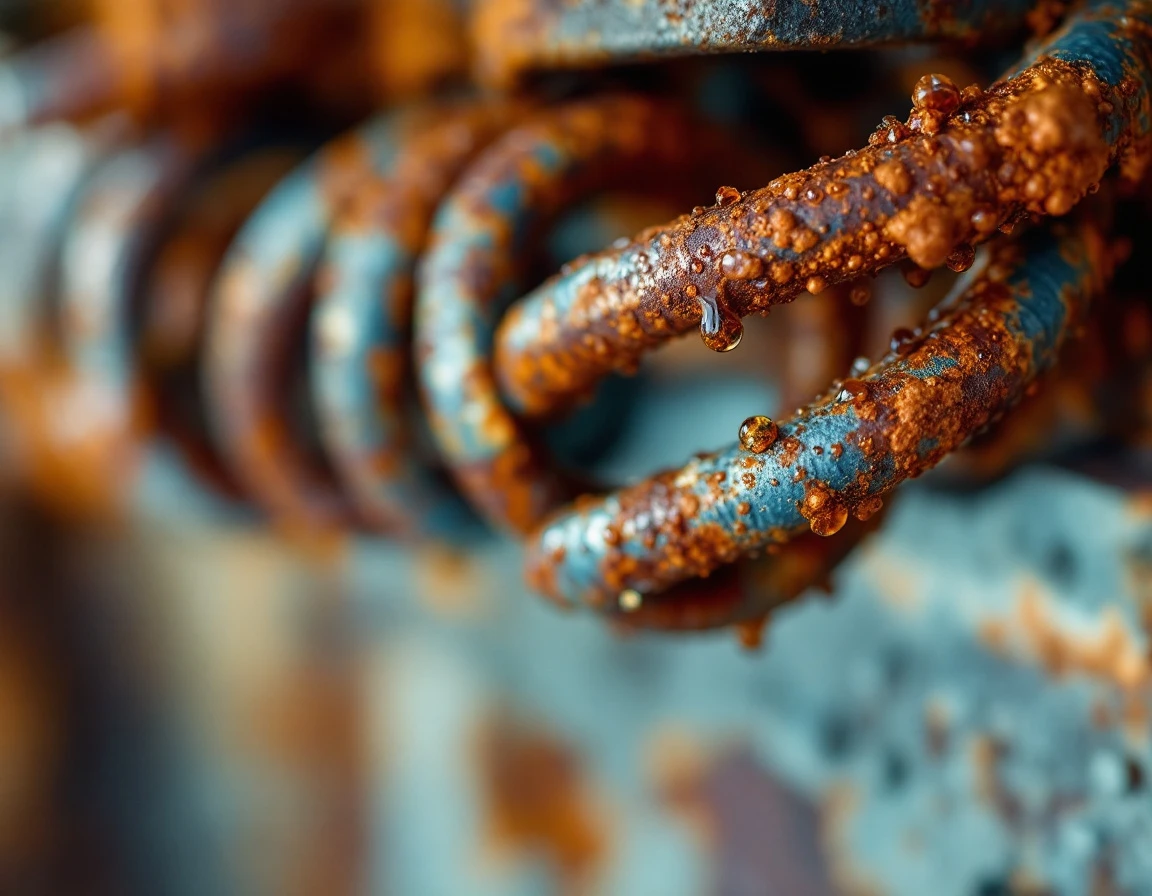
That dampness isn’t just uncomfortable. It’s actively attacking your garage door hardware. Spring steel and metal components corrode three to five times faster in high-humidity river environments compared to inland areas just a few miles east. The constant moisture cycle—wet mornings, humid afternoons, condensation overnight—never gives metal surfaces a chance to fully dry.
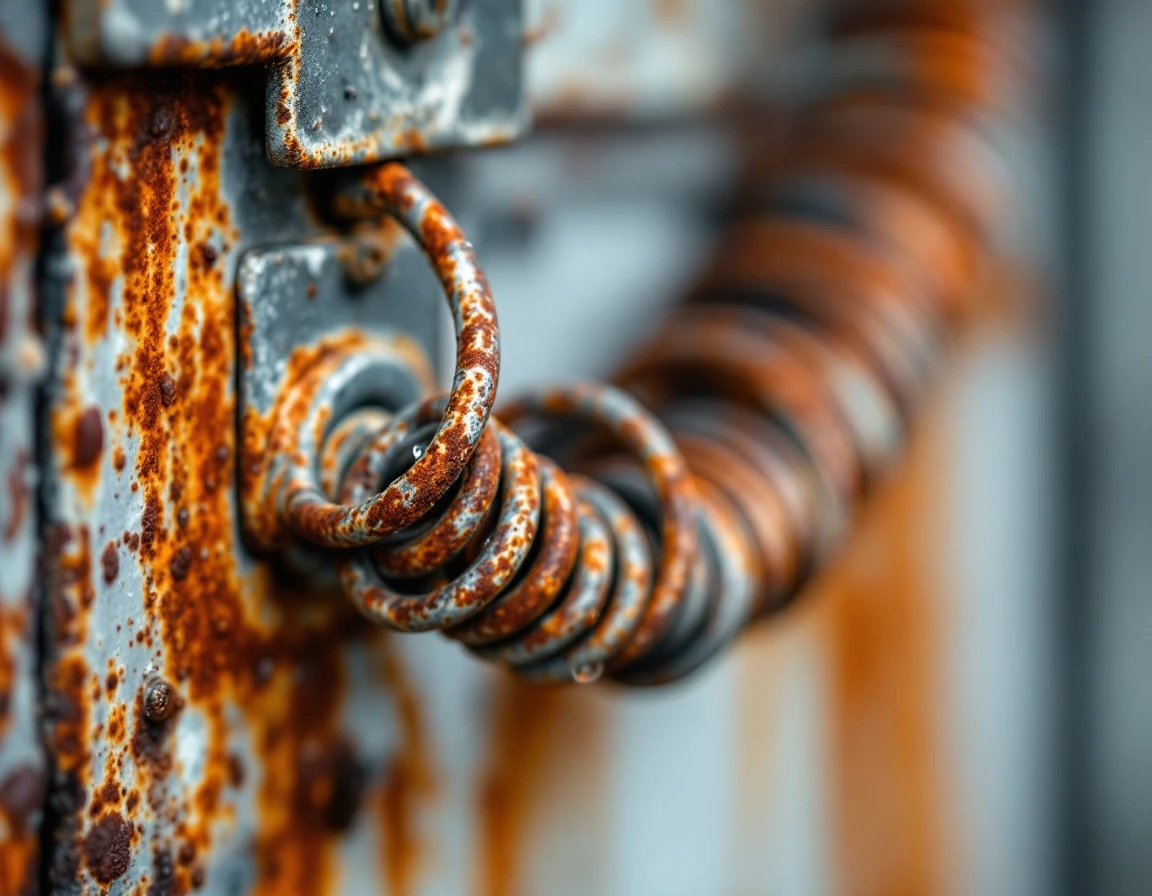
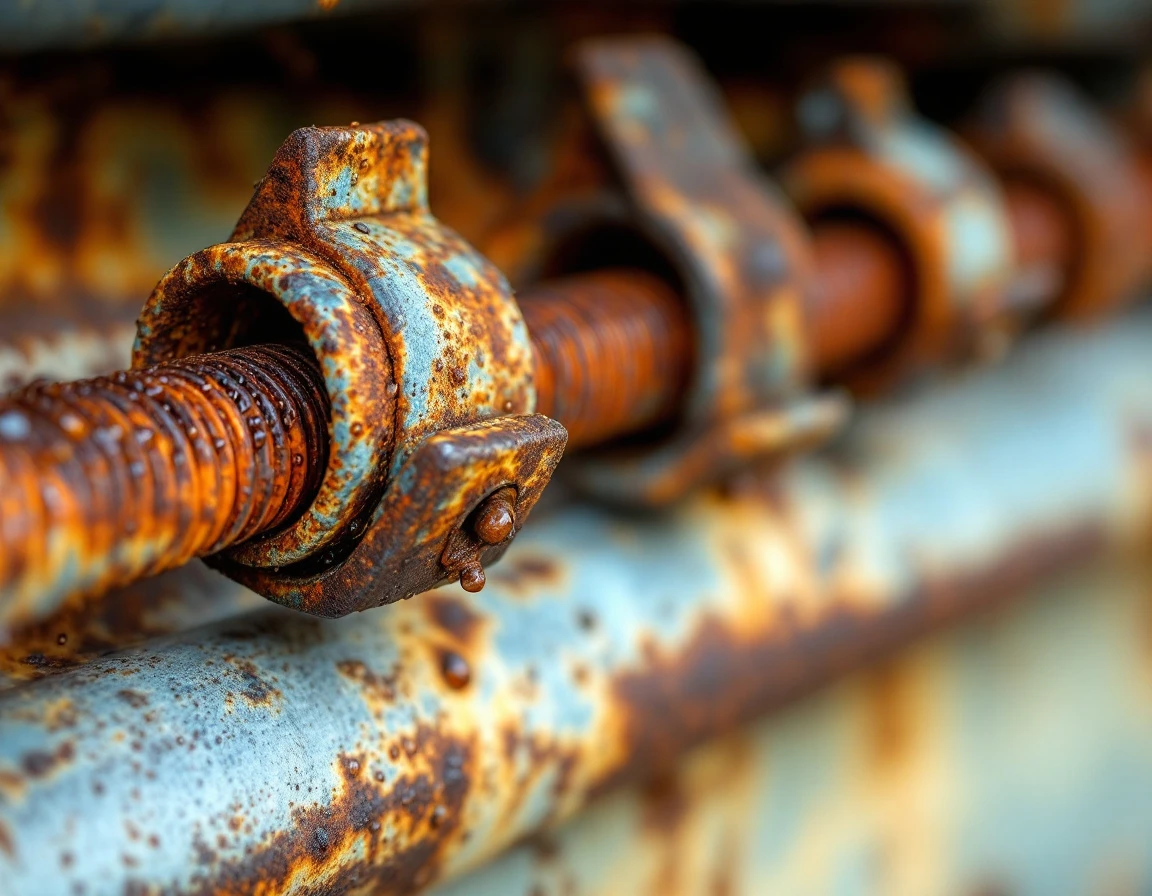
Watch for the warning signs: rust spots appearing on springs, sluggish door operation when you press the opener, or a grinding sound during movement. These symptoms signal early-stage corrosion that requires immediate attention. Standard maintenance schedules designed for drier climates simply don’t account for the accelerated wear patterns river-town homeowners face daily.
Three Core Moisture-Control Strategies for Garage Door Corrosion Kalama River Humidity
Protecting your garage door hardware from Kalama’s persistent humidity requires a three-part approach that targets moisture at its source, shields vulnerable components, and catches problems before they escalate. These strategies work together to create a defense system suited to the high humidity garage door maintenance Kalama homeowners need daily.
Strategy 1: Enhanced Ventilation and Dehumidification
Most Kalama garages trap humid air that condenses on metal surfaces overnight. Installing passive ventilation—ridge vents, soffit vents, or louvered panels—allows moisture-laden air to escape naturally. For attached garages, a small dehumidifier rated for 1,500-2,000 square feet prevents the humidity levels that accelerate rust formation on metal surfaces.
Position your dehumidifier near the garage door itself, where condensation tends to concentrate. Empty the collection tray weekly during peak humidity months (November through March). This simple addition prevents the daily moisture cycling that degrades springs and cables faster than occasional heavy rain.
Strategy 2: Preventive Hardware Coating and Spring Protection
Apply a thin coat of lithium-based grease to torsion springs, cables, and roller bearings every four months. Unlike standard lubricants, lithium grease creates a moisture barrier that sheds water droplets before they reach bare metal. Pay special attention to spring coils where rust typically begins.
For additional protection, spray exposed hardware with a marine-grade corrosion inhibitor like Boeshield T-9 or Fluid Film. These products, originally designed for boats in saltwater environments, provide exceptional defense against the persistent humidity common in river towns. Reapply after pressure washing or heavy rain events. The investment runs about thirty dollars annually—far less than replacing corroded springs.
Strategy 3: Seasonal Inspection and Maintenance Timing
Schedule your primary garage door inspection for late September, just before fall rains begin saturating the area. This timing allows you to identify and address any rust spots or lubrication needs before winter moisture accelerates corrosion. Conduct a secondary check in early June after spring’s wet season ends.
During each inspection, look for rust-colored staining on springs, frayed cable strands, and grinding sounds during operation. Catching these warning signs early—before a spring snaps or cable frays—prevents emergency repairs and extends hardware life well beyond standard expectations. Many Kalama homeowners find that combining these three strategies delays the typical spring replacement cycle from five years to ten or more.
Ventilation and Dehumidification Setup
Installing an exhaust fan in your Kalama garage creates active air circulation that reduces interior humidity and slows corrosion on springs and hardware by removing moisture before it condenses on metal components. Position the fan opposite your main door opening to create cross-ventilation that pulls damp air out of the space efficiently.
Weatherstripping around your garage door frame prevents humid outdoor air from seeping inside during summer months. Check this seal monthly from June through August when Kalama River humidity peaks, replacing worn sections immediately. Clean your gutters twice yearly to prevent water pooling near door frames, which creates the damp conditions rust loves.
Budget for exhaust fan installation and weatherstripping materials as a prevention investment that protects you from emergency spring replacement costs, making it one of the most cost-effective maintenance steps Kalama homeowners can take.
Coating and Hardware Protection
Protective coatings create a moisture barrier between Kalama’s humid air and your garage door’s metal components. Apply corrosion-resistant coatings to springs, pulleys, and hinges in June—before peak summer humidity—to slow rust development. These products form a protective film that prevents moisture penetration, extending hardware life beyond standard replacement cycles.
Start with safety: garage door springs remain under tension even when the door is closed. Never attempt to remove or adjust springs yourself. Instead, clean accessible hardware with a degreaser, then apply rust-inhibiting spray or silicone-based lubricant to visible metal surfaces. Work carefully around moving parts, following manufacturer instructions for proper ventilation and drying time.
Budget $50-$200 annually for protective products. Application takes 1-2 hours each June. Homeowner-friendly options include:
- Silicone spray lubricants for regular maintenance
- Specialized rust converters for treating early corrosion spots
- Stainless steel hardware upgrades on critical components for complete protection in river-town environments…”
Inspection Checklist and Warning Signs
A monthly inspection during Kalama’s high-humidity season—June through September, when moisture from the Columbia and Kalama Rivers peaks—takes just five to ten minutes and helps you catch rust prevention garage doors Clark County standards recommend before corrosion requires expensive emergency repairs.
Start by examining your springs for early rust indicators: look for surface discoloration that appears as orange or brown spots, pitting that creates small divots in the metal, or white powder deposits indicating corrosion beneath the coating. Check if your springs compress and extend smoothly or show movement resistance.
Next, inspect all hinges, rollers, and brackets for similar discoloration or pitting. Open and close your door manually—if hardware sticks or catches, moisture has likely penetrated moving parts. Surface discoloration means you’ve caught rust early; you can clean and apply protective coating. Pitting or movement resistance signals deeper corrosion that needs professional assessment.
When should you call Garage Harmony? If you notice widespread pitting across multiple components, hear grinding sounds during operation, or see visible gaps in spring coils, schedule an inspection immediately. Early detection during these monthly checks means spending time on cleaning and coating rather than facing replacement costs. Print this checklist and keep it in your garage—prevention starts with consistent monitoring.
Professional Help and Cost Comparison
Understanding when to handle maintenance yourself versus calling in a professional protects both your budget and your garage door system. Monthly inspections, lubricant application, and basic weatherstripping replacement fall squarely in the DIY category for most Kalama homeowners. However, once you spot visible pitting on springs, notice increased resistance during operation, or need hardware replacement, it’s time to contact the professionals at Garage Harmony. Moisture damage garage door springs Kalama situations require expert assessment to prevent further deterioration.
The cost comparison speaks for itself: spring replacement represents a major expense, while annual preventive maintenance costs much less. For homeowners in severe climate zones near the Columbia River, professional coating services provide deeper rust protection that extends hardware life. By implementing the rust and humidity prevention strategies outlined above, you can extend the lifespan of your spring and hardware, making preventive care a sound investment that pays for itself many times over.
Need professional assistance with your garage door system? Contact us today to schedule an inspection or discuss protective coating options suited to Kalama’s river-adjacent environment.