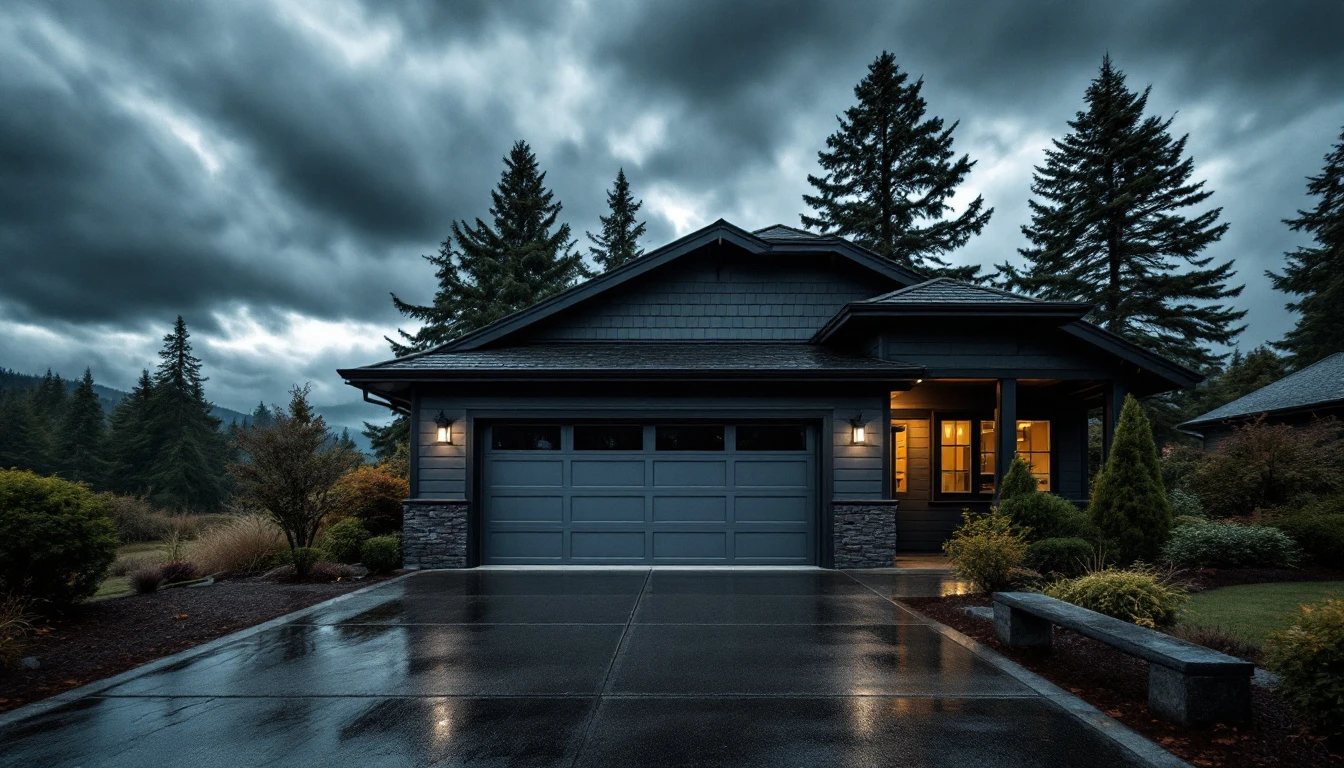
Why 1980s-1990s Garages Are Vulnerable to Heat Damage in Tigard
If your Tigard home was built between 1980 and 1999, your garage faces specific heat damage garage doors risks that newer construction avoids. Wood and composite panel doors from this era absorb and retain extreme heat differently than modern insulated steel doors, creating uneven thermal expansion that leads to warping and binding.
Portland’s documented heat waves—with temperatures exceeding 100°F—create thermal stress that mid-century construction materials simply couldn’t handle. Your garage door opener’s electronics were engineered for 80°F operation, not the sustained 95°F+ temperatures inside closed garages during heat events.
Bull Mountain and Summerlake neighborhoods share this identical vulnerability because they were developed during this same period using the same construction methods and materials. When heat waves hit, these garages experience panel warping, track misalignment, and opener failure at higher rates than homes built before or after this window.
Three Heat-Damage Failure Points
Tigard’s 1980s-1990s garage doors face three distinct failure mechanisms when temperatures climb above 95°F, each demanding immediate attention to prevent expensive breakdowns.
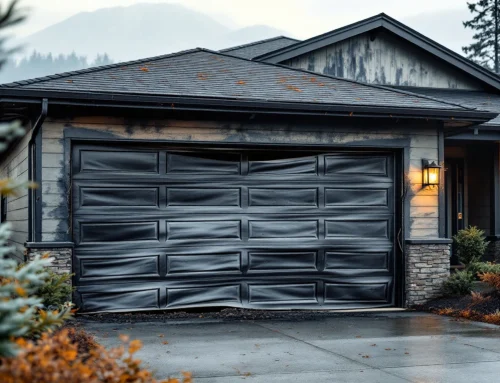
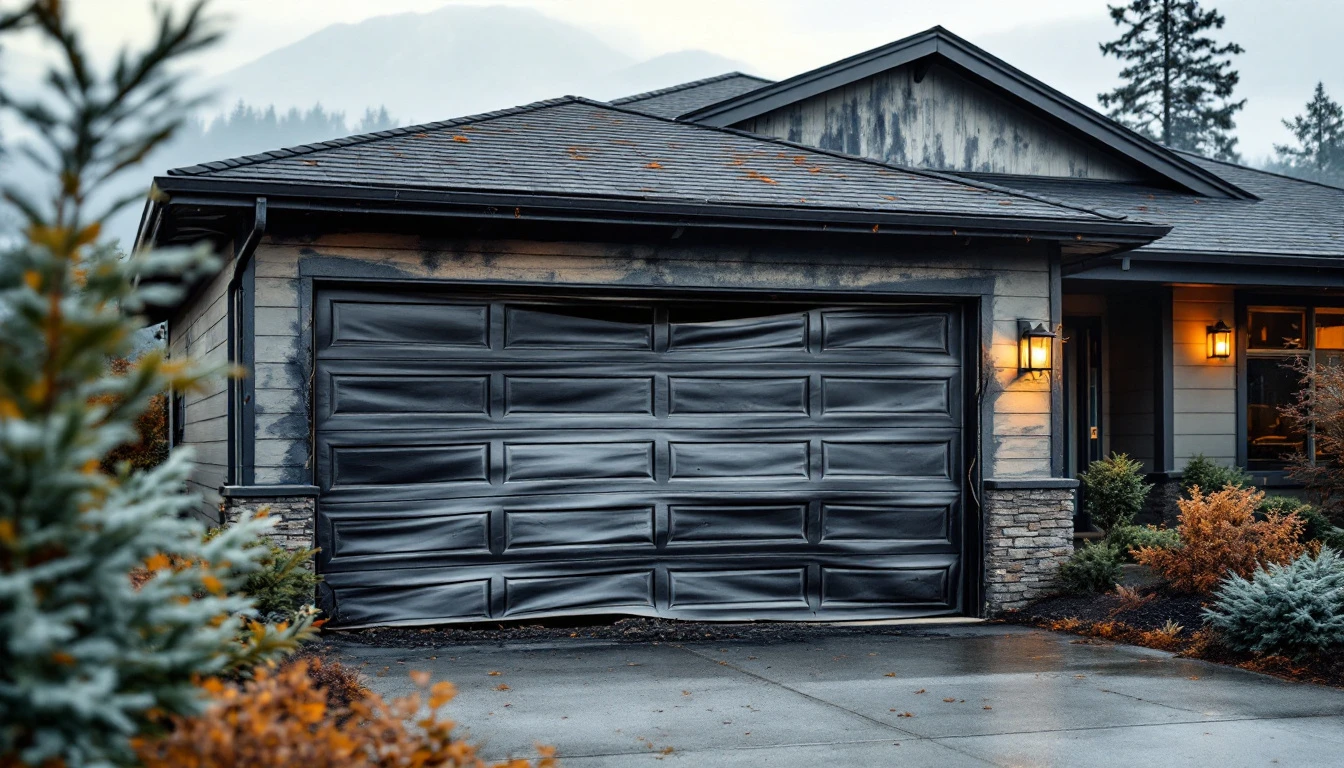
- Wooden door panel warping occurs when thermal stress causes panels to bow along their grain lines, preventing smooth operation. Bull Mountain homes with wood composite doors see panels expand unevenly, binding in the tracks and forcing motors to work harder. Warning signs include scraping sounds during operation and visible bowing when you stand back and look at the closed door. Wooden garage door warping heat is a common problem in high-temperature environments. Professional panel replacement runs $1,200-$2,000 per affected section.
- Opener motor overload happens when electronics designed for 70-80°F operation overheat in garage spaces reaching 110°F during heat waves. Summerlake homeowners report clicking sounds as thermal relays trip, or complete failure when motors lose torque. Watch for slower opening speeds or doors that reverse unexpectedly. Motor replacement costs $800-$1,500 including labor.
- Weather seal and hinge failure strikes when composite materials become brittle under sustained heat exposure. Cracked seals allow hot air infiltration, while deteriorated hinges create safety hazards. Repair costs run $400-$800.
The contrast is stark: prevention tasks cost $50-$150 total. Emergency repairs during peak summer? $2,000-$5,000.
That’s why acting before heat waves arrive matters.
Four Prevention Strategies Before 95°F
Before Portland’s summer heat waves arrive, Tigard homeowners can complete four targeted maintenance tasks in a single afternoon. These strategies address the three failure points from the previous section, protecting your garage door system from thermal stress damage that leads to expensive emergency repairs.
- Strategy 1: Shade and Airflow. Install temporary shade structures on south-facing garage doors to reduce direct sun exposure. DIY option: Mount reflective tarps or shade cloth panels above the door using existing fascia ($30-$50, 45 minutes). Professional option: Install retractable awnings with ventilation gaps ($200-$300, 2 hours). Protecting your garage door from direct sunlight can prevent warped garage doors in 100 degree heat by reducing thermal stress. This prevents the panel warping described earlier by keeping door surface temperatures 15-20°F cooler.
- Strategy 2: Opener Thermal Protection. Clean opener motor vents with compressed air, test temperature sensors with a multimeter (normal reading: 10k ohms at 77°F), and reapply thermal paste to motor connections ($15-$25 DIY, 30 minutes; $100-$150 professional). This addresses the garage door opener summer heat protection needed during peak temperature months.
- Strategy 3: Door Panel Inspection. Check for early warping signs by measuring panel gaps (should be consistent 1/8-inch spacing), tighten loose hinges with a socket wrench, and inspect weather seals for brittleness cracks ($20-$30 DIY, 45 minutes; $80-$120 professional). Replace cracked seals before heat accelerates degradation.
- Strategy 4: Lubrication and Balance. Apply synthetic high-temperature lubricant to rollers, hinges, and tracks, then test door balance by disconnecting the opener and lifting manually (door should stay put when released halfway up). Proper lubrication reduces motor strain by 40% during high-temperature operation ($15-$25 DIY, 30 minutes; $75-$100 professional).
Completion Checklist: Mark each task as finished, noting any components needing professional attention. Total investment: 2-4 hours and $80-$150 DIY, or $455-$670 professional.
Complete by June 15 before peak heat waves arrive in Bull Mountain and Summerlake neighborhoods.
Warning Signs Requiring Professional Intervention
Certain symptoms signal immediate danger that DIY repairs cannot address. Clicking or grinding sounds from your opener indicate motor overload—a condition that can burn out the entire unit within days during heat waves. Call for same-day service to prevent complete failure.
If you notice visible bowing or separation in door panels. Especially on Bull Mountain or Summerlake wood composite doors, this structural compromise demands immediate assessment. The door could collapse unexpectedly, creating serious safety hazards.
Does your opener remote stop working during hot afternoons? This thermal sensor failure pattern means electronics are overheating beyond safe operating limits. Extreme heat garage maintenance prevents malfunctions and costly repairs during peak summer months. Any opener failure during peak heat hours requires emergency service—a stuck door in extreme temperatures creates entrapment risks and property vulnerability.
Contact Garage Harmony today for expert assessment of these critical warning signs in your Tigard garage system.