Eola-Amity Hills Fog & Rust Risk: Garage Rust Prevention in Amity, Oregon
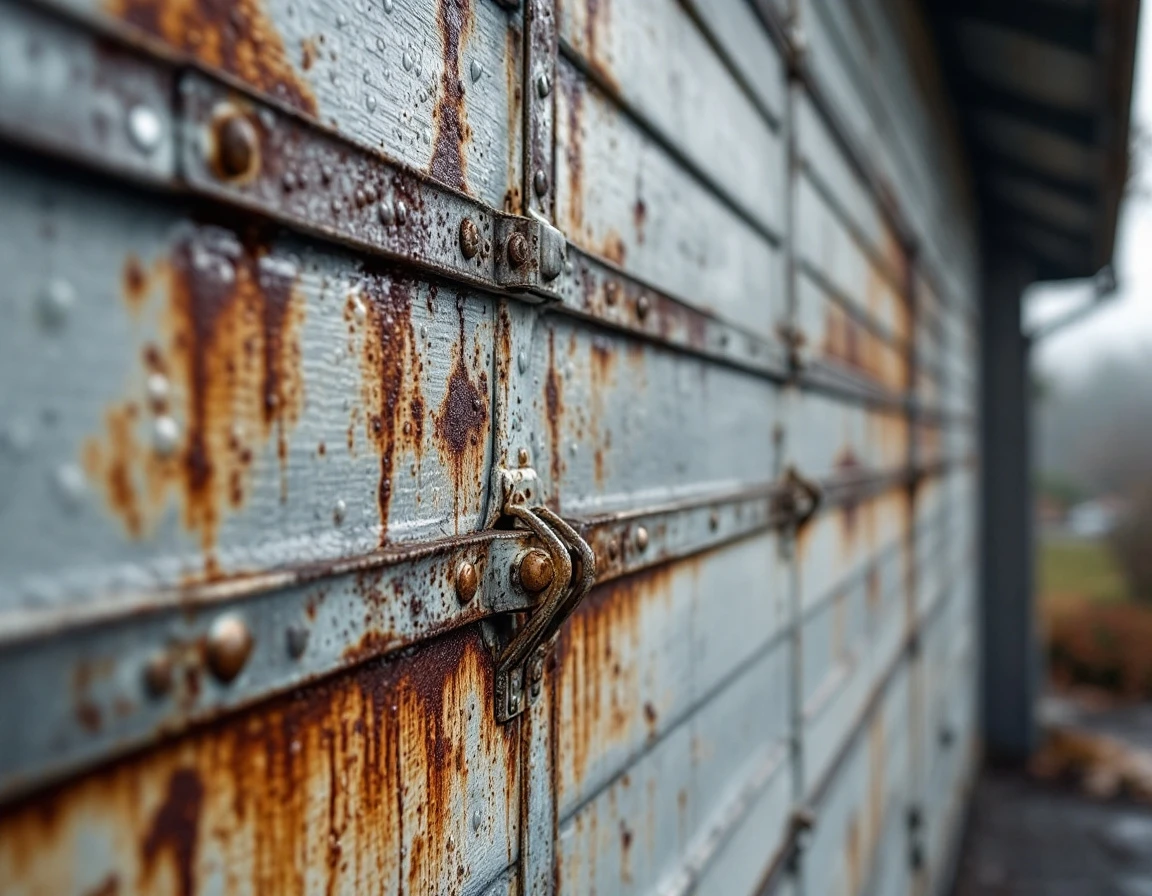
If you live in Amity, you’ve likely noticed the thick valley fog that settles in during late fall and winter. This isn’t just a scenic quirk of wine country—it’s a serious threat to your garage door hardware. From November through February, persistent moisture hangs in the air, clinging to metal springs, hinges, and track components. Garage rust prevention in Amity, Oregon requires understanding how the region’s unique climate accelerates corrosion. Unlike brief morning dew, this fog lingers for hours or even days, creating the perfect conditions for rust to take hold on unprotected metal.
The Eola-Amity Hills AVA sits at an elevation where cooler nights meet warm valley air, producing a unique microclimate. The fog here carries mineral-rich moisture from surrounding vineyard soils and agricultural land. This combination—prolonged dampness plus mineral content—accelerates corrosion much faster than what you’d experience in Portland or lowland Oregon. Your garage door springs, which are under constant tension, are especially vulnerable. Once rust begins compromising these components, you’re looking at premature failure and replacement costs that can easily exceed two thousand dollars.
A few simple protective measures applied before November can stop this damage before it starts.
Three Core Protection Measures for Wine Country Garage Rust Prevention
Before November fog settles into the Eola-Amity Hills, you can protect your garage door hardware with three simple prevention tasks that require no special skills or expensive tools. Each measure tackles a specific rust mechanism, and together they form a complete defense system that protects your investment through the wettest months.
Moisture Barrier Application
Silicone-based lubricants create a water-repelling shield on springs, hinges, rollers, and track hardware. Unlike oil-based products that attract dust and break down in moisture, silicone spray bonds to metal surfaces and blocks water contact completely. Apply a thin coating to all moving parts, focusing on springs where tension creates microscopic metal fatigue points that trap moisture. Wipe away excess with a clean cloth to prevent drips. This 15-minute task stops fog condensation from reaching bare metal, eliminating the primary rust trigger. When springs fail prematurely due to corrosion, replacement costs range from several hundred dollars for standard residential doors to over a thousand for custom installations—an expense you avoid by performing this inexpensive preventive maintenance with silicone spray.
Airflow Optimization
Proper ventilation prevents the stagnant, humid air that accelerates corrosion inside closed garages. Check that existing vents aren’t blocked by stored items or debris. If your garage lacks adequate airflow, install passive vents near the roofline to release moisture-laden air while preventing fog intrusion. On dry October days, open your garage door for a few hours to flush out accumulated humidity before the fog season begins. Good air circulation keeps metal temperatures above the dew point, preventing the condensation film where rust begins.
Early Detection Inspection
Walk through a complete hardware inspection in October while you can still catch surface rust before it penetrates. Look for orange discoloration on spring coils, white corrosion buildup on track hardware, and binding at hinge points. Surface rust removes easily with fine steel wool and fresh lubricant. Deep pitting requires component replacement, which costs exponentially more than prevention. Spotting issues early means a $20 fix instead of a $1,200 spring replacement emergency in January.
Pre-November Inspection Checklist for Eola-Amity Hills Garage Maintenance Moisture Control
Before valley fog settles over the Eola-Amity Hills in November, walk through this quick inspection. Start with your garage door springs—look along the coils for small orange or reddish-brown spots that signal early rust. Check where cables attach to the bottom roller brackets; white powdery deposits often appear here first in wine country’s mineral-rich fog.
Next, run your finger along the inside edges of the door tracks. Does it come away damp or dirty? Examine the small drainage holes at the bottom of each track section—debris or standing water here means moisture isn’t escaping. Look closely at roller shafts and hinge pins for any discoloration or roughness when you move them.
Finally, inspect your door’s weather stripping. Press firmly along the bottom seal and side seals, feeling for cracks or gaps. Even quarter-inch openings let fog penetrate directly to metal hardware overnight. This ten-minute check helps you prioritize which areas need protective treatment before moisture peaks in December and January.

Application Technique & Product Selection
Apply protective products in dry conditions, ideally on a clear September or October afternoon before November fog arrives. For torsion and extension springs. Use silicone-based sprays like Blaster Silicone Lubricant or WD-40 Specialist Silicone—these products displace moisture without attracting dust or gumming up metal coils. Spray each spring coil with a light, even coat from six inches away, allowing 24 hours to cure before fog exposure.
Hinges and cable hardware require lithium grease or white lithium spray for their constant friction and weight-bearing demands. Apply a thin layer to hinge pins and roller shafts—excess grease attracts vineyard dust and debris common in the Eola-Amity Hills.
For tracks and roller bearings, Fluid Film or Boeshield T-9 creates a moisture-resistant barrier that lasts through wet weather. Apply these heavier protectants in November before fog sets in, then reapply every 8–10 weeks through February, or after heavy rains wash away the protective layer. Mark your calendar for January touch-ups when valley fog persists longest.
Garage Interior Moisture Control in the Willamette Valley
Valley fog doesn’t just settle on your driveway—it seeps into garages through door seals, vents, and threshold gaps, creating humid air that clings to springs and hardware during those cool November-through-February nights in the Eola-Amity Hills. While you’ve already protected exposed components with silicone barriers and grease, interior humidity creates a second front where corrosion attacks springs from the inside out, forming rust that weakens coils long before visible orange spots appear on the surface. Garage hardware rust in the Willamette Valley accelerates during fog season when moisture penetration goes unchecked.
Cross-ventilation offers the simplest defense: on dry days between fog events, open garage windows or install passive vents near the roofline to let damp air escape. A portable dehumidifier running during peak fog weeks pulls moisture from the air before it condenses on metal surfaces overnight. Check that your sump pump (if present) drains properly so standing water doesn’t evaporate into the garage atmosphere.
Sealing door-to-floor gaps and replacing worn weather stripping prevents fog intrusion without expensive retrofits. Inspect the threshold seal where your garage door meets the floor—if you can see daylight or feel drafts, replace the rubber strip with a new bulb seal. Fresh weather stripping along door edges costs under $30 and takes one afternoon to install, blocking the pathways fog uses to creep inside and shorten spring lifespan.
Cost Savings & Maintenance Timeline
Compare garage door spring replacement at $250–$500 per spring against preventive treatment costing under $50 and one afternoon of work. When fog season accelerates corrosion in Amity’s valley climate, that math becomes clear: three cans of silicone spray, lithium grease, and moisture barrier products protect springs that would otherwise need replacement within two to three years instead of seven to eight.
Local contractors charge market rates for garage door repairs, and winter fog creates scheduling backlogs when everyone discovers rust damage simultaneously. Early detection during fall inspections prevents emergency calls during peak moisture months when availability drops.
Follow this timeline: August — stock supplies from hardware stores. September — complete the ten-minute inspection checklist. October — apply protective coatings before fog arrives. November–February — monitor hardware monthly and reapply products after heavy fog periods. How to prevent garage rust in wine country comes down to consistent pre-fog-season care that extends spring and hardware lifespan by five-plus years, turning a $50 investment into thousands saved on premature replacements.