Why Spring Garage Maintenance Matters in Wilsonville
When April rains arrive in Wilsonville, your garage door system faces its toughest test of the year. The combination of wet weather and spring debris creates perfect conditions for moisture intrusion, track corrosion, and opener malfunctions. For homeowners managing garage maintenance in Wilsonville’s neighborhoods like Villebois and Canyon Creek, where European-style attached garage upkeep requires attention to complex two and three-car systems, these seasonal challenges can quickly escalate into expensive problems.
The economics tell a clear story. Spring preventive maintenance is an affordable investment that takes just a few hours. Skip it, and you’re risking emergency repairs that can drain your budget when critical components fail at the worst possible moment. Modern garage systems installed in homes built from the 1990s through 2020s include sophisticated openers, precision tracks, weather seals, and electronic safety sensors. Each component requires climate-specific attention during Wilsonville’s wet spring and fall debris seasons.
April and May represent your critical action window. This is when moisture damage begins, rust takes hold, and debris starts building up in tracks and rollers. Addressing these issues now prevents the cascading failures that turn minor wear into major repair bills.
Four Spring Maintenance Tasks for Garage Maintenance in Wilsonville
These four targeted tasks address the specific challenges Wilsonville’s wet spring weather creates for garage doors. Each task directly prevents the expensive component failures that turn into emergency repair calls. Follow this checklist in April or May to keep your garage door running smoothly through the year.
- Task 1: Inspect and Clear Tracks, Rollers, and Hinges — Spring debris accumulates quickly in garage door tracks, especially after Wilsonville’s rainy season washes leaves, pine needles, and dirt into your garage. Use a stiff-bristled brush to remove debris from the tracks, then wipe them clean with a dry cloth. Inspect each roller for flat spots or cracks—damaged rollers cause the door to bind and put extra stress on the opener motor. Check all hinges for rust or corrosion, which accelerates when moisture combines with road salt tracked in during winter. This 20-minute task prevents track misalignment that would require costly professional realignment and roller replacement.
- Task 2: Test Weatherstripping and Lubricate Moving Parts — Run your hand along all weatherstripping seals around the door perimeter and bottom seal. Cracked or compressed weatherstripping lets moisture into your garage, promoting rust and water damage. Replace worn sections with new adhesive-backed weatherstripping tape from any hardware store. After cleaning the tracks, apply white lithium grease or silicone lubricant to rollers, hinges, and bearing plates. Spray chain-drive openers with garage door lubricant. Proper lubrication reduces friction and noise while preventing premature wear that causes spring and cable failures costing $300–$600 to repair.
- Task 3: Inspect Springs, Cables, and Opener — Look closely at torsion springs above the door for gaps between coils, rust, or visible wear. Check lift cables for fraying or broken strands. Test the door balance by disconnecting the opener and manually lifting the door halfway—it should stay in place. Test the auto-reverse safety feature by placing a 2×4 on the ground where the door closes. These inspections catch warning signs before catastrophic spring failure occurs. Preventing $400–$800 in emergency spring replacement.
- Task 4: Clean Gutters and Check Foundation Drainage — Clear gutters above and near your garage to prevent overflow from saturating the foundation. Check that downspouts direct water at least six feet away from the garage. Standing water near the foundation promotes concrete settling that throws garage door tracks out of alignment. This creates binding that damages opener gears and drive components. Proper drainage protects your foundation and prevents water intrusion that leads to floor damage and structural issues.
Track Inspection and Debris Removal
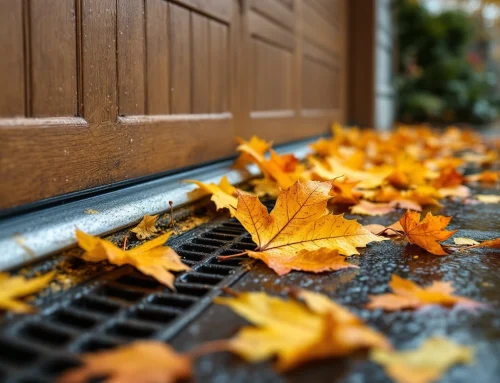
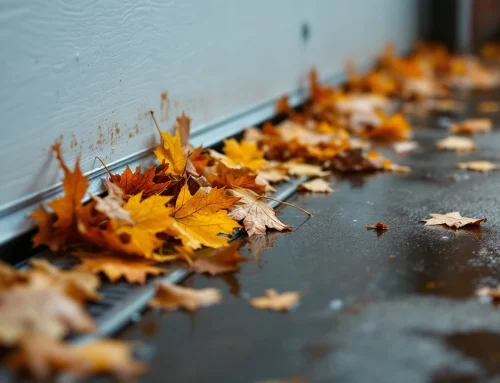
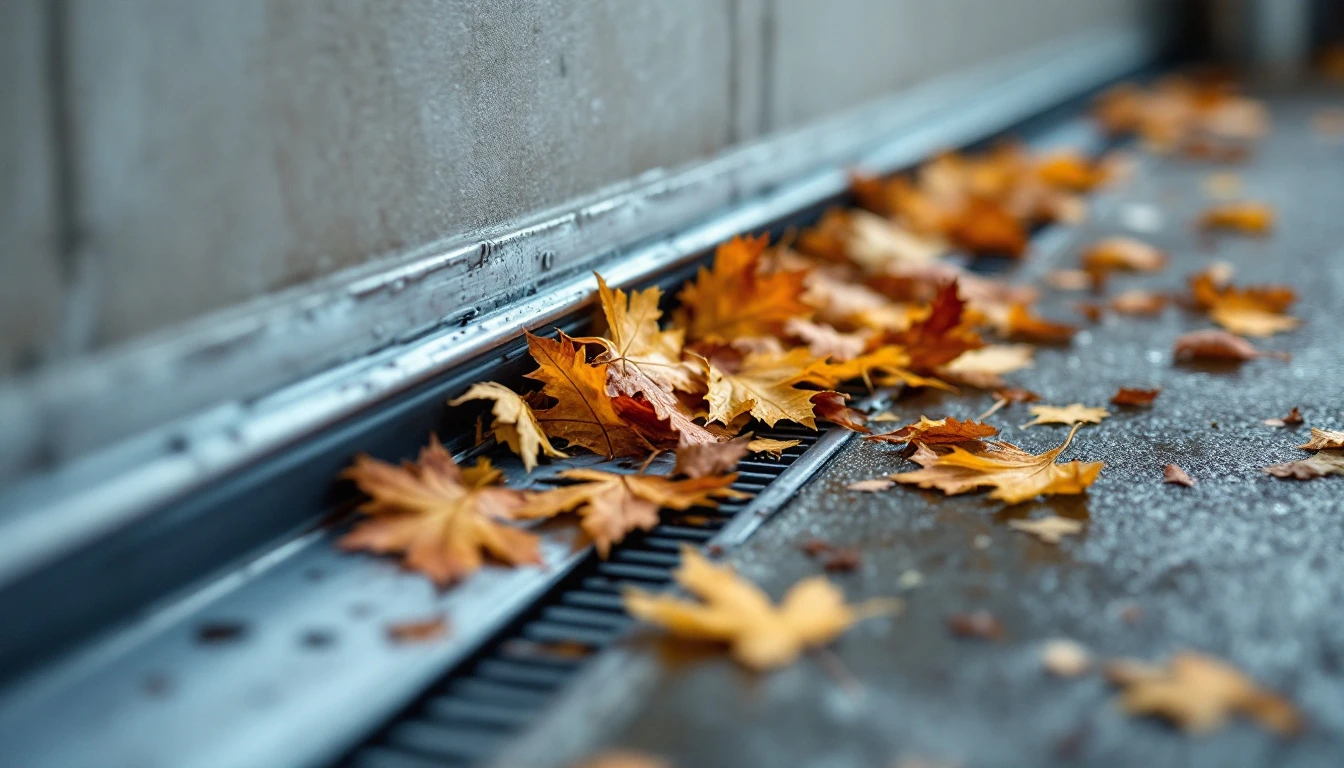
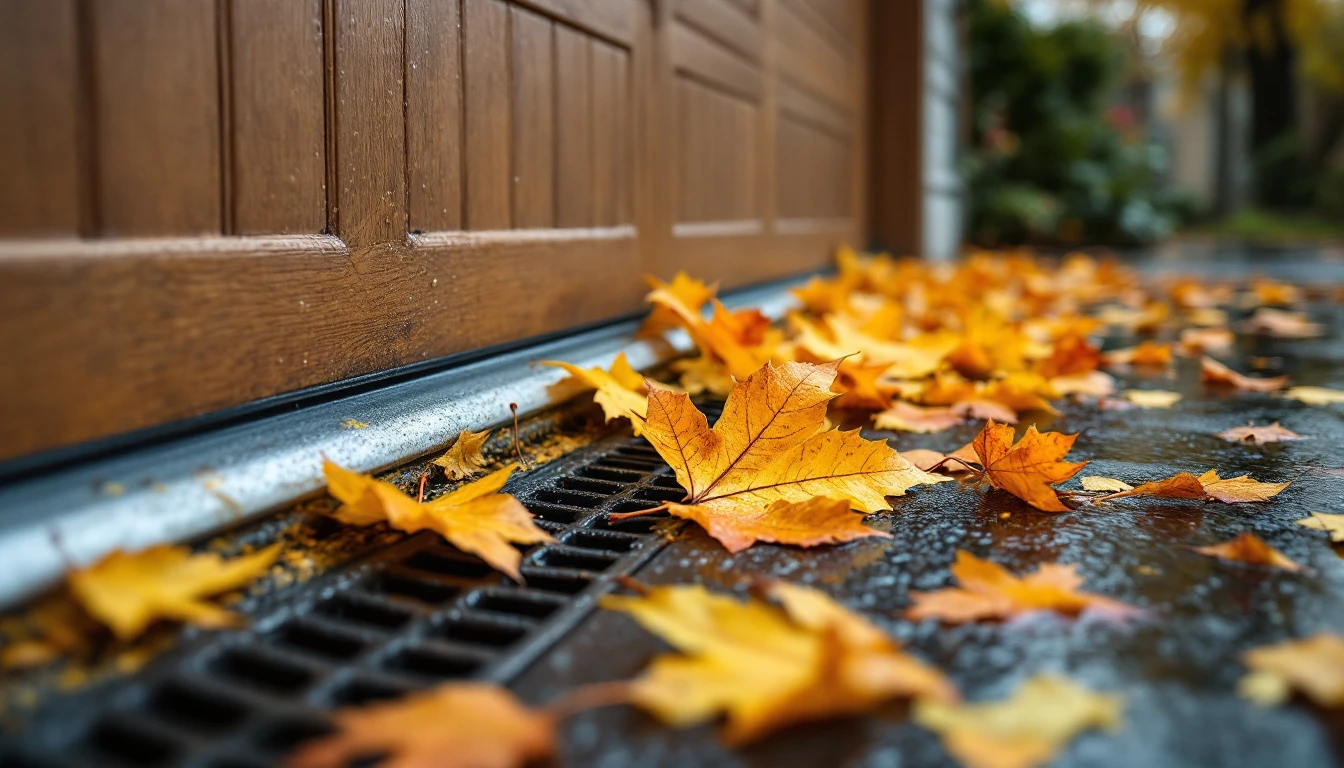
Wilsonville’s April–May rain season creates a perfect storm for garage door problems. Spring downpours wash leaves, pollen, and dirt directly into the vertical tracks that guide your door’s rollers. In neighborhoods like Villebois and Canyon Creek, where European-style garage maintenance in wet climates demands attention to multi-panel doors with tighter tolerances than traditional designs, even small debris accumulations cause misalignment. The result? Your garage door opener strains to lift the door, rollers wear unevenly, and you’re looking at $300–$600 for track realignment or roller replacement.
Good news: this is a simple DIY task requiring no special tools. Set aside 15 minutes to visually scan both tracks from top to bottom. Use a flashlight to spot debris hiding in corners where the track meets the wall. Remove leaves and dirt with a wire brush—work from the top down so debris falls to the floor. Once tracks are clean and dry, apply a thin bead of silicone lubricant along the inside of each track. This keeps rollers moving smoothly and prevents rust from forming during wet weather.

Weatherstripping and Seal Checks
European-style garage maintenance in Clackamas County communities like Villebois and Canyon Creek relies on compression seals that degrade after 7–10 years. April’s variable rain provides the perfect testing ground for worn weatherstripping before May’s heavier downpours arrive.
Run a simple flashlight test: close your garage door at night and shine a flashlight around the frame from inside. Light leaks reveal gaps where water penetrates, causing rust on metal frames and panels. Check for brittleness or cracks in the rubber seal along the bottom edge and around door panels.
Replacing foam seal tape takes just two minutes per section and costs $50–$150 for DIY materials. Ignoring worn seals leads to water intrusion damage requiring $800–$2,000 in repairs. Spring weather exposes vulnerabilities under real conditions, making now the ideal time to spot and fix seal failures.
For more guidance on protecting your garage year-round, check out our weatherproofing guide.
DIY versus Professional Assessment
Some spring maintenance tasks are perfect weekend projects, while others require licensed professionals. Knowing the difference protects your safety and your wallet.
- Safe DIY tasks: track cleaning, weatherstripping replacement, opener battery testing, and visual spring inspections
- Professional tasks: spring replacement, cable inspection, opener motor service, and structural damage assessment
These DIY projects use basic materials and help you catch problems before they become costly repairs. You’re handling components that won’t cause injury if something goes wrong, and you’re addressing issues while they’re still manageable.
Professional tasks include spring replacement, cable inspection, opener motor service. And structural damage assessment. Wilsonville service providers typically charge $300 to $800 per service, but these jobs involve high-tension components, electrical systems, and structural issues that require specialized tools and licensing.
Spring failures are safety-critical—a torsion spring under tension stores enough energy to cause serious injury or death. Hesitation costs both money and lives.
April offers a strategic advantage: Wilsonville professionals have availability before peak summer demand hits. Scheduling now costs less than emergency calls during busy season. A professional spring inspection identifies potential repairs that warrant attention, making it one of the best investments in home maintenance.
Consider professional assessment when your visual inspection reveals frayed cables, unusual spring gaps, or motor noise. These warning signs mean the problem has progressed beyond DIY solutions.
Seasonal Maintenance Beyond Spring
While April–May maintenance protects your garage through Wilsonville’s wet season, modern garage maintenance for two car garage seasonal maintenance and attached garage upkeep in wet climates means your garage system requires attention four times yearly to handle Oregon’s distinct climate cycles. Each season brings specific threats that mirror or exceed spring challenges.
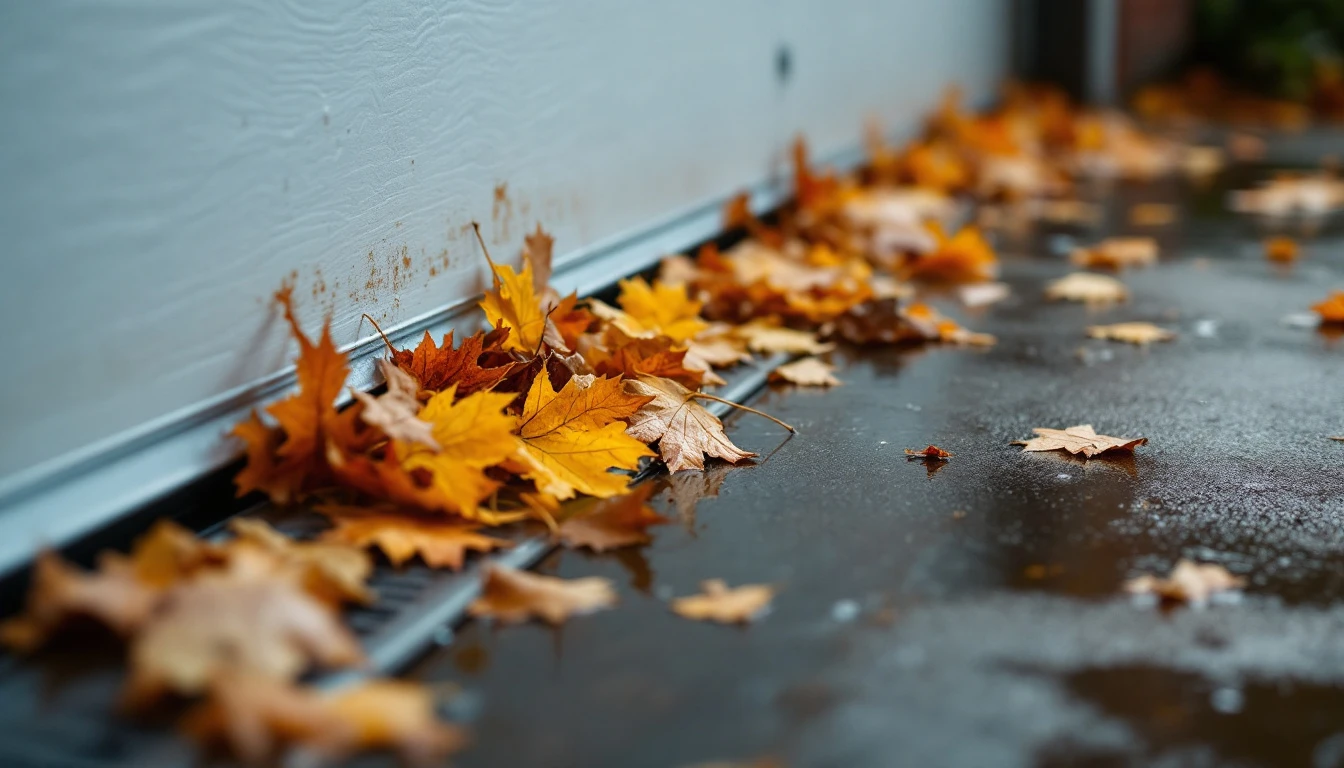
Fall debris season from September through November creates the same track-clogging problems as spring. Schedule a second preventive inspection in October when falling leaves accumulate in tracks and sensors. This timing prevents failures during winter storms when you need reliable garage access most.
Winter freeze–thaw cycles in Clackamas County pose serious risks to garage door panels and wooden doors. November preparation is critical—check weatherstripping integrity and lubricate all moving parts before temperatures drop below freezing. These cycles can crack steel panels and warp wooden doors, leading to expensive replacements.
Summer heat from July through August causes opener motor overheating if air intake vents collect dust and cobwebs. A simple June cleaning prevents motor failures during Portland’s hottest weeks.
Follow this year-round schedule:
- April for spring rain prep
- June for summer heat prep
- October for fall debris prep
- November for winter freeze prep
This quarterly checklist habit protects your investment through every season.
April Action Plan for Villebois and Canyon Creek
Ready to protect your garage from expensive repairs? This four-week April checklist breaks down the maintenance tasks into manageable steps that fit your schedule.
- Week 1: Visual Inspection (30 minutes). Walk through your garage and examine all doors, tracks, springs, cables, and weatherstripping. Take photos of anything that looks worn, damaged, or misaligned. Document rust spots, frayed cables, gaps in seals, or debris buildup. This photo log becomes your baseline for tracking changes and sharing findings with professionals if needed.
- Weeks 2–3: DIY Maintenance (2–4 hours total). Complete the track cleaning, weatherstripping replacement, and lubrication tasks covered in earlier sections. Work at your own pace—spreading these tasks across two weekends makes the project less overwhelming while still protecting against the $2,000–$5,000 emergency repairs that spring debris season can trigger.
- Weeks 3–4: Professional Review. If your inspection revealed spring wear, cable damage, or unusual door behavior, schedule a professional inspection now. April availability in Wilsonville beats summer rush pricing. Contact Garage Harmony for a free spring assessment—we’ll review your photo log and recommend only necessary repairs.