Central Oregon Winter Threats: Garage Doors in Extreme Winter Conditions
Central Oregon’s high desert climate presents unique challenges for agricultural garage doors that go far beyond typical winter concerns. Garage doors facing extreme winter conditions in Central Oregon must contend with elevations ranging from 3,200 feet in Sisters to over 4,200 feet in La Pine, where properties regularly experience snow accumulation exceeding 100 inches annually. This heavy snow load surpasses the weight capacity of standard residential garage doors, putting stress on panels, tracks, and support systems that weren’t designed for such extreme conditions.
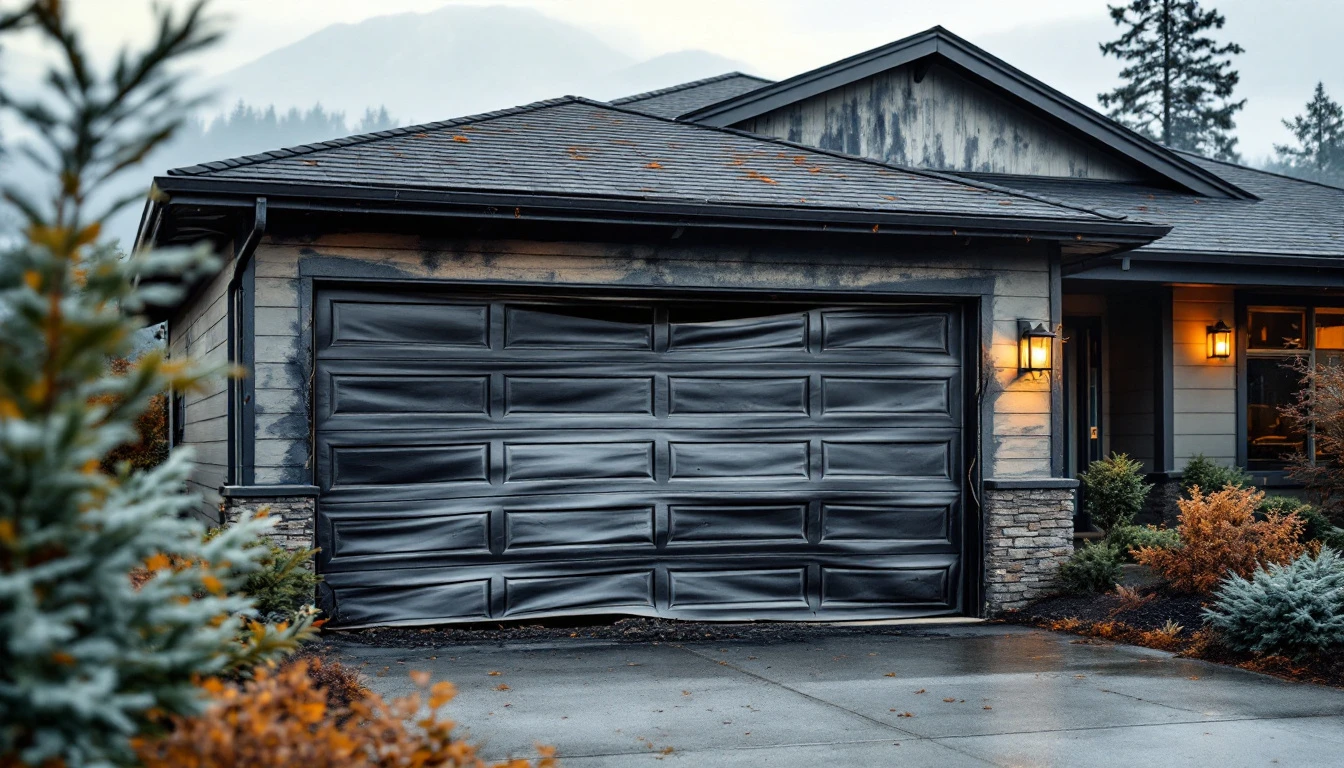
What makes Central Oregon winters particularly destructive is the relentless freeze-thaw cycling from December through March. When temperatures swing from 15°F overnight to 40°F by afternoon, metal springs expand and contract repeatedly. This constant movement weakens torsion springs and stretches extension springs beyond their intended tolerances. Weatherstripping becomes brittle and cracks, allowing moisture to seep into mechanisms where it freezes and causes further damage.
For rural farm properties, these winter threats create a perfect storm of vulnerability. When a garage door fails in mid-January, replacement parts may take weeks to arrive, and emergency service calls face delays due to distance and weather conditions. Agricultural operations can’t afford to lose access to equipment storage or livestock shelter during the coldest months, making preventive reinforcement essential.
Snow Load Ratings Assessment for Heavy Snow Garage Door Springs
Before snow starts accumulating on your agricultural garage, you need to know whether your door can handle Central Oregon’s winter. Standard residential garage doors carry load ratings between 25 and 35 pounds per square foot (psf)—completely inadequate for regions where snowfall regularly exceeds 100 inches. Snow load rated garage doors Oregon agricultural structures in areas like La Pine and Sisters require doors rated for 50 psf or higher to withstand the weight of heavy, wet snow that builds up through December and March.
Start by locating the manufacturer’s label on your existing door, typically found on the edge of a panel or near the spring assembly. This label displays both R-value insulation ratings and load capacity specifications. If you can’t find a label, check your original installation documentation or contact the manufacturer with your door’s model number. Missing or illegible labels often indicate older doors installed before modern rating standards—a red flag for replacement.
Calculate your property’s expected snow load by checking Deschutes County’s snow load tables, which correlate elevation with required structural capacity. Properties at 3,600 feet like those around Bend typically need 40-50 psf ratings, while higher-elevation areas near La Pine (4,200 feet) require 50-60 psf or more. Compare your door’s rating against these requirements.
If your current door falls short, you’re risking panel buckling, spring failure, or complete structural collapse during heavy snow events.
Spring Reinforcement Phases
By mid-June, Central Oregon’s weather finally stabilizes enough to access rural properties and begin pre-winter reinforcement work. Breaking this work into three distinct phases means agricultural barn garage door reinforcement is complete before freeze-thaw damage cycles intensify, with springs capable of handling Madras’s harsh freeze-thaw cycles and Sisters’s elevation-driven snow loads.
Phase 1 (June–July): Inspection and Measurement
Start by examining existing springs for wear indicators—gaps between coils, rust streaks, or visible wire thinning. Using calipers, measure the coil diameter and wire gauge of each spring, recording these specifications alongside the door width and weight. Most barn-style doors use 2-inch diameter springs with 0.218-inch wire, but agricultural installations often require heavier gauges.
Phase 2 (August): Heavy-Duty Installation
August provides the ideal installation window before freeze-thaw cycles begin in late September. Replace worn springs with heavy-duty versions rated for snow load—typically 0.250-inch wire gauge for agricultural doors over 16 feet wide. These reinforced heavy snow garage door springs handle the added weight when snow accumulates on door panels and resist fatigue from repeated freeze-thaw expansion. Installing springs during August also means parts arrive quickly from suppliers, unlike December when winter storms delay shipments to rural La Pine or Culver addresses for weeks.
Phase 3 (September): Balance Testing
Before October’s first frost arrives, disconnect the opener and manually lift the door halfway. It should stay in place without drifting up or down. If the door drops, springs lack sufficient tension for winter stress. Test safety cables by pulling them taut—they should show no fraying. This final verification catches issues while weather still permits farm access, eliminating emergency repairs when replacement parts become unavailable during Central Oregon’s December-March winter peak.
Spring Inspection Details
Start your spring inspection by checking for visible fatigue. Look for gaps between coils when the door is closed—healthy springs have tightly wound coils with no visible spacing. Test door balance by disconnecting the opener and manually lifting the door halfway. A properly balanced door stays in place; a sagging door or one that drops quickly signals worn springs that can’t support the door’s weight anymore.
Most agricultural garage doors use one of two configurations:
- Torsion springs mount horizontally above the door opening and twist to provide lifting force
- Extension springs run parallel to the horizontal tracks and stretch when the door lowers
Torsion systems dominate agricultural installations because they handle heavier door weights and last longer under constant use, particularly when facing farm garage doors freeze thaw damage from extreme temperature swings.
Central Oregon’s freeze-thaw cycles accelerate spring failure. When temperatures swing from 15°F at night to 40°F during December afternoons, metal contracts and expands repeatedly. This constant flexing weakens the steel faster than in stable climates, particularly at high-elevation properties around La Pine and Sisters where temperature swings hit hardest.
Replacement Spring Selection
Agricultural structures require heavy-duty springs rated for 15,000–20,000 cycles rather than the 10,000-cycle residential standards. These springs feature thicker wire gauges and tighter coil specifications that withstand the combined stress of frequent operation and snow loads pressing down on barn-style doors throughout Central Oregon’s winter months.
When ordering replacement springs, specify wire diameter and inside coil diameter measurements from your original springs. Agricultural-grade torsion springs typically use 0.250-inch or thicker wire gauge to distribute tension evenly across doors measuring 12-16 feet wide. Extension spring systems common in older barns need matched pairs with identical spring rates to prevent uneven lifting under snow load stress.
Order replacement springs before August. Suppliers stock heavy-duty agricultural components for winter demand during late summer, but inventory depletes quickly as farms across the region prepare for snow season.
Parts ordered in November may not arrive until spring—leaving you vulnerable to mid-winter failures when frozen ground and blocked access roads make installation nearly impossible.
Weatherstripping & Sealing
The final layer of winter defense for your agricultural barn doors sits in the thin rubber and foam barriers that line every edge. Weatherstripping prevents moisture infiltration during Central Oregon’s relentless freeze-thaw cycles. Stopping ice from forming in gaps where it can warp metal tracks and jam door mechanisms. Without intact seals, every temperature swing between 15°F nights and 40°F afternoons drives condensation into your door assembly.
Agricultural doors require durable foam and rubber weatherstripping designed for daily use and temperature extremes. Weatherstripping garage doors in rural farming communities means choosing seals rated for the constant expansion and contraction cycles unique to high-elevation regions. Bottom seals create a continuous barrier against cold air loss, protecting farm equipment from temperature swings that can freeze hydraulic fluid and crack engine blocks. Side seals prevent wind-driven snow from entering through vertical gaps, where it melts during daytime warming and refreezes at night as destructive ice wedges.
September inspections catch deterioration before winter arrives. Check for compressed foam that no longer rebounds when pressed, cracked rubber that pulls away from mounting surfaces, and missing sections that expose bare metal. Weatherstripping degrades annually in harsh climates—the same freeze-thaw cycles that threaten your door also break down seals through expansion and contraction.
Replace worn weatherstripping in September while temperatures remain moderate enough for adhesives to cure properly. This pre-winter work prevents mid-winter failures when frozen components make installation nearly impossible and replacement parts face shipping delays through December snowstorms.
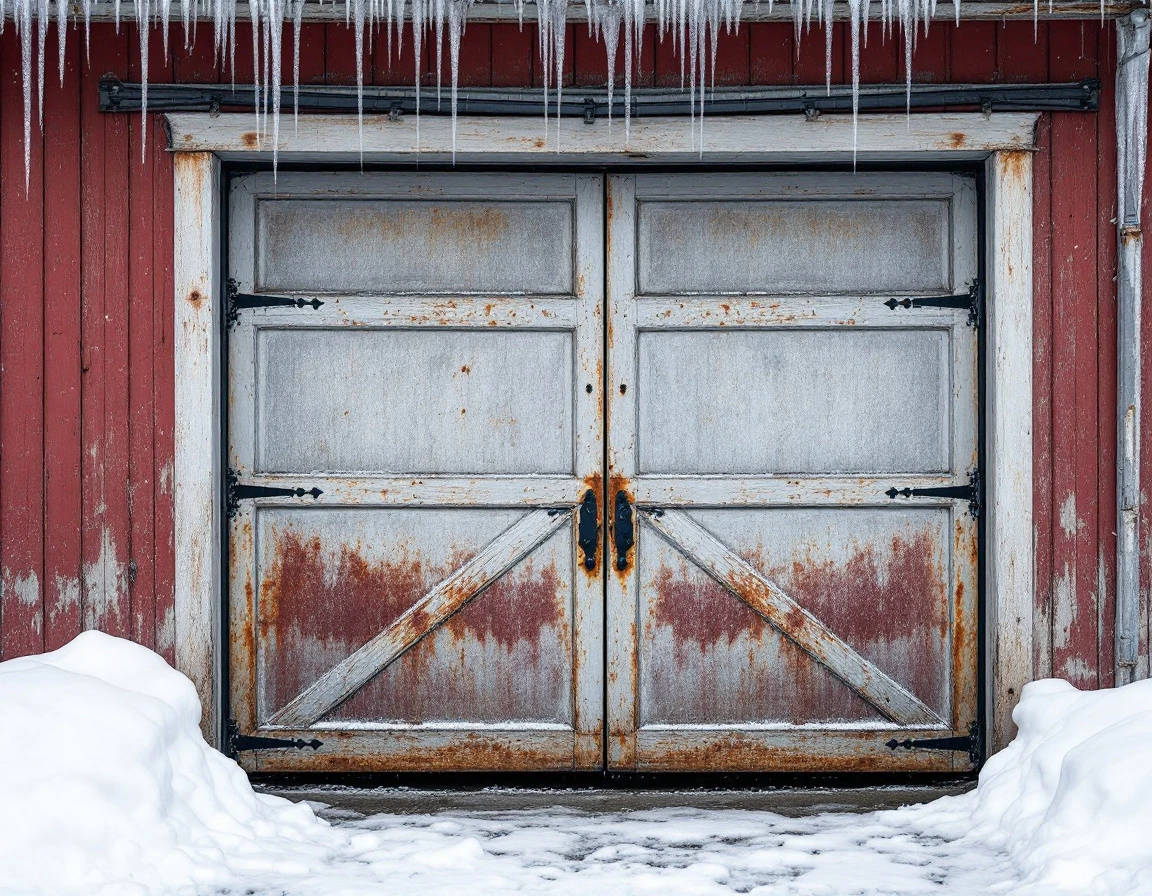
Pre-Winter Preparation Timeline
Want to avoid emergency garage door repairs when snow blocks rural roads and parts warehouses run empty? Follow this month-by-month checklist designed specifically for Central Oregon’s challenging climate:
- June: Schedule your assessment appointment and inspect all springs for coil gaps or rust. Order heavy-duty replacement springs rated for agricultural use now—suppliers maintain full inventory during summer months, but stock dwindles as fall approaches. This early ordering window gives you time to receive parts and schedule installation before harvest season demands your attention.
- July–August: Complete spring installation and weatherstripping replacement during Central Oregon’s dry weather. Temperatures in the 60s–90s allow proper adhesive curing for foam seals and safe working conditions for spring tension adjustments. Finish balance testing before September—doors should hold position at waist height without drifting. Document all work including spring specifications and installation dates.
- September: Conduct final safety checks before December extremes arrive. Test photoelectric sensors, lubricate moving parts, and verify weatherstripping creates complete seals. Waiting until October risks incomplete preparation—early snowfall can arrive in La Pine and higher elevations while you’re still waiting for parts or scheduling installations.