Freeze-Thaw Cycles and Spring Failure in Agricultural Garage Doors Central Oregon
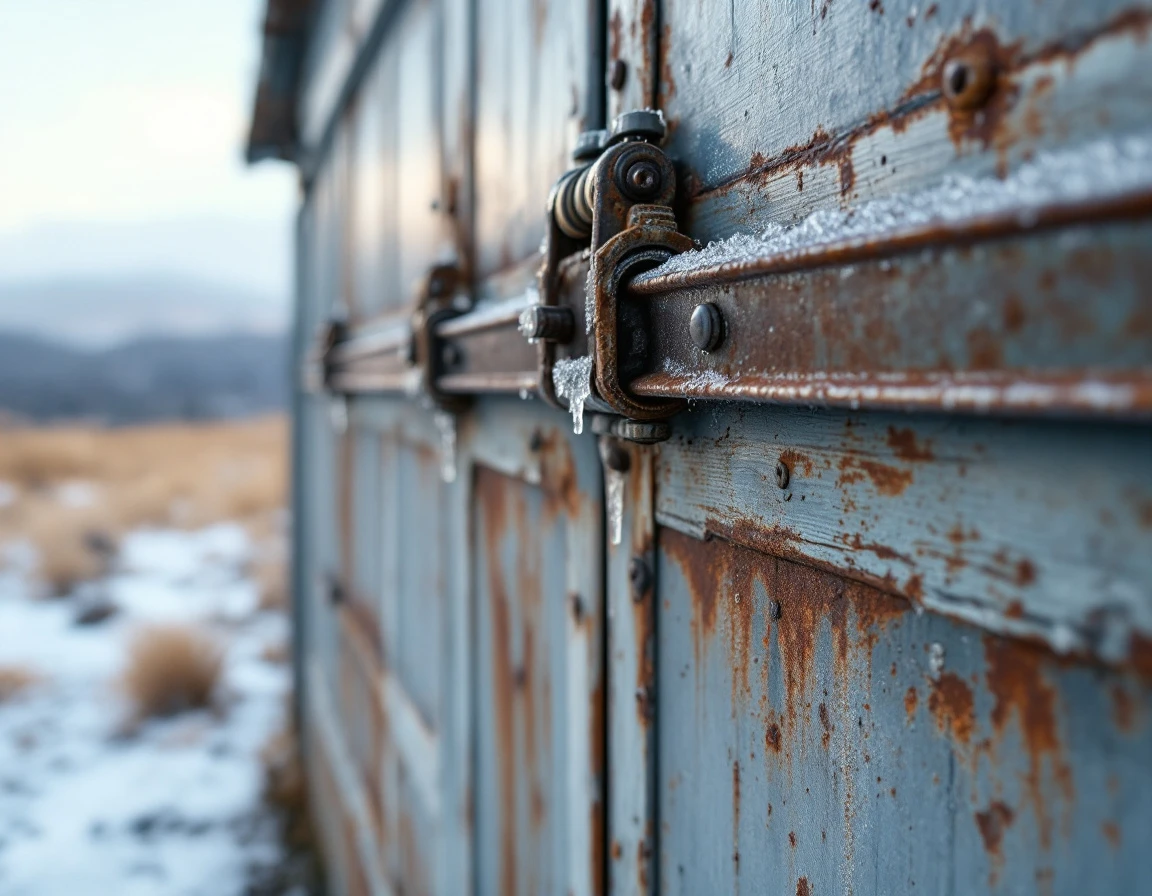
Central Oregon’s high desert climate creates a persistent threat to agricultural garage doors central Oregon between October and April. When temperatures swing above and below freezing — sometimes multiple times in a single day — metal springs expand and contract repeatedly, accelerating metal fatigue and leading to sudden failures that can halt farm operations during critical windows.
October-April freeze-thaw cycles create extreme
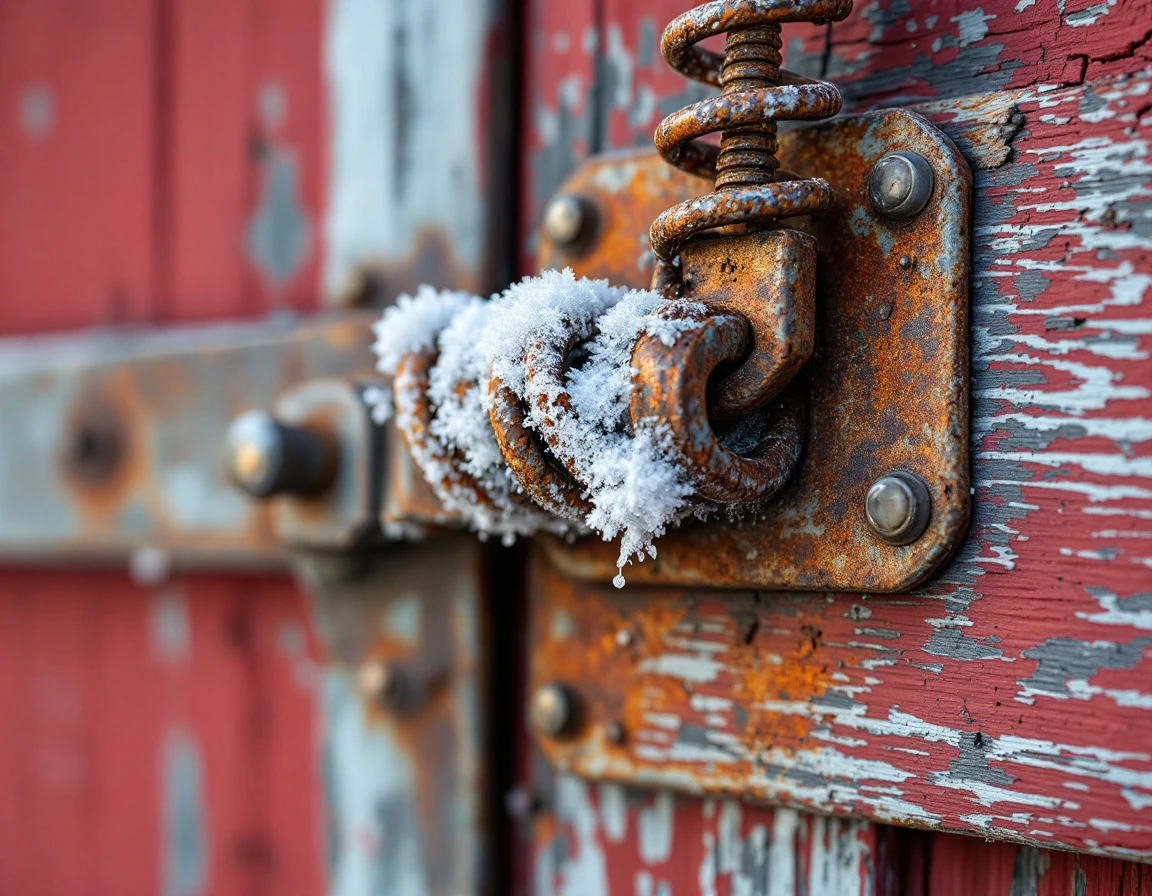
Between October and April, Central Oregon’s high desert climate puts extreme stress on torsion springs in detached agricultural garages. When temperatures swing from below freezing at night to above freezing during the day, metal components contract and expand repeatedly.
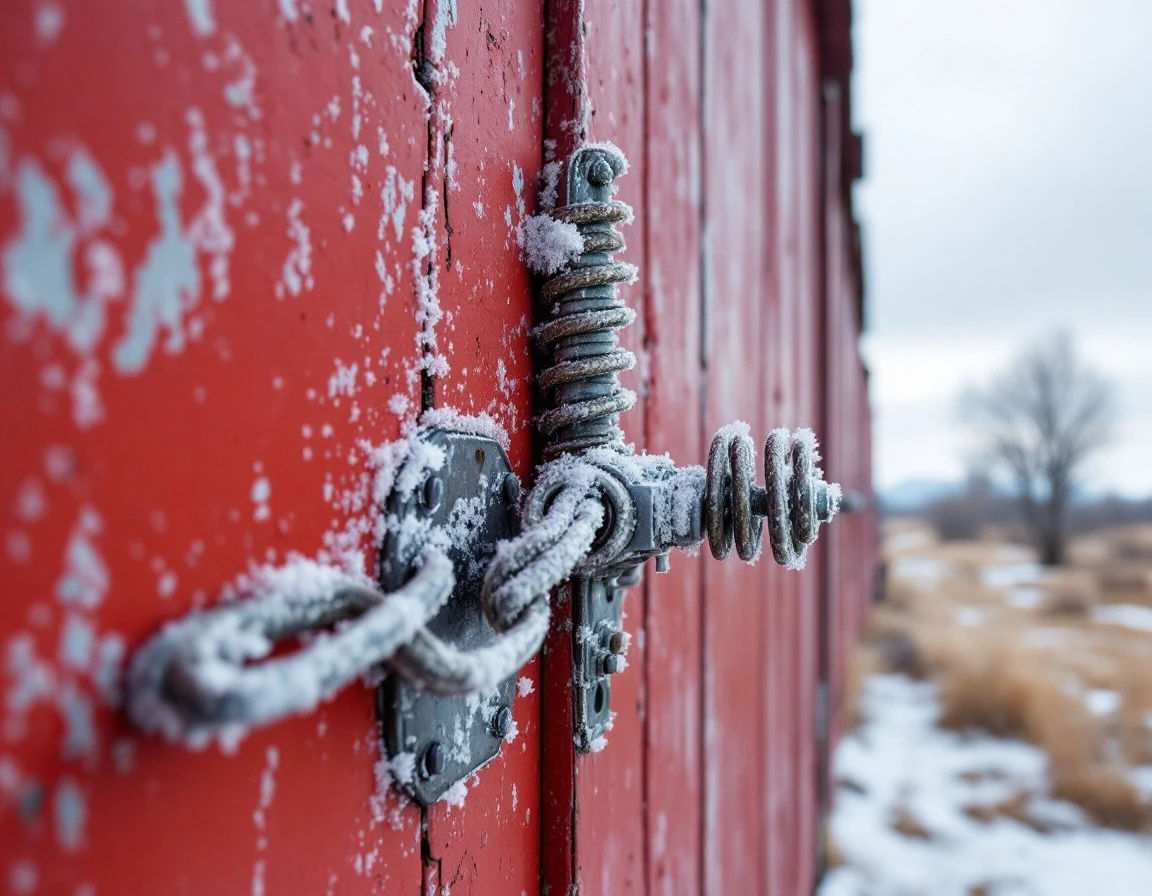
This constant movement creates tiny cracks in the spring coils. Over several seasons, these cycles weaken the spring until it snaps without warning. Agricultural garages face particular risk because they’re often unheated and exposed to the full temperature range of our desert climate.
High desert climate in Culver’s region
Culver sits in Central Oregon’s high desert, where daily temperature swings reach 30-40°F during winter months. A February morning might start at 15°F, climb to 50°F by afternoon, then plunge again overnight. This relentless cycling creates the exact conditions that break torsion springs during farm garage door springs freeze thaw cycles.
Spring failures peak during mid-winter and early spring when these temperature swings are most extreme. Each time your springs expand and contract—which happens dozens of times monthly—the metal gets a little weaker. Eventually, the weakened spring snaps without warning, and that often happens right when you need to move equipment during planting season.
Why Barn-Style and Single-Car Doors Fail in Cold Weather
Why do barn-style doors fail faster in freeze-thaw conditions? Their design concentrates stress on just a few pivot points. Modern sectional doors spread that load across multiple springs and balanced lifting mechanisms. Barn doors can’t do that. When temperatures swing from 15°F overnight to 45°F by afternoon, the door’s hardware expands and contracts at different rates than the wooden panels. This mismatch forces hinges and track brackets to absorb stress that would normally spread across multiple components.
Single-car agricultural doors face unique challenges beyond residential applications. Tractors, combines, and hay equipment require repeated daily access during planting and harvest seasons. Each heavy cycle strains torsion springs far more than a passenger vehicle would. The constant open-close pattern during time-sensitive farm operations accelerates wear and tear. Springs rated for 10,000 cycles in a residential setting might fail at 6,000 cycles when subjected to agricultural equipment loads.
Older hardware compounds these problems. Pre-2000 installations in Culver use brittle metal alloys that weren’t designed for extreme temperature ranges. When temperatures drop below 20°F, these old materials become fragile and fracture easily. The agricultural use pattern demands faster operation speeds than residential doors, which means springs compress and extend more rapidly. This creates additional heat friction during compression, followed by rapid cooling when equipment clears the door opening. The temperature shock weakens the metal with each cycle, bringing failure dates forward by months compared to slower-operating residential systems.
Spring Break Timing Patterns
Garage door springs in Culver don’t fail randomly—they break during two predictable windows tied directly to central Oregon’s freeze-thaw intensity. Mid-winter failures peak between December and February when overnight temperatures drop to 10-15°F and daytime highs reach 35-40°F. These 25-30°F daily swings create maximum stress on metal coils already weakened by months of expansion and contraction cycles.
Early spring breaks surge again in March and April as warming accelerates. Central Oregon’s high desert climate produces even wider temperature swings during these months—overnight lows near 25°F followed by afternoon highs reaching 55-60°F. This 30-35°F cycling happens daily, accumulating damage faster than the gradual temperature changes of deep winter.
April and May planting season coincides exactly with peak door failure risk. A broken spring during soil preparation or seeding means equipment sits idle while you wait for emergency repairs. Harvest season in August and September faces similar risks if you delay replacement past late July—springs damaged during winter and spring finally give out under heavy summer use.
Understanding these patterns means you can replace vulnerable springs during low-activity windows in June or early November, avoiding costly downtime when every hour counts. The freeze-thaw calendar predicts failures months in advance.
Replacement Window Strategy
When should Central Oregon farmers schedule agricultural door replacement high desert conditions to avoid critical season downtime? Late spring and early fall create natural planning windows that protect both equipment and productivity.
Late spring (May-June) offers the first ideal replacement window after frost risk passes. Right now in May 2026, farmers should complete thorough door inspections before freeze-thaw cycles end completely. Check spring tension, examine weatherstripping for cracks, test door balance, and document any unusual noises during operation. This inspection creates your baseline for summer planning decisions.
Early fall (August-September) provides the second ideal replacement period. Installations completed before winter stress begins protect doors from October’s first freeze-thaw damage. This timing also avoids conflicts with harvest operations in Madras and Culver, where agricultural schedules dictate equipment availability.
Summer months (June-July) serve as buffer time for sourcing replacement parts and coordinating professional installation. Lead times for commercial agricultural doors typically run 4-6 weeks in Central Oregon. Contact Garage Harmony today to schedule your replacement for late summer completion. Our team helps you avoid emergency calls when winter farming season arrives.
Strategic replacement scheduling eliminates the costly seasonal downtime that freeze-thaw cycles create, protecting both equipment investment and farm productivity throughout the year.
Preventive Inspection and Action
After the freeze-thaw season ends in Central Oregon, May becomes your critical inspection window. This timing lets you identify spring damage before the next winter cycle begins. That’s when our team at Garage Harmony recommends scheduling your inspection—before summer planting demands take over. Here’s what our experts suggest you look for during your post-winter assessment:
Start with a visual spring inspection. Look for these warning signs:
- Rust spots on torsion springs—that means moisture is getting in and weakening the metal
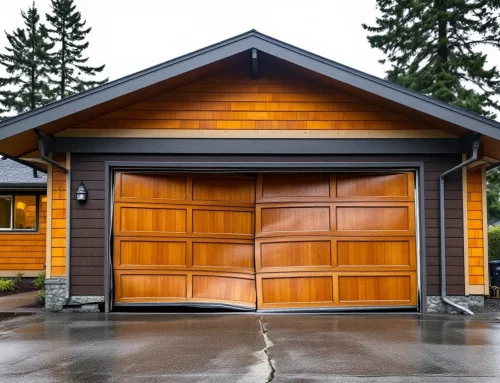
- Uneven door movement or tilting, which tells you one spring has lost its strength
- Loud creaking or grinding sounds that you didn’t hear before winter
- Visible cracks or gaps in the spring coils—that’s a sign failure is coming soon
These visual signs tell you a lot about how soon a spring will break. If you see multiple rust patches and uneven coil spacing, that spring probably has only weeks left before it fails. Our Garage Harmony team offers professional inspections that go deeper. We use load testing—which means we actually measure how much strength your springs have left—so you know exactly which parts need replacing.
Keep a simple inspection log documenting spring age and any failure history. Note when springs were installed, record annual inspection findings, and track replacement patterns. This documentation helps you schedule replacements during your May-June or August-September windows, preventing costly breakdowns when you need your equipment access most.
Don’t wait for a spring to break during planting season. Contact Garage Harmony today to schedule your post-winter inspection. Our experts serve Central Oregon farmers and can assess your agricultural door’s condition before the next freeze-thaw cycle. Request your inspection now.