Why Fall Leaves Clog Portland Garages
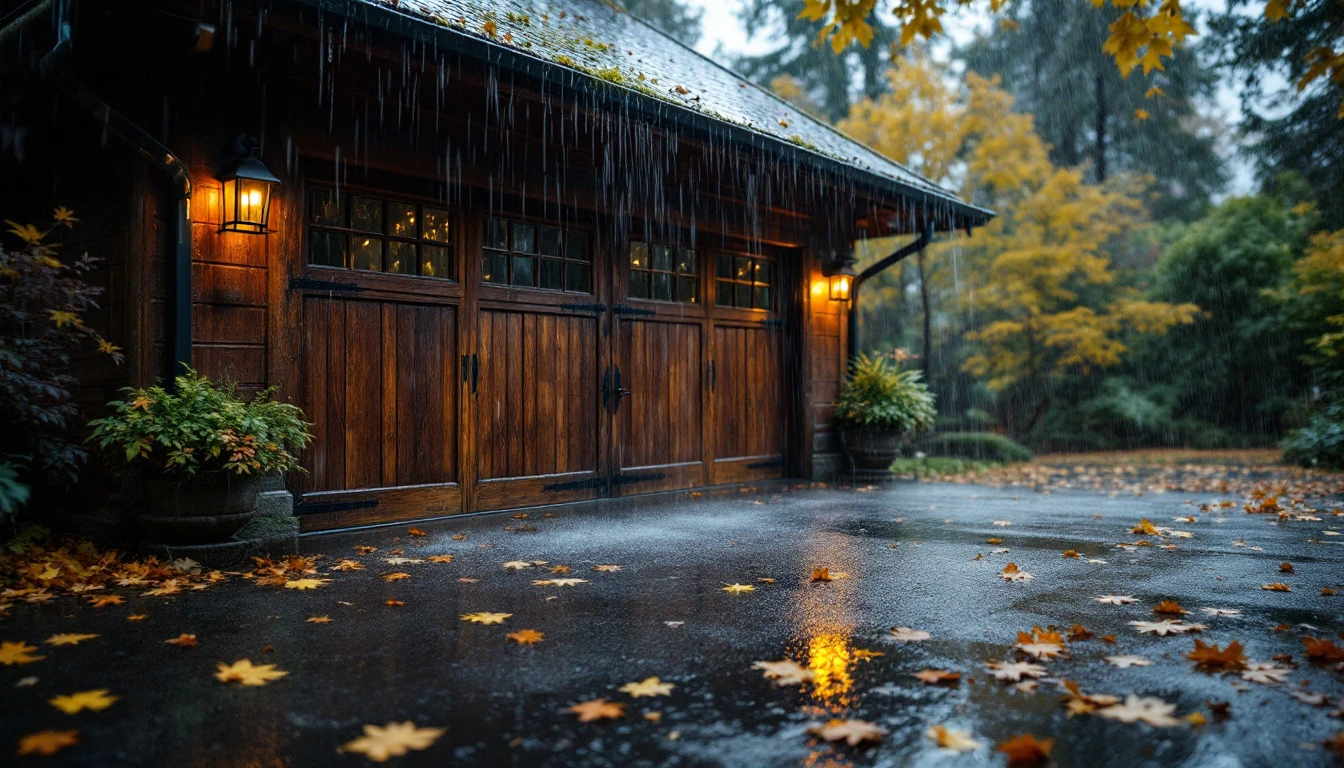
Portland’s autumn climate creates a perfect storm for garage complications. Between October and November, the city’s abundant deciduous trees drop leaves just as rains begin in earnest. Garage door track clogging from fall leaves becomes a persistent maintenance challenge that catches many homeowners off guard, especially when combined with the city’s natural airflow patterns.
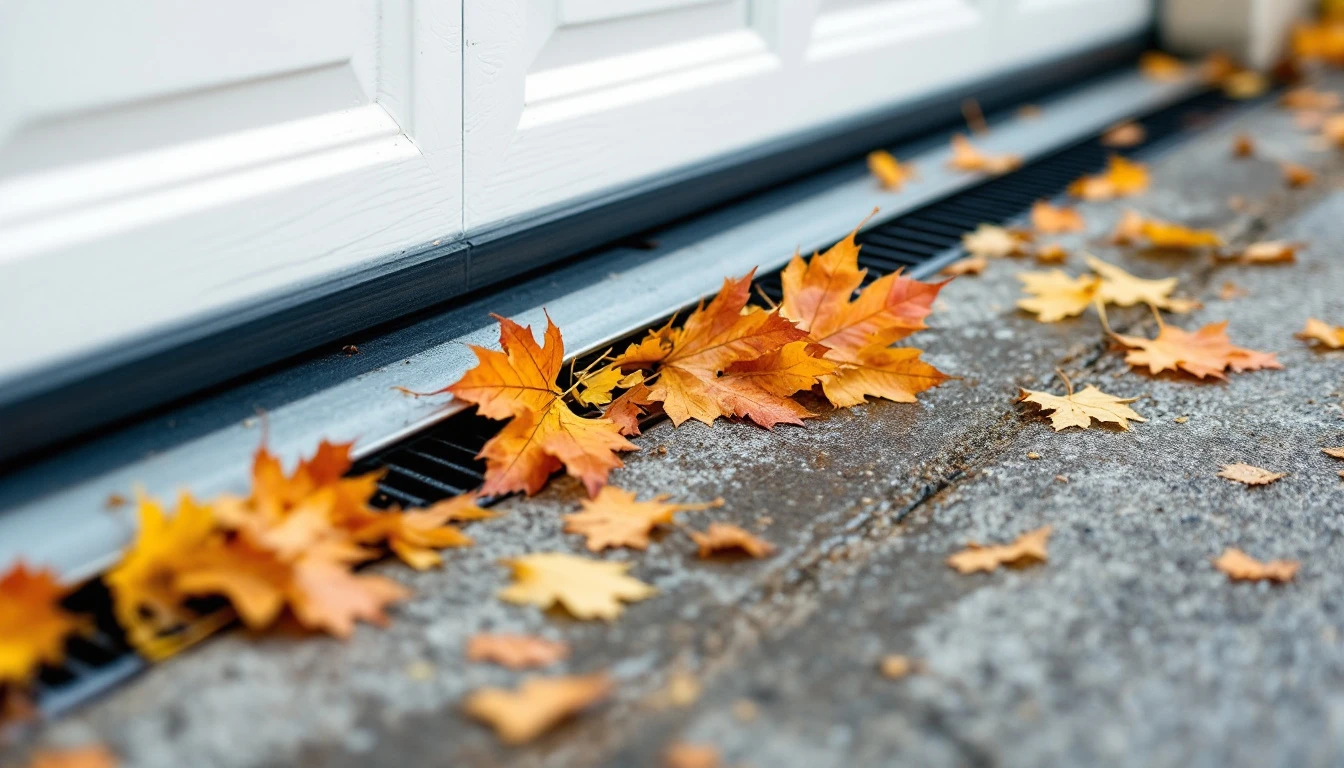
Garage door tracks and floor drains sit in the direct path of this seasonal onslaught. The natural airflow around garage entrances acts like a funnel, pulling leaves into these vulnerable spaces. Door tracks, with their grooves and channels, catch and hold debris easily. Floor drains become magnets for accumulation, especially in garages with even slight grading toward the entrance.
Why does this matter beyond aesthetics? Clogged tracks force your garage door opener to work harder with every cycle. The motor strains against resistance, door rollers struggle to move smoothly, and misalignment becomes increasingly likely.
Left unchecked, this daily stress leads to expensive repairs—worn gears, damaged opener motors, or bent track sections that require professional replacement.
Portland’s wet conditions accelerate the damage. Dry leaves you might brush away easily become sodden, compacted masses when rain hits. These wet clumps pack into tracks and form dense plugs in drains. Blocking water flow and creating standing moisture. This trapped water doesn’t just threaten your garage door mechanics—it sets the stage for rust, mold, and foundation concerns that extend well beyond the fall season.
Identifying Vulnerable Garage Areas
Before leaves begin falling in earnest, walk your garage with an eye toward the spots where debris collects fastest. Garage door tracks—both the horizontal sections along the floor and the vertical curves that guide rollers—are the first places to check. These channels trap leaves that blow in during door operation, and Portland’s frequent October winds push debris directly into these narrow spaces.
Floor drains near garage entries present another high-risk zone. These drains collect leaf particles that wash in from driveways or blow through open doors. Once wet from Portland’s fall rains, leaves compact into dense plugs that block water flow and create standing puddles. Check the grate itself and the immediate area around it for any buildup. Fall leaves blocking garage floor drain Portland can trap moisture that damages the surrounding foundation.
Examine your weatherstripping and door seals next. Even small gaps allow leaf fragments to enter the track system from outside. Run your hand along the bottom seal and side seals while the door is closed—you should feel consistent contact with the concrete. Gaps here mean leaves will find their way inside.
Does your garage sit near mature maples, oaks, or alders? Proximity to deciduous trees and your property’s exposure to prevailing winds determine your specific risk level. Garages facing westward or positioned downwind from heavy tree coverage need more frequent inspection during leaf season.

Clearing Tracks and Drains Safely
Once you’ve identified where leaves have accumulated, it’s time to clear them out. The right tools make all the difference between a quick, effective job and potential damage to your garage door system. For clearing debris from garage door tracks, you’ll need these essential items:
- A soft plastic brush (never metal, which can scratch protective coatings)
- A wet/dry vacuum with a crevice attachment
- A compressed air canister from any hardware store
These three items will handle most leaf-clearing tasks without harming delicate components.
Track Cleaning Without Force
Start with the horizontal tracks first. Use the plastic brush to gently loosen dried leaves and debris, brushing outward toward the garage opening. Follow up with your wet/dry vacuum to pull out loosened material from the track grooves where the rollers sit. Never force the door open or closed if you encounter resistance—that’s a sign of compacted debris that needs more attention, not muscle.
For vertical track sections. Work from top to bottom so gravity helps you. The compressed air canister is particularly useful here, blasting leaves and dirt out of tight corners where brushes can’t reach. Keep the nozzle at least six inches from the track to avoid bending thin metal sections. If you notice the door hesitating or catching during operation, stop and inspect the area again rather than forcing it through.
Flushing Drains in Wet Conditions
Portland’s rain-soaked leaves create a paste-like sludge in floor drains that plain water won’t clear. Pour a bucket of hot water into the drain first to soften the debris, then use your wet/dry vacuum in reverse (blow mode) to dislodge the blockage from below. Switch back to suction mode to pull out the loosened material. For stubborn clogs, a plumber’s snake works better than chemical drain cleaners, which can damage older pipes.
Safety Around Moving Parts
Always keep hands, tools, and brushes away from the door’s pinch points—anywhere two panels meet or where cables attach to the bottom bracket. Never clean tracks while the door is moving, and disconnect the automatic opener before working on vertical sections above shoulder height. This entire process typically takes 45 minutes to an hour, protecting your investment without professional help.

Debris Removal: Tracks
Before reaching for any tools, start with manual removal of larger leaf clusters. Use your gloved hands to pull out visible clumps from both horizontal and vertical track sections. This prevents jamming when you transition to mechanical cleaning tools and gives you a clear view of what remains.
Next, grab a soft-bristled brush and work methodically along the track length. Start at the top of the vertical sections and brush downward in smooth strokes, moving debris toward the floor. Work in manageable sections rather than trying to clear the entire track at once. This approach helps you spot compacted debris that needs extra attention. Garage door leaf debris removal becomes simpler when you work systematically through one section at a time.
For finer particles and stubborn remnants, switch to a handheld wet/dry vacuum. It pulls out the smaller debris your brush couldn’t reach. In tight corners where moisture tends to collect, compressed air works wonders—just aim the nozzle carefully to blow debris out rather than deeper into crevices.
Drain and Seal Maintenance
After clearing the tracks, shift your attention to the floor drain and entry seals—the two areas that determine whether leaves become a recurring problem. Remove any accumulated leaves from the drain grate by hand, then flush with water to confirm proper flow. In Portland’s saturated fall soil, drains may empty slowly even when clear, so watch for standing water that lingers beyond a few minutes—this signals a deeper blockage requiring professional attention.
Next, inspect the weatherstripping along the bottom and sides of your garage door. Run your fingers along each seal to feel for gaps, tears, or compressed sections where leaves could slip through. These entry points explain how debris entered your tracks in the first place. Replace worn weatherstripping or add adhesive foam strips to close gaps. Preventing leaf buildup in your garage drain Portland starts with these small seals that control where debris enters.
Perform this seal inspection immediately after removing leaves—you’ll spot problem areas more easily when you can see where debris accumulated inside.
Seasonal Maintenance Schedule
Portland’s fall climate demands a specific timeline for garage maintenance. From October through November, you’ll want to inspect and clear your tracks and drains every 2-3 weeks as leaves continue to fall. This frequency prevents accumulation that can compact into stubborn blockages once rain arrives.
Start with a mid-October deep clean after peak leaf drop.
This timing is critical—it removes the bulk of debris before Portland’s heavy November rains transform loose leaves into dense, compacted material that’s harder to extract.
Focus on both tracks and drains during this session, using the cleaning techniques you’ve already learned. Regular garage door maintenance with fallen leaves in mind protects your system before damage occurs.
Schedule your final clearing in late November before the rainy season intensifies. Pay special attention to floor drains during this round, as winter water flow depends on completely clear drainage paths. Test drain flow thoroughly to confirm water moves freely.
Between scheduled cleanings, watch for warning signs that clogging has returned. Does your garage door hesitate or resist when opening? Do you notice water pooling near drains after rain? These indicators mean debris has accumulated faster than expected, and you’ll need an extra clearing session to prevent damage.
When to Call a Professional
Not every garage maintenance task requires professional help, but certain warning signs mean it’s time to stop DIY efforts and call in expertise. If your garage door tracks show severe misalignment or binding that doesn’t improve after you’ve cleared visible debris, something deeper is wrong. Forcing a misaligned door can damage the opener motor or bend tracks beyond repair.
Persistent drain blockages deserve professional attention too. If water continues pooling in your garage after you’ve manually cleared the drain and flushed it thoroughly, you’re likely dealing with a clog deep in the drainage system or a structural issue that requires specialized tools to diagnose and fix. How to prevent leaves clogging garage door operations means knowing when DIY efforts have reached their limits.
Listen to your garage door opener during and after Portland’s fall leaf season. Unusual grinding noises, slow operation, or visible strain after October and November suggest that leaf debris caused damage DIY cleaning won’t address. Ignoring these symptoms leads to complete opener failure—often during winter storms when you need your garage most.
Here’s a practical truth: if you can’t dedicate roughly two hours total across October and November for garage maintenance, hiring a professional before problems escalate protects your budget. Early professional intervention costs far less than emergency repair calls during winter weather. Professional help isn’t a failure—it’s smart budget management that keeps your garage functional when you need it most.