Valley Fog & Harvest Humidity Problem
Wine country weather creates a two-season assault on garage door hardware that accelerates corrosion faster than you might expect. In Sheridan, Oregon, garage door rust prevention during May through October is critical to avoiding costly repairs.
Sheridan’s location in the Willamette Valley
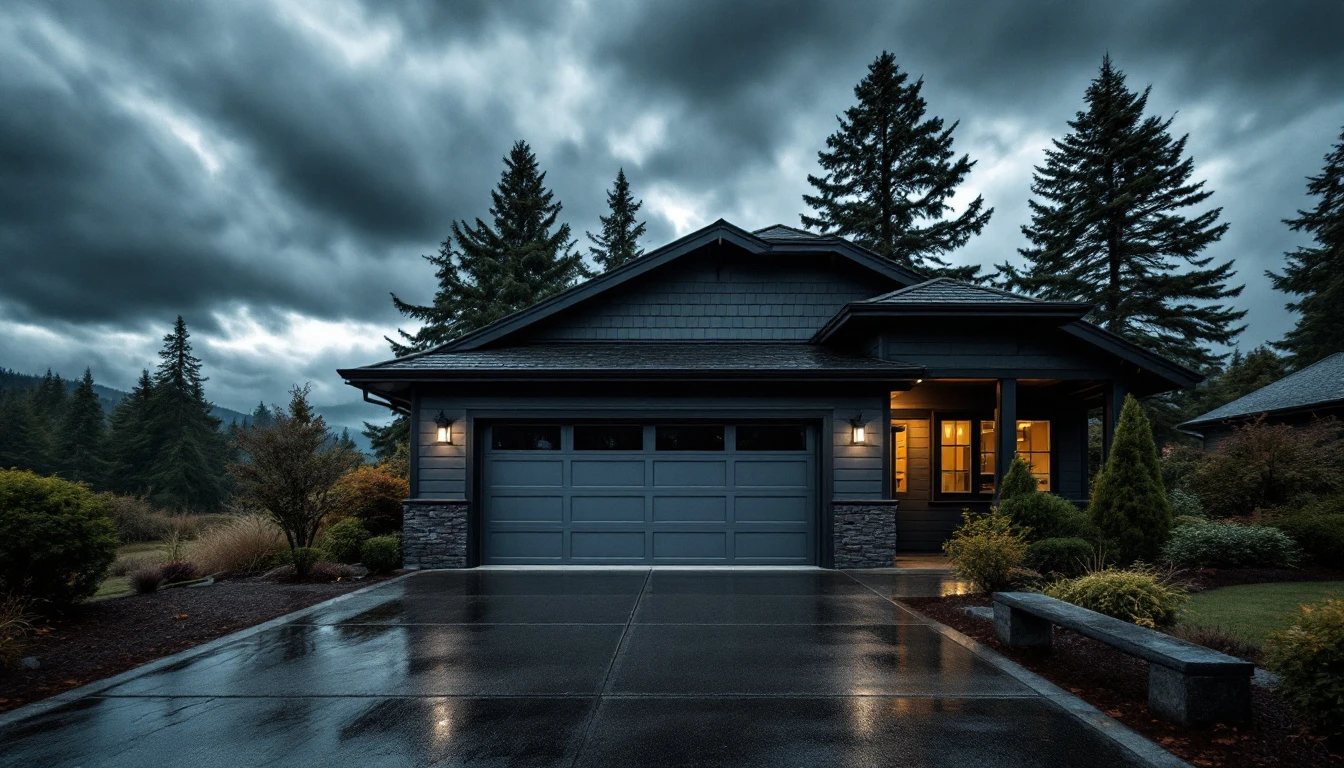
Sheridan sits at the western edge of Yamhill County, where persistent valley fog from May through October settles around detached garages and carports. This seasonal moisture blanket clings to metal surfaces, creating ideal conditions for rust formation on exposed hardware.
Wine harvest season intensifies the problem. From August through October, humidity levels spike to 85–95%. Accelerating corrosion on hinges, springs, and tracks that haven’t been properly protected. Valley fog garage door moisture damage compounds during these months, making wine country garage door maintenance essential.
Detached Garages and Carport Conversions Face Higher Rust Risk
If your garage sits away from your home—a common setup in Carlton, Yamhill, and other small Oregon wine country towns—you’re facing a tougher rust battle. Detached garages and carport conversions lack the thermal buffering of attached structures, making them three to five times more vulnerable to rust than garage-door systems in homes with interior access.
Without the warmth radiating from your home’s living spaces, hardware stays cold and damp longer. Early rust formation on springs and hardware can escalate to $800–$2,500 replacement costs within 12–18 months if you skip preventive treatment during those critical May-through-October fog and harvest months.
Hardware Components Most at Risk
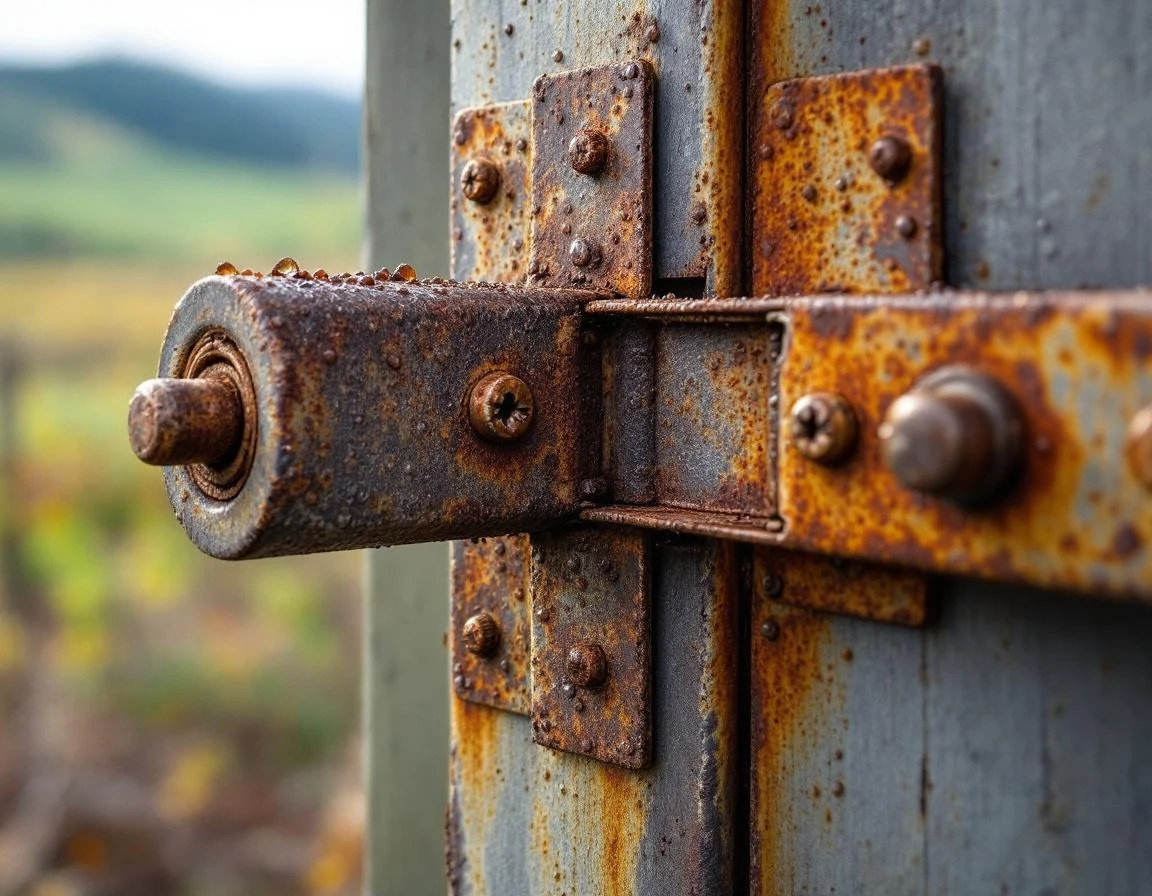
Your garage door’s springs, hinges, and track brackets corrode first because they’re exposed metal without protective paint or coating. Springs face an especially tough challenge—the constant tension keeping your door balanced creates stress that accelerates rust spread once moisture penetrates the surface. In Sheridan’s valley fog and harvest humidity, moisture clings to these metal surfaces for hours, creating ideal conditions for corrosion.
Roller wheels and track guides often rust internally, where you can’t see the damage. The first sign is usually a sticking or grinding door rather than visible corrosion. By the time you notice the function loss, moisture has already compromised the smooth operation.
Galvanized hardware holds longer than bare steel but still fails faster in valley fog environments—typically within 18 to 24 months compared to stainless steel’s three-plus years. Carport conversions and detached garages with aluminum or uninsulated doors suffer accelerated corrosion because condensation forms on interior surfaces where moisture cannot evaporate. Understanding garage door hardware rust progression in Yamhill County helps you act before damage becomes severe.
Early detection of rust on springs or hinges helps you avoid costly replacement work down the road.

May–October Seasonal Prevention Timeline
Sheridan’s seasonal humidity patterns demand a maintenance calendar that syncs with valley weather—not a generic schedule. Here’s your month-by-month how to prevent garage door rust Oregon roadmap customized to wine country conditions.
- May: Conduct a full inspection of all garage door hardware after winter fog exposure ends. Look for white oxidation on springs, hinges, brackets, and tracks—this early rust shows where moisture penetrated protective coatings. Apply rust-preventive oil to all moving parts and exposed metal surfaces. Schedule professional lubrication this month to catch internal track corrosion before summer heat sets in.
- June–July: Re-inspect monthly, paying special attention to detached garages and carport conversions where ventilation may be inadequate. If humidity stays above 70% for extended periods, add ventilation to prevent moisture buildup. Check for condensation on metal surfaces early in the morning.
- August–October (Harvest Season): Increase inspections to every two weeks during peak humidity. Apply additional protective coating to springs and hinges in mid-August and again in early October when valley fog returns. These checkpoints align with harvest activity when moisture levels spike.
- Post-Harvest (October): Schedule professional lubrication after harvest wraps to seal hardware against winter moisture and verify no corrosion developed during the humid season.
Why this timing matters: Spring inspections catch winter damage. Summer maintenance prevents pre-harvest corrosion. Harvest-season checks happen when humidity peaks. Skip even one checkpoint, and rust progresses silently—turning preventive maintenance into costly emergency repairs by the following season.
DIY Inspection & Treatment Steps for Garage Door Rust Prevention Sheridan Oregon
Set aside 15–20 minutes each month for a simple inspection routine that prevents the $2,500 emergency spring replacement. Start by visually examining all metal hardware for white powder (zinc corrosion on galvanized parts), discoloration (brownish-orange oxidation), or pitting (small divots where rust has eaten through protective coatings). Wipe affected areas with a dry cloth, then apply rust-preventive oil to springs, hinges, tracks, and roller shafts.
Use products designed for metal protection: WD-40 Specialist Corrosion Inhibitor, 3-in-1 Multi-Purpose Oil, Blaster Garage Door Lubricant. Or Liftmaster Lube. Apply a thin, even coat—excess oil attracts dust that traps moisture. Open your door slowly while listening for grinding or sticking sounds that signal internal roller corrosion requiring professional cleaning.
For detached garages and carport conversions common in Sheridan and Carlton, moisture enters through worn weatherstripping, gaps around door frames, and missing overhead coverage. Inspect door seals monthly and replace cracked rubber. If your detached garage lacks the thermal buffering of an attached structure, consider installing a 50-pint dehumidifier during harvest season when indoor humidity climbs above 65%. These low-cost barriers—new weatherstripping runs $30–50, dehumidifiers start around $200—stop the fog and harvest humidity that otherwise corrode hardware within months.
When to Call a Professional
While monthly inspections help you catch rust early, some situations demand professional expertise. If you spot pitting or flaking on your springs—small holes or surface loss on the coiled metal—stop using the door immediately. Springs are under hundreds of pounds of tension. And corrosion weakens their structural integrity. A spring that looks surface-damaged can snap during operation, causing explosive failure that injures people or destroys property. This is not a DIY repair scenario.
If grinding or binding continues after you’ve lubricated tracks and rollers, the problem likely lies in internal corrosion you can’t see—rust inside roller bearings or on track brackets. Professional technicians have the tools to diagnose hidden corrosion and realign components before the door fails completely.
For detached garages in Sheridan or Yamhill where indoor humidity remains persistently improved despite your dehumidifier use, you’re dealing with structural moisture problems—poor ventilation, water intrusion through walls, or foundation issues. Professionals can assess the building envelope and recommend targeted fixes that go beyond what homeowners can DIY.
Timing matters for cost control. Scheduling one professional inspection in May or early June—before harvest humidity peaks—typically costs $150 to $250. If rust progresses to visible hardware failure in October, you’re looking at emergency replacement ranging from $1,200 to $2,500. Early professional assessment prevents late-season disaster.
Printable May–October Checklist
Use this one-page maintenance tracker to stay ahead of rust damage throughout Sheridan’s high-risk season. Each month from May through October, check the boxes for visual inspection (springs, hinges, brackets, rollers), lubrication date, protective coating application, humidity check. And notes. Include space to record your door opening/closing test—smooth operation versus grinding sounds—plus weatherstripping condition and carport or detached garage ventilation status.
Photograph your hardware condition at the start of May, then again in July and September. These images document rust progression and provide critical evidence for insurance or warranty claims if hardware fails unexpectedly. Set phone reminders for the 1st and 15th of each month to prompt your inspection and treatment routine. Remember that harvest season from August through October demands more frequent checks as humidity spikes.
This simple checklist prevents costly emergency replacement by catching rust while it’s still manageable. Tape it to your garage wall and commit to the two-minute checks that protect your investment all season long.