Why April Matters in Wine Country
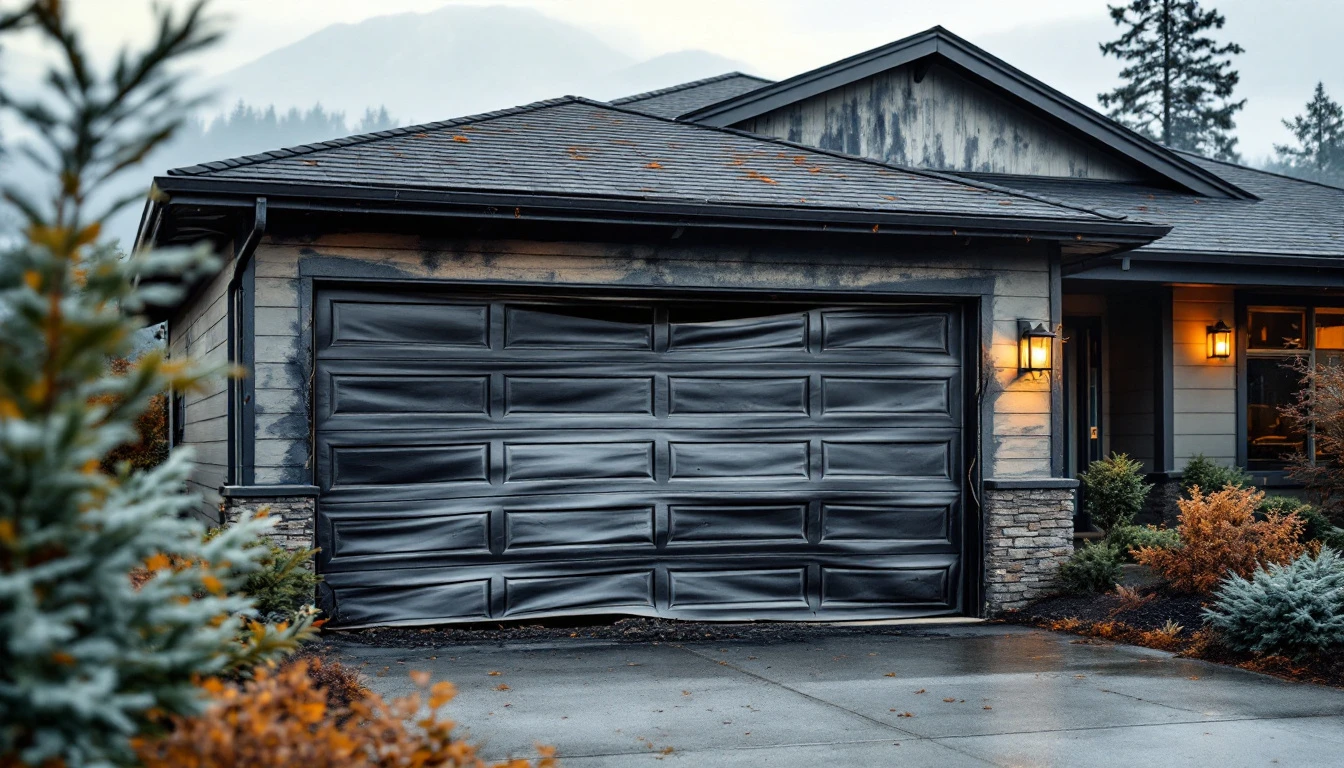
April marks the critical post-winter inspection window when Yamhill County homeowners should assess garage door rust damage before tourism season begins. For those in Lafayette and surrounding areas, addressing garage door rust Lafayette Oregon now prevents costly replacements later.
Spring tourism season begins May; curb appeal
When wine country visitors arrive in May, first impressions shape property perception and market value. A rusted, stained garage door tells potential buyers or tasting room guests that maintenance has been deferred. For Lafayette and nearby Yamhill County properties along the river corridor, curb appeal becomes especially important as tourist traffic increases through harvest season.
Proximity to the Yamhill River creates persistent moisture exposure that accelerates rust formation on steel components and hardware. Older farmhouse garage door structures common throughout the region often lack vapor barriers, allowing groundwater to wick upward and create humid conditions inside detached garages where metal brackets and springs remain damp between rain events.
Post-winter inspection window closes quickly
April’s dry window won’t last long. As temperatures climb and Yamhill River humidity returns, rust damage that seemed manageable in March can spread rapidly across garage door panels and hardware. The transition from spring’s moderate temperatures to summer’s warm, moisture-laden mornings creates ideal conditions for corrosion to accelerate.
Early intervention during this brief inspection period prevents $2,000–$5,000 replacement costs before peak tourism season.
A single rusted panel caught now might need only spot treatment and protective coating. Wait until June, and that same panel could require full replacement as rust penetrates deeper into the metal substrate, compromising structural integrity.
Identifying Rust Damage Types in Your Garage Door
Before you can fix rusty garage door panels wine country conditions have created, you need to understand what you’re looking at. Surface rust appears as orange or reddish-brown discoloration with a powdery texture. This type sits on top of metal surfaces and wipes away easily with a cloth. Structural corrosion goes much deeper—you’ll see pitting in the metal, flaking chunks, or panels that feel thin when you press on them.
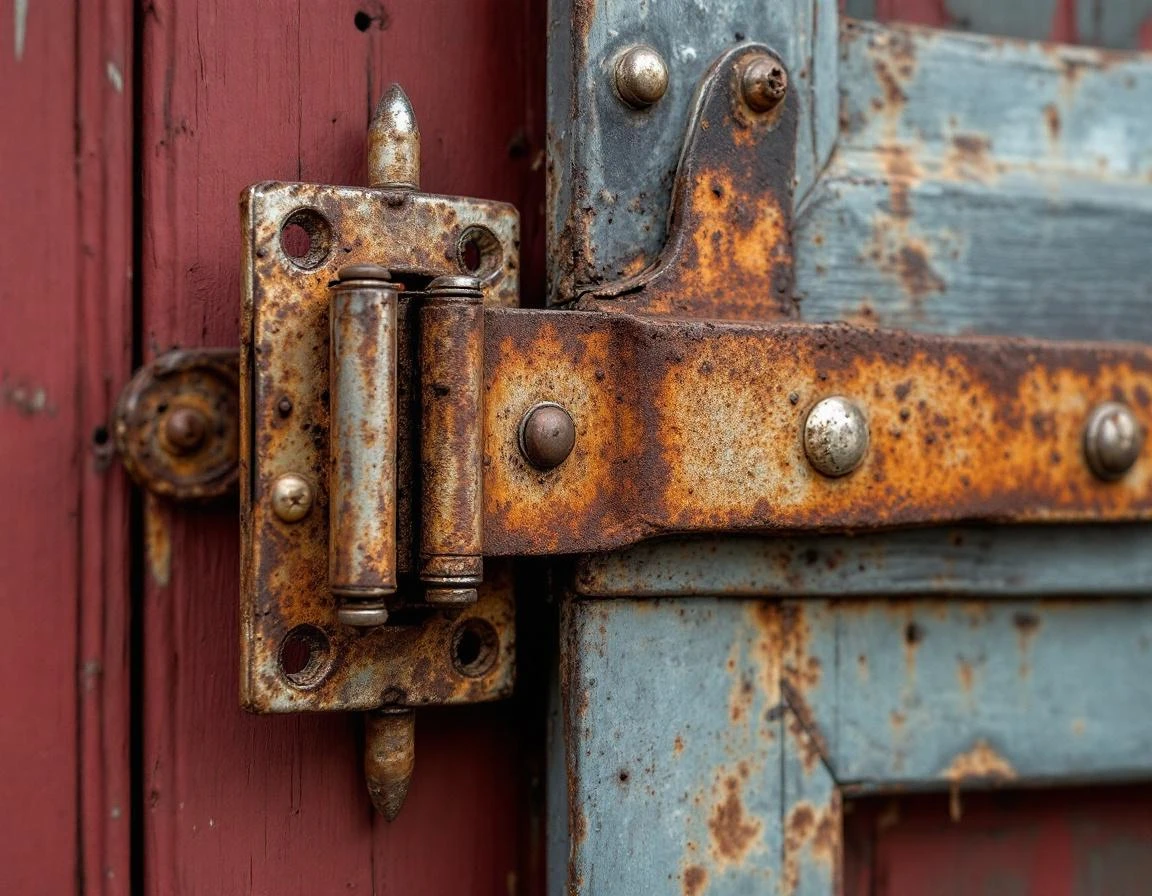
Hardware rust affects different parts of your door than panel rust, and each demands different attention. When springs, tracks, rollers, or hinges show orange discoloration or rough spots, you’re dealing with a safety issue. Corroded hardware can fail during operation, causing sudden drops or binding. Panel and frame rust primarily impacts how your home looks from the street, but don’t ignore it—surface rust spreads to structural damage when left untreated.
Start your April inspection at the bottom panel, which sits closest to moisture-collecting concrete. Look for orange powder, water stains, or white crusty deposits near bolts and fasteners. Check each hinge for discoloration where metal touches metal. Photograph rusty springs or tracks—these images help professionals assess whether you need immediate replacement or can wait until scheduled maintenance.
This systematic approach connects directly to your repair-versus-replace decision. Minor surface rust on panels might need only cleaning and coating. Pitted springs or corroded tracks signal immediate professional attention to avoid the $2,000–$5,000 replacement cost that comes after total failure.
DIY Rust Prevention & Minor Repairs
If your April inspection revealed surface rust—that brownish discoloration on bottom panels or hardware—you can often stop it from spreading with a weekend afternoon and basic supplies from your local hardware store. For Lafayette’s riverside climate, where morning fog lingers around the Yamhill River and humidity hovers even on sunny days, choosing the right products makes the difference between temporary fixes and lasting protection.
Start with white vinegar for light surface rust. Soak a cloth in undiluted white vinegar and wrap it around rusted hardware for 15–20 minutes, then wipe clean with a soft rag. For panel rust, spray vinegar directly on the spot, let it sit, then gently scrub with a non-abrasive pad. Avoid aggressive wire brushing—it scratches protective coatings and spreads rust particles into surrounding metal. Commercial rust removers work faster on stubborn spots. But always follow manufacturer directions and rinse thoroughly.
Once rust is removed, apply a rust-inhibiting primer to bare metal, then seal with clear metal paint or automotive wax. Yamhill County’s humidity demands products rated for marine or outdoor use—look for “moisture barrier” or “rust converter” on the label. Next, replace cracked weatherstripping around door edges and seal gaps where water collects near the garage foundation. Check that gutters drain away from the building.
These tasks require an afternoon and modest supplies investment. That action now prevents the accelerated corrosion that turns minor rust into expensive replacement projects by next spring. Complete this work before May’s warmer temperatures and increased humidity create ideal conditions for rust to spread rapidly across your door panels.
When to Call a Professional
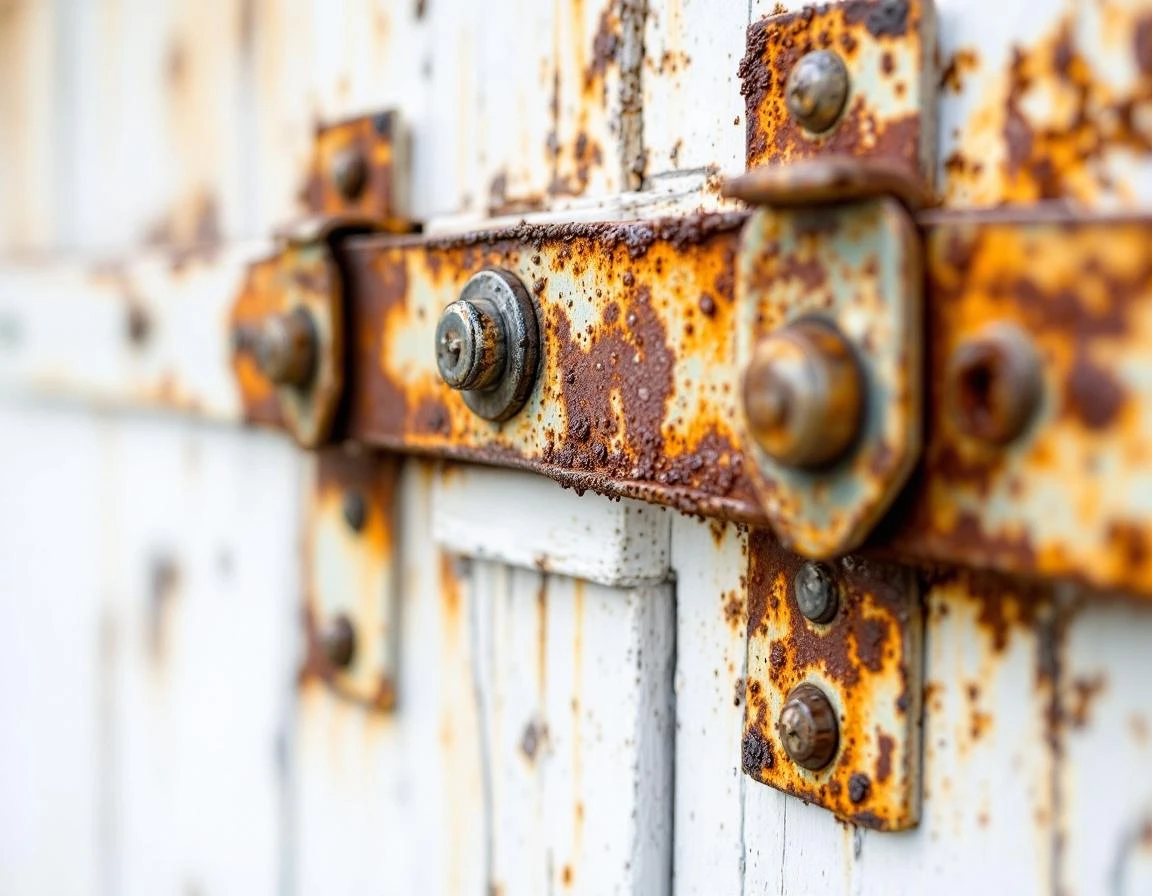
Not all rust damage is a DIY project. When corrosion affects springs, tracks, or hinges, your garage door’s balance and safety are compromised—and that’s when you need professional expertise. Hardware rust that causes doors to stick, operate unevenly, or require extra force to open signals a problem beyond surface-level treatment.
Look for these structural indicators:
- Rust holes penetrating panels
- Deep pitting on cables or brackets
- Visible flaking on torsion springs
These conditions require professional diagnosis because they involve load-bearing components operating under tension. A professional assessment protects both your investment and your family’s safety.
Professionals offer solutions that extend your door’s life without breaking the bank. Chemical rust treatment can add 3–5 years to corroded hardware, while targeted panel replacement typically costs $400–$1,200—a fraction of the $2,000–$5,000 you’d spend on complete door replacement. For Lafayette and Yamhill County homeowners managing garage door maintenance, this repair-versus-replace decision directly protects property values in wine country’s competitive real estate market.
Here’s the scheduling reality: book your April appointment now. Professionals fill their spring maintenance slots quickly, and early April service guarantees completion before May’s tourism season arrives. Wait until May or June, and you’re looking at multi-week delays when every wine country weekend brings visitors past your property. That curb appeal window closes fast.
Repair vs. Replace Decision Matrix
When does a repair make sense versus a full replacement? The answer depends on how many rust issues you’ve identified and where they’re located. If your April inspection revealed isolated rust spots—say, corroded hinges, a rusted bottom panel corner, and surface oxidation on the track—targeted repairs can extend your door’s life for years to come. Hardware replacement, panel swaps, and rust treatment address specific problems without replacing the entire system.
Replacement becomes the smarter investment when you’re facing widespread corrosion across multiple panels, rusted-through structural components, or a door that’s already well past its functional lifespan. At that point, a new door eliminates an escalating series of repair bills and protects your property value in Yamhill County’s competitive wine country market.
Wine country buyers and tourism visitors notice gleaming garage doors. A new door signals active property maintenance and pride of ownership. Patched panels and visibly treated rust spots suggest deferred maintenance, which can reduce perceived value even if the repairs are structurally sound.
Material choice matters in riverside humidity:
- Steel doors cost less upfront ($800–$2,000 installed) but require ongoing rust prevention maintenance in Lafayette’s damp conditions
- Composite or fiberglass doors resist corrosion entirely, cost $2,500–$4,000, and eliminate future rust concerns while delivering permanent curb appeal
Think of replacement as an investment in resale value, not just aesthetics—April action prevents costly emergency replacements and protects what your home is worth.
April Maintenance Schedule & Next Steps
Now that you’ve assessed your garage door’s condition, transform that knowledge into action with this four-week timeline designed for Yamhill County’s pre-tourism schedule.
- Week 1 (early April): Complete your visual inspection using the checklist provided earlier. Photograph every rust spot, damaged weatherstripping, and compromised seal—these images will help professionals provide accurate quotes and serve as your baseline for tracking future deterioration.
- Week 2: Tackle DIY maintenance tasks. Clean surface rust with vinegar or commercial removers, apply rust-inhibiting primer to treated areas, and replace worn weatherstripping around door edges. This week’s four-hour investment prevents minor problems from becoming major repairs during humid May-June conditions.
- Week 3-4: Request professional quotes from 2-3 local providers if your inspection revealed structural rust, hardware corrosion, or extensive panel damage. April appointments are still available—May and June bookings face 4-8 week waits as contractors enter their busy season. McMinnville and Newberg homeowners especially benefit from early scheduling before wine country visitors arrive.
Once repairs are complete, maintain your investment through tourism season with monthly visual checks from May through September. Watch for new rust formation, particularly on bottom panels near moisture sources. Re-seal weatherstripping every two years and address any rust spots immediately—catching problems early keeps your garage door attractive for the thousands of visitors exploring Oregon wine country each summer.