Riverside Humidity & Rust Acceleration: Garage Door Rust in Kalama
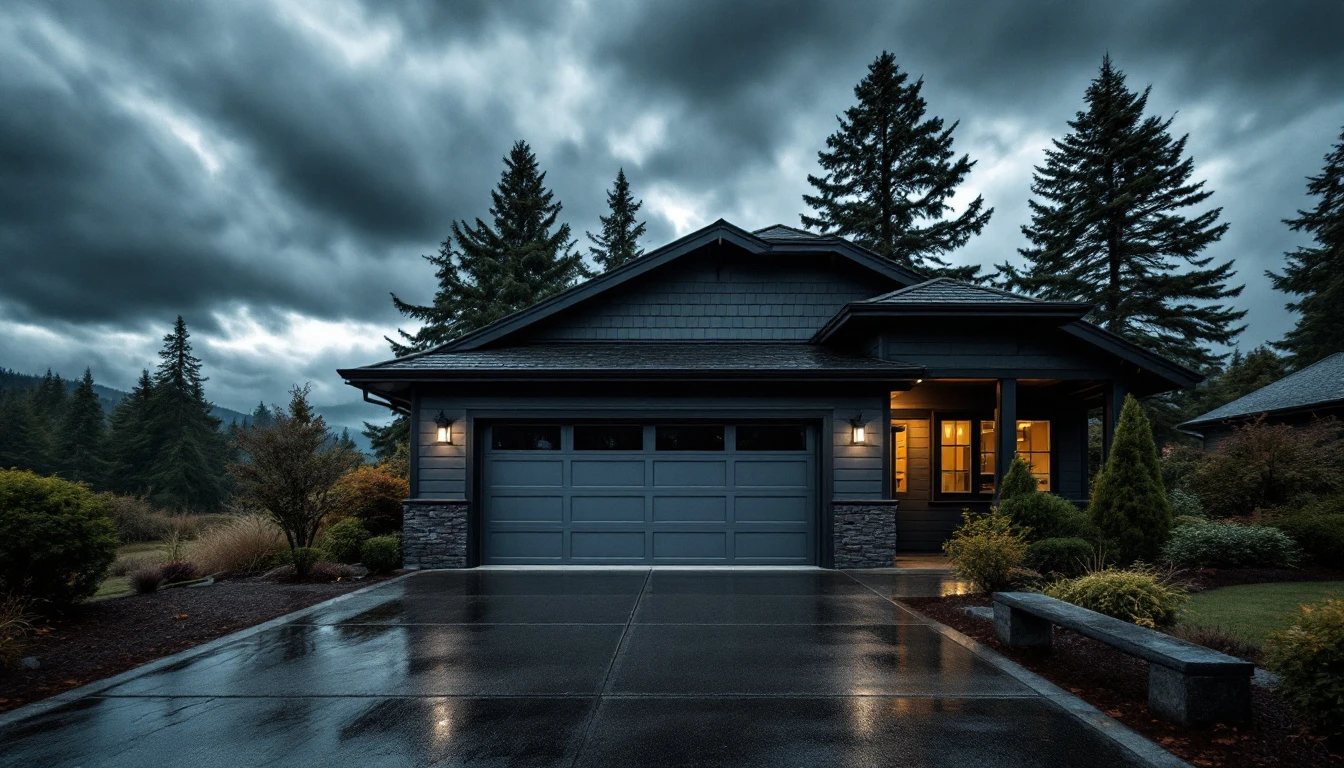
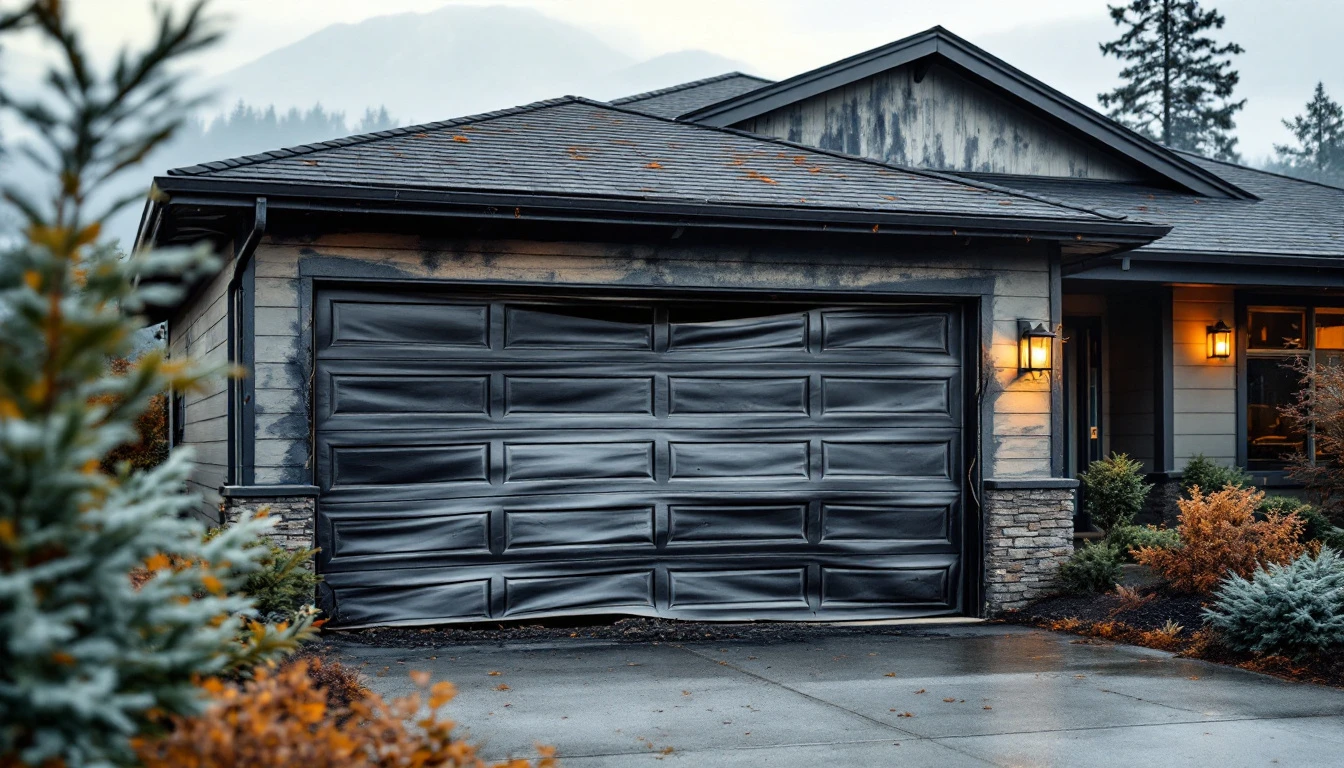
Kalama’s location between two major waterways creates a persistent moisture challenge that most Pacific Northwest communities don’t face. Homes near the Kalama River and Columbia River sit in an environment where humidity stays improved year-round, creating ideal conditions for metal corrosion. This riverside microclimate affects your garage door in ways that matter to your wallet and your safety. The combination of garage door rust from Kalama humidity affects metal components faster than in inland areas, making proactive protection essential.
Metal components bear the brunt of this moisture exposure. Springs, hinges, tracks, and hardware all contain steel that oxidizes rapidly when exposed to humid air. The constant moisture doesn’t just create surface rust—it penetrates metal grain structures, weakening components from the inside out. Properties within a mile of the rivers show visible rust damage on unprotected hardware within 18-24 months, while similar homes just five miles inland in drier areas might not see comparable corrosion for 4-5 years.
The most vulnerable component? Your spring system. Unprotected torsion springs in Kalama’s riverside humidity can fail 2-3 years earlier than the same springs installed in drier Washington communities. When a spring snaps unexpectedly, you’re looking at emergency service calls and rushed repairs. Prevention through quarterly maintenance costs 60-70% less than emergency spring replacement or full hardware restoration after rust takes hold. The choice isn’t whether moisture will affect your garage door—it’s whether you’ll address it before or after expensive failures occur.
Spring System Vulnerability Assessment
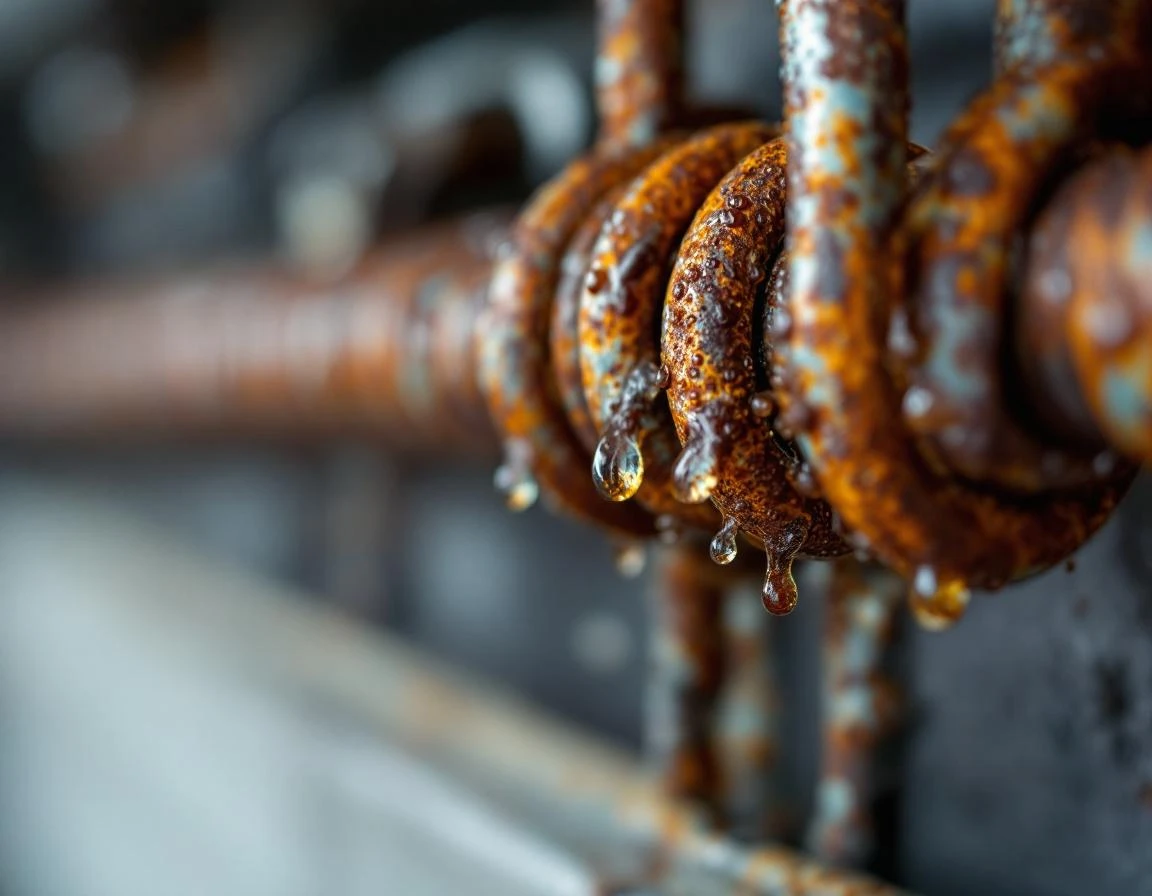
Your garage door springs are the first components to show distress in Kalama’s riverside humidity. Torsion springs mounted above the door and extension springs along the tracks face constant exposure to moisture-laden air that penetrates from the Columbia and Kalama Rivers. When you notice orange or brown discoloration on spring surfaces, that’s not just cosmetic—it signals interior corrosion actively weakening the metal’s structural integrity.
Understanding the difference between surface rust and structural corrosion can save you hundreds of dollars. Early-stage rust appears as light orange or brown spots on the spring coils. Advanced corrosion shows deep pitting, flaking metal, or white crusty residue around the coils. At this stage, the spring’s load-bearing capacity has degraded, and failure becomes imminent. Spring replacement runs $200-600 per spring. While preventive maintenance costs just $50-150 quarterly and extends spring life by 2-3 years.
Quarterly Inspection Schedule for Kalama Homeowners:
March (post-winter): Check for white corrosion residue after frost cycles. Listen for grinding sounds during door operation. June (early summer): Inspect for rust progression and spring gap consistency. September (pre-fall): Assess coating integrity before rainy season. December (mid-winter): Look for moisture accumulation and ice formation on springs.
Warning signs demanding professional inspection include deep pitting that creates visible craters in the metal, changes in door movement sounds (grinding, squealing, or popping), visible cracks in spring coils, and springs that appear stretched or compressed unevenly. If you spot any of these conditions, stop using your garage door immediately and contact Garage Harmony for a safety assessment.
Catching rust during quarterly inspections prevents catastrophic spring failure that can damage your door, vehicle, or injure family members. Early detection through consistent monitoring gives you control over replacement timing instead of facing emergency repairs during winter storms.
Preventive Maintenance Tasks
A quarterly maintenance schedule protects your garage door from Kalama’s riverside humidity. Mark March, June, September, and December on your calendar for these essential tasks that prevent the corrosion damage that leads to emergency repairs.
Quarterly lubrication creates a moisture barrier that keeps rust at bay. Every 90 days, apply silicone spray lubricant to springs, hinges, and rollers. Hold the can 6 inches from each component and spray until the surface glistens. Silicone spray repels water better than oil-based products in humid environments. Budget $8-12 per bottle, which covers 2-3 applications. This simple step prevents moisture penetration that causes springs to corrode and fail.
Spring inspections catch rust before it spreads. During your March and September maintenance sessions, examine all exposed metal surfaces for reddish-brown spots or flaking paint. When you find surface rust, wire-brush the affected area, wipe clean, and apply rust-inhibiting automotive spray paint. A $6-8 can of rust-inhibiting primer followed by matching paint stops corrosion from spreading. This touch-up work takes 20 minutes but prevents $200-400 spring replacements.
Weatherstripping and track cleaning prevent water pooling that accelerates rust formation. Check your bottom seal and side weatherstripping for cracks or gaps where moisture seeps through. Replace worn weatherstripping immediately—this inexpensive maintenance task protects against standing water. Clean debris from tracks using a damp cloth, as leaves and dirt trap moisture against metal surfaces.
Hardware inspection completes your quarterly routine. Tighten all bolts and hinges, checking for rust on mounting brackets. Replace corroded bolts with stainless steel alternatives, which are readily available at any hardware store. This inspection takes 15 minutes but prevents hardware failure during winter storms when Columbia River humidity peaks.
Hardware & Fastener Protection
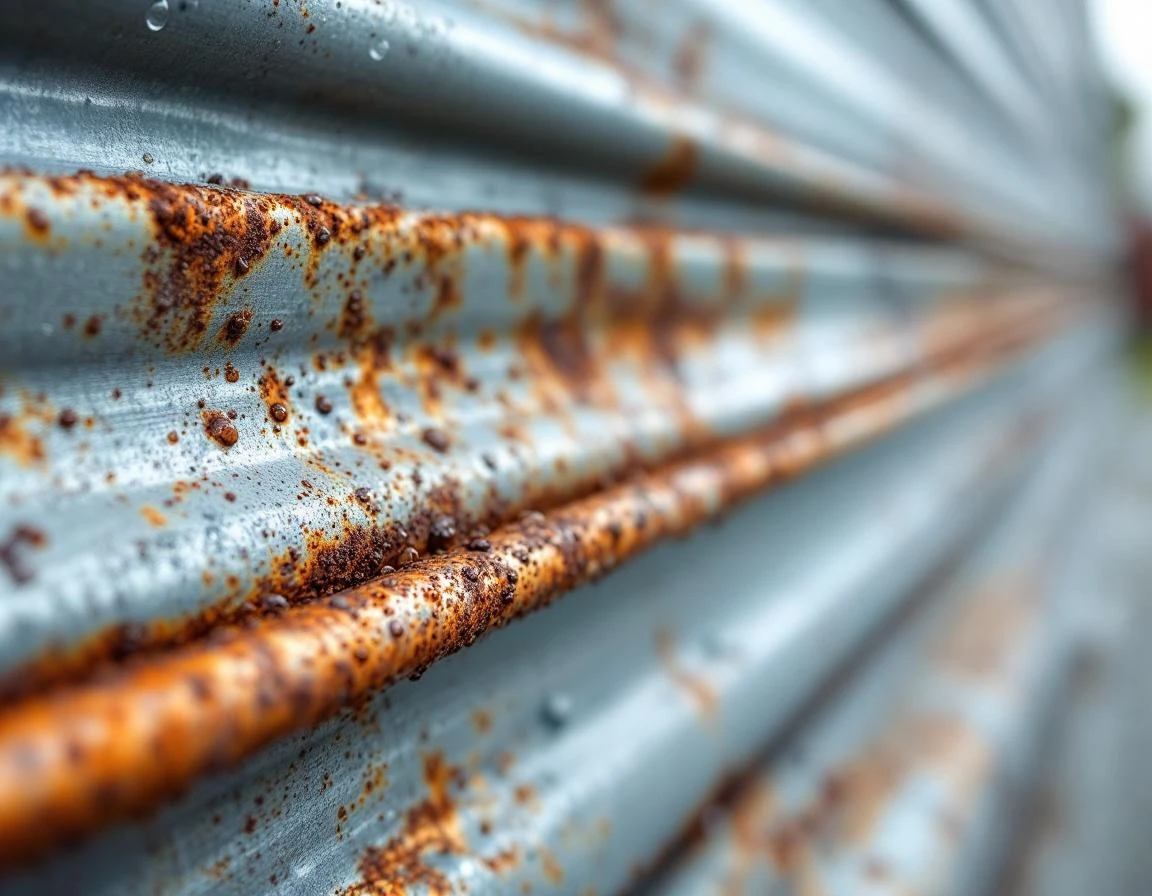
While springs get most of the attention, the dozens of bolts, hinges, and brackets holding your garage door system together face the same corrosion threats from Kalama’s riverside humidity. Roller brackets and hinge pins typically corrode first because they’re exposed to moisture on multiple surfaces and experience constant friction during door operation. End stops and track hardware follow close behind, especially where water pools at the base of vertical tracks.
Why does hardware matter so much? Failed fasteners create a cascade effect that stresses the entire system. A corroded hinge pin forces adjacent hinges to carry extra load, accelerating their wear. A brittle roller bracket can snap during operation, causing the door to bind or jam. These failures transfer stress directly to your springs and panels, creating the downstream problems you’ve been working to prevent.
Protecting existing hardware is simpler than you might think. Apply silicone grease sealant to all hinges, brackets, and bolts quarterly—the same schedule as your spring inspection. This creates a moisture barrier that blocks the humid air common near the Kalama River from reaching bare metal. Clean and lubricate your tracks at the same time, paying special attention to where the vertical track meets the floor, since pooled water sits against metal fasteners in this area.
When should you replace instead of protect? If you spot surface rust that flakes when touched, or if any fastener shows pitting or thread damage, replacement is more cost-effective than temporary fixes. Stainless steel bolts and hinges resist rust far better than galvanized steel in high-humidity riverside environments. A complete hardware upgrade typically costs $80-200 total—far less than the panel damage or spring failure that corroded fasteners cause.
Seasonal Moisture Management Strategy for Riverside Humidity Garage Door Maintenance
Kalama’s riverside humidity follows a predictable seasonal pattern that demands different maintenance responses throughout the year. Understanding when to intensify your inspection schedule protects your investment and prevents the accelerated failure that riverside properties experience.
April Through October: The Wet Season Protocol
From April through October, heavy spring rains and persistent moisture require bi-weekly inspection and lubrication. Check track bases after each major rain event—water pooling at the foundation accelerates rust formation on bottom brackets and track mounting hardware. Your garage foundation drainage should direct water away from the door; if puddles form near the tracks, redirect downspouts and clear debris from foundation drains before rust takes hold.
During this wet season, overnight humidity in riverside areas creates condensation on interior garage surfaces. This moisture film promotes corrosion on springs, cables, and unexposed hardware surfaces. Run a dehumidifier or improve ventilation by installing soffit vents to reduce interior moisture buildup.
November Through March: The Freeze-Thaw Challenge
Winter brings different risks despite lower rainfall totals. Monthly checks and weatherstrip maintenance become your priority. Freeze-thaw cycling pushes water into fastener holes and bracket mounting points, then expansion creates micro-cracks that accelerate corrosion. Inspect weatherstripping monthly and replace worn sections immediately—gaps allow moisture infiltration during freeze events.
Documentation Protects Your Investment
Keep a maintenance log with dates, findings, and tasks completed. Photograph any developing rust spots, panel corrosion, or spring surface changes. This documentation protects warranty claims and provides evidence for insurance if corrosion damage occurs. Call a professional when you observe visible deep pitting on springs, changes in spring movement patterns, or panel corrosion spreading beyond isolated spots—these indicate damage beyond DIY repair capability.
When to Call Professional Inspection
How do you know when your DIY maintenance efforts need professional backup? If you spot deep pitting in metal surfaces. Hear a spring that “pops” or sounds different than usual, or notice rust spreading from your door to garage panels, schedule an immediate professional assessment. These red flags signal internal damage that homeowners cannot diagnose with visual inspection alone, and the $100-150 inspection fee prevents catastrophic failures that cost thousands.
Professional technicians identify problems invisible to homeowners: internal spring corrosion that weakens coil integrity. Frame structural damage from rust progression, and opener strain caused by rust friction in moving parts. When surface rust penetrates deep enough to compromise panel structural integrity. Replacement becomes necessary before corrosion spreads to the frame. Panel replacement costs $200-600 per panel, but catching this early prevents frame damage that requires complete door replacement.
The cost comparison between prevention and emergency tells the story clearly. Quarterly DIY maintenance runs $50-150 in materials and time. Professional service costs $150-300 quarterly but handles what homeowners cannot. Emergency repairs after spring failure or panel collapse? $400-2000 or more. Plus the inconvenience of a non-functional garage door. For Kalama homeowners near the river who cannot perform DIY maintenance themselves, professional lubrication and rust treatment services represent smart investments that extend equipment lifespan.
Consider stainless steel spring replacement when corrosion becomes a recurring problem. While standard springs cost less upfront, stainless steel springs run $400-800 per spring and last 3-5 years longer in Kalama’s riverside humidity. The math favors durability when moisture attacks standard springs every season.