Energy Loss Through Uninsulated Doors
If your garage is attached to your home, there’s a good chance it’s costing you more than you realize. Garage doors account for 8-15% of total home energy loss in attached garages, especially during Oregon winters. That’s a significant chunk of your heating bill disappearing through one large, often-overlooked surface.
Here’s what’s happening: uninsulated metal and wood doors conduct temperature rapidly. When Eugene-Springfield temperatures drop to their typical winter range of 40-50°F, your uninsulated garage door acts like a thermal highway. Cold air floods in, and any warmth from your home’s heating system escapes right back out.
The impact doesn’t stay in your garage. Uninsulated doors allow conditioned air to escape and outside temperature fluctuations to penetrate the living spaces adjacent to your garage. Your furnace senses the temperature drop and works overtime to compensate, cycling more frequently and consuming more energy.
During our wet, cool winters in the Willamette Valley, this heating demand intensifies. The combination of sustained cold temperatures and high humidity means your heating system battles constantly against thermal transfer through that uninsulated barrier.
R-Value Ratings and Climate Performance
What exactly is R-value? It’s a measurement of insulation’s resistance to heat flow—the higher the number, the better your garage door stops temperature transfer. Think of it as a thermal barrier score: R-7 provides basic protection, while R-13 to R-18 delivers premium energy efficiency.
For Eugene-Springfield’s climate, this rating matters more than you might expect. Our wet winters and variable summers create constant temperature fluctuations that challenge uninsulated doors. The Willamette Valley’s moisture-heavy environment demands insulation materials that not only resist heat transfer but also withstand humidity without degrading.
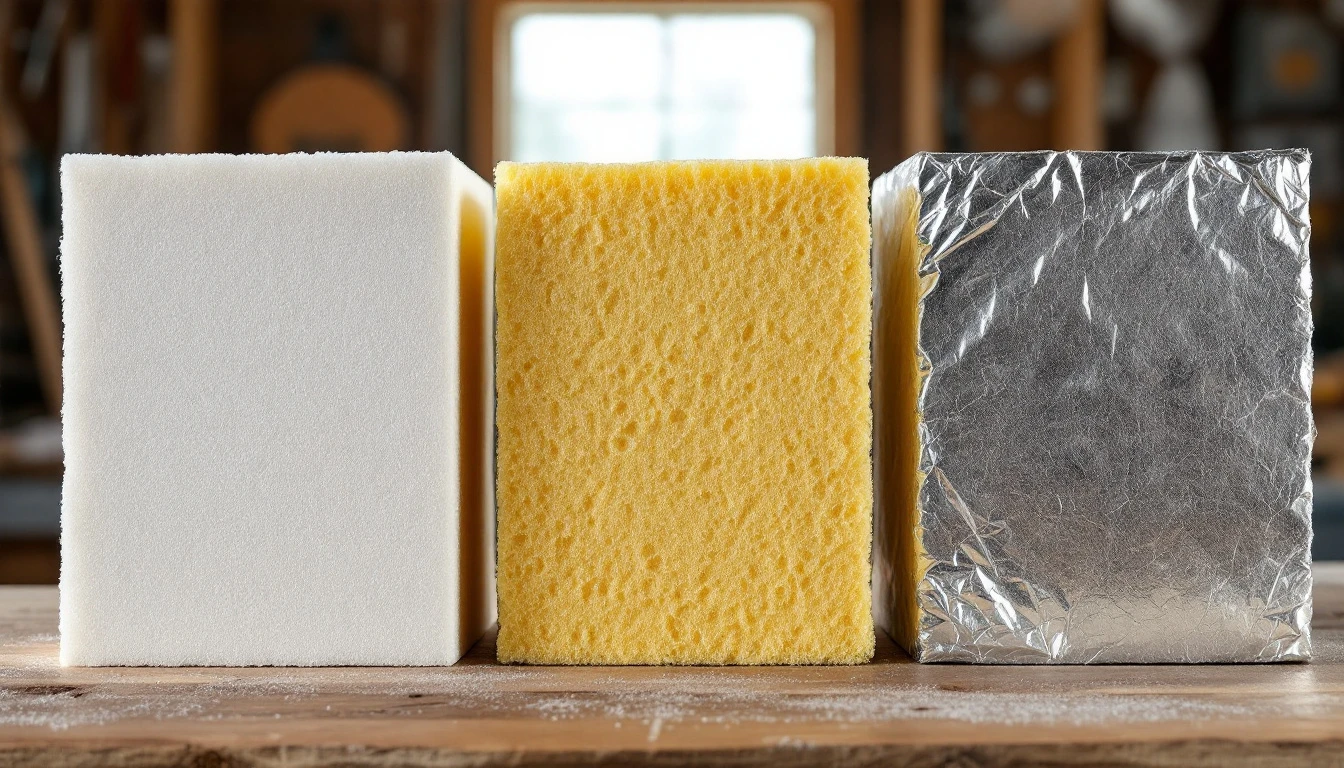
So which insulation performs best in Oregon conditions? Polyurethane foam leads the pack at R-7 to R-8 per inch, offering superior thermal resistance and moisture resilience. Polystyrene panels provide R-5 per inch at a lower cost, making them a solid mid-range option. Reflective barriers work well when paired with other insulation but shouldn’t stand alone in our climate.
Here’s the practical impact: upgrading from an uninsulated door (R-0) to R-13 insulation can reduce your garage’s heat loss significantly. For attached garages, that translates directly to lower heating bills—typically 10-15% annual savings. When you consider that heating costs average $800-1,200 yearly for Willamette Valley homes, you’re looking at $80-180 back in your pocket each year.
Three-Step Savings Assessment
Ready to determine if garage door insulation makes financial sense for your home? This assessment will give you a clear picture of your potential return on investment.
Step 1: Find Your Current R-Value. Check the manufacturer’s label on your existing garage door, typically located on the edge or back panel. No label? Contact the manufacturer with your door’s model number, or assume an R-value of 0-2 for uninsulated steel or wood doors. Most Eugene-Springfield homes with attached garages have doors in this range.
Step 2: Calculate Your Annual Energy Impact. In our region, attached garages typically require heating 4-5 months annually. With Eugene-Springfield electricity rates averaging $0.12-0.15 per kWh, a poorly insulated garage door can cost you $120-180 annually in excess heating costs alone. Multiply your garage’s square footage by 0.8 to estimate heat loss through an uninsulated door, then apply your specific utility rate.
Step 3: Compare Costs Against Savings. DIY insulation kits run $200-600, while professional installation ranges from $800-1,500 for a standard two-car garage door. With projected annual savings of 10-15% on heating costs (roughly $100-150 for most attached garages), your payback period typically falls between 2-5 years for DIY projects and 5-10 years for professional installation. Attached garages show clearer ROI than detached structures since they directly impact your home’s thermal envelope.
Annual Savings Calculation Example
Let’s look at a typical Eugene-Springfield home with a 2-car attached garage and an uninsulated steel door. If your garage heating accounts for roughly 2,500 kWh annually (about 20% of your total home heating load), you’re currently paying $300-375 per year at local electricity rates of $0.12-0.15/kWh.
By adding R-13 foam insulation to that garage door, you can reduce this heating load significantly—saving 300-375 kWh annually. That translates to $30-56 in savings each year. For a DIY installation costing around $400, you’re looking at payback in 7-13 years. Professional installation at $1,000 extends that to 18-33 years.
Here’s the important part: garage doors typically last 30 years. Even with the longer payback period, you’re still accumulating savings for decades after the initial investment pays for itself.
DIY vs Professional Installation Costs
When budgeting for garage door insulation, you have two paths to consider. DIY foam board kits typically cost $150-400 for materials and require 2-4 hours of installation time with basic tools like a utility knife, measuring tape, and adhesive. Reflective barrier foil offers the most budget-friendly option at $80-150 for materials with just 1-2 hours of installation time, though it provides lower R-values.
Professional installation in the Eugene-Springfield area runs $800-1,500, including labor at local rates of $50-75 per hour, materials with appropriate markup, and custom fitting for irregular door panels. This route includes warranty protection and expert handling of complex door configurations.
DIY makes financial sense if you’re comfortable with basic home improvement projects and want to maximize savings potential. Professional installation becomes worth the premium when you have time constraints, need warranty coverage, or face unusual door configurations that require expert assessment.
Additional Benefits Beyond Energy Savings
While energy cost reduction drives most insulation decisions, garage door insulation delivers several compelling benefits that extend far beyond your utility bill. These secondary advantages often justify the investment even when pure energy ROI takes longer than expected.
Insulated garage doors significantly reduce strain on your HVAC system. When your attached garage maintains more stable temperatures, your furnace and air conditioner don’t cycle as frequently to compensate for temperature fluctuations. This reduced workload can extend equipment life by 5-10 years, potentially saving you $4,000-8,000 in premature replacement costs.
Noise reduction is another immediate benefit. Polyurethane foam insulation absorbs sound effectively, making garage door operation noticeably quieter. If you’ve ever been startled by a loud garage door at 6 AM, you’ll appreciate this improvement.
Finally, insulation provides important protection in Oregon’s moisture-heavy climate. The insulation layer creates a vapor barrier that prevents condensation from forming on door panels. This protection prevents rust on steel doors and rot on wood components, extending your garage door’s functional lifespan and maintaining its appearance for decades.
Next Steps: Getting Started in Eugene-Springfield
Ready to move forward? Start by inspecting your current garage door for an R-value label, typically found on the interior side panel or frame. If you can’t locate it, assess the door’s construction—single-layer steel doors usually have minimal insulation, while multi-layer doors may already provide R-8 to R-12.
Next, obtain 2-3 quotes from local Eugene-Springfield professionals to compare against DIY costs. Professional installation includes warranties and ensures proper fit, while DIY approaches can significantly reduce your payback period if you’re comfortable with the work.
Timing matters. Schedule your installation between August and September, before peak winter heating season arrives. This maximizes your first-year energy savings when your HVAC system works hardest.
Remember: garage door insulation is a long-term investment. With a 30-year door lifespan and payback periods ranging from 7-30 years depending on your chosen route, the cumulative savings add up substantially over time. Contact us today to discuss your specific situation and get expert recommendations!