Choosing between insulated vs non-insulated garage doors impacts your energy bills, home comfort, and long-term maintenance costs. Homeowners across Clackamas County face this decision when installing or replacing garage doors, and the answer depends on several factors unique to your home’s location, garage attachment, and climate exposure.
Understanding the differences between these door types helps you make a choice that balances upfront investment with ongoing performance. Let’s examine what sets insulated and non-insulated garage doors apart and when each option makes the most sense for your property.
Understanding Garage Door Insulation Basics
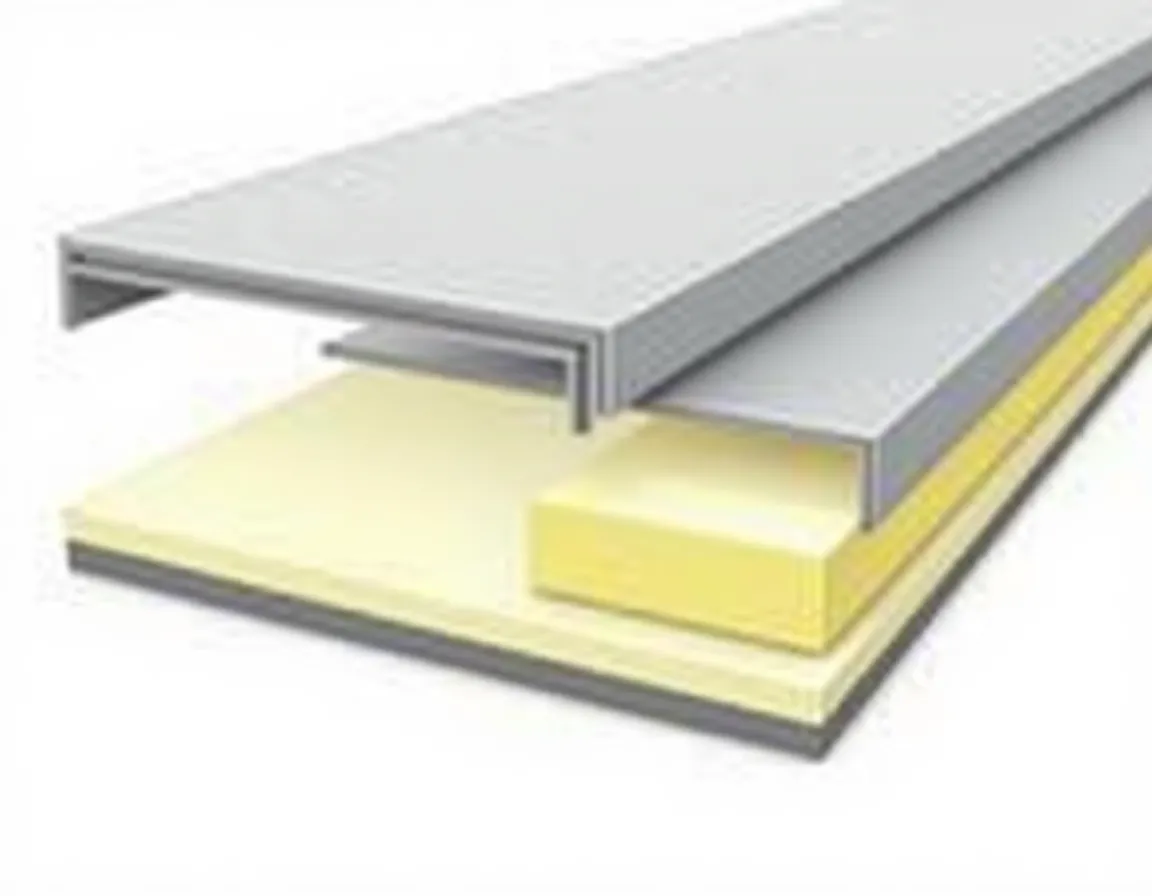
Insulated garage doors contain a core layer of foam or polystyrene sandwiched between steel or aluminum panels. This construction creates a thermal barrier that slows heat transfer between your garage and the outside environment. Non-insulated doors use single-layer construction without any thermal barrier materials, making them lighter but less effective at temperature regulation.
The effectiveness of garage door insulation is measured using R-values, which indicate thermal resistance. Residential insulated garage doors typically range from R-8 to R-18, with higher numbers providing better insulation. Most standard insulated doors fall in the R-12 to R-16 range, offering solid performance without premium pricing.
Beyond temperature control, insulated doors reduce noise transmission from outside traffic and weather. This feature becomes particularly valuable if you have living spaces above or adjacent to your garage. The added insulation dampens vibration and sound when the door operates, creating a quieter experience for everyone in your home.
Manufacturers use two primary insulation materials: polystyrene panels and polyurethane foam. Polystyrene panels are less expensive but offer lower R-values, while polyurethane foam expands to fill the entire door cavity, providing superior insulation and structural strength. For common insulation problems and solutions, proper installation and material selection make all the difference.
Insulated Garage Doors Benefits and Energy Savings
Insulated garage doors significantly reduce energy costs by maintaining more consistent temperatures inside your garage. When your garage stays warmer in winter and cooler in summer, attached garages don’t steal heat from your home’s living spaces. This means your HVAC system works less to maintain comfortable indoor temperatures throughout the year.
The climate control benefits extend beyond energy bills. Temperature stability protects vehicles, tools, and stored items from extreme temperature swings that can damage finishes, electronics, and mechanical components. Paint, chemicals, and sporting equipment all fare better in temperature-controlled environments.
Professional Insight: Attached garages with insulated doors typically maintain temperatures significantly warmer in winter and cooler in summer compared to non-insulated alternatives, reducing the thermal load on your home’s heating and cooling systems.
Enhanced structural rigidity is another advantage many homeowners overlook. The insulation core adds strength and stability to door panels, making them more resistant to dents from basketballs, bikes, and other garage mishaps. This improved durability translates to fewer repairs and longer door lifespan, especially in areas with harsh weather conditions.
Noise reduction creates a noticeably quieter operation, which matters considerably for homes with living spaces above garages or bedrooms near garage walls. The insulation dampens both operational noise from the door mechanism and external sounds like traffic or weather. For homes in Oregon’s wet climate, consider reading about how different materials perform in moisture-prone environments.
When Non-Insulated Garage Doors Make Sense
Not every situation demands the investment in insulated garage doors. Detached garages with minimal climate control needs represent the most common scenario where non-insulated doors make practical and financial sense. If your detached garage serves primarily as storage for lawn equipment or seasonal items, the temperature regulation benefits don’t justify the additional cost.
Budget-conscious homeowners seeking affordable entry-level solutions often choose non-insulated doors for good reason. When funds are tight and the garage isn’t heated or cooled, spending the premium on insulation provides minimal return on investment. Insulated doors cost more initially than non-insulated alternatives, with the premium varying based on door size, insulation type, and construction quality.
Mild climates where temperature regulation isn’t critical also favor non-insulated options. However, Clackamas County’s weather patterns don’t quite fit this category. Our region experiences enough seasonal variation that most attached garages benefit from insulation, particularly during wet winters and occasional summer heat waves.
Short-term rental properties or temporary installations might not warrant the insulated door investment either. If you plan to replace the door within a few years or the property serves as a transitional rental, the energy savings won’t accumulate long enough to offset the higher upfront cost.
Clackamas County Climate Considerations
Clackamas County experiences wet winters with temperatures ranging from 32-46°F in valley areas and colder conditions in foothill communities like Sandy and Estacata. These moderate temperature swings combined with high moisture levels create conditions where insulated garage doors provide measurable benefits for most homeowners.
Our region’s persistent rain and humidity make moisture infiltration a constant concern. Insulated doors help combat condensation that forms when warm, moist interior air meets cold door panels. This moisture control reduces rust, mildew, and the musty odors that plague many Pacific Northwest garages.
| Season | Valley Temperature Range | Foothill Areas (Sandy/Estacada) | Primary Weather Concern |
|---|---|---|---|
| Winter | 32-46°F | 25-40°F | Rain, ice storms, occasional snow |
| Spring | 42-62°F | 40-58°F | Heavy rain, flooding near rivers |
| Summer | 68-92°F | 65-88°F | Heat, possible wildfire smoke |
| Fall | 40-60°F | 38-56°F | Wind, increasing precipitation |
Local weather patterns justify the investment in energy-efficient garage door solutions for most Clackamas County properties. According to the U.S. Department of Energy, proper garage insulation can reduce energy costs and extend the lifespan of temperature-sensitive items stored in the space.
Proper insulation extends door lifespan in our humid conditions by reducing the thermal stress on door components. Temperature fluctuations cause expansion and contraction that can warp panels, strain springs, and accelerate wear on moving parts. For more information about protecting your garage door during winter months, see our guide on seasonal maintenance in Oregon.

Cost Comparison and Return on Investment
Insulated garage doors cost more initially than non-insulated alternatives. The premium varies based on door size, insulation type, and construction quality, but homeowners should budget for this upfront difference when planning their installation.
Energy savings accumulate over time, though the exact payback period depends on your specific situation. Attached garages in heated or cooled homes see returns more quickly than detached structures. Homes with living spaces above garages benefit most dramatically from the temperature regulation and noise reduction that insulation provides.
Long-term durability and reduced maintenance expenses offset premium pricing in ways that aren’t immediately obvious. Insulated doors resist dents better, require fewer panel replacements, and maintain their appearance longer than single-layer alternatives. The structural rigidity provided by the insulation core reduces strain on opener mechanisms and extends the life of springs and cables.
Home resale value increases with energy-efficient garage door installations, particularly in markets where buyers prioritize energy performance. The National Association of Realtors’ Remodeling Impact Report consistently shows that garage door replacement ranks among the top home improvements for return on investment.
When comparing costs, factor in the complete picture rather than just the initial purchase price. Consider energy savings, maintenance costs, longevity, and the value of improved comfort and noise reduction. For detailed pricing information specific to our region, check out our comprehensive cost guide.
Making Your Final Decision
Assess your garage’s primary use and climate control needs before deciding between insulated vs non-insulated garage doors. Ask yourself these questions: Is your garage attached or detached? Do you heat or cool the space? Does your garage share walls with living areas? Do you use the garage as a workshop or recreational space?
- Evaluate garage attachment: Attached garages almost always benefit from insulation because they directly impact your home’s energy efficiency and climate control.
- Consider usage patterns: Garages used as workshops, home gyms, or hobby spaces warrant insulation for comfort and usability year-round.
- Review local climate data: Clackamas County’s temperature swings and moisture levels favor insulated doors for most applications.
- Calculate your budget: Balance upfront costs against long-term energy savings and maintenance reductions.
- Factor in noise concerns: Living spaces above or adjacent to garages benefit significantly from insulated doors’ sound-dampening properties.
Local weather patterns and seasonal temperature extremes in Clackamas County create conditions where insulated doors make sense for the majority of homeowners. Valley communities like Oregon City, West Linn, and Wilsonville see enough seasonal variation to benefit from insulation, while foothill areas like Sandy and Estacada face even more extreme conditions that justify the investment.
Professional guidance helps clarify which option fits your specific situation. Regional factors like proximity to the Columbia River Gorge corridor, elevation differences between valley and foothill communities, and your home’s specific exposure to wind and weather all influence the best choice for your property. Understanding typical repair costs and installation considerations provides additional context for your decision.
At Garage Harmony, we help Clackamas County homeowners select the right garage door for their specific needs, climate exposure, and budget constraints. Our team understands the unique weather challenges across our service area, from Oregon City’s historic neighborhoods to Sandy’s mountain gateway location. Contact us today for personalized recommendations based on your home’s specific requirements and our 15+ years of experience serving the Pacific Northwest.