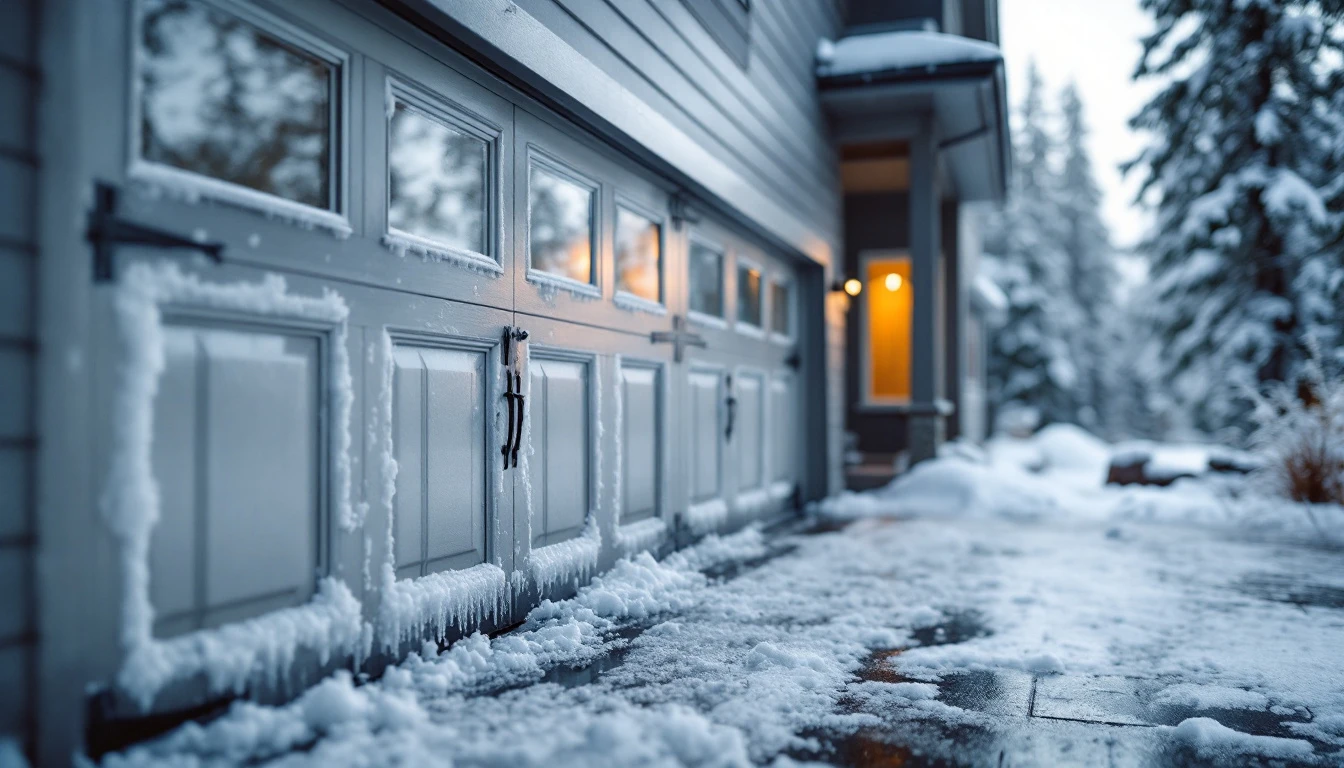
Central Oregon’s First Freeze Window
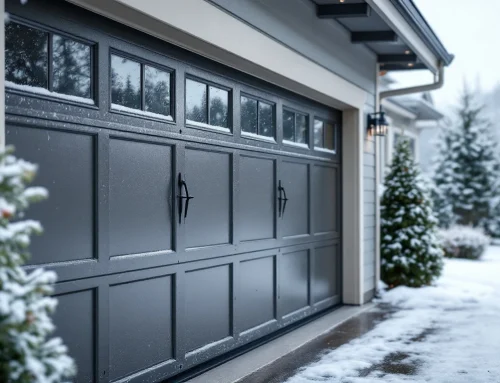
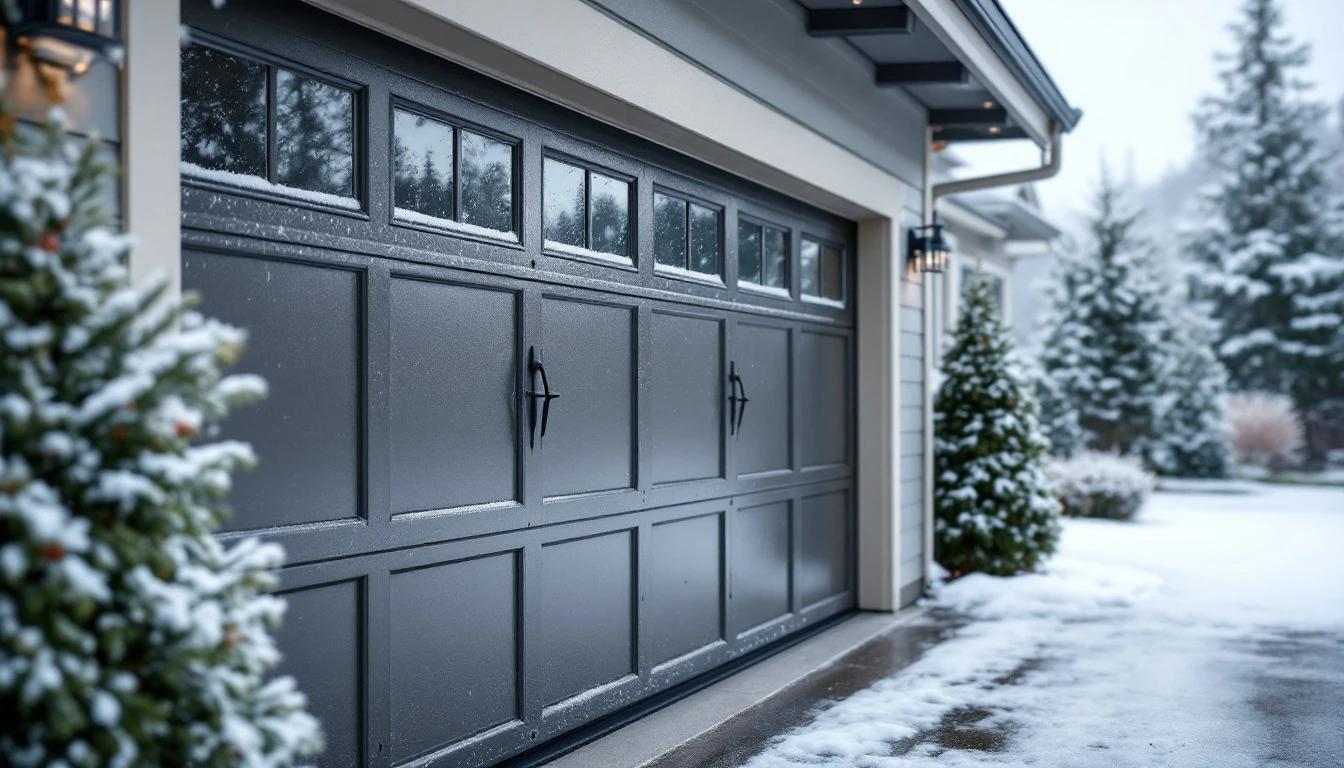
When does winter truly begin in Central Oregon? For your garage door, it’s not when snow falls—it’s when the first hard freeze hits. That critical threshold typically arrives between late October and early November. And it marks the moment when preventive garage door freezing temperature maintenance becomes nearly impossible to complete safely.
Why does timing matter so much? Freezing temperatures trap moisture and condensation inside garage door tracks, weather seals, and mechanism joints. Once water freezes in these components, you’re facing mechanical failure—stuck doors, cracked seals, and systems that won’t budge until temperatures rise again.
The window for action is narrow.
October and early November offer your only safe opportunity to complete preventive work before the freeze arrives.
Acting now means avoiding emergency service calls on bitter mornings and preventing expensive damage repairs that could have been stopped with simple maintenance.
Pre-Winter Inspection Checklist for Garage Door Freezing Temperature Maintenance
Set aside 15–20 minutes in October for a quick inspection that catches problems before freezing temperatures lock them in. Complete these inspection tasks:
- Start with your tracks: clear away debris, check for rust spots, and tug gently to confirm they’re securely attached to the frame. Separation or loose brackets let cold air seep in and throw your door off alignment.
- Test your door’s balance by disengaging the opener and lifting the door halfway by hand. Does it stay put, or does it drop or shoot upward? Poor balance forces your opener to work harder in winter and often signals worn springs that may snap when temperatures plummet.
- Inspect all weatherstripping, seals, and rubber gaskets along the bottom and sides. Look for cracks, brittleness, or missing chunks—damaged seals let frigid air pour into your garage.
- Operate the door a few times and listen carefully. Grinding, squeaking, or scraping sounds point to lubrication issues or worn rollers that will only worsen when winter arrives.
Found something concerning but short on time or skill to fix it? Contact us today for a professional assessment before the first freeze hits.
Lubrication Before Freezing
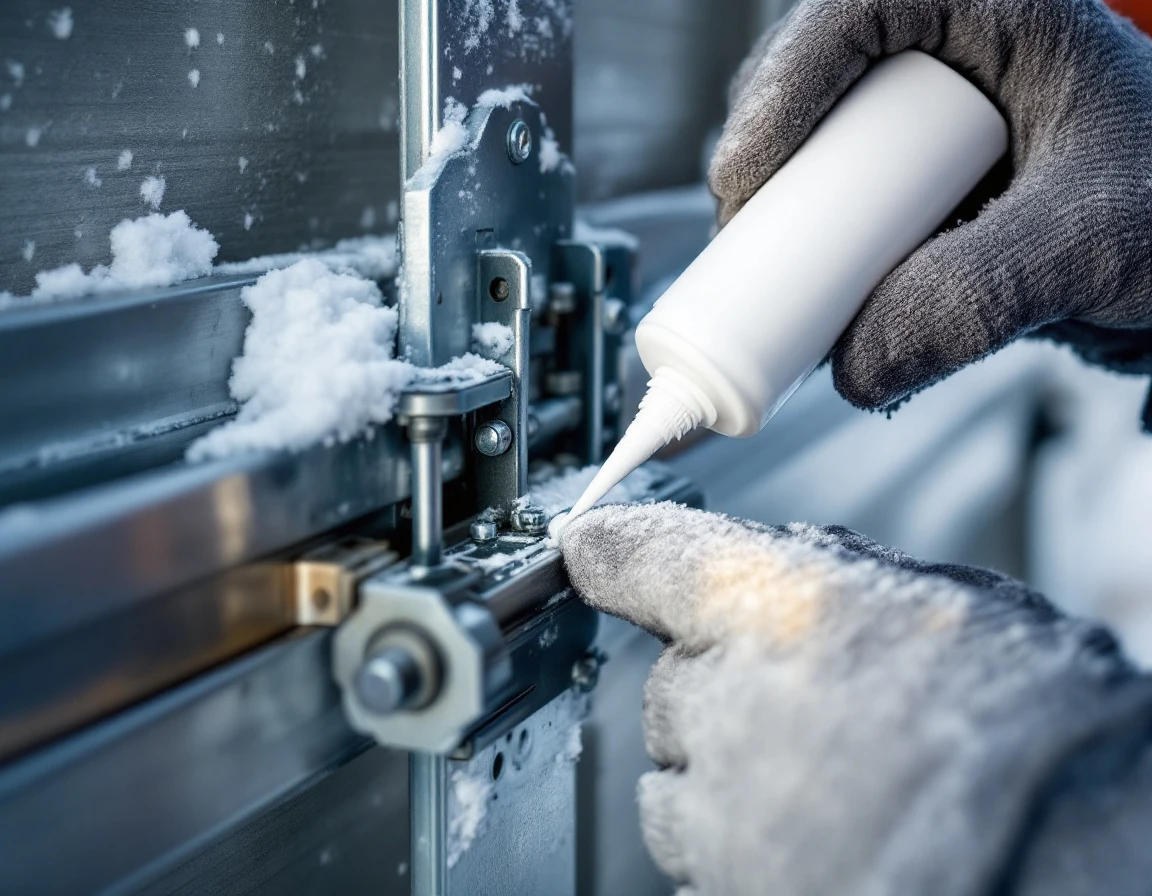
The right lubricant makes the difference between a door that glides through winter and one that binds shut on the first cold morning. Silicone-based spray lubricant is the only safe choice for freezing climates—it repels moisture instead of trapping it. WD-40 and penetrating oils attract water, while heavy grease collects dirt and ice crystals that lock up moving parts. This is a key part of winter garage door lubrication and care.
Apply a light coating to rollers, hinges, springs, and track edges in late October. Hold the spray can six inches away and use short bursts—two seconds per component is plenty.
Why does less matter more? Over-application creates sticky residue that captures moisture from winter air, forming ice pockets that bind the door overnight.
Plan a second light application in mid-winter. Salt residue from vehicles and moisture from snow tracked into the garage demand a maintenance touch-up to keep components moving freely through February.
Seal and Weatherstrip Maintenance
Your garage door’s bottom seal and side weatherstripping form the first line of defense against moisture infiltration. When these protective barriers crack or pull away from the door, they create gaps where cold air and water can enter, settling into tracks, rollers, and the spring assembly where it freezes overnight. This damage directly relates to garage door ice damage prevention.
Central Oregon’s dramatic temperature swings between sunny afternoons and below-freezing nights create the perfect conditions for condensation inside your garage. That moisture, combined with damaged seals, accelerates ice formation in critical moving parts. Inspect your weatherstripping now—look for brittle rubber, visible gaps, or sections that have pulled loose from their channels.
Can you run your hand along the seal and feel it crumble? It’s time for replacement. Minor dirt buildup cleans easily with soap and water, but compromised seals need swapping before October temperatures drop. Proper sealing prevents freeze-related failures while reducing heating costs and ice dam formation on your garage roof.
When to Call a Professional Before Winter
Some garage door issues require expert hands before winter arrives. If you notice grinding sounds, metal-on-metal contact, or rough door movement during your October inspection, professional diagnosis prevents bigger problems when temperatures drop. Springs, cables, and opener mechanisms are complex systems that demand specialized tools and training to repair safely.
Off-track wheels or visible spring damage are red flags that homeowners should never attempt to fix themselves. A professional autumn safety inspection typically costs $150–200, a fraction of what you’ll pay for emergency service when your door freezes shut in January. Technicians adjust components for seasonal stress and identify wear patterns that lead to cold-weather failures.
Did you discover problems during your October inspection? Contact us today! Our team at Garage Harmony has the expertise to prepare your garage door for Central Oregon’s winter conditions before the first freeze.
Emergency Action If Door Freezes
Never force the door open or engage the automatic opener—this causes catastrophic damage to springs, cables, and the opener motor, turning a minor ice problem into an expensive repair emergency.
If your door freezes, apply gentle heat using a heat gun or warm (not boiling) water along the frame edges and bottom seal where ice forms. Clear any ice buildup from the bottom tracks and weatherstripping, then test the door manually before using the opener.
Contact a professional immediately if the door remains stuck after gentle thawing or if you notice bent cables, hear unusual spring tension, or see damaged components. Attempting DIY repairs on frozen mechanical systems puts you and your property at risk.
Homeowners who complete their October maintenance checklist rarely need this troubleshooting section at all.