Fall Storms and Portland Outage Patterns
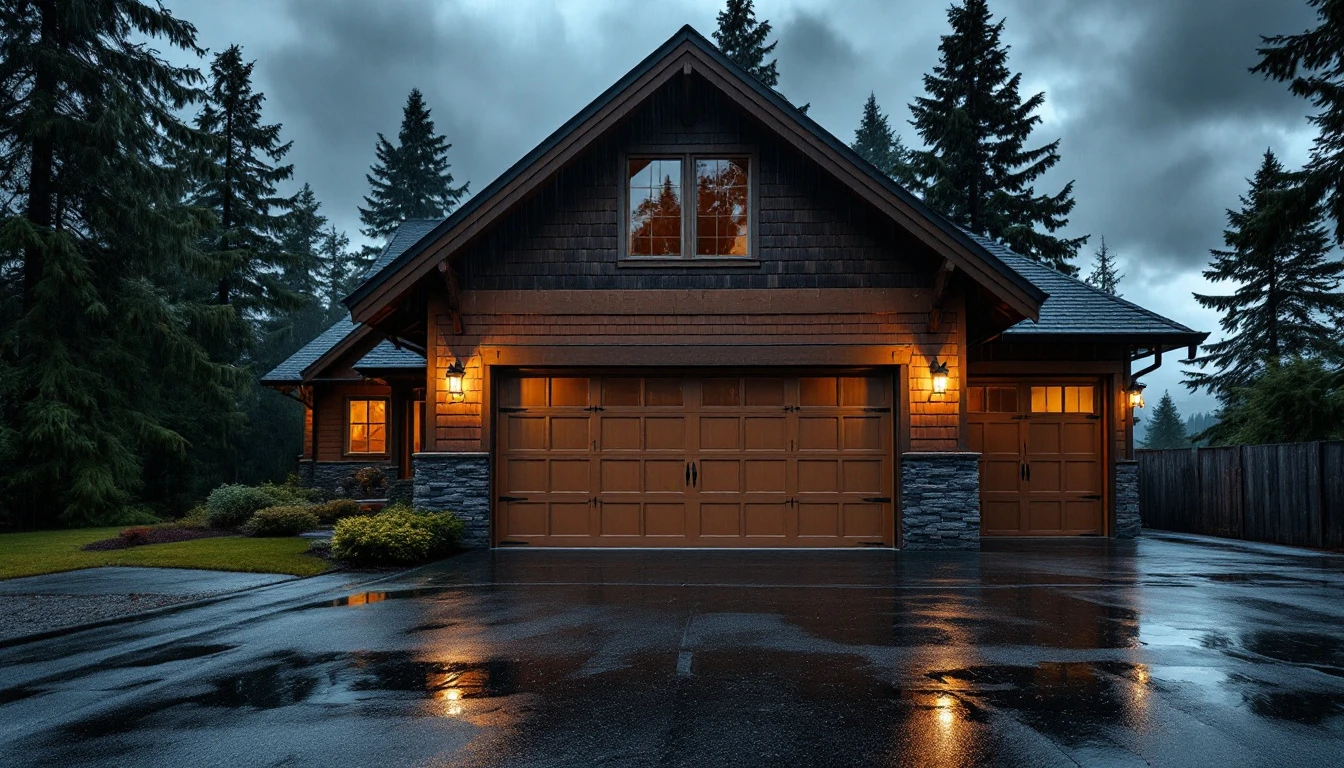
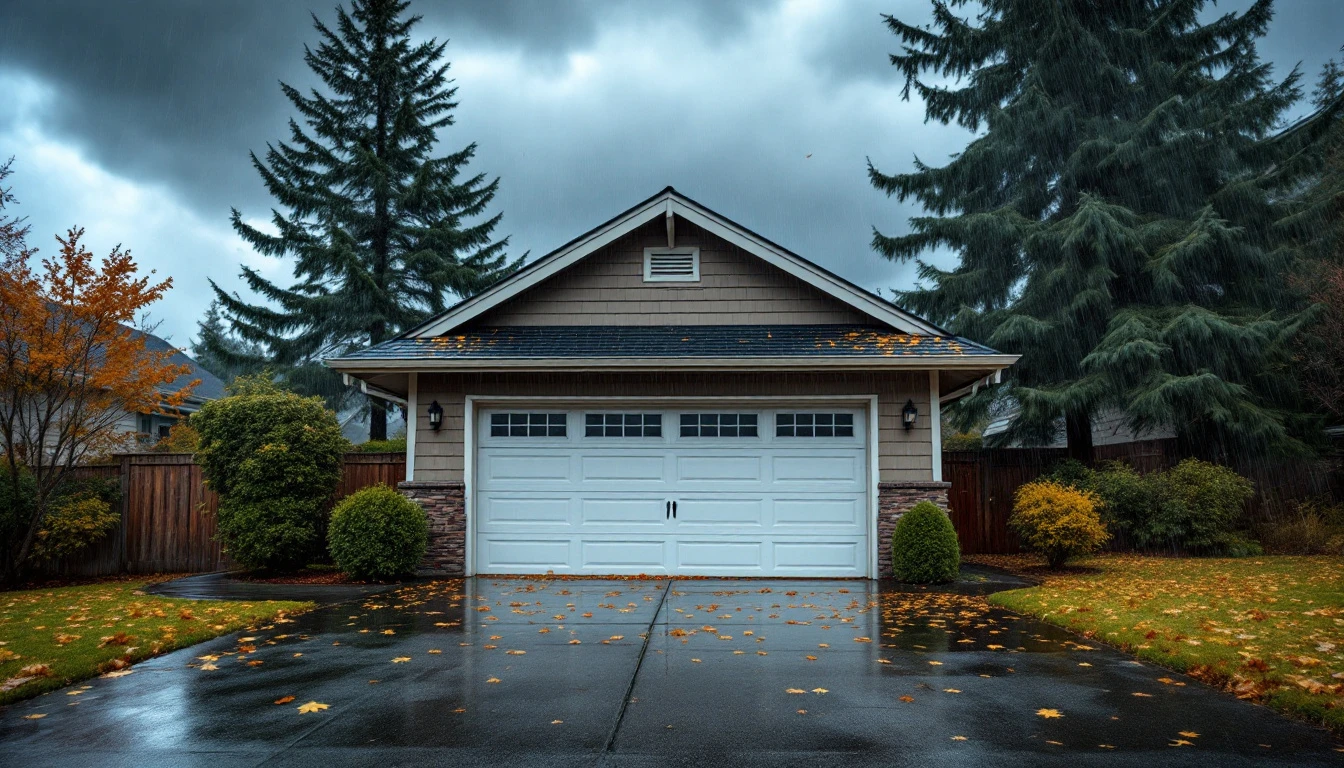
Portland’s fall and winter storms bring heavy rain, wind, and ice that frequently knock out power across the metro area, leaving homeowners without garage door access. Understanding how garage battery backup systems protect against these power outages helps you prepare your home for the season ahead.
Portland Metro Experiences Frequent November-February Power Outages
The Portland metro area faces regular power outages during the November through February storm season. Fall windstorms roll in from the Pacific, bringing heavy rain and powerful gusts that knock down trees and power lines. When temperatures drop, ice storms create additional havoc, weighing down branches and snapping utility infrastructure across the region.
Without backup power, your garage door opener becomes completely inoperable during these outages. Electric garage doors rely on constant power to function, which means you can’t open or close them when the grid goes down.
This traps vehicles inside your garage when you need to leave for work or emergencies, and prevents you from accessing your garage to retrieve tools, supplies, or shelter your car during severe weather.
Pacific Northwest Climate Intensifies Outage Risk
The Pacific Northwest experiences higher outage rates than most U.S. regions due to its unique combination of heavy rainfall, windstorms, and ice accumulation. Portland’s proximity to coastal weather systems and tree-dense neighborhoods creates conditions where falling branches frequently damage power lines. While other areas face occasional severe weather, the Pacific Northwest deals with sustained autumn and winter storm patterns that repeatedly stress electrical infrastructure, making backup power solutions particularly valuable for homeowners here.
Battery Backup System Types for Garage Power Outage Protection
When you’re shopping for garage door backup power in the Portland market, you’ll encounter three main categories of battery solutions. Each offers different levels of protection, installation complexity, and cost—understanding these differences helps you match the right system to your needs and budget.
- Plug-and-play battery backup units represent the simplest option for most homeowners. These systems integrate directly with your existing garage door opener, typically mounting to the ceiling rail or nearby wall. They automatically charge while grid power flows, then kick in smoothly when the lights go out. Most units provide enough runtime to open and close your door 20 to 50 times during an outage—more than enough for typical storm events in the Portland metro area.
- Standby power systems bridge from grid to battery automatically during outages, offering a middle-ground solution. These larger battery packs can power your garage door opener plus a few additional circuits like overhead lights or emergency outlets. Installation requires more electrical work than plug-and-play units, but they deliver extended runtime and can handle multiple simultaneous loads. For Oregon’s wet climate conditions, look for models with sealed battery compartments that resist moisture.
- Whole-garage battery solutions provide the most complete protection, essentially creating a mini power station for your entire garage space. These systems can keep your garage door, lights, outlets, and even electric vehicle chargers running for hours or even days. They cost more upfront and require professional electrical installation, but they transform your garage into a fully functional space regardless of grid status—particularly valuable during extended winter outages.

Installation and Maintenance Requirements
Worried that adding battery backup means dealing with complicated electrical work? The installation process is simpler than most homeowners expect. Professional installation typically takes just a few hours and guarantees safe electrical integration while protecting your manufacturer’s warranty. Portland-area technicians familiar with Oregon’s wet climate know exactly where to position battery units—away from moisture exposure and temperature extremes that could affect performance.
How does the system actually connect to your garage door opener? Battery backup units install in-line between your existing opener and its power source. Creating an automatic switchover when outages occur. The battery unit mounts near your opener, with simple wiring connections that certified installers complete according to local electrical codes. No major modifications to your garage structure are needed, and the system integrates with virtually all modern opener models.
What about keeping your backup system ready when you need it? Monthly testing takes less than five minutes—simply press the test button to simulate an outage and verify the battery engages properly. Before storm season peaks in November, schedule a complete check that includes battery health monitoring, connection inspections, and runtime verification. These seasonal preparations give you confidence that when winter storms knock out power, your garage door will still respond.
Regular maintenance requirements remain minimal. Most battery backup systems include indicator lights that alert you to any issues, making it easy to monitor system status at a glance. Replace batteries according to manufacturer guidelines—typically every three to five years—and your backup power solution stays reliable through countless outage cycles.
Cost Analysis for Portland Metro Homeowners
What should Portland-area homeowners expect to invest in battery backup for their garage doors? The answer depends on your chosen solution and home setup, but transparency about pricing helps you plan ahead for storm season.
Plug-and-play battery backup units represent the most budget-friendly entry point, typically ranging from $400 to $800 depending on capacity and brand. These units integrate directly with compatible garage door openers and require minimal setup. For whole-home battery systems that power your entire garage along with other circuits, expect investments between $3,000 and $10,000. With pricing influenced by storage capacity and integration complexity.
Installation labor in the Portland metro area generally runs $200 to $500 for basic battery backup systems. Though costs vary based on electrical panel accessibility and whether additional wiring is needed. Some neighborhoods in older Portland homes may require panel upgrades that affect final installation pricing.
Battery replacement becomes necessary every three to five years, adding to long-term ownership costs. However, prevented lockouts during critical outages—when you need vehicle access for work, emergencies, or simply leaving home—offset these recurring expenses. Consider the value proposition:
would spending a few hundred dollars upfront prevent the inconvenience and potential emergency costs of being trapped at home during the next major winter storm?
Choosing the Right System for Your Garage
How do you know which battery backup solution fits your situation? Start by checking compatibility with your specific garage door opener brand and model. Not all backup systems work with every opener, so verify this detail before purchasing. LiftMaster, Chamberlain. And Genie each have different connection requirements, and choosing a mismatched system means you’ll be returning it for the right one.
Next, think about how long you typically lose power during Portland-area storms. If your neighborhood experiences brief outages lasting a few hours, a plug-and-play unit offering 20-50 door cycles should handle your needs. But if you live in hillier, tree-dense areas like West Hills or Oregon City where outages can stretch into days, you’ll want extended runtime capacity or a whole-garage system that keeps both your opener and work lights functional.
Your garage setup matters too. Single-car garages with one opener need less backup capacity than multi-car garages where multiple family members depend on vehicle access. Consider your household priorities: Does your family need door-only backup for basic vehicle access, or would a whole-garage solution that powers tools, refrigerators, or EV chargers better serve your needs?
Finally, factor in your long-term home plans. If you’re planning to stay put for years, investing in a stronger system pays off through repeated storm seasons. Ready to move forward? Contact us today for personalized guidance on the right backup solution for your garage.
Next Steps: Getting Installation Before Storm
Early November offers the ideal window to install your garage power backup system before Pacific Northwest storm season hits full force. Portland-area weather typically intensifies from mid-November through February, making now the time to act while installer schedules remain open and you can secure professional assessment without delays.
Garage Harmony service locations throughout the Portland metro can evaluate your existing garage door opener, recommend the right backup solution for your specific system, and complete installation before winter weather peaks. Professional assessment identifies compatibility requirements and runtime needs based on your household patterns and neighborhood outage history.
Scheduling your installation now means peace of mind through the coming months when storms are most likely to strike. Contact us today to schedule an appointment and secure your spot before availability tightens and weather complications arise.