How Fallen Leaves Clog Garage Floor Drains
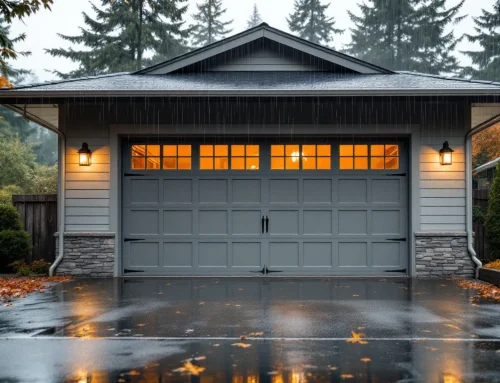
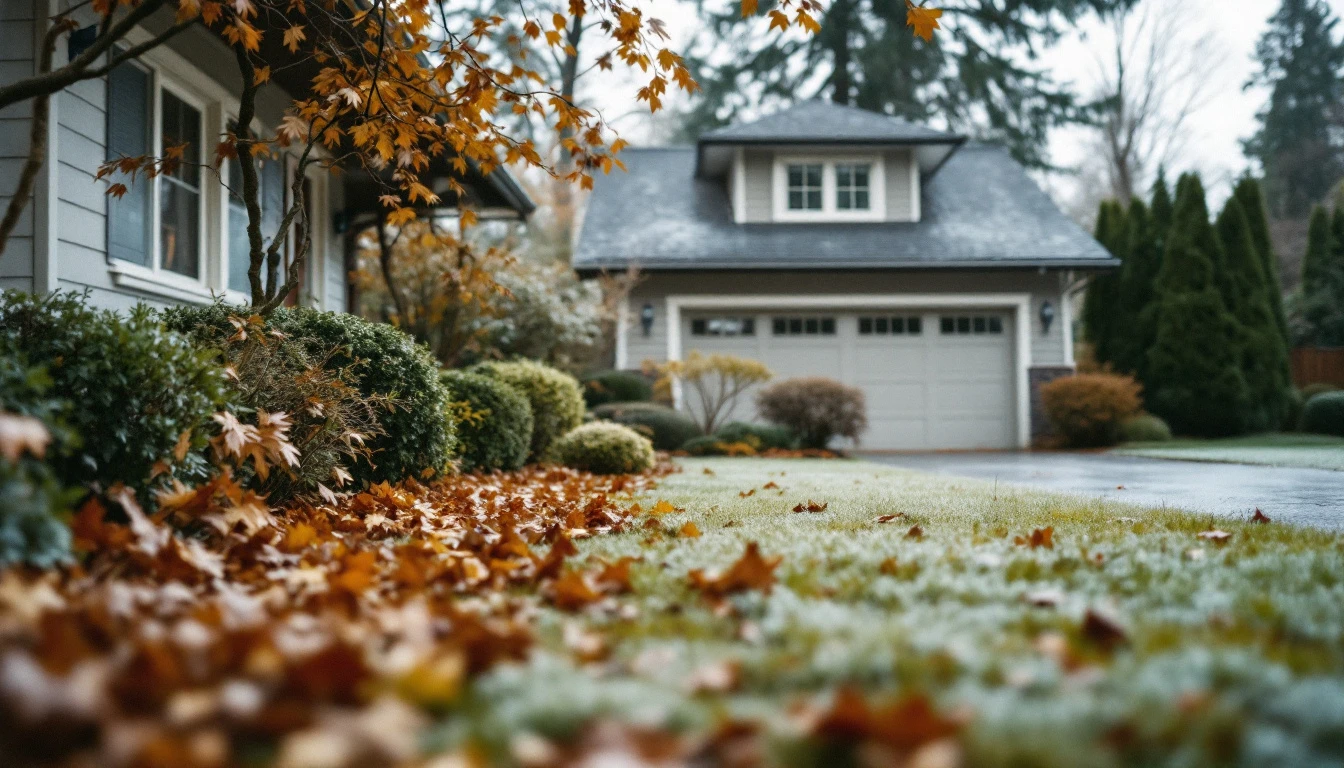
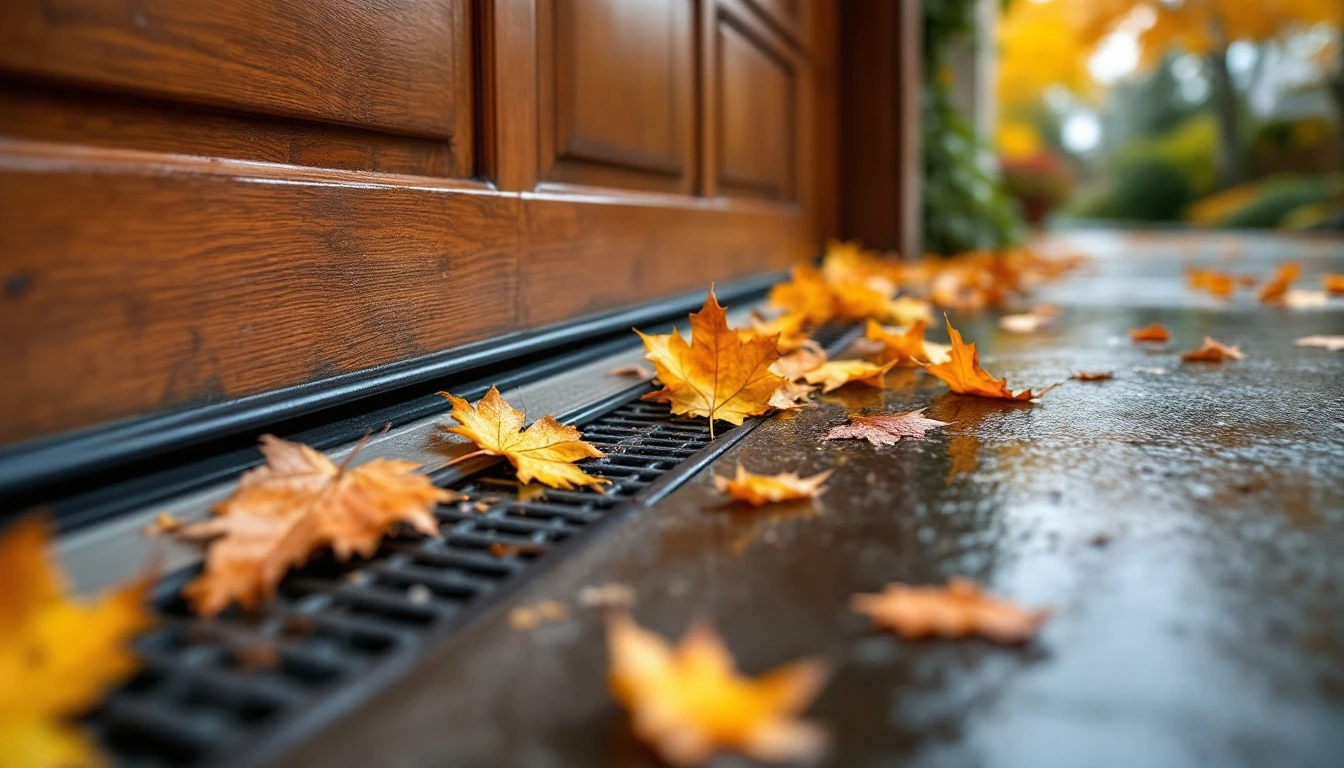
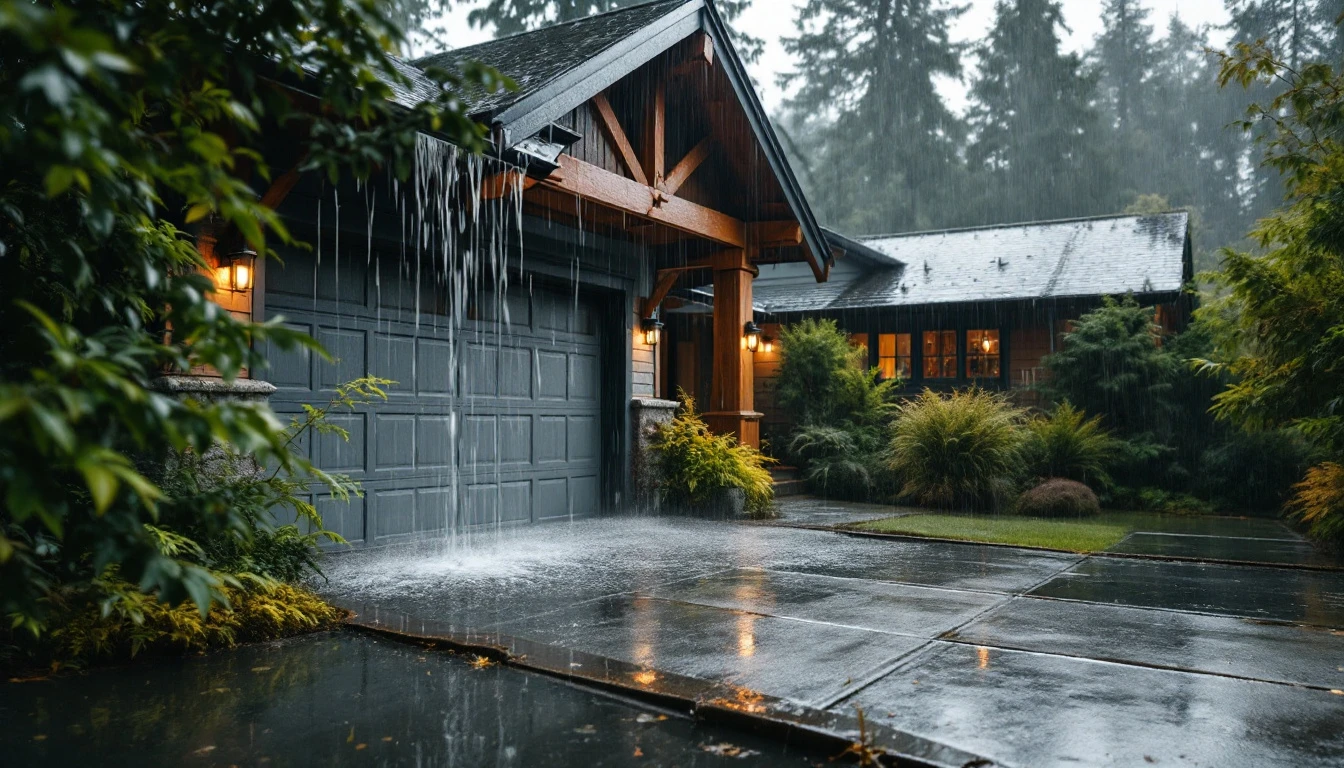
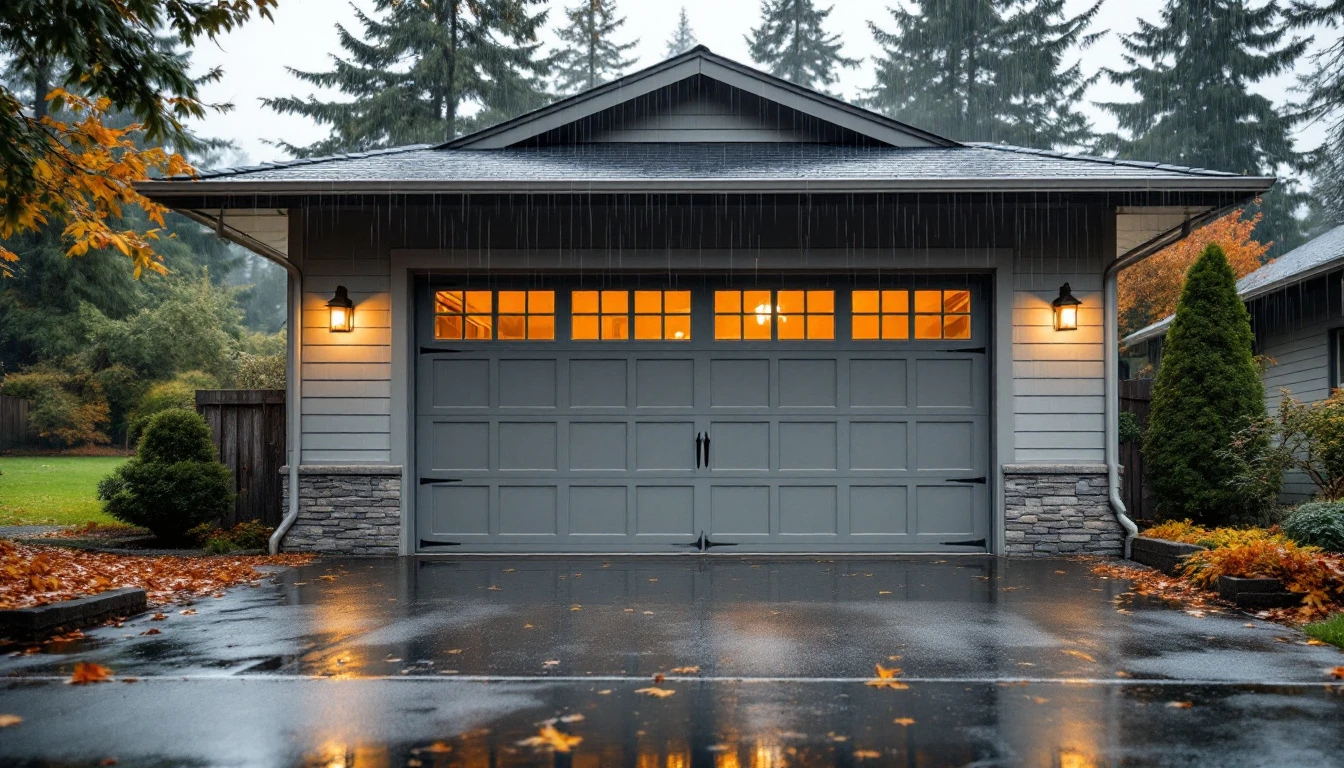
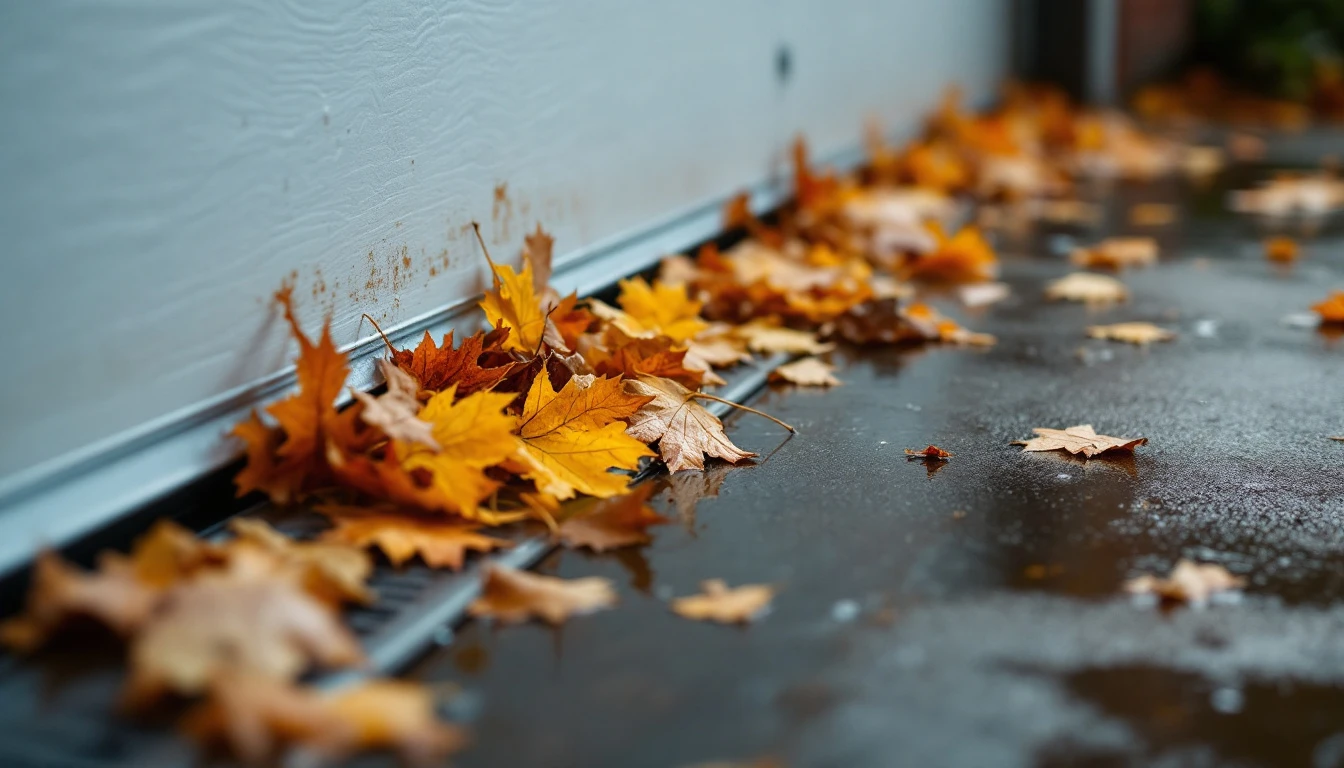
Ever noticed how quickly leaves seem to disappear from your garage floor, only to reappear as a murky puddle near your drain? Those lightweight autumn leaves don’t just vanish—they’re being swept directly into your garage floor drains by foot traffic, air movement from opening and closing your garage door, and rain runoff that washes them toward the lowest point in your space. Fallen leaves clogging garage floor drains is one of Portland’s most common seasonal problems, and understanding why it happens helps you prevent it.
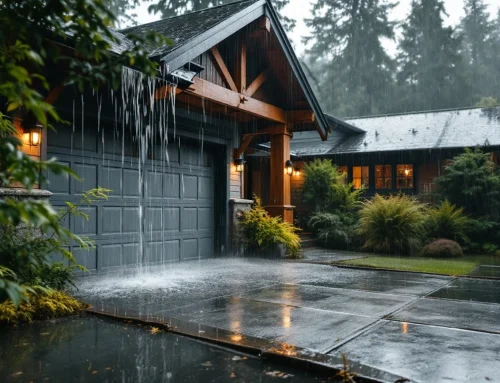
Portland’s wet fall climate creates the perfect storm for drain blockages. Once leaves enter your drain grates, our region’s consistent rainfall and humidity accelerate decomposition. What starts as dry, crispy leaves quickly transforms into a sticky, compacted mass that clings to drain lines and hardens in place. This organic sludge doesn’t flush away easily—it builds up layer by layer, creating stubborn blockages that trap water right where you don’t want it.
The real trouble begins when clogged drains prevent proper drainage. Standing water in your garage accelerates rust formation on garage door tracks. Undermining the smooth operation of your entire door system. Metal components that should last decades can corrode in months when constantly exposed to moisture. Beyond the tracks, pooling water also damages concrete flooring over time, leading to surface degradation, cracking, and the growth of mold or mildew in your garage space.
Understanding this cascade of damage helps explain why a few overlooked leaves can turn into an expensive repair bill come winter.
Warning Signs of Drain Blockage
Catching drainage problems early can save you from expensive emergency repairs down the road. What should you look for in your garage, especially as fall arrives?
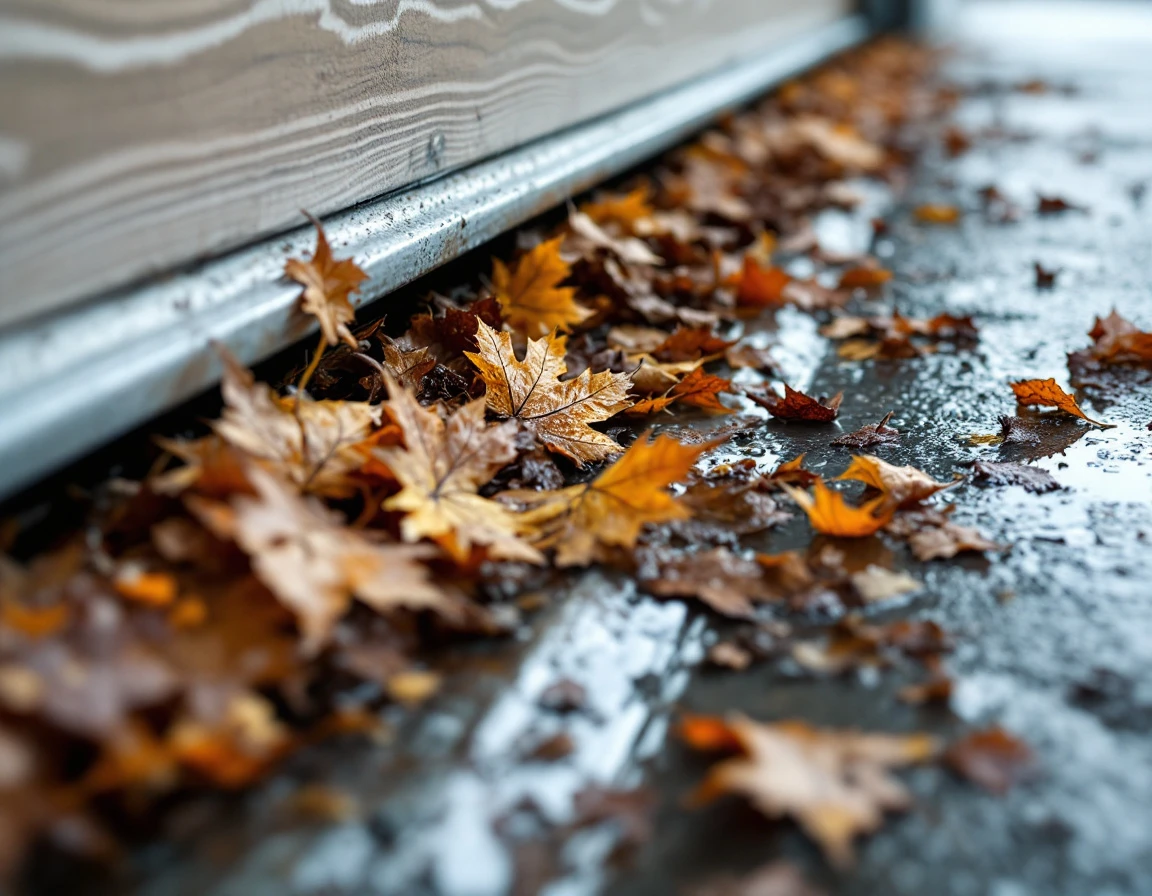
- Standing water pooling near your garage door or collecting in corners is the most obvious red flag that your floor drain isn’t working properly. If you notice puddles that don’t disappear after rain or snow melt, your drain is likely clogged with leaves and debris. This trapped moisture creates the perfect conditions for rust and concrete damage.
- Rust or orange discoloration on tracks, rollers, or bottom brackets tells you that water has been sitting around longer than it should. When drainage systems fail, this hardware becomes exposed to constant moisture, accelerating corrosion that weakens critical components.
- Musty, damp odors often signal drainage issues before visible water appears. Portland homeowners typically notice these smells most between October and early November, when falling leaves combine with increased rainfall. That unpleasant dampness indicates moisture accumulation from backed-up drains, setting the stage for the costly damage we discussed earlier.
Three Prevention Steps Before November
With October giving you a narrow window before Portland’s notorious November rains arrive, now is the time to take action. These three prevention steps take less than two hours total and can save you from expensive emergency repair calls when winter storms hit.
Step 1: Clear Leaves from Your Garage Perimeter
Start by removing all fallen leaves from your garage floor, the area within five feet of your garage door, and any gutters that drain near your garage entrance. Why does this matter? Heavy October rains will wash loose leaves directly into your floor drains and under your garage door tracks, creating the sticky blockages that cause standing water and rust damage.
Tools needed: Leaf rake, push broom, shop vacuum, and a tarp or yard waste bag. Time estimate: 30-45 minutes for a standard two-car garage.
Pay special attention to corners and areas where your driveway slopes toward the garage. These spots collect water that carries debris straight to your drains. If you have garage flooring that requires seasonal care. This is also the perfect time to inspect for any surface damage from last winter.
Step 2: Clean Drain Grates and Inspect Drain Lines
Remove your garage floor drain grates and clear out any existing debris. You’ll likely find decomposing leaf material, dirt, and other organic matter that’s already begun blocking water flow. Use a flashlight to look down into the drain pipe itself—can you see standing water or dark buildup on the walls?
Tools needed: Screwdriver or pry tool, work gloves, flashlight, wet/dry shop vacuum, and a plumber’s snake (optional for deeper clogs). Time estimate: 15-20 minutes per drain.
For drains with minor buildup, flush with hot water after removing visible debris. If you encounter a stubborn clog more than a few inches down, this is when to call in professional help before November’s peak rainfall turns a small problem into an emergency.
Learning how to clear leaves from garage drains prevents these situations, but some blockages need expert intervention.
Step 3: Install Drain Guards with Leaf-Blocking Covers
Replace your standard drain grates with guards designed specifically to block leaves while allowing water to flow through. These covers feature smaller openings or dome designs that prevent debris accumulation without restricting drainage during heavy rain events.
Tools needed: Measuring tape, appropriate drain cover (available at hardware stores for $15-$40), screwdriver. Time estimate: 10-15 minutes per drain.
Choose covers with openings no larger than a quarter-inch. This prevents most leaf material from entering while still handling the water volume from typical Pacific Northwest storms. Think of this as insurance—a small investment now prevents the water damage, track corrosion, and concrete deterioration that leads to costly repairs later.

Step 1: Clear Perimeter Debris
Before Portland’s October-November rains arrive, spend 10 to 15 minutes clearing debris from your garage perimeter. Grab a broom, rake, or leaf blower and focus on areas adjacent to floor drains and foundation edges. This simple step prevents fallen leaves from being washed directly into your drainage system when the first storms hit.
Don’t forget to remove debris from gutters and downspouts. Leaf-clogged water runoff creates a direct pathway to your garage floor drains. Overwhelming them quickly. Clean gutters mean controlled water flow away from your foundation.
Pay special attention to corners, under eaves, and near the garage entry where wind deposits debris. These spots often accumulate more leaves than you’d expect, creating hidden problems when rain pushes everything toward your drains.
Step 2: Inspect and Clean Drains
Once you’ve cleared the garage perimeter, it’s time for the hands-on work. Set aside 20–30 minutes per drain for this task. You’ll need a grate removal tool or flathead screwdriver, work gloves, a plumbing snake or drain brush, and a garden hose.
Start by removing the drain grate and pulling out accumulated leaves, sediment, and debris from the opening. You’ll often find a surprising amount packed just below the surface. Next, feed a plumbing snake or drain brush into the line to break up blockages deeper down. If you encounter stubborn clogs that won’t budge after several attempts, that’s your signal to call in professional help before November rains arrive.
Finally, flush the drain with a garden hose set to full pressure. Watch how quickly water drains away—it should disappear rapidly without pooling. This simple test confirms your line is clear and ready for Portland’s fall downpours. Seasonal garage drain maintenance Portland homeowners complete now prevents the blockages that cause winter problems.
Step 3: Install Protective Grates
Once your drains are clean and flowing freely, it’s time to add long-term protection. Installing leaf-blocking drain grates or mesh covers over existing drains keeps debris out while allowing water to flow through freely. This simple upgrade means you’ll spend less time cleaning and face fewer emergency repair calls in future fall seasons.
Choose grates with fine mesh or perforated designs that match your drain opening size for a secure fit. Most hardware stores carry universal mesh covers that slip over standard garage floor drains. DIY-friendly options range from basic mesh screens to heavy-duty perforated metal grates, with choices available across a range of price points to suit different budgets and durability needs.
If your garage receives heavy leaf accumulation year after year, consider permanent gutter and drain guards designed specifically for high-debris environments. Installation typically takes just 5-10 minutes per drain, making this a quick investment that protects your garage through multiple seasons.
When to Call a Professional
You’ve cleared leaves, cleaned your drain, and installed protective covers—but what if water still pools in your garage? Some drainage problems exceed DIY scope, and recognizing when to call for help protects both your safety and your wallet.
If standing water persists after you’ve cleaned the drain, or if you encounter stubborn blockages you cannot remove, contact a licensed plumber or garage specialist. Attempting to force a drain snake deeper or using chemical drain cleaners can damage pipes and create more expensive repairs down the road.
Severe rust on garage door tracks, recurring water damage to flooring, or water backing up into the garage interior requires professional inspection and repair. These red flags often signal problems beyond a simple clog—foundation settling, cracked drain lines, or inadequate grading that lets water flow toward your garage instead of away from it.
Portland-area garage specialists can identify structural drainage problems and recommend permanent solutions, including sump pump installation, re-grading, or drain line replacement. Calling a pro early when you notice warning signs costs far less than emergency damage control after your garage floods or your door tracks corrode beyond repair.