El Niño Impact on Pacific Northwest Doors
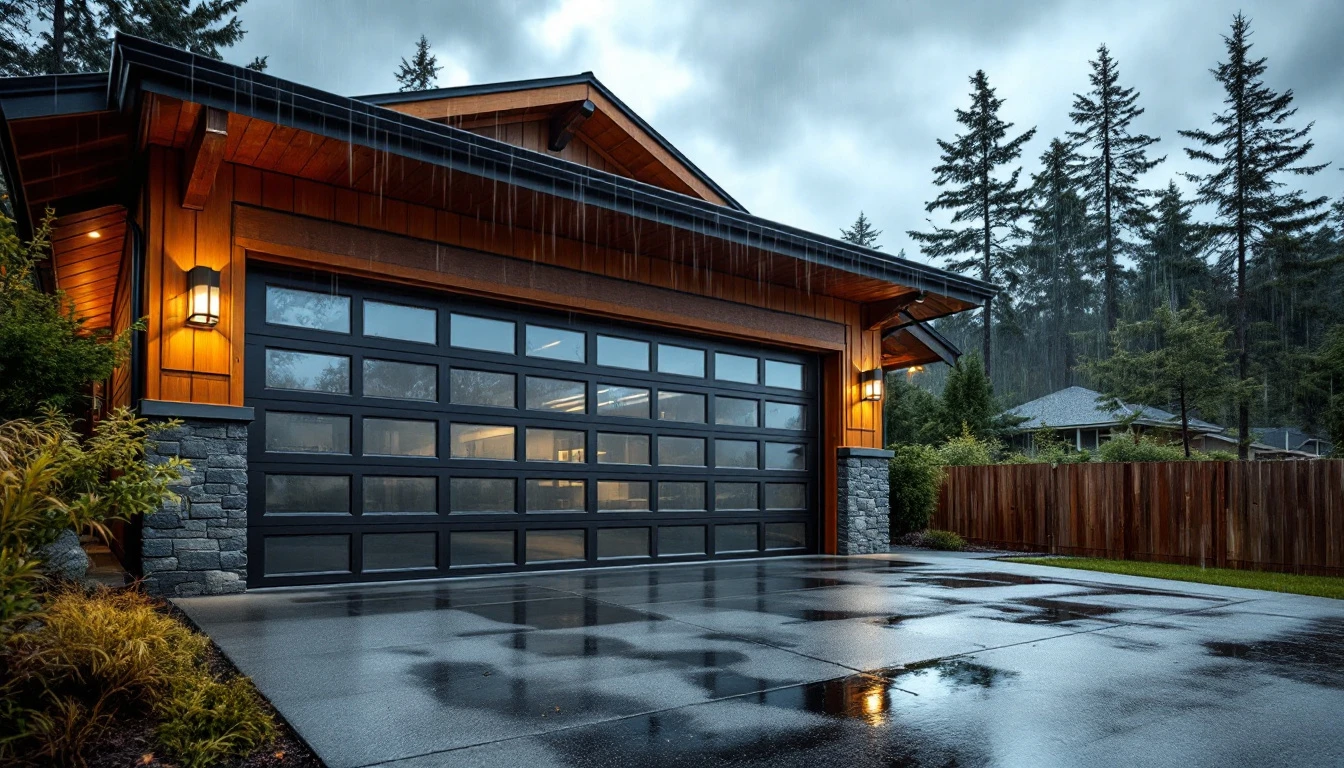
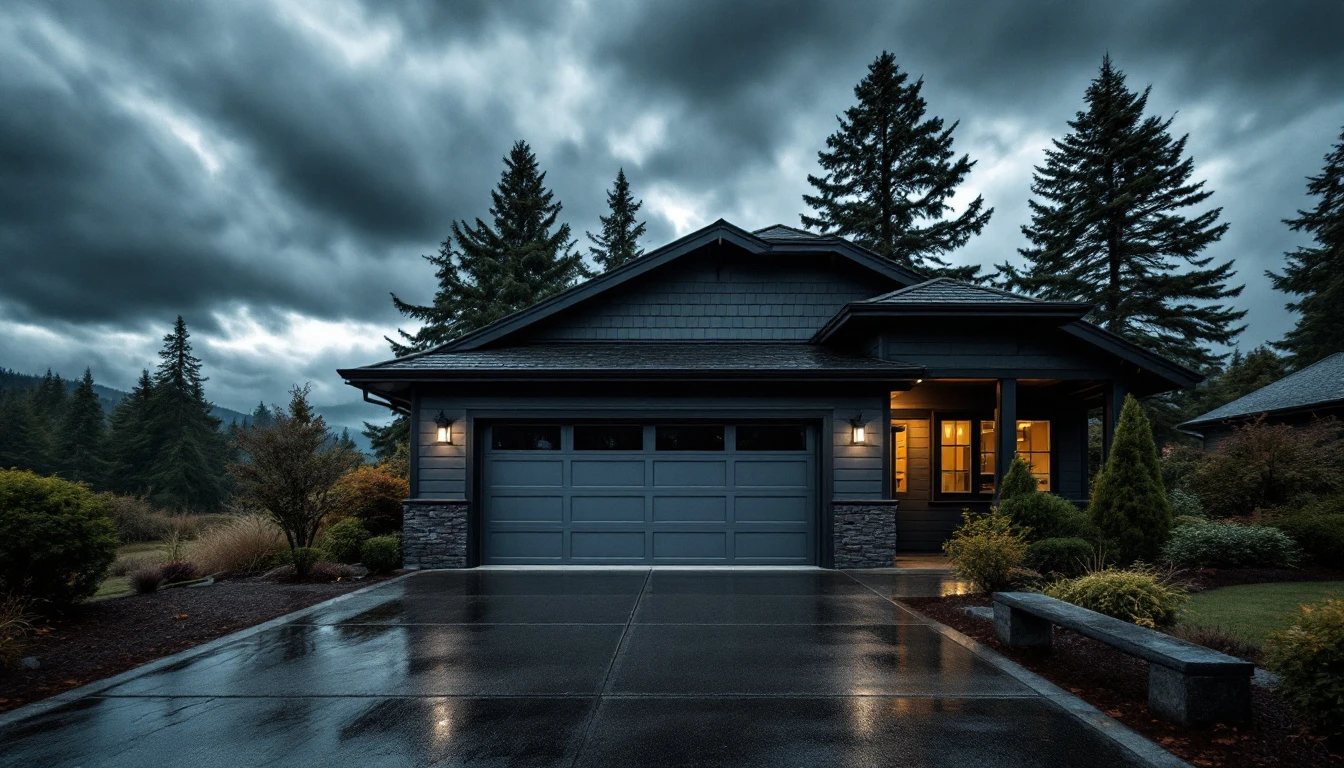
If you live in Oregon or Southwest Washington, heavy rain is coming this winter. And when water gets to your garage door, problems follow fast. Preparing your home with El Niño garage door maintenance Oregon-focused strategies protects against this weather pattern that drives heavier-than-normal precipitation during winter months, creating a direct threat to garage door durability through sustained moisture exposure.
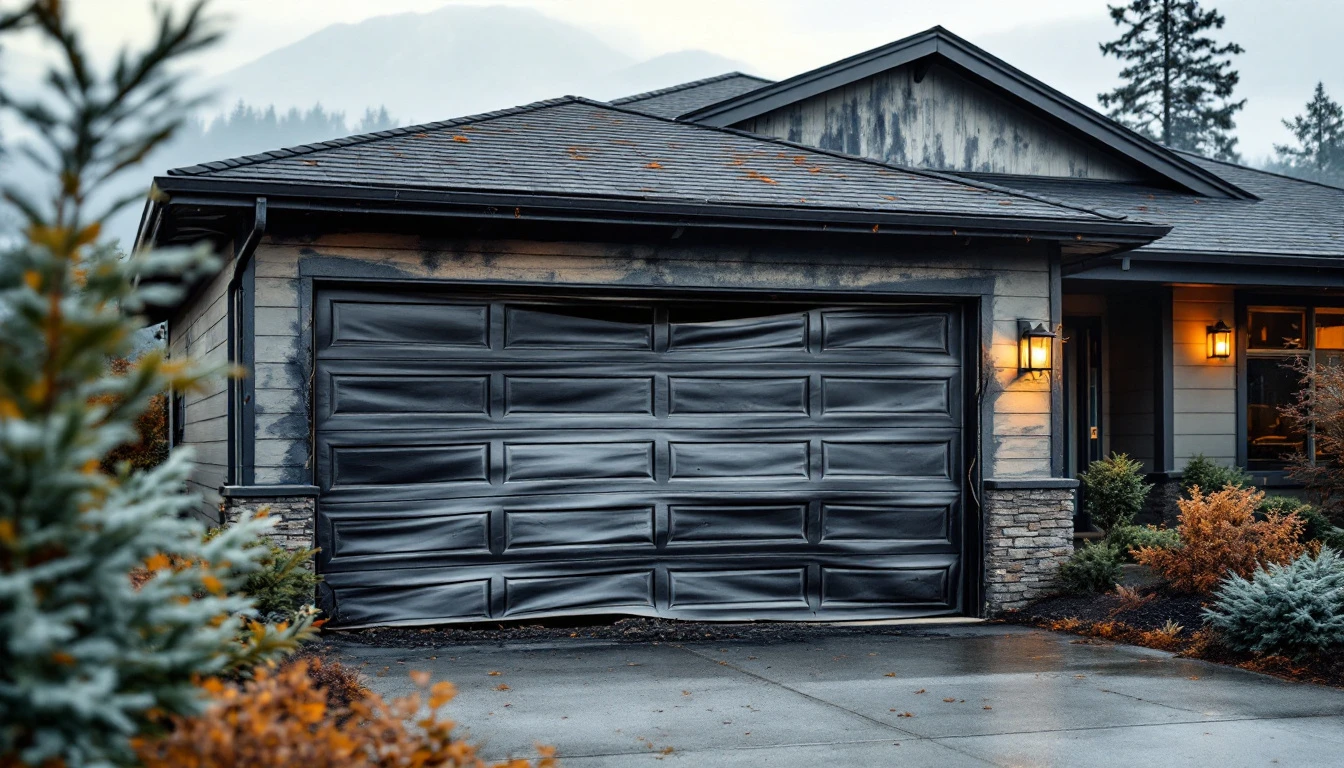
What happens when rain finds your garage door? In October and November, moisture intrusion begins—water seeps past worn weatherstripping and pools in tracks. By December and January, rust forms on metal hinges, springs, and brackets exposed to persistent dampness. Mechanical failure peaks in February and March when corroded components snap under the strain of daily operation, and opener motors struggle against swollen tracks.
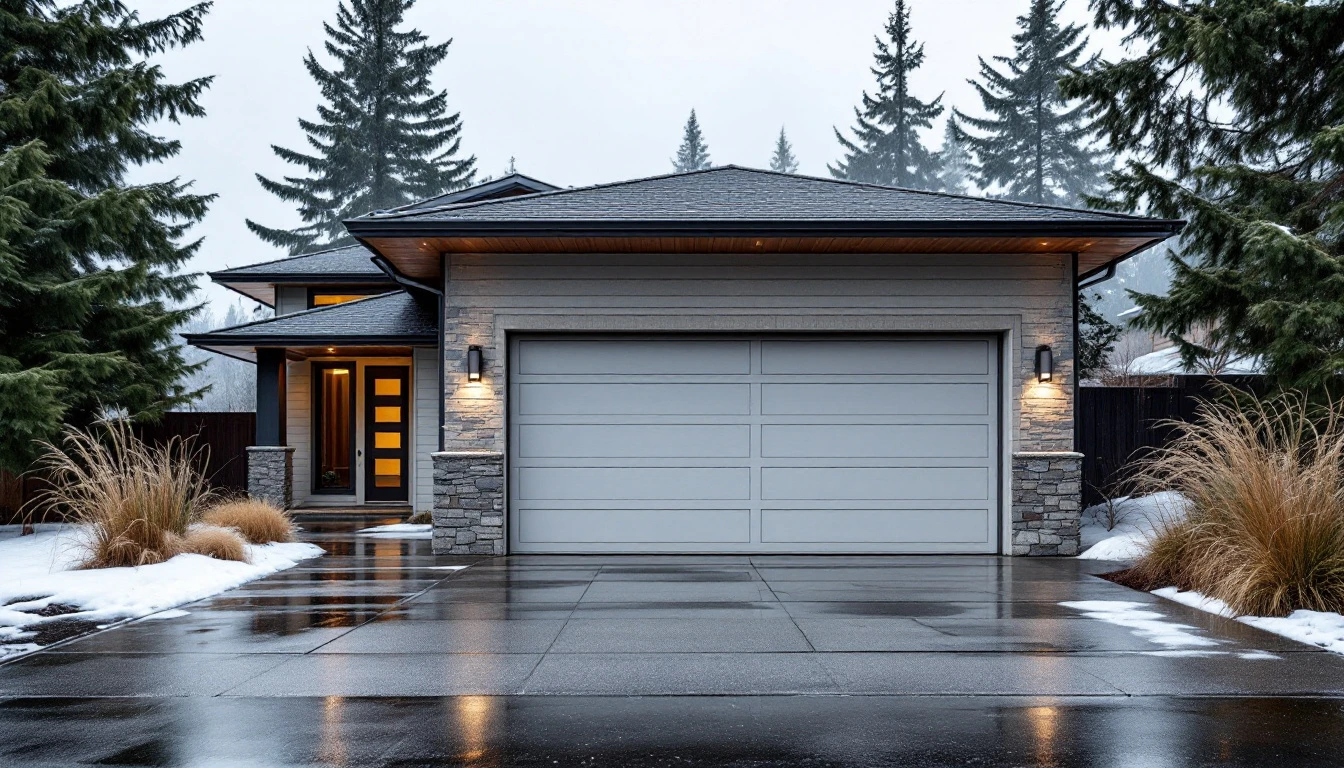
Early September maintenance is the cost-effective intervention point. Addressing weatherstripping, lubricating metal components, and inspecting tracks before the wet season arrives prevents the cascade of damage that turns minor wear into expensive repairs once winter storms begin.
Four Critical Maintenance Strategies for El Niño Garage Door Protection
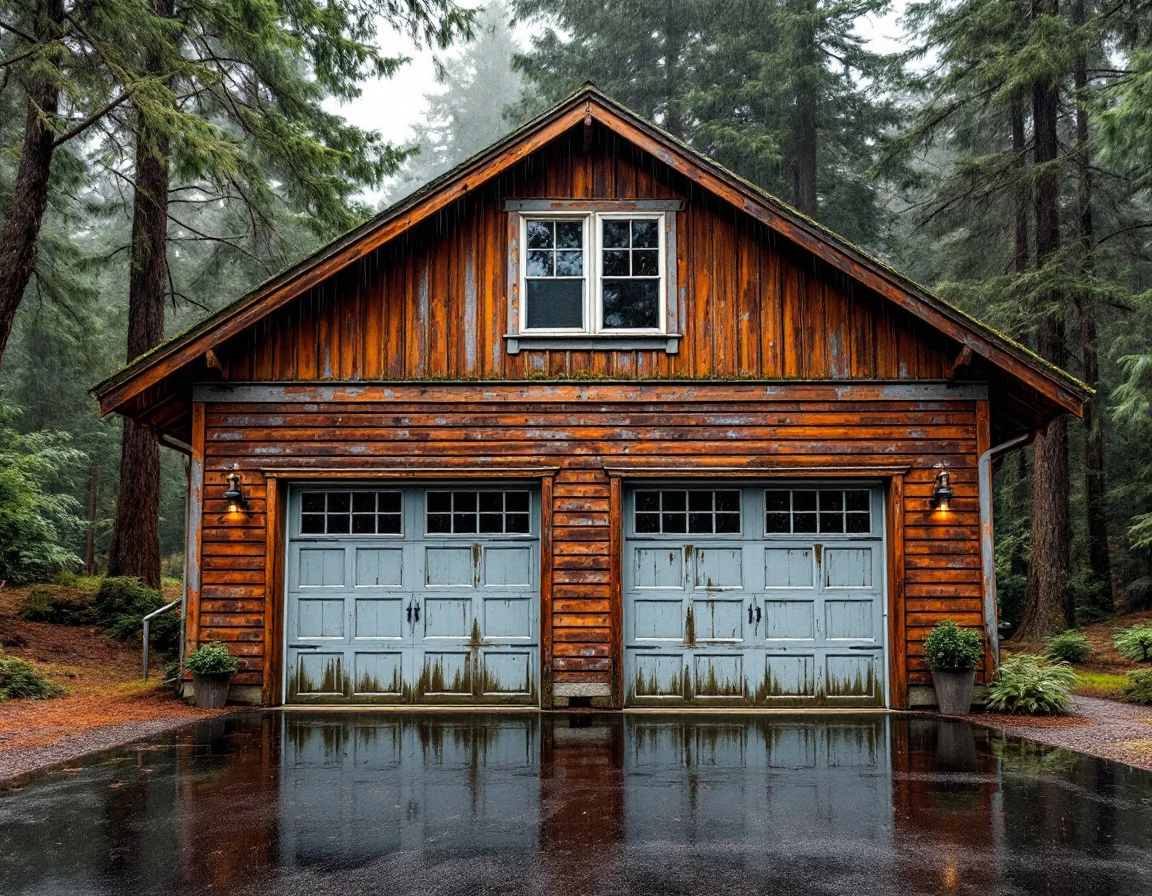
These four September tasks protect your garage door from El Niño moisture damage and prevent costly winter repairs:
- Weatherstripping replacement stops moisture from wicking through door edges and seals. When weatherstripping degrades, water infiltrates the garage interior and saturates door panels. Check for cracks, brittleness, or gaps along the bottom seal and perimeter strips, then install fresh rubber or vinyl weatherstripping before October rains arrive.
- Track cleaning and drainage prevents water from pooling around rollers and hinges. Blocked drainage pathways trap moisture that corrodes metal components and freezes moving parts. Clear debris from track channels, inspect weep holes, and verify that water flows away from the door system.
- Lubricant reapplication creates a protective barrier against rust on metal-to-metal contact points. Salt-laden coastal air and valley humidity accelerate corrosion without proper lubrication. Apply silicone-based lubricant to rollers, hinges, springs, and tracks monthly during the wet season.
- Opener and sensor testing confirms your door operates reliably when heavy rain causes electrical surges and sensor interference. Test auto-reverse functions, alignment sensors, and backup battery systems to avoid failures during December-January storms.
Weatherstripping and Seal Integrity
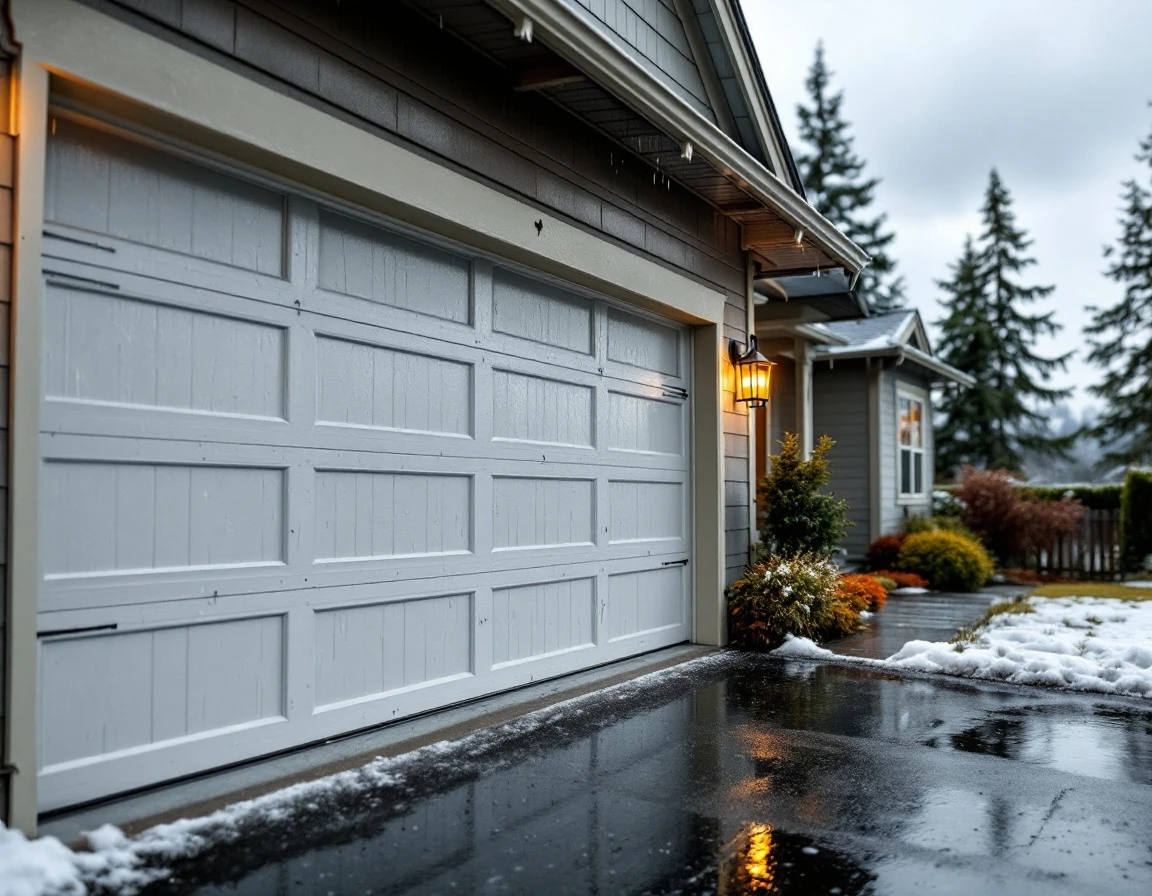
Your garage door’s weatherstripping acts as the first line of defense against El Niño’s relentless rain. Rubber and foam seals along the door’s base, sides, and top gradually degrade under UV exposure and freeze-thaw cycles common to Pacific Northwest winters, creating invisible gaps where moisture seeps in to attack wood frames and corrode steel tracks.
Walk around your door and inspect every seal. Peeling rubber, crumbling foam, or visible daylight streaming through edges means September replacement is overdue. Testing is simple: close the door and look for light leaks along all four sides.
DIY replacement takes about forty-five minutes and costs between fifty and one hundred fifty dollars. Remove old seals by peeling them away, measure each section, and press adhesive-backed replacements into place. Most seals last three to five years before needing renewal.
Track Cleaning and Drainage Systems
Your garage door tracks serve double duty: they guide the door panels and channel rainwater away from metal components. When El Niño storms dump heavy rain across Oregon and Southwest Washington, overflowing gutters send water cascading down garage walls. If your tracks are clogged with summer dust, fallen leaves, or dirt, that water has nowhere to go—it pools around roller wheels, hinges, and motor mounting bolts, creating rust hotspots that freeze mechanisms and weaken structural connections.
A simple September cleaning takes fifteen minutes and prevents months of corrosion. Start by vacuuming loose debris from both tracks, then wipe the channel with a damp cloth to remove grime. Check for standing water or areas where ice might form during cold snaps. Confirm water drains toward your garage perimeter rather than pooling near hardware. Detached garages face more exposure and need monthly checks through winter. For detailed track maintenance procedures, visit our track alignment and maintenance guidance.
Lubrication and Rust Prevention for El Niño Extreme Weather Garage Door Protection
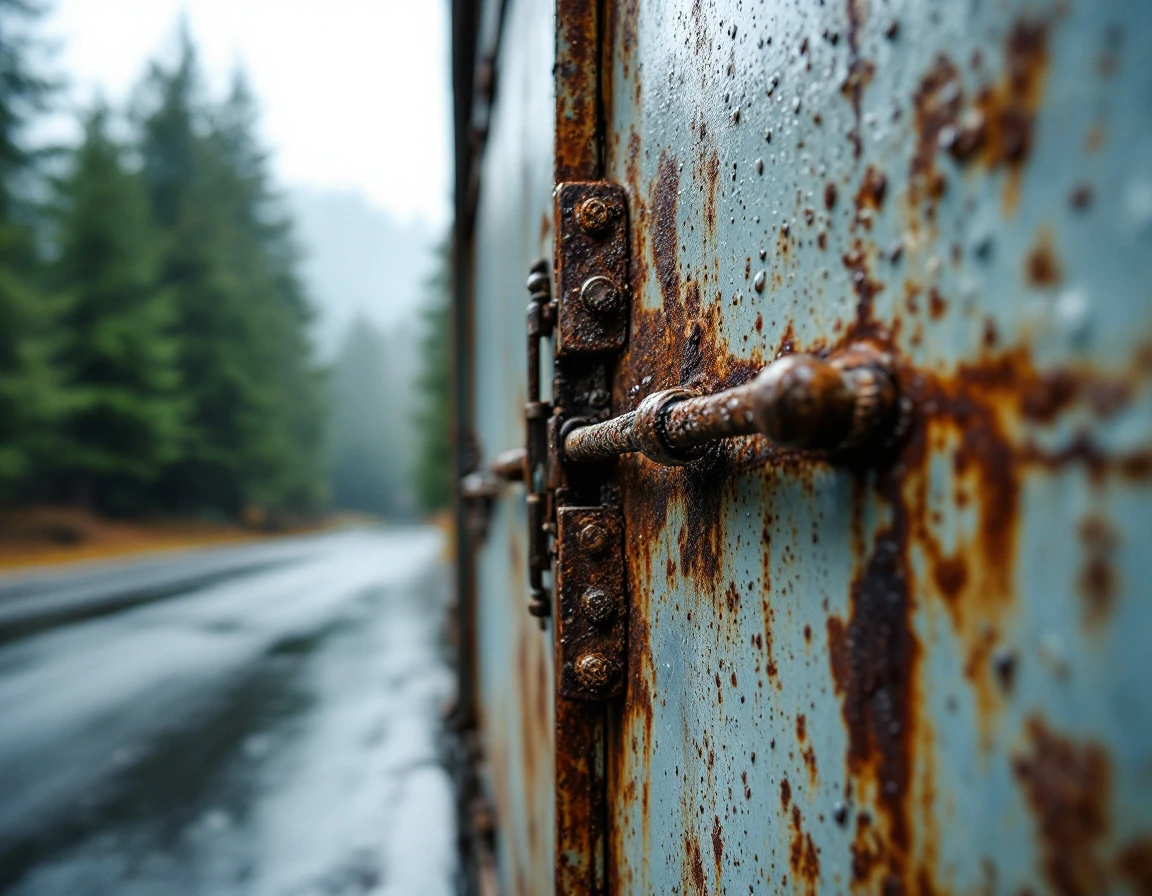
Even with intact weatherstripping, seasonal humidity and El Niño condensation create rust risk on metal components—especially springs, hinges, and roller axles. Metal surfaces corrode rapidly when exposed to sustained moisture without protective lubrication. Your second line of defense: applying a moisture-repellent barrier to every moving metal contact.
White lithium grease or silicone-based lubricants coat springs, roller wheels, hinge pins, and spring coils with a protective layer that repels water and prevents oxidation.
The cost benefit is compelling: $20 in lubricant and 30 minutes of application versus $600–1,200 to replace corroded springs or roller wheels.
Garage doors in coastal or valley climates facing extreme weather and accelerated salt-spray or mineral-deposit corrosion benefit most from regular lubrication.
Apply a thorough initial coating in September, then schedule monthly touch-ups from October through March during the El Niño wet season. This reapplication schedule extends component life by five-plus years. Unlike spring replacement—which requires specialized tools and carries safety risks—DIY lubrication is simple, safe, and highly effective.
When to Call a Professional
While weatherstripping replacement, track cleaning, and lubrication are safe DIY tasks, certain garage door issues demand professional expertise. Broken springs, corroded tracks with gaps, or misaligned doors require technician assessment before winter arrives. Attempting spring replacement yourself risks serious injury—the torsion mechanism holds hundreds of pounds of force.
Opener and safety sensor testing identifies electrical vulnerabilities before heavy rain causes failures. If you notice red flags like binding doors, grinding opener motors, flashing sensor lights, or rust spots on springs, don’t wait—contact Garage Harmony today for a professional inspection.
Professional inspection costs $100–$150 in September now, or $2,000 in emergency repairs later. El Niño forecasts create high demand for winter service calls. Raising costs and wait times when emergency repairs are needed. Local technicians across Oregon and Southwest Washington offer pre-season packages at discounted rates. Locking in September service means repairs finish before peak rainfall arrives.