Spring Moisture Threats to Craftsman Garages
Forest Grove’s Craftsman-era detached garages face distinct spring challenges as valley fog and persistent rainfall penetrate older structures, accelerating corrosion and weakening weatherstripping before summer arrives.
Detached structures lack interior climate control
Unlike attached garages that share your home’s ambient warmth, detached structures lack interior climate control. This leaves springs, cables, and hardware directly exposed to fog and condensation that seeps through every gap and vent. During the Tualatin Valley’s peak fog season from April through June, morning moisture settles onto metal components and creates ideal conditions for corrosion and rust.
That damp metal surface you notice on your garage door springs in early morning? It’s not just harmless dew—it’s the beginning of oxidation that weakens critical hardware over time.
Older Craftsman garages (1920s–1940s)
If your Forest Grove garage dates to the Craftsman era, you’re likely dealing with original hardware that predates modern rust protection treatments. These charming detached structures often feature bare steel springs, uncoated tracks, and vintage hinges that the Tualatin Valley’s spring fog loves to attack.
Addressing corrosion and worn components now prevents emergency repairs that typically cost between $2,000 and $5,000 during peak season when contractor availability drops and prices climb. A spring inspection catches problems while they’re still manageable.
Spring Corrosion and Torsion Spring Failure
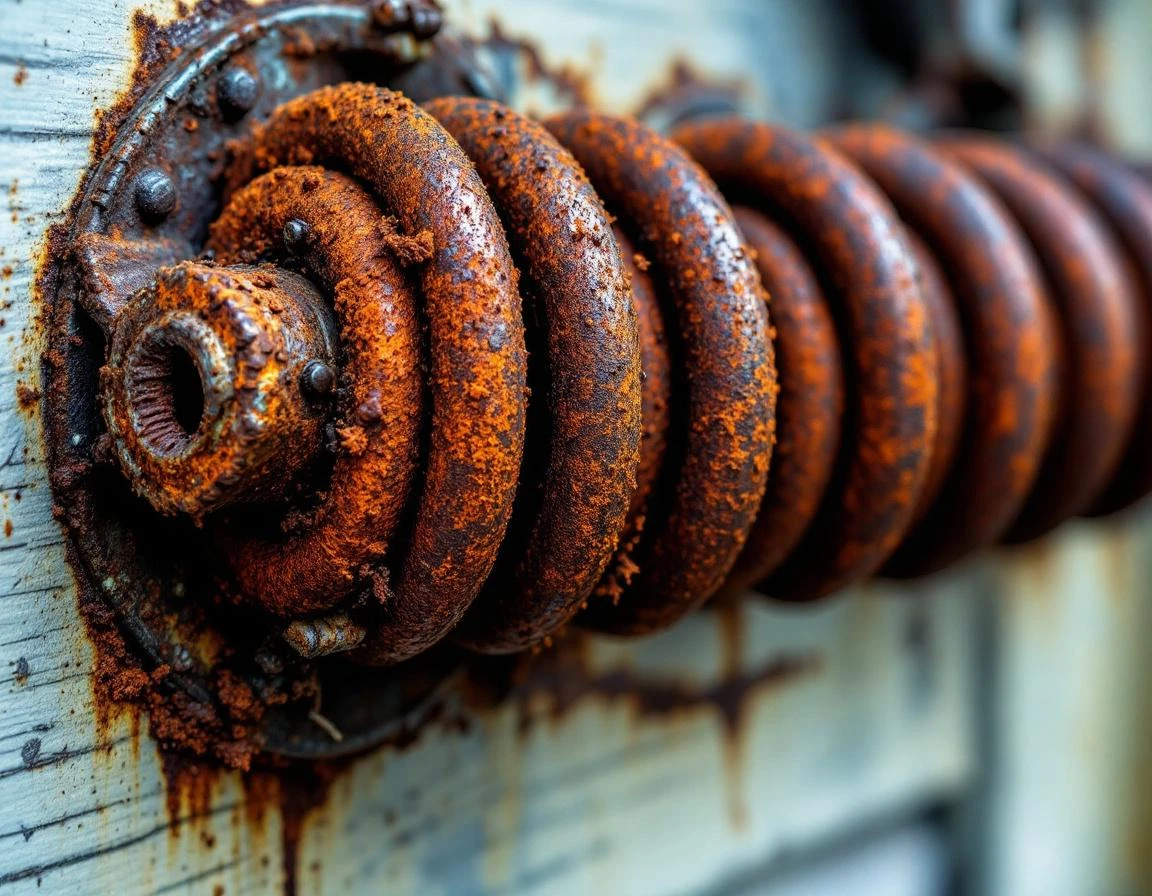
The Tualatin Valley’s dense morning fog creates a persistent moisture problem for detached garages in Forest Grove. Without the climate control of an attached structure, these standalone buildings allow humidity to settle on metal components throughout the spring. Torsion springs—the wound coils above your garage door—absorb this moisture, creating the perfect environment for rust formation.
Here’s what makes this particularly dangerous: rust doesn’t just sit on the surface. It acts as a fracture point, creating microscopic weak spots that compromise the spring’s structural integrity. A spring that looks mostly intact can fail without warning, sending a 150-pound garage door crashing down. Many Craftsman-era homes in Forest Grove still have their original springs or replacements that are 20+ years old, meaning they’re already operating near the end of their designed lifespan.
Watch for these warning signs: loud creaking when the door opens, uneven movement where one side lifts faster than the other, or visible rust spots on the spring coils. If you notice any of these symptoms, the spring has already begun to deteriorate.
The cost difference matters. A spring lubrication and inspection in April runs $150–$250 and extends the life of your existing hardware. Wait until June when that corroded spring snaps during morning rush hour? You’re looking at a $400–$600 emergency replacement. Plus the inconvenience of being unable to access your garage. Regular spring maintenance protects both your budget and your safety—especially in structures exposed to the valley’s moisture-heavy spring season.
Weatherstripping Deterioration from Valley Fog
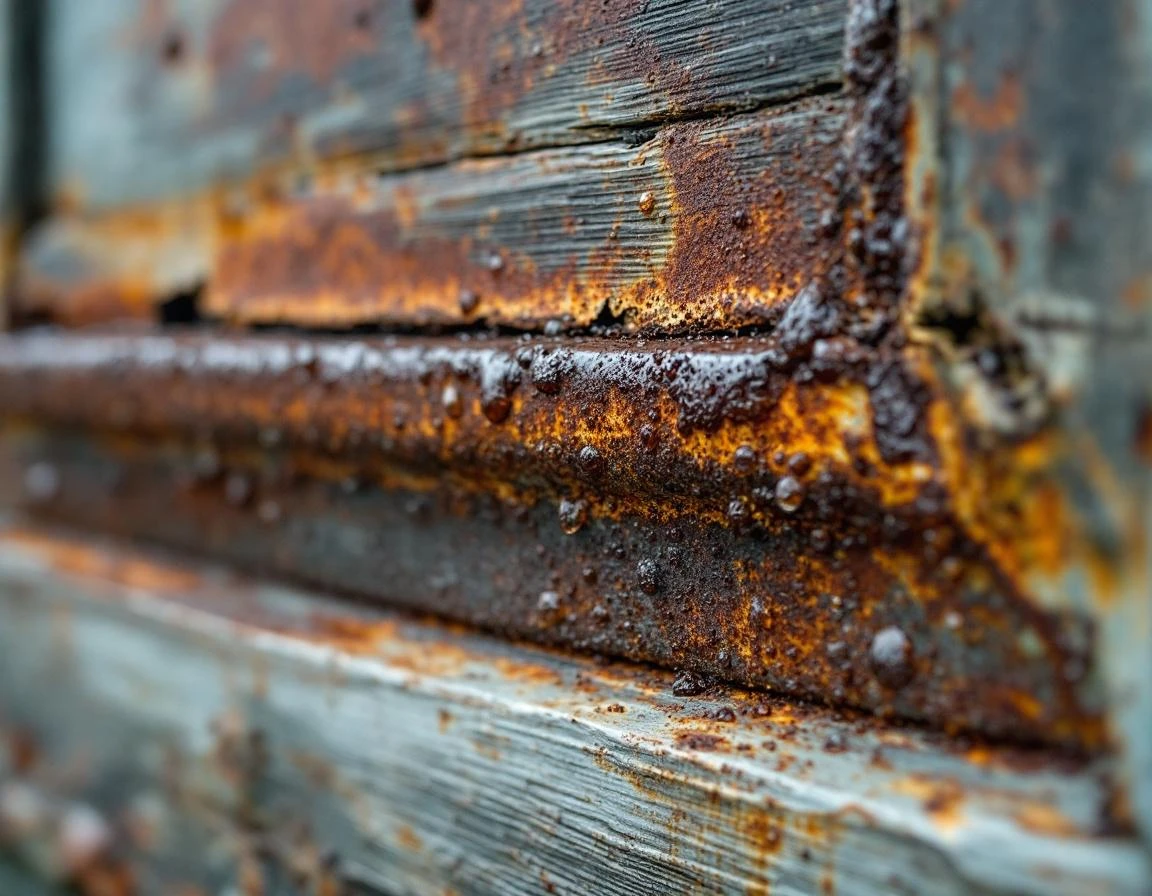
The Tualatin Valley’s persistent fog season creates unique challenges for weatherstripping on detached garages. Unlike drier regions, moisture accumulates daily on rubber and felt seals from October through June, causing them to absorb water, lose compression, and eventually crack or crumble. This deterioration happens faster in Forest Grove’s climate than many homeowners expect.
Once gaps form in the weatherstripping, the failure cycle accelerates. Fog and water penetrate directly to springs, hinges, and steel panels that were built to stay dry. You’ll notice rust spreading across hardware that looked fine just months earlier. The metal springs lose tension as corrosion weakens their coils, while panel seams begin separating as moisture works between layers.
Craftsman-era garages deserve special attention here. Many still have their original felt-based weatherstripping, which has long exceeded its useful life. Check your garage door perimeter for visible gaps between the door and frame, especially at the bottom seal. Look for discoloration where moisture has stained the material, or sections that crumble when you press them.
April weatherstripping replacement costs between $200 and $350 for a standard single-car door. Compare that to water-damaged panel replacement at $1,500 to $3,000, or corroded spring replacement during an emergency call. This quick spring task protects your entire door system through another wet season, making it one of the most cost-effective maintenance steps you can take. The bottom seal is particularly important for keeping cold air, dirt, and moisture out of your garage.
Garage Door Opener Humidity Reliability
The Tualatin Valley’s dense morning fog creates a uniquely challenging environment for garage door openers in detached structures. Without the climate buffer of an attached garage, moisture saturates the air inside your detached building, settling on electrical contacts and motor components. Over time, this condensation corrodes critical connection points, reducing the power delivered to your opener motor and increasing the risk of complete failure.
Older openers installed before 2010 lack the moisture-resistant electronics found in modern units, making them especially vulnerable to Forest Grove’s fog season. Detached garages experience wider temperature swings than attached structures—your opener motor fights against both morning chill and afternoon warmth, stressing components with each cycle. Battery backup systems drain faster in cold conditions. Leaving you stranded when you need reliable access most.
Run a quick April test to catch problems early: operate your opener from 30 feet away to verify signal strength, listen for grinding or laboring sounds during operation, and watch whether the door closes smoothly when loaded with typical items. Warning signs that demand professional inspection include sluggish movement when opening, weakened closing force that fails to fully seat the door, and intermittent response to remote commands. Addressing these symptoms now prevents mid-week opener failure when emergency service calls cost the most.
April Maintenance Checklist for Detached Garages
Forest Grove homeowners can complete these five essential maintenance tasks in under 45 minutes each April, protecting detached Craftsman garages from the moisture damage that peaks during the Tualatin Valley’s fog season:
- Spring Cleaning and Lubrication: Start by wiping down all springs, hinges, cables, and hardware with a dry cloth to remove moisture and debris. Apply a corrosion-inhibiting lubricant specifically designed for garage door components to every moving part. This creates a protective barrier against the valley’s persistent April fog, which settles on metal surfaces overnight and accelerates rust formation on exposed hardware.
- Weatherstripping Inspection: Check all weatherstripping along the bottom, sides, and top of your garage door for cracks, gaps, or compressed sections that no longer seal tightly. If you spot damage, order replacement strips immediately. Quality weatherstripping is an affordable DIY installation project that prevents moisture from reaching critical components inside the garage.
- Opener Performance Test: Test your garage door opener by disconnecting the release mechanism and manually lifting the door halfway. It should stay in place without drifting. Reconnect the opener, verify that safety sensors align properly, and replace batteries in remote controls. Clean any corrosion from battery terminals and wipe down the opener housing.
- Track Maintenance and Sealing: Clear accumulated debris from door tracks using a stiff brush. Check for visible gaps or cracks where moisture could penetrate, applying waterproof sealant to any openings you discover. Keeping the panels clean and tracks clear will prevent dirt and corrosion from harming the finish and causing the door to deteriorate faster.
- When to Call a Professional: Contact Garage Harmony if you notice visible rust on springs, an opener that fails to respond consistently, or weatherstripping damage requiring full replacement rather than minor repairs. Professional spring inspections cost $150-$250, while full opener service typically runs $500 or more.
When to Repair Versus Replace Components
Forest Grove homeowners face a common dilemma when garage components show wear: should you repair what’s there or invest in replacement? The answer depends on component age, damage severity, and the unique humidity challenges of detached Tualatin Valley garages.
For torsion springs, the decision hinges on rust depth and age. Springs under 10 years old with light surface rust respond well to cleaning and lubrication, costing $150–$250 for professional service. However, springs over 15 years old with pitting or visible corrosion need replacement at $400–$600. Given that detached garages in Forest Grove often experience humidity above 70% RH during fog season, springs deteriorate faster than in attached structures.
Weatherstripping follows a similar pattern. Minor cracks in seals under 10 years old warrant replacement at $200–$350. Delaying this repair allows moisture penetration that damages wood panels and hardware, leading to repairs exceeding $1,500. The high humidity environment accelerates this progression, making early replacement more economical than temporary fixes.
Garage door openers over 15 years old present the clearest case for replacement. Repair costs of $200–$400 often address only immediate symptoms while internal corrosion continues. New units with humidity-resistant components cost $600–$1,200 and prevent future failures. If your detached garage shows indoor humidity above 70% RH, professional evaluation identifies which components need immediate attention.
Remember: April prevention spending prevents June emergency replacement during the busy season.