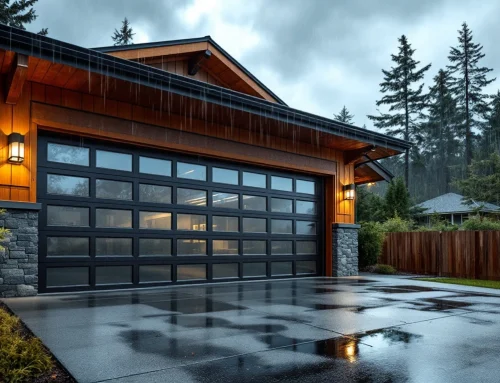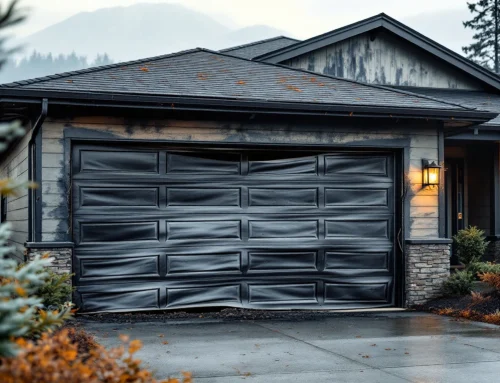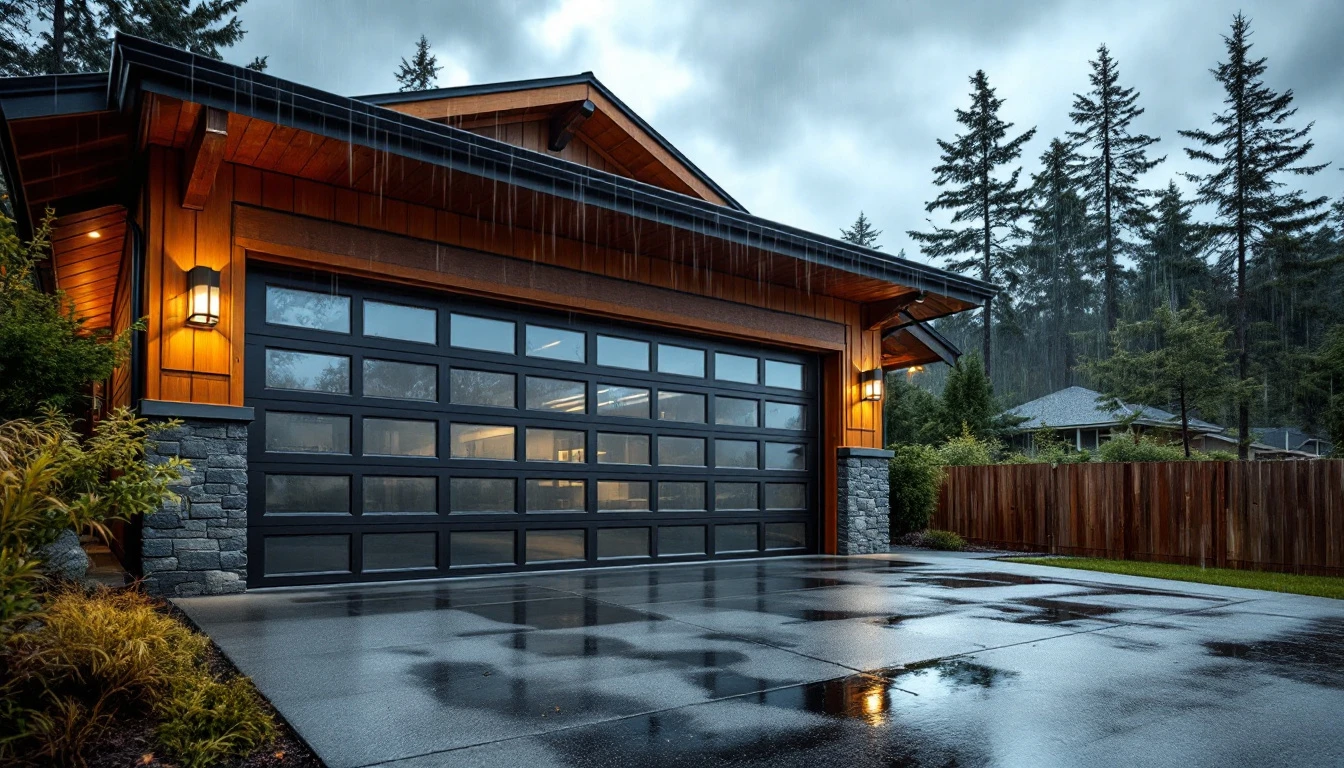
East Wind Exposure in Bingen
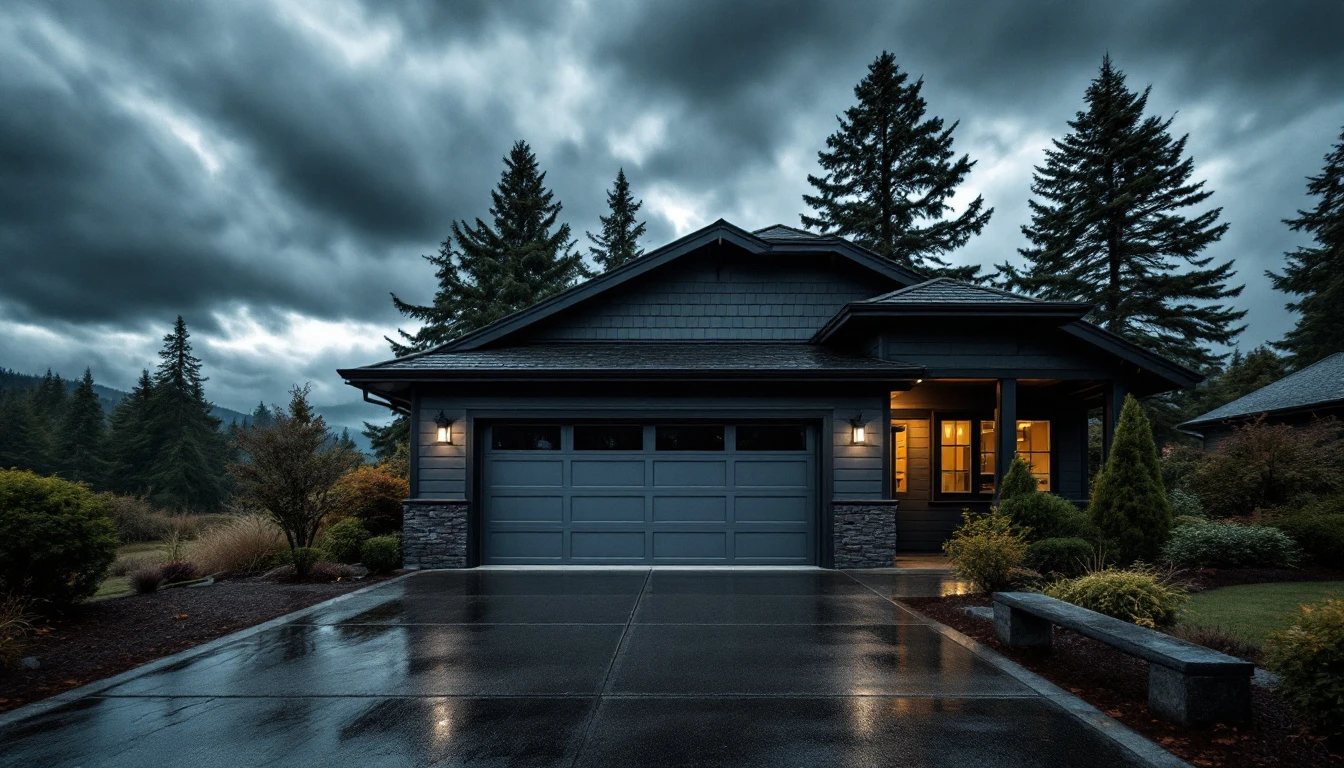
Bingen’s position at river level in the Columbia Gorge creates intense east wind exposure that tests every garage door spring, hinge, and panel during peak wind season. Bingen garage door wind damage prevention starts with understanding how the Gorge’s extreme conditions affect older properties and what homeowners can do before May’s heaviest winds arrive.
Bingen’s Location in the Columbia Gorge
Bingen sits at river level in the Columbia River Gorge, where the narrow east-west corridor creates a natural wind tunnel. When high-pressure systems build east of the Cascades, winds funnel through the Gorge with extreme force, regularly hitting 40–80 mph gusts during the spring season.
The wind season peaks in May, exactly when aging garage doors on older Bingen properties face their greatest test. Homes built during the railroad and lumber era often have original or decades-old garage door systems that were never designed for sustained Gorge wind loads.
Railroad-era and industrial buildings have aged
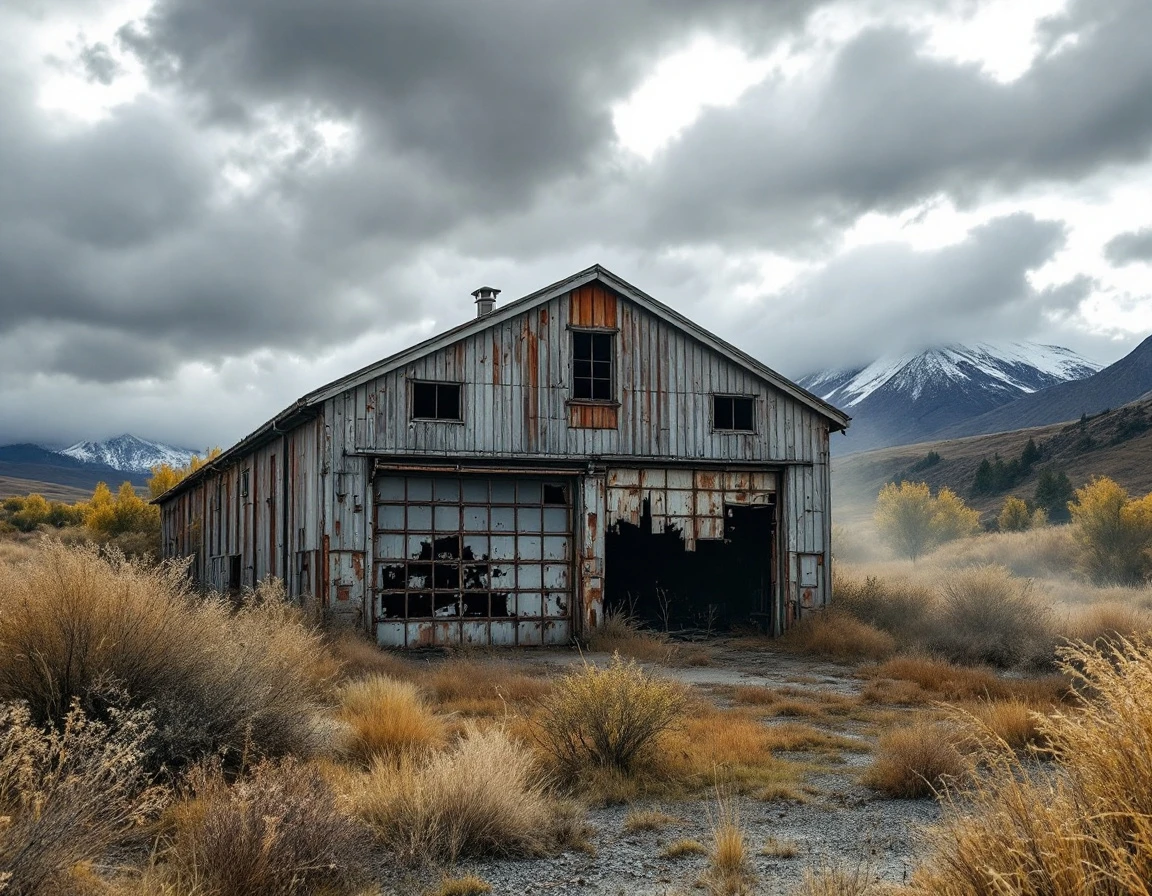
Many of Bingen’s homes and commercial buildings date back to the railroad and lumber era, when wind ratings didn’t exist and garage door standards were minimal. These older structures often feature non-rated garage doors that were installed decades ago without consideration for the Gorge’s extreme wind loads.
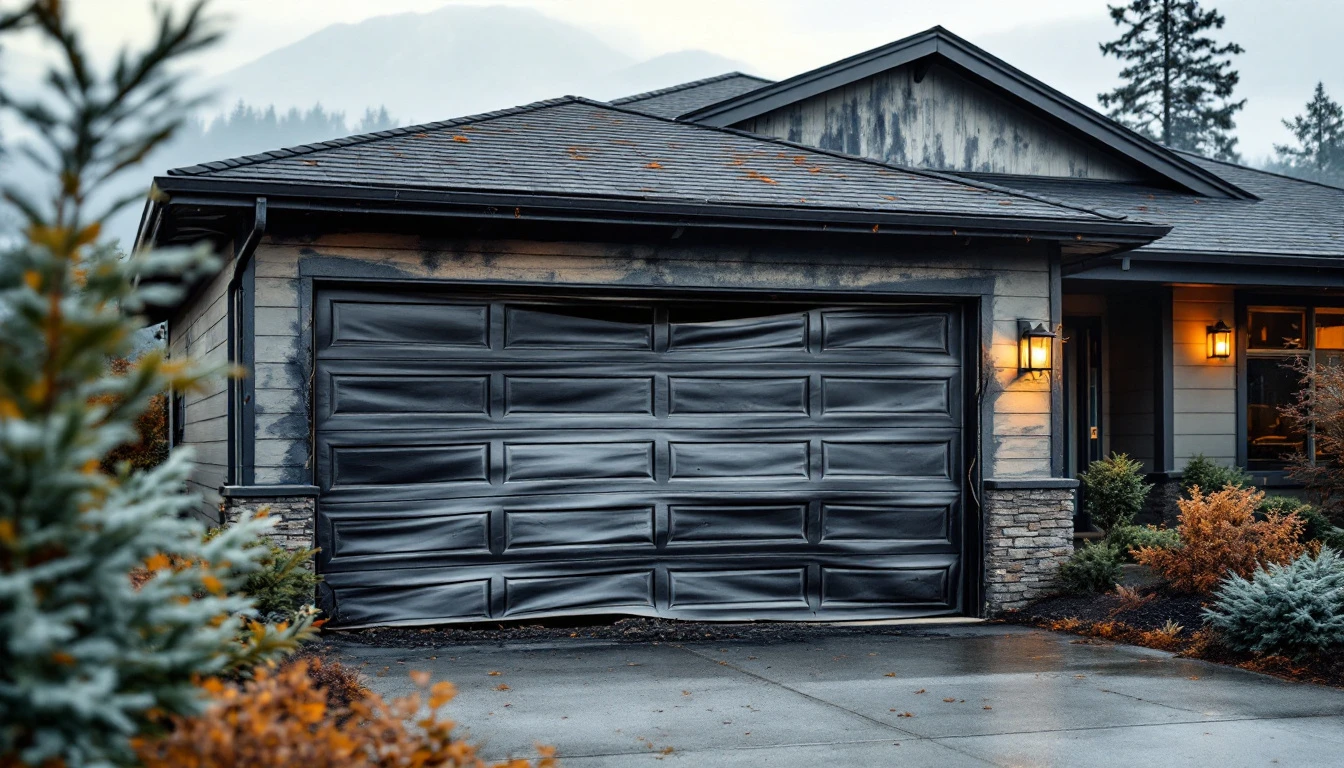
When east winds exceed 40 mph, these aging doors become vulnerable to structural failure. Wind damage doesn’t just mean a bent panel—it can compromise your building’s envelope, allowing moisture intrusion that leads to costly repairs. Even worse, insurance carriers may deny claims if they determine your garage door failed to meet minimum wind load requirements for your exposure zone.
Understanding Wind Ratings for Columbia Gorge Conditions
Wind ratings measure how much lateral pressure a garage door can withstand before failing, typically expressed as resistance to winds between 70 and 200 mph. Most older doors in Bingen and the Columbia Gorge lack any rating whatsoever—they were installed decades before standardized testing became common practice. If you’re living in a home built during the railroad or lumber era, there’s a good chance your garage door has never been evaluated for wind resistance.
Modern garage doors are rated according to DASMA standards (Door and Access Systems Manufacturers Association), which test how doors perform under sustained wind loads. These ratings account for both wind speed and the height at which the door is installed, since wind pressure increases with elevation. Given the Columbia Gorge’s extreme east wind exposure, properties in this region need doors rated for at least 130 mph gusts to handle May’s peak conditions safely.
How do you find your door’s rating? Check the manufacturer documentation that came with your door, or look for a label on the door itself—usually along the edge or on the back panel. The label should list both the pressure rating and any installation height restrictions. If you can’t locate a rating or if your door predates modern standards, assume it’s non-rated and schedule an inspection before spring winds arrive.
Pre-Season Inspection Checklist for Wind-Rated Garage Doors Bingen Washington
Before May’s east winds arrive, Bingen homeowners should complete a thorough garage door inspection. This 30–45 minute task helps you identify problems before extreme weather turns minor issues into emergency repairs.
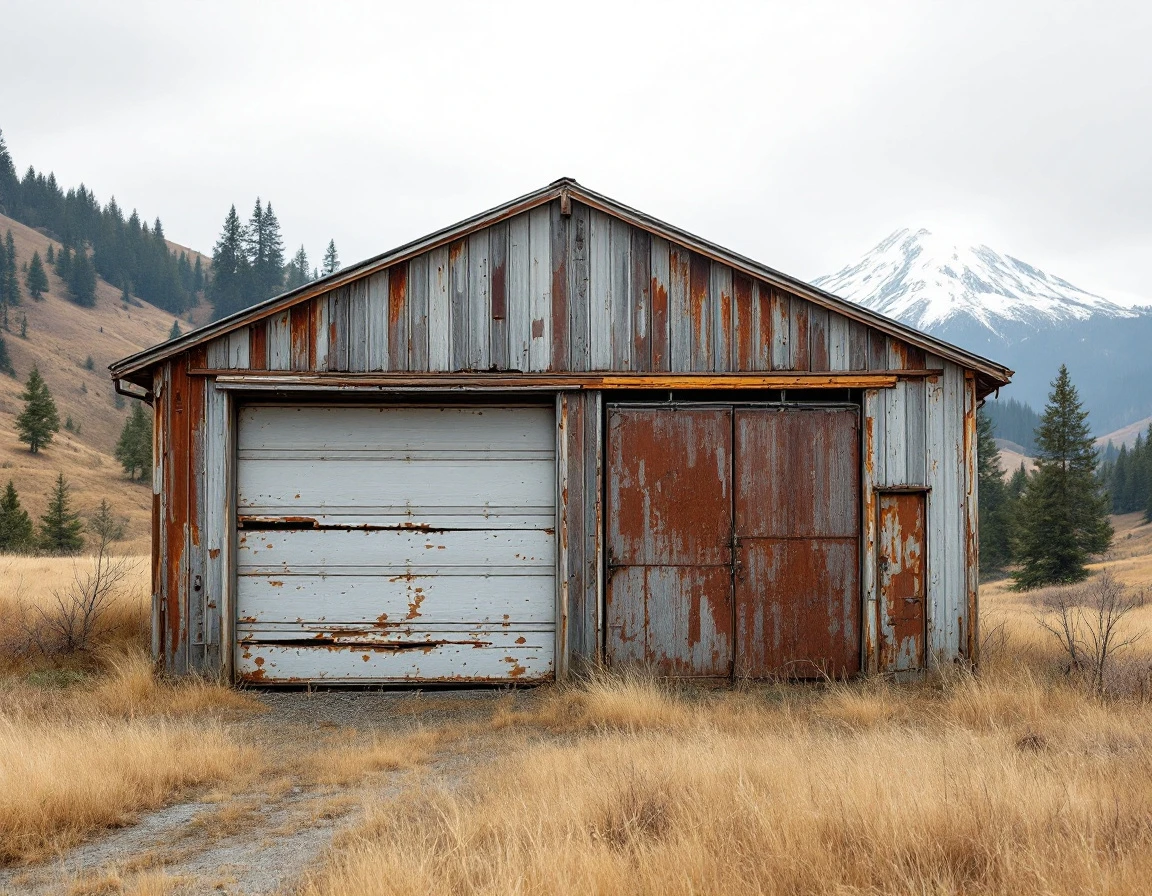
- Start with hardware inspection. Check all hinges, brackets, and rollers for rust, cracks, or corrosion. Railroad-era and older industrial buildings in Bingen often have original hardware that’s corroded from decades of moisture exposure. Rusty hinges can snap during high winds, causing door failure. Look for orange-brown flaking on metal surfaces and replace any compromised components before wind season peaks.
- Test door balance and operation. Disconnect the opener and manually lift the door halfway. It should stay in place without falling or rising. Listen for grinding, scraping, or binding sounds during operation—these indicate worn rollers or damaged tracks that won’t hold up when 60 mph gusts hammer the door. A properly balanced door reduces wind stress on opener motors.
- Inspect weatherstripping and seals. Run your hand along door edges to feel for air gaps. Deteriorated seals reduce wind resistance by allowing air to penetrate behind the door, creating pressure differentials that can blow doors off tracks. Replace brittle or cracked weatherstripping immediately.
- Document your findings. Note missing wind rating labels, damaged components, and repair needs. If you discover ratings below 130 mph or can’t locate rating information, contact Garage Harmony before mid-May to discuss upgrades or professional assessment.
Extreme Wind Garage Door Upgrade Bingen
When your current garage door can’t meet the 130+ mph wind rating Bingen’s exposure demands, you face a decision: retrofit your existing system or install a full replacement. Wind-rated replacement doors engineered for Columbia Gorge conditions use reinforced steel, aluminum composite, or impact-resistant panels that flex under pressure without breaking. Each material offers different strengths—steel provides maximum structural integrity, aluminum composite balances weight and durability, and impact-resistant panels absorb wind stress without denting.
Here’s the challenge with older Bingen properties: many original frames lack the structural reinforcement to support high-wind doors. A certified technician can assess whether your frame needs reinforcement before installation. Without proper door-to-frame fit and anchoring, even the best wind-rated door won’t perform as engineered. That’s why professional installation matters more than the door itself in extreme wind zones.
The benefits of extreme wind garage door upgrades extend beyond storm protection. Properly installed wind-rated doors reduce spring damage risk by preventing door failure during May’s peak wind season. Some Bingen homeowners report lower insurance premiums after upgrading to rated doors, since insurers recognize reduced claim risk.
The key question isn’t whether to upgrade—it’s understanding when your current door’s condition and rating justify the investment versus targeted repairs.
Cost and Timeline for Upgrades
Professional spring inspections in Bingen run $75 to $150. While wind-rated door replacements typically cost $1,200 to $3,500 depending on size, materials, and reinforcement needs. That upfront investment makes sense when you consider the alternative: spring wind damage often runs several thousand dollars in repairs, plus the time and stress of insurance claims that may not cover replacement if your door was under-rated for Columbia Gorge conditions.
Timing matters. From scheduling your inspection to completing installation, expect two to four weeks. That means Bingen homeowners who schedule by early May can have wind-rated doors installed before the heaviest east winds arrive in late May through June. Some contractors offer spring discounts for early scheduling, though availability tightens as the season advances.
Here’s an important distinction: insurance may cover damage to your current door, but won’t pay to upgrade to a properly rated system if the original door was insufficient for your exposure. Installing a wind-rated door now protects your property and eliminates that coverage gap. Many homeowners also see insurance premium reductions after upgrading to doors that meet regional wind standards.
Next Steps for Bingen Homeowners
You’ve learned how to assess your garage door’s wind rating, inspect key components, and evaluate upgrade options for pre-season garage door maintenance Columbia Gorge before east winds reach their May peak. Now it’s time to act.
- Schedule a professional inspection within the next two weeks. Garage Harmony’s team will assess your current door rating, check hardware integrity, and identify vulnerabilities in your specific property. Request a wind-rating assessment during this visit—our experts will recommend upgrades if your door falls below the 130 mph threshold Columbia Gorge conditions demand.
- Document all findings for insurance purposes. Photographs and written assessments create records that support claims if wind damage occurs and verify that you’ve taken reasonable steps to protect your property.
- Commit to your upgrade timeline before May 15. Installation schedules fill quickly as peak wind season approaches, and waiting until after damage occurs means competing with emergency repairs. Contact us today to secure your inspection slot and avoid late-season scheduling conflicts.