Why August Heat Breaks Garage Doors
August creates a perfect storm for garage door failures. When temperatures climb, metal components expand—and springs and rollers are the most vulnerable parts of your system. These precision-calibrated pieces lose their tolerances as they swell, causing sticking, binding, and added friction that wears them down faster. Understanding how heat damages garage doors helps you prevent costly repairs before they happen.
Add humidity to the equation, and you’re facing accelerated rust and corrosion on metal surfaces. Moisture attacks exposed metal while heat speeds up the chemical reaction, weakening springs and causing rollers to seize. This combination hits hard in August when both factors peak simultaneously.
Here’s what makes this month particularly risky: peak moving season means your garage door gets opened and closed far more frequently than usual. Extra usage multiplies stress on already-compromised components.
Most catastrophic failures show early warning signs—squeaking, hesitation, or uneven movement—before complete breakdown strikes mid-month.
Three Components to Inspect & Lubricate
Your five-minute August inspection should focus on three key components that work hardest during hot weather. Each requires a visual check, functional test, and targeted lubrication to keep your garage door operating smoothly through the heat.
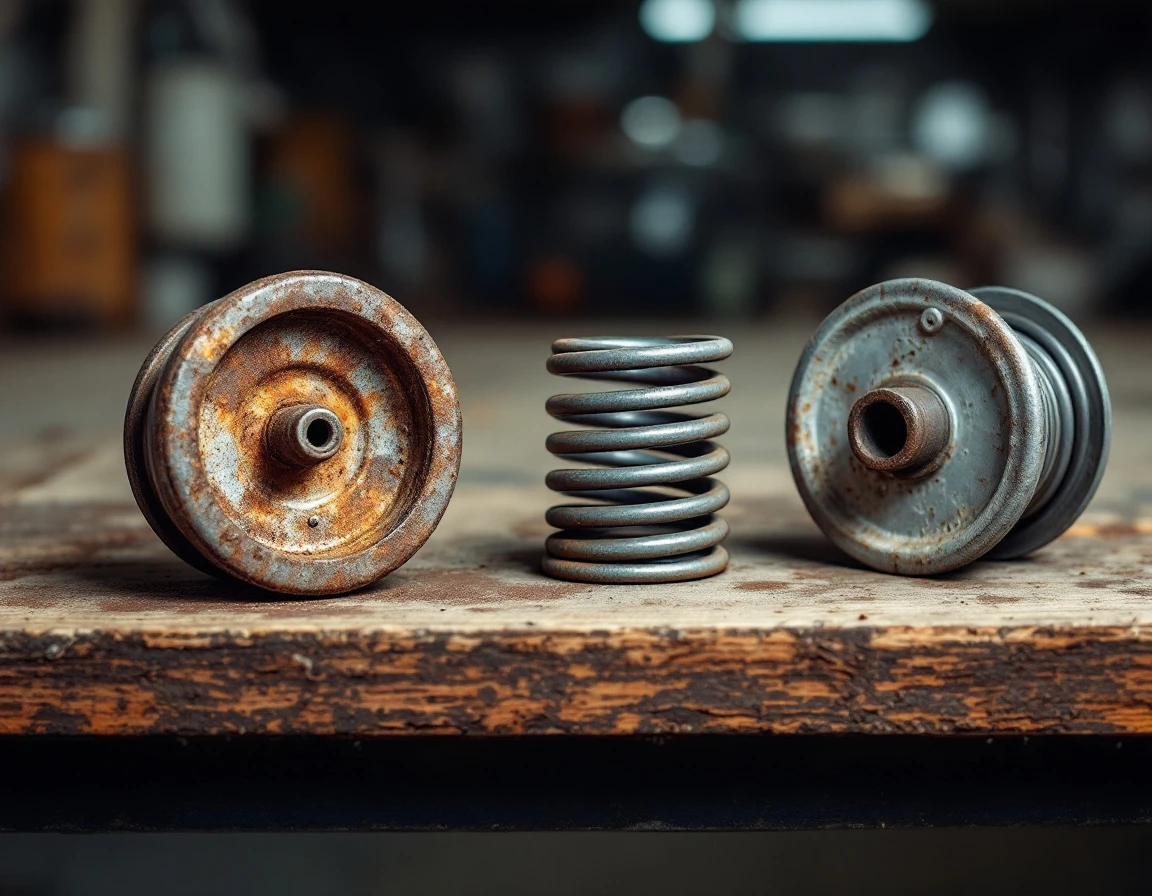
- Springs handle the entire weight load of your garage door, and heat causes them to expand and lose tension. Look for rust spots or discoloration along the coils, which signal moisture damage. Listen carefully as you open and close the door—squeaking or grinding sounds mean the springs need attention. Check that both springs appear equally stretched when the door is closed. Apply a silicone-based lubricant directly to each coil, moving from one end to the other.
- Rollers guide the door’s motion along the tracks, and debris or wear creates friction that strains the opener motor. Examine each roller for cracks, flat spots, or accumulated dirt. Open the door halfway and watch the rollers move—they should rotate smoothly without wobbling or catching. Clean any debris with a dry cloth, then apply white lithium grease to the roller bearings and stem.
- Hinges and fasteners prevent binding when metal expands in August heat. Check each hinge for loose bolts and tighten them with a socket wrench. Apply lubricant to all hinge pivot points where metal contacts metal, which reduces friction and prevents heat-related sticking.
Products and Application Steps
What should you reach for when it’s time to lubricate? Choose silicone-based lubricants or garage door-specific oils for your springs and moving parts. While WD-40 might seem like the obvious choice, it’s actually a solvent rather than a true lubricant and can dry out spring metal over time. For rollers, lithium grease works best to withstand August’s temperature swings.
Apply lubricant along the entire length of each spring. Coating the coils evenly. For rollers and hinges, a light spray or brush application is all you need—think thin coating, not dripping. One common mistake homeowners make is over-lubricating, which attracts dirt and creates a gummy residue that defeats the purpose. After application, wipe away any excess with a clean rag.
Here’s the best part: this entire inspection and lubrication process takes five minutes or less. No special skills required, no lengthy commitment—just a quick weekend task that prevents emergency repair calls during the hottest days of the year.
Warning Signs Requiring Professional Help
While routine lubrication falls within DIY territory, certain warning signs demand professional attention. Does your garage door close unevenly on one side, or do you hear grinding noises during operation. These symptoms often indicate spring imbalance or roller failure—problems that worsen quickly in August heat.
Look for visible rust that penetrates beyond surface oxidation, creating pitting or flaking on metal components. Similarly, doors that hesitate, jump, or shake during movement suggest misalignment or track damage that requires expert assessment.
The safety dimension matters most: garage door springs operate under extreme tension and can cause serious injury if improperly handled. A broken spring can release with enough force to cause fractures or lacerations. When you notice these red flags, contact Garage Harmony today for a professional evaluation that protects both your door and your family.
August Prevention Checklist
Ready to prevent a mid-August emergency repair? Use this timeline to keep your garage door operating smoothly throughout the hottest month of the year.
- Before the first 90-degree day: Complete your full inspection and lubrication routine. Check springs for rust and tension, examine rollers for wear, and tighten all hinges and fasteners.
- During peak heat week: Test your door’s operation daily. Watch for hesitation, uneven closing, or new grinding noises that signal heat-related expansion issues.
- Throughout August: Keep your manual opener accessible in case electrical components fail during extreme heat stress.
- Early September: Schedule professional maintenance after peak temperatures pass. This follow-up catches any wear that developed during the busiest moving season and prevents fall failures.
Following this checklist prevents the costly emergency repair call and keeps your door running smoothly when you need it most.