

Rural-Suburban Moisture Challenges
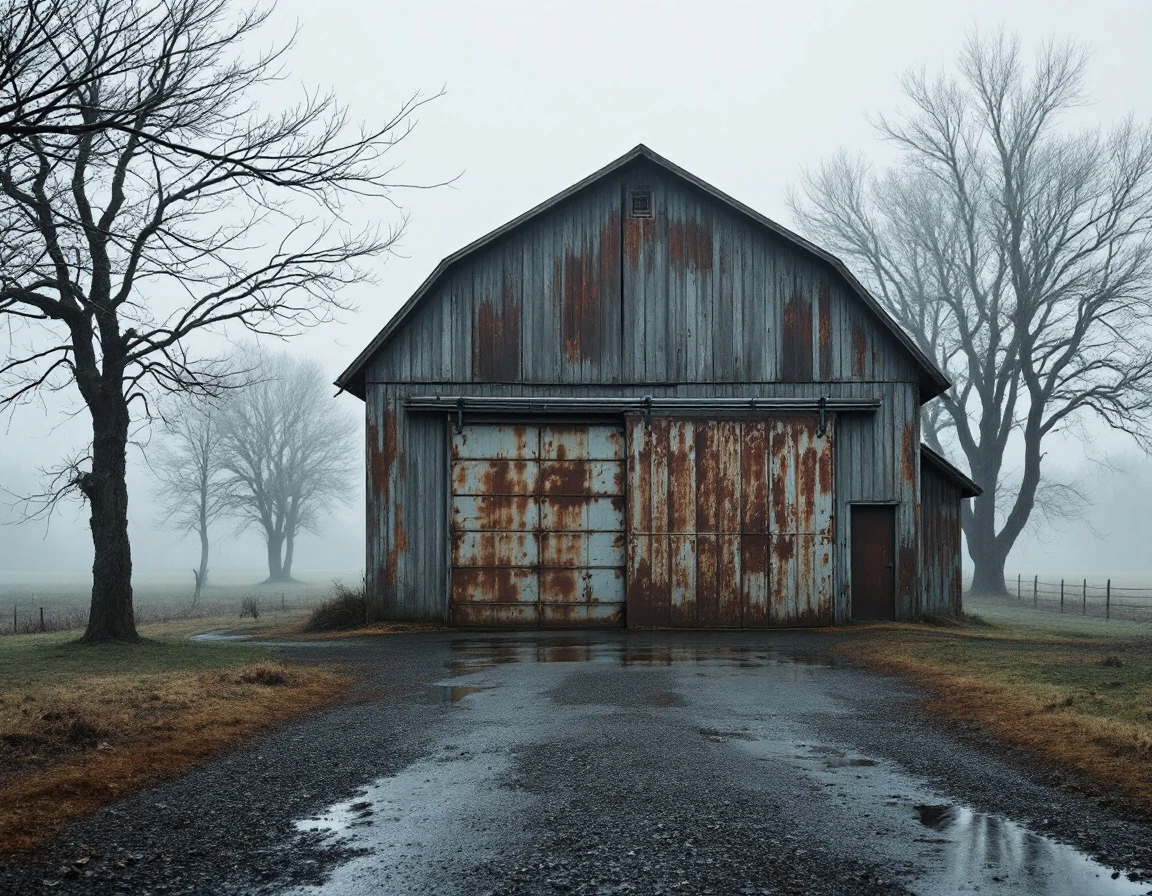
North Plains sits at the heart of the Tualatin Valley, where persistent fog and ground moisture create distinct challenges for garage door systems and require thoughtful North Plains garage door maintenance planning. Unlike the urban environment of Portland or the drier climate of Central Oregon, this area experiences a unique combination of farmstead workshops and modern residential garages—each facing different moisture exposure patterns that affect how doors age and fail.
October through March brings the valley’s densest fog, and it’s harder on your garage door than you might think. The moisture accelerates rust on springs and breaks down weatherstripping faster than typical garages experience. That’s why North Plains homeowners need a different maintenance approach. Detached garages face bigger moisture challenges. Older farmsteads and modern workshop buildings both sit without the heating protection of a home attached to them, so dampness gets trapped inside.
If you run farm equipment daily, your garage door opens 5-8 times a day instead of 2-3. That heavy use fatigues springs years faster than residential doors experience. The combination of frequent cycling and constant moisture exposure creates a perfect storm for premature failure, making generic national maintenance schedules inadequate for Tualatin Valley conditions.
Spring Replacement Indicators for North Plains Garage Door Maintenance
Your garage door springs warn you before they snap. Heavy-use agricultural doors operating 8-10 cycles daily show warning signs 18-24 months earlier than residential doors cycling just 2-3 times per day. Watch for sagging door panels, uneven movement during operation, and audible creaking or popping sounds during opening cycles. These symptoms indicate spring fatigue that will progress to complete failure without intervention.
Here’s what to look for during a visual check. Notice rust streaking on the spring coils, corrosion at the mounting brackets, or new gaps between coils. These are warning signs that replacement is coming soon. North Plains farmstead workshops face accelerated corrosion from the valley’s persistent fog and ground moisture, making these visual checks essential before each wet season arrives. If you spot any of these warning signs, contact Garage Harmony today. We can schedule a spring inspection and handle garage door spring replacement North Plains properties need before catastrophic failure occurs.
June is the best time to schedule spring replacement. You get dry weather for the work, and you’re ready before October fog arrives. Winter emergencies cost more and create frustrating delays. Planning ahead gives you control.
Proactive spring replacement directly supports the 5+ year lifespan extension this maintenance approach delivers. Address spring fatigue before complete failure occurs, and you prevent the cascading damage that happens when springs snap under load. The door panels, opener mechanism, and safety cables all stay protected when you replace springs on a maintenance schedule rather than after catastrophic failure.

Heavy-Use Farmstead Maintenance
Do you run equipment from a farmstead workshop? Your garage door needs a completely different maintenance schedule than residential garages. Your farmstead door opens 5-8 times daily instead of 2-3. That heavy cycling plus valley fog combines to degrade springs much faster than residential systems experience. Agricultural garage door maintenance in wet climates requires attention to detail that standard residential approaches simply cannot provide.
If you operate a workshop or equipment storage, inspect and lubricate springs every 6-9 months. That’s much more often than residential garages need—because your door works much harder. Annual lubrication of hinges, rollers, and springs is non-negotiable for systems opening 10 or more times daily.
Notice if the door doesn’t lift smoothly anymore. One side might rise faster than the other. You might hear grinding sounds during operation. Any of these means your springs need professional help soon. Catch these problems early, and you extend your door’s life by 5 years or more. That’s the difference between planning maintenance and waiting for catastrophic failure.
Residential System Tune-Up Schedule
Here’s the schedule that works for attached two-car garages in North Plains: schedule inspections twice a year, with June as your critical pre-wet-season window. This timing prepares your door for the fall-winter moisture surge that arrives with valley fog season, preventing mid-season failures when repair costs climb and service availability drops.
A professional inspection measures spring tension and checks weatherstripping, roller bearings, and track alignment. They’ll spot hidden rust under protective covers that your eyes miss. That’s the real value of professional service. Detached residential garages need this same attention as farmstead doors because North Plains fog exposure creates identical moisture challenges regardless of structure type.
Schedule your June inspection with Garage Harmony today. Get ahead of the autumn fog and protect your investment before problems become expensive emergencies.
Weatherstripping Protocols
Detached garages in North Plains need commercial-grade weatherstripping. Not standard residential materials. Garage Harmony recommends this upgrade because valley fog penetrates residential-grade seals within 12-18 months. Standard materials just don’t hold up. Commercial-grade materials prevent about 60% more moisture from entering than standard products. That difference means less water damage, less rust, and longer equipment life. Investing in quality detached garage weatherstripping North Plains Oregon properties demand saves far more in water damage repair than the material upgrade costs.
Effective weatherstripping addresses three critical zones:
- Bottom seals block ground-level dampness and pooling water
- Side gaskets prevent fog penetration at vertical gaps
- Header seals stop condensation drips and wind-driven moisture from above
Gaps in any single zone compromise the entire system because moisture finds the weakest entry point.
Property owners can install weatherstripping themselves or hire professionals. For bottom seals, choose vinyl or rubber bulb seals rated for wet climates. Side gaskets should compress fully when the door closes but maintain resilience in damp conditions. Header seals need UV resistance for south-facing doors. Replace worn sections when you notice light gaps, moisture stains, or material cracking.
Timing matters as much as material choice. Replace weatherstripping between June and August. Before autumn fog arrives in October. Installing new seals in September or later provides inadequate time for materials to seat properly before wet weather begins. Delayed replacement negates protection benefits when you need them most—during the prolonged moisture exposure from October through March.
Material Upgrade Options
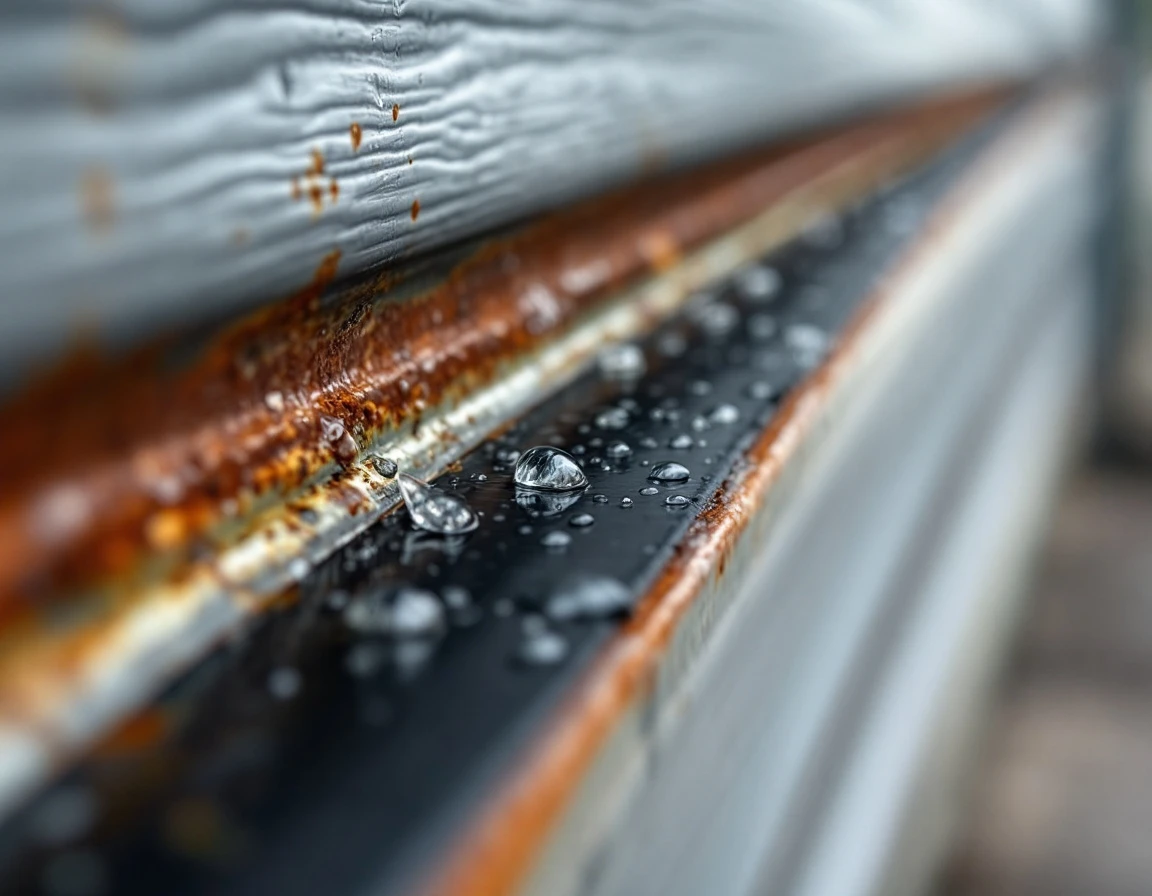
Material choice determines how long weatherstripping lasts in valley fog. Neoprene and EPDM rubber outperform vinyl because they don’t harden and crack when exposed to constant moisture like vinyl does. Vinyl hardens and cracks within eighteen months of Tualatin Valley fog exposure, while commercial-grade rubber compounds maintain flexibility. This performance difference becomes critical when protecting buildings from garage door moisture protection needs specific to valley fog conditions.
The critical distinction lies in how materials interact with moisture:
- Foam gaskets absorb water like a sponge, creating compression failure and mold growth inside the seal
- Rubber seals shed moisture through their non-porous surface, preventing water infiltration that causes premature failure
This difference matters for detached structures facing direct fog contact.
We recommend professional-grade magnetic seals for North Plains homes. Yes, they cost 30% more than standard weatherstripping, but they last three times longer in valley fog. That higher upfront cost saves you money over time.
Installation & Maintenance Timing
June installation gives North Plains property owners maximum protection before the Tualatin Valley fog season begins in October. Installing weatherstripping during the June-August window allows materials to compress and seat properly against garage door surfaces before moisture exposure intensifies.
Check your weatherstripping monthly during fall and winter. Catch degradation early, and you prevent moisture from reaching the door frame where serious water damage starts. Look for visible gaps, material hardening, or separation at corners—common failure points in detached structures exposed to persistent dampness. Replace weatherstripping every 18-24 months for detached garages and workshop buildings, or every 24-36 months for attached residential garages that face less direct moisture contact.
Catch seal problems early—don’t wait for visible failure. Water damage to garage framing starts long before you see pooling on the floor.
Property-Type Action Plan
Your maintenance schedule depends on how you use your garage. Whether you run a farmstead workshop, own an attached residential garage, or have a detached structure, we’ll help you create a schedule that prevents expensive surprises.
Farmstead Workshop Doors
Is your farmstead door cycling 5-8 times daily? Then you need monthly visual checks from June through December. That frequent use creates early spring fatigue that requires attention. Schedule professional inspections every six months in spring. Have technicians lubricate all moving parts—hinges, rollers, tracks—once a year. This schedule prevents the accelerated spring wear that heavy-use garage door springs farmstead operations experience. You address problems before autumn fog makes things worse.
Residential Two-Car Attached Systems
Schedule attached garage inspections twice yearly, with June as your critical pre-season tune-up before wet weather arrives. Replace weatherstripping every 24 months to maintain moisture barriers. This schedule catches developing problems while they’re still minor adjustments rather than emergency repairs. Contact Garage Harmony during your spring inspection to discuss residential garage door upgrade North Plains properties benefit from.
Detached Residential Garages
Treat detached residential garages the same way you’d treat a farmstead door against moisture. They face the same fog challenges, even though you don’t open them as frequently. Prioritize weatherstripping upgrades and spring inspections on the same six-month rotation as agricultural buildings.
The Cost Prevention Case
Proactive spring replacement scheduled during June fits your calendar and budget. Emergency winter failures leave you stranded with long wait times when contractors are overwhelmed. Contact Garage Harmony today to schedule your June appointment and avoid winter repair nightmares.




Leave A Comment