


Tualatin Valley Fog & Ice
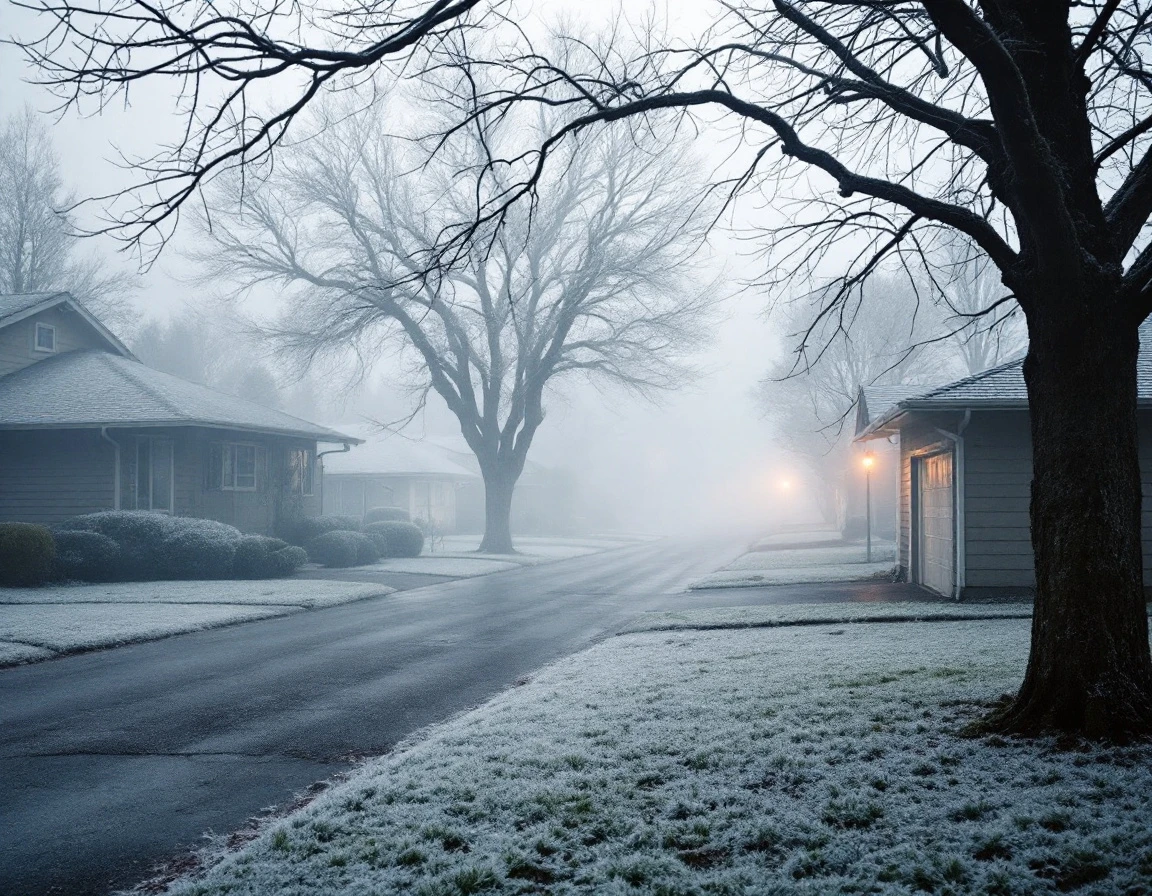
The Tualatin Valley’s October–March fog and ice cycle creates unique challenges for garage door maintenance in North Plains and surrounding communities, where moisture and freezing conditions accelerate wear on metal components.
October–March fog and freeze-thaw cycles
Between October and March, the Tualatin Valley’s dense ground fog creates persistent moisture that settles on garage door components overnight. This moisture becomes trapped in springs, tracks, and opener mechanisms, accelerating corrosion on metal parts that typically last years longer in drier climates.
When temperatures drop below freezing after foggy nights, the freeze-thaw cycle works moisture deep into metal surfaces. Springs lose tension as rust forms on coils, tracks develop rough spots that catch rollers, and opener gears corrode inside their housings. This pattern repeats dozens of times each winter, steadily weakening components until they fail without warning.
Ice expansion and contraction stress metal
When water seeps into garage door components during Tualatin Valley’s foggy months, ice expansion and contraction stress metal parts beyond what normal operation produces. Freezing water expands with enough force to warp springs, bend tracks, and crack roller bearings. Each freeze-thaw cycle compounds the damage, creating microfractures that eventually cause complete failure.
Delayed maintenance costs $800–$3,000 in emergency repairs by winter, compared to preventive service completed in spring or early fall.
Garage Door Maintenance North Plains: Four Summer Tasks
North Plains homeowners have a narrow window between the last spring rains and October’s fog season to prepare their garage doors for the Tualatin Valley’s demanding winter. These four maintenance tasks take just two to four hours total and prevent the moisture-driven failures that cause emergency service calls when temperatures drop.
Task 1: Clean and Lubricate Springs and Tracks
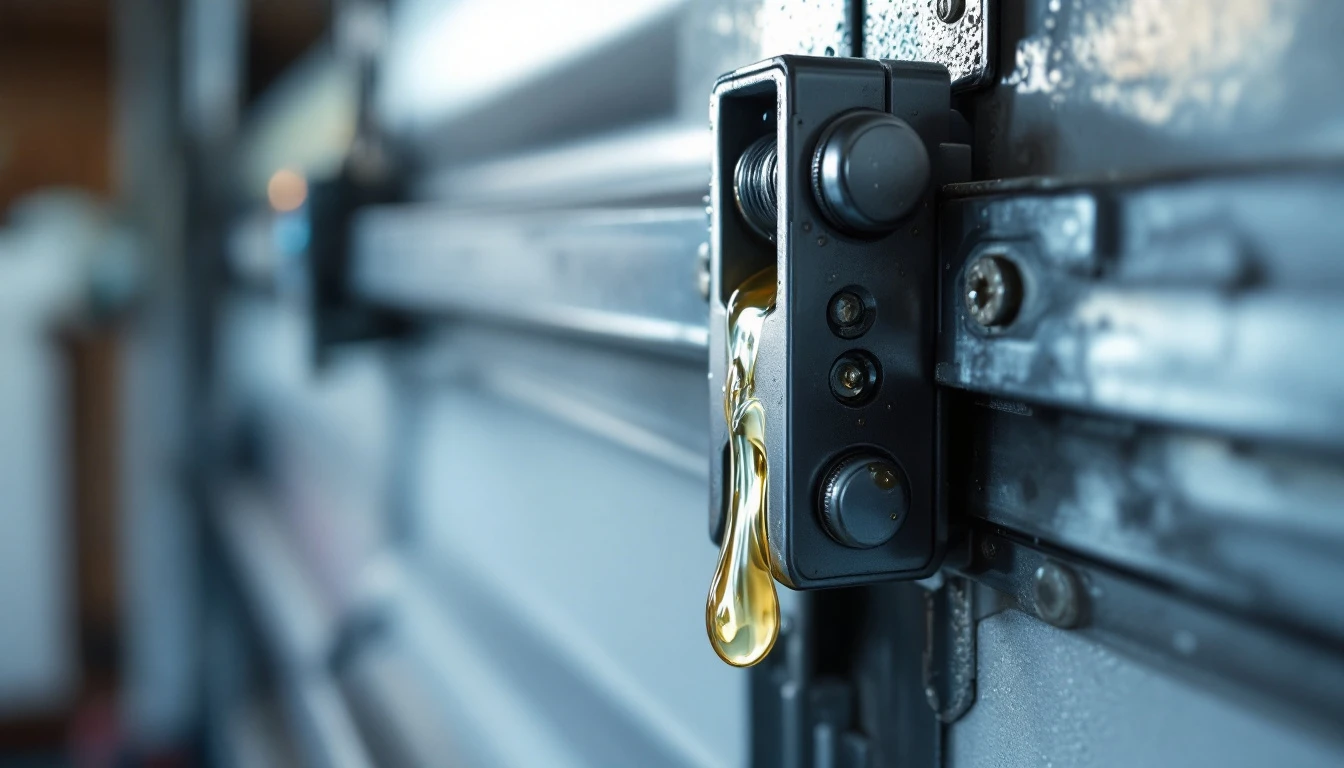
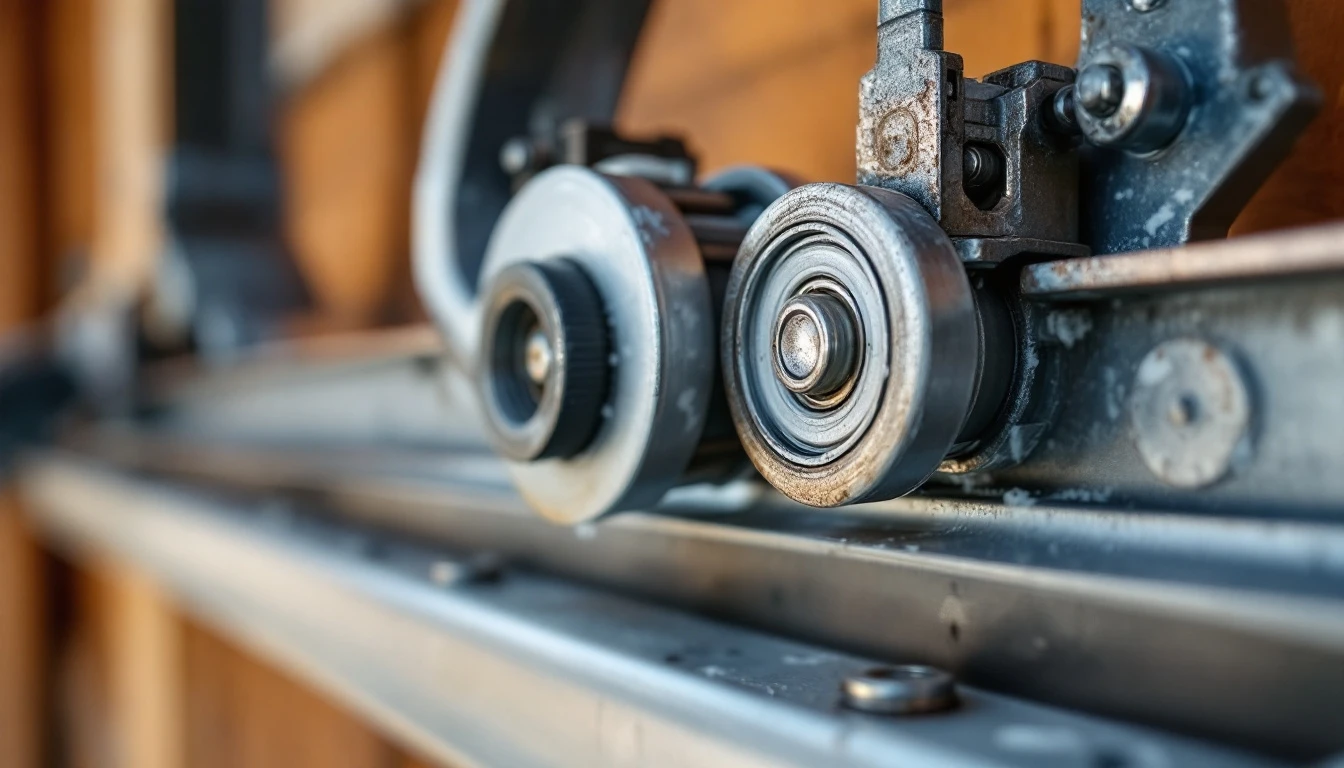
Time required: 45 minutes. Valley fog leaves microscopic moisture deposits in spring coils and track channels where dust and pollen create corrosion traps. Remove debris with a dry cloth, then apply silicone-based garage door lubricant to springs, rollers, and hinges. This simple maintenance prevents the spring failures that account for most winter emergency calls.
Most homeowners can complete this task safely with the door closed and the opener disconnected. Never attempt to adjust or remove torsion springs yourself—the stored tension can cause serious injury.
Task 2: Inspect and Replace Weatherstripping
Time required: 30-60 minutes. Check the rubber seal along the bottom of your door and the weatherstripping between panels for cracks, gaps, or compression damage. Fall rains arrive in September, and compromised seals allow water into tracks and behind panels where freeze-thaw cycles cause expansion damage. Replacement weatherstripping costs under $50 and installs with basic tools.
Task 3: Test Opener Operation and Sensor Alignment
Time required: 20 minutes. Cold temperatures thicken lubricants and affect sensor performance. Test your opener’s auto-reverse by placing a 2×4 under the closing door. Clean sensor lenses with a soft cloth and verify the indicator lights show proper alignment. This prevents the January morning when your opener refuses to close in freezing temperatures.
If sensors require realignment or the opener struggles to lift the door, contact a professional—worn gears and circuit boards need expert diagnosis.
Task 4: Apply Protective Coatings to Metal Components
Time required: 30 minutes. Inspect exposed metal hardware for surface rust or paint damage. Apply rust-inhibiting primer to bare metal spots and touch up chipped paint on panels. The Tualatin Valley’s persistent winter moisture accelerates corrosion once protective coatings fail. Address small rust spots now before they require panel replacement later.
Identifying Freeze-Thaw Damage
How do you know when winter moisture has already started attacking your garage door components? Rust spots on springs and tracks tell you that water has penetrated the protective coating. These reddish-brown patches aren’t just cosmetic issues—they mark locations where metal has weakened and will continue to deteriorate through each fog cycle.
Listen to your garage door during operation. A spring that squeaks or groans signals metal fatigue from repeated expansion and contraction. That sound means the coils have lost tension and flexibility. A squeaking spring is approaching failure. And once it snaps during a January freeze, you’ll face emergency repair costs rather than planned maintenance expenses.
Watch how your door moves along its tracks. Does it bind or hesitate at certain points? Track misalignment or binding indicates that ice expansion has warped the metal frame. In Tualatin Valley winters, morning frost can make a slightly misaligned door refuse to open completely, leaving you stranded in your garage or locked out of your home.
Your garage door opener provides early warnings too. Hesitation when you press the button, grinding noises during operation, or motors that sound like they’re straining all point to mechanism corrosion from moisture exposure. These symptoms appear gradually from October through March but become critical problems when you discover them during a winter storm. Catching these signs now—during June through August when temperatures are stable—means scheduling convenient repairs instead of paying emergency rates in the middle of winter.
Weather-Resistant Components
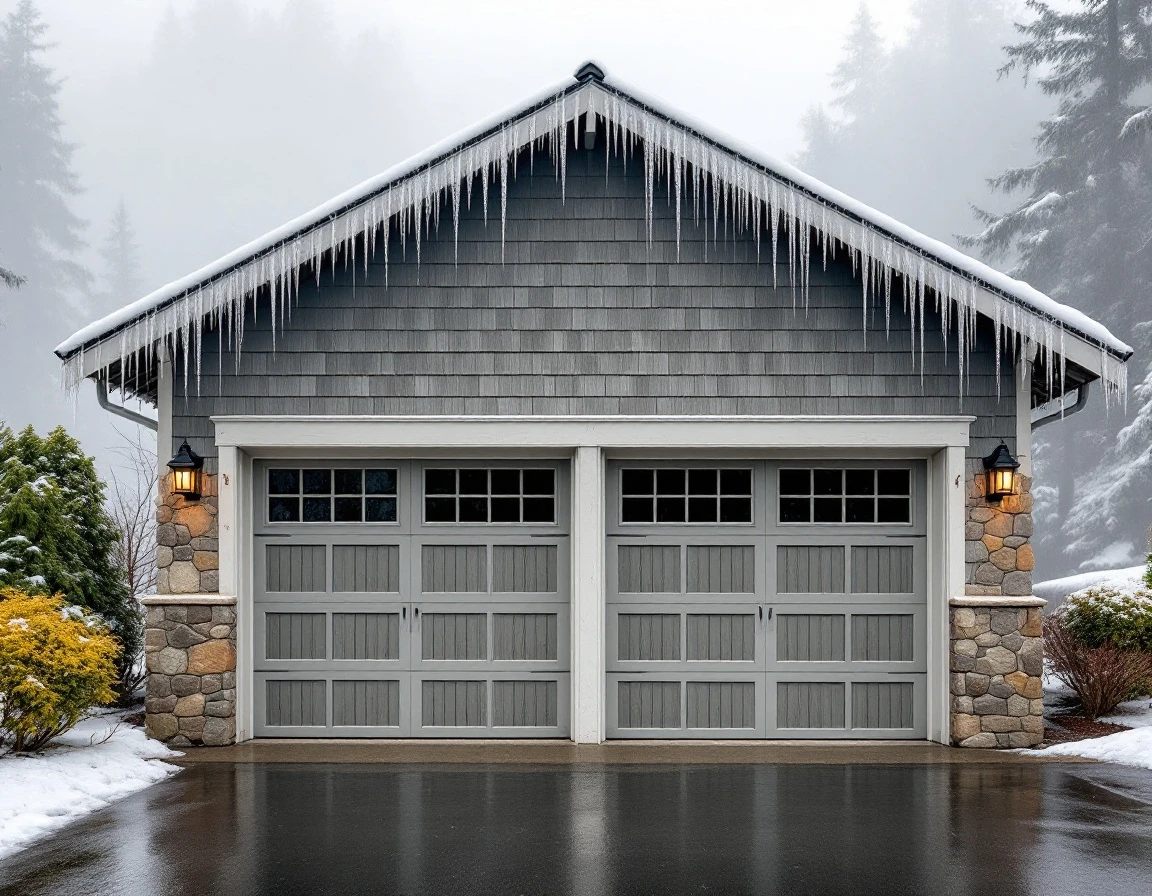
Think of weather-resistant garage door components as insurance against Tualatin Valley conditions. Standard springs, weatherstripping, and openers fail predictably in North Plains’ October–March fog and freeze-thaw cycles. Upgrading to valley-specific components before October extends their service life and prevents expensive mid-winter failures.
- Stainless steel or galvanized springs resist the rust that destroys standard steel springs in persistent valley fog. Regular springs develop surface corrosion within months of exposure to moisture-saturated air, weakening the metal until sudden failure occurs. These upgrades cost $150–$250 installed but eliminate the $1,500–$2,000 emergency replacement bill when standard springs snap during a January ice storm.
- Heavy-duty weatherstripping creates effective seals where standard rubber allows moisture and ice infiltration. Valley fog creeps through worn gaps, depositing moisture on metal components and allowing ice to form inside track channels. Quality weatherstripping upgrades run $200–$300 for complete door perimeter replacement, preventing the $2,000–$3,000 cost of replacing corroded tracks and hardware damaged by persistent moisture exposure.
- Sealed, moisture-resistant garage door openers prevent electrical failures common in wet climates. Standard openers expose circuit boards to humid air that causes corrosion and connection failures. Upgrading to a weather-sealed opener costs $300–$400 but avoids both the replacement expense and the inconvenience of losing garage access during winter storms.
- Rust-inhibiting track lubricants remain effective through rain exposure, unlike standard oils that wash away and leave metal unprotected. June is the ideal time to order and install these components—giving you four months before October fog arrives. Contact Garage Harmony for detailed product guides and installation options specific to valley conditions.
DIY vs Professional Service
Knowing what you can safely handle yourself helps you save money while avoiding costly mistakes. Cleaning tracks, lubricating hinges, and checking weatherstripping are safe tasks for North Plains homeowners to complete during the June–August window. These four maintenance activities require only basic tools and minimal time investment.
However, spring inspection, spring replacement, and opener motor work require specialized expertise and tools. Garage door springs operate under extreme tension—enough to cause serious injury if handled incorrectly. Many jurisdictions require licensing for this work precisely because of these safety risks. What appears as a simple mechanical component actually demands technical knowledge to assess fatigue, measure tension correctly, and install without creating hazards.
A professional inspection takes 60–90 minutes and costs $150–$200, but it catches hidden damage that homeowners typically miss. A technician can identify micro-fractures in springs, track misalignment that’s not yet visible, and opener motor wear that will fail during the first ice event.
Here’s the smart approach for Tualatin Valley conditions: complete your four DIY garage door maintenance tasks during summer months, then book a professional inspection in September. This combination gives you hands-on cost savings while a trained eye catches damage before October fog and winter ice turn minor issues into expensive emergencies. Contact us today to schedule your pre-winter inspection and protect your investment.


Leave A Comment