


High Desert Climate Stress Cycles and Goldendale Garage Door Freeze-Thaw Damage
Goldendale’s high desert climate creates freeze-thaw cycles that compress and expand garage door springs more rapidly than Gorge towns experience, accelerating metal fatigue and shortening spring lifespan. Understanding how Goldendale garage door freeze-thaw damage develops helps property owners prevent costly emergency repairs and plan maintenance budgets effectively.
Goldendale experiences 40–60 freeze-thaw cycles
While Hood River and Cascade Locks typically see 15–25 freeze-thaw cycles each winter, Goldendale’s high desert climate produces 40–60 cycles annually. This happens because Goldendale sits outside the Gorge’s moderating marine influence, experiencing temperature swings of 30–40°F in a single day.
What does this mean for your garage door? Each freeze-thaw cycle expands and contracts metal springs and steel panels repeatedly. Springs designed for 10,000 cycles wear out faster when they endure double or triple the environmental stress of their Gorge counterparts.
High desert elevation (1,800+ ft)
Goldendale’s high desert elevation at 1,800+ feet creates a harsher environment for garage door springs than lower-elevation Gorge communities. The thin atmosphere offers minimal cloud cover insulation, exposing springs to prolonged cold that penetrates deeper into metal coils overnight. This extended cold exposure intensifies the metal fatigue cycle that occurs with each morning warm-up.
Spring water content in high-elevation snowmelt presents an additional corrosion challenge. As snow melts through Goldendale’s spring months, the mineral-rich runoff carries higher dissolved solids that settle on garage door components. This moisture accelerates rust formation in spring coils, weakening the metal structure before typical wear patterns would normally appear.
High Desert Garage Door Spring Replacement Timeline Comparison
How long should you expect your garage door springs to last? In Goldendale, torsion springs typically fail at 6–8 years. While the same springs in Portland or Willamette Valley communities last 8–10 years. That two-year difference matters when you’re budgeting for maintenance costs over the lifespan of your home.
Attached garage doors in Goldendale enjoy a slight advantage over detached and agricultural-style doors, lasting 1–2 years longer. Why? Detached doors face unmoderated temperature swings without the thermal buffer a house provides. Agricultural barn-style doors on outbuildings experience the full force of freeze-thaw cycling, meaning those micro-fractures accumulate faster in spring coils exposed to extreme daily temperature changes.
The cumulative cost difference adds up. Over two decades, a Goldendale homeowner replacing springs more frequently will undergo multiple replacement cycles, while a Gorge neighbor with less frequent replacements will need fewer interventions. These extra cycles represent real out-of-pocket expenses—not counting emergency service calls if a spring snaps during a January cold snap.
Goldendale property owners should plan spring replacement every 6–8 years, while Gorge communities can budget for 8–10 year intervals. Knowing these timelines prevents mid-winter surprises and helps you schedule replacement during milder weather when service availability is better and you’re not facing emergency rates.
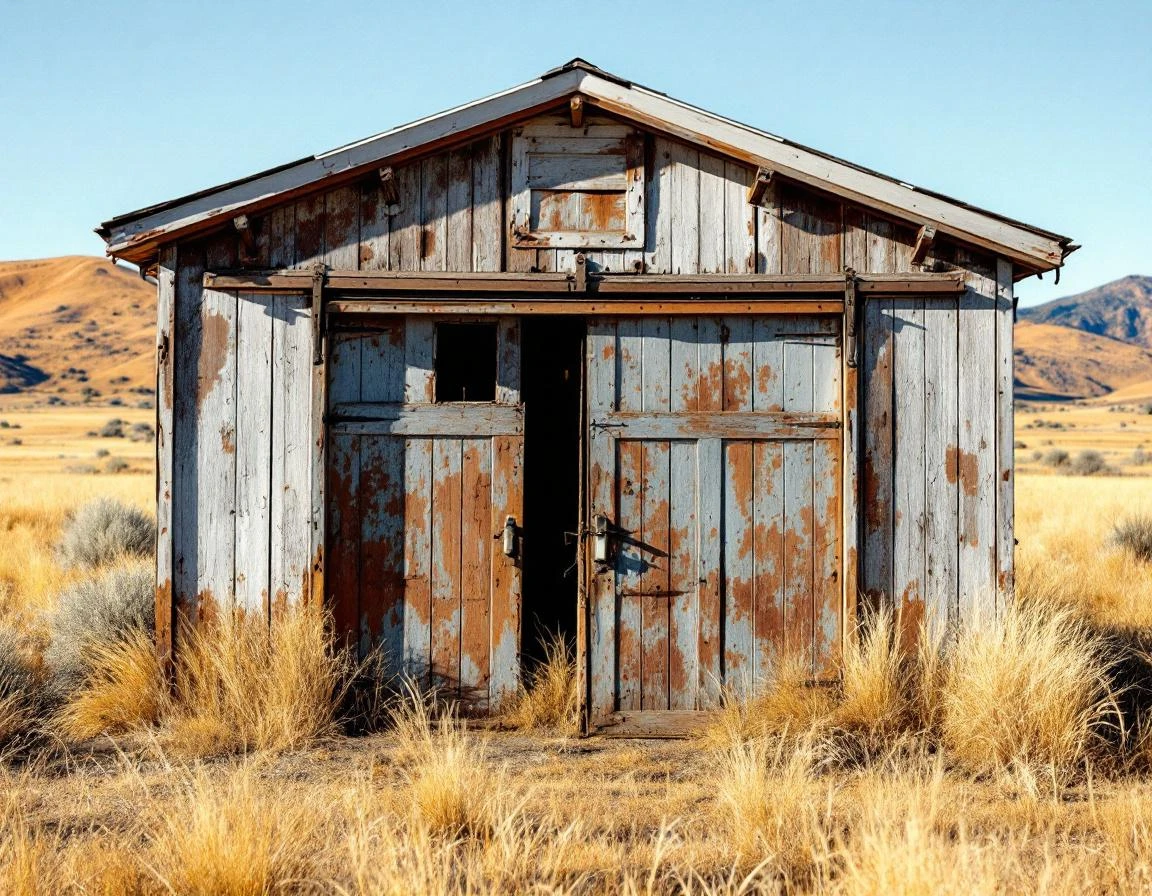
Detached and Agricultural Door Protection in High Desert Conditions
Detached structures lose house-radiated heat, experiencing 15–25°F lower nighttime temperatures than attached garages. This temperature differential matters enormously for Goldendale property owners with agricultural buildings, equipment storage, and workshop structures common throughout Klickitat County. Without the thermal buffer your home provides, these doors face the full force of high desert freeze-thaw cycles affecting agricultural garage doors in this region.
Uninsulated agricultural doors allow full panel flex and ice accumulation in frame seals. When daytime temperatures push panels outward and nighttime cold contracts them inward, the constant movement stresses springs while ice forms in weatherstripping channels. This ice-wedge effect gradually destroys seal integrity, allowing moisture to reach spring mounting hardware.
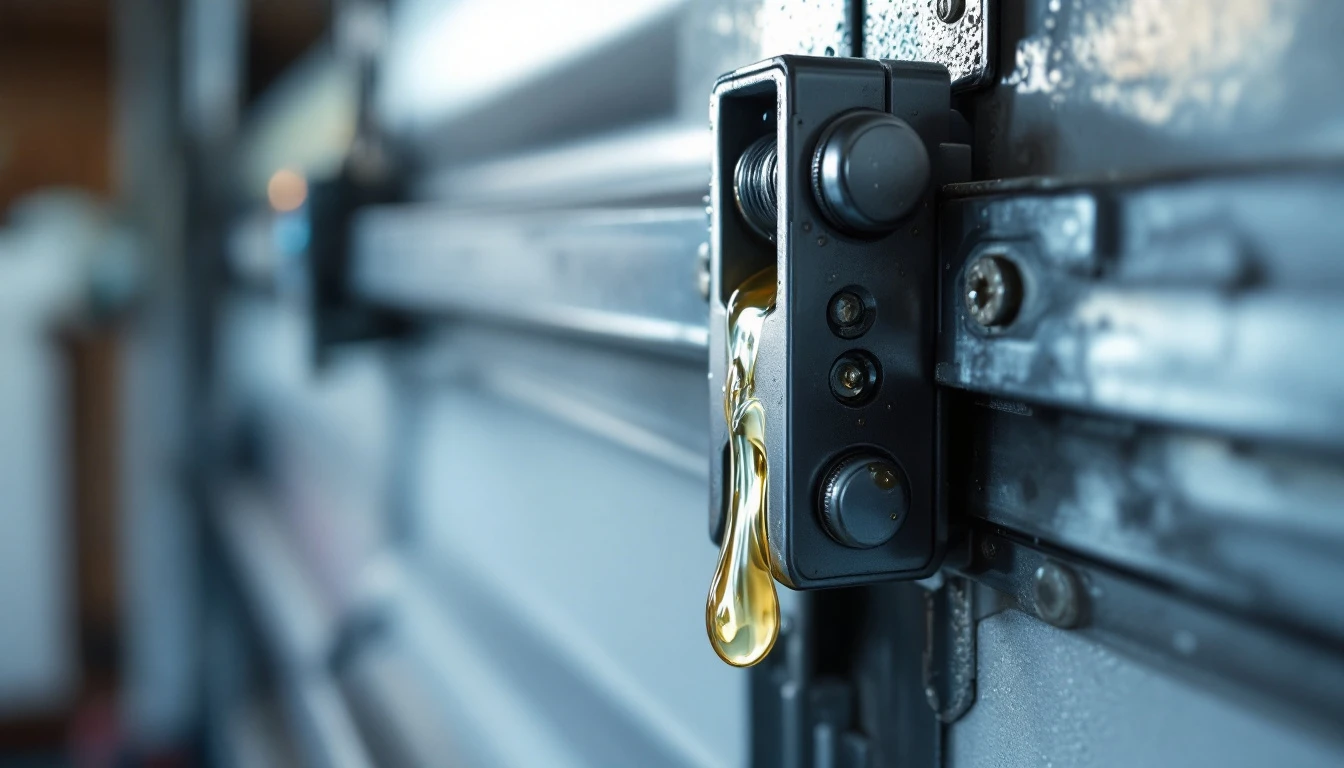
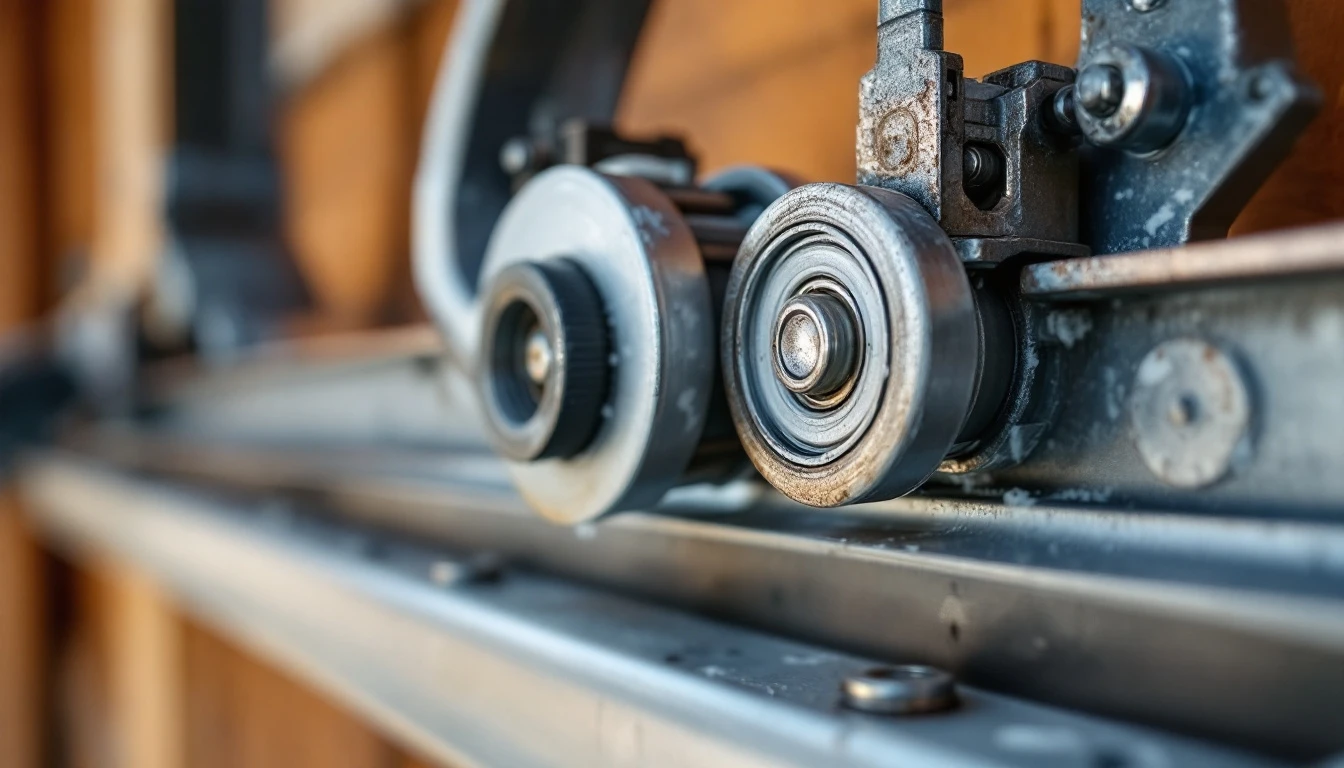
Agricultural hinges and hardware experience salt-air corrosion from winter dust storms that sweep across the high desert plateau. This corrosion pattern differs from the moisture-based rust common in Gorge communities. Before October arrives, apply anti-corrosion lubricant to hinges and springs—this single step extends component life by creating a barrier against dust infiltration.
Install heavy-duty weatherstripping rated for freeze-thaw cycles rather than standard residential grades. Weatherstripping fails faster in high desert conditions due to material brittleness from thermal cycling. For older agricultural doors showing panel warping or severe seal degradation, consider insulated panel retrofit or replacement. Modern insulated panels resist temperature-driven warping while reducing the temperature swings that stress springs. These three protective measures directly extend spring life, helping you reach that 2026 replacement timeline instead of facing unexpected failures this winter.
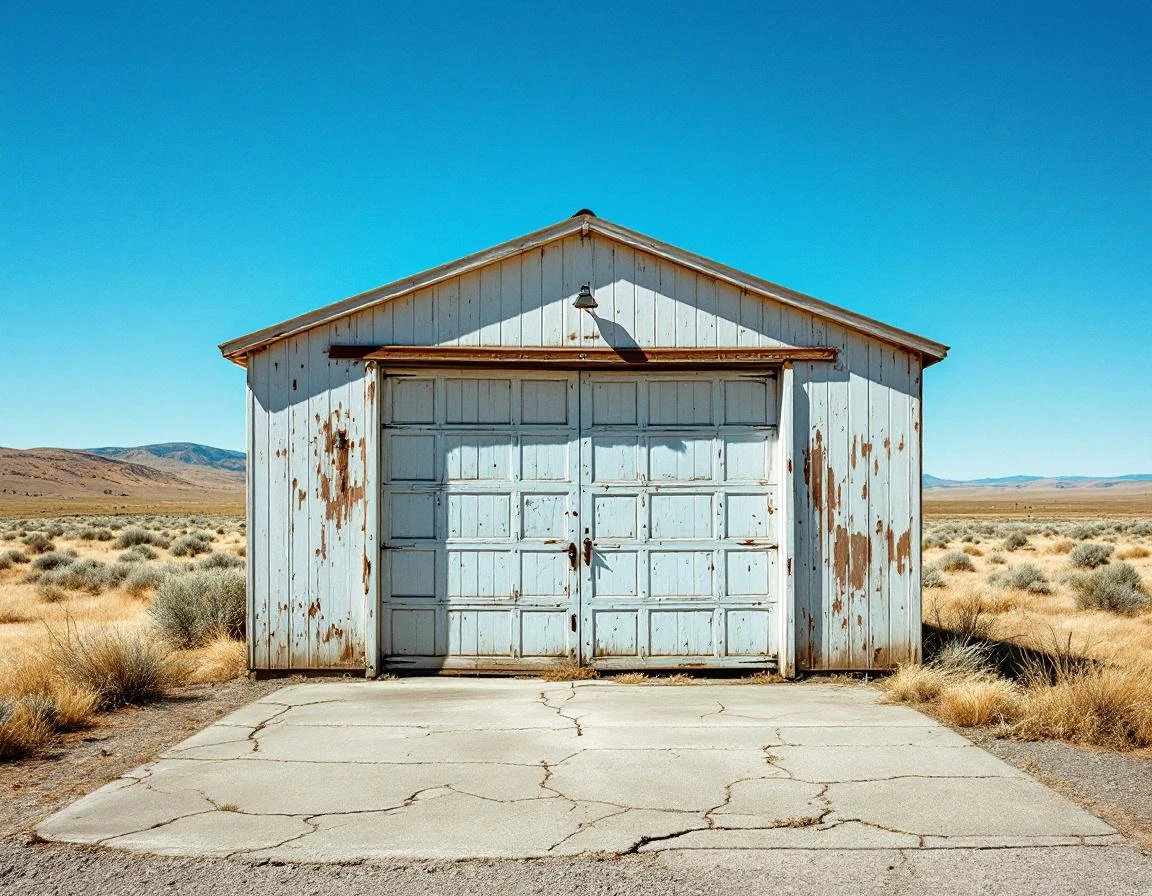
DIY Inspection vs. Professional Assessment
Some garage door checks are safe for homeowners to handle themselves. You can visually inspect springs for rust, watch whether your door closes evenly on both sides, and listen for unusual creaking or grinding sounds during operation. These simple observations help you catch problems early without putting yourself at risk.
Never attempt torsion spring repairs yourself. These high-tension coils store enough force to cause serious injury or death if they release unexpectedly. Spring tension testing requires specialized tools and professional certification.
If you notice rust visible on coils, your door dropping on one side, or loud popping sounds during operation. Contact Garage Harmony immediately. These red flags signal spring problems that need expert assessment. Schedule your professional inspection in March or April, before Goldendale’s summer heat amplifies existing micro-fractures in aging springs. Pre-summer timing gives you room to budget for replacement without emergency repair costs catching you off guard.
Three Protective Measures for May 2026
Goldendale property owners can take action now—before summer heat worsens existing damage—to extend spring life and avoid emergency replacement calls. These three measures work best when completed by the end of May, allowing your garage door springs and seals to enter next winter in best condition.
- Measure 1: Apply food-grade silicone lubricant to spring coils, hinges, and tracks every 6 months. This creates a moisture barrier that prevents mineral-rich snowmelt from penetrating spring coils, where it causes corrosion that weakens metal over freeze-thaw cycles. Cost: $15–25 for lubricant. Timeline: Complete by May 31 and repeat in November.
- Measure 2: Install or replace weatherstripping before October to prevent ice accumulation in seals. Fresh weatherstripping blocks moisture from entering door gaps, where it freezes and expands during Goldendale’s overnight temperature drops. Cost: $40–80 for materials. Timeline: Schedule installation by September 30.
- Measure 3: Schedule professional spring tension inspection by June 30 to catch micro-fractures before winter. Trained technicians identify hairline cracks invisible to homeowners that will fail under winter stress. Cost: $85–120 for inspection. Timeline: Book your appointment now for completion before summer.
“Preventive maintenance is a more economical choice than emergency spring replacement with after-hours service calls. Contact us today to schedule your professional inspection and protect your investment.”

Leave A Comment