


Sandy’s Snow Load Challenge
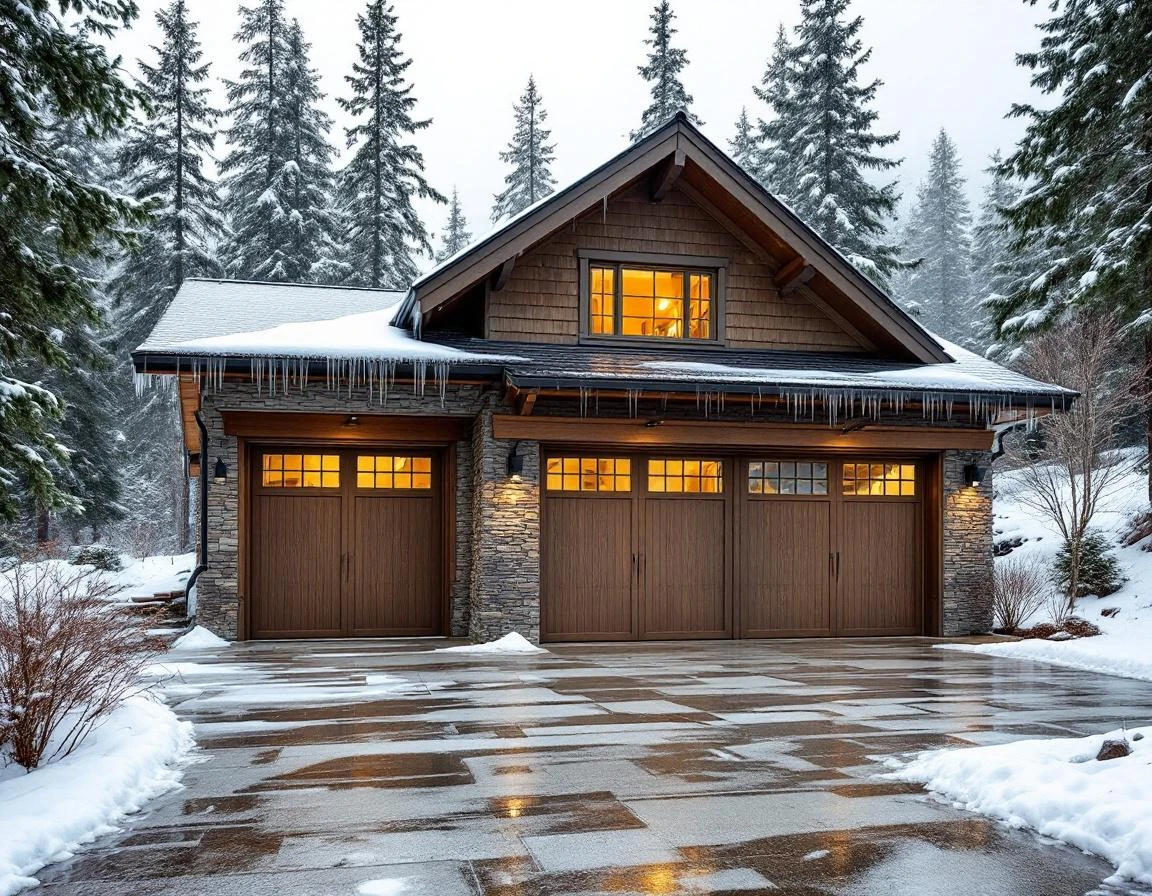
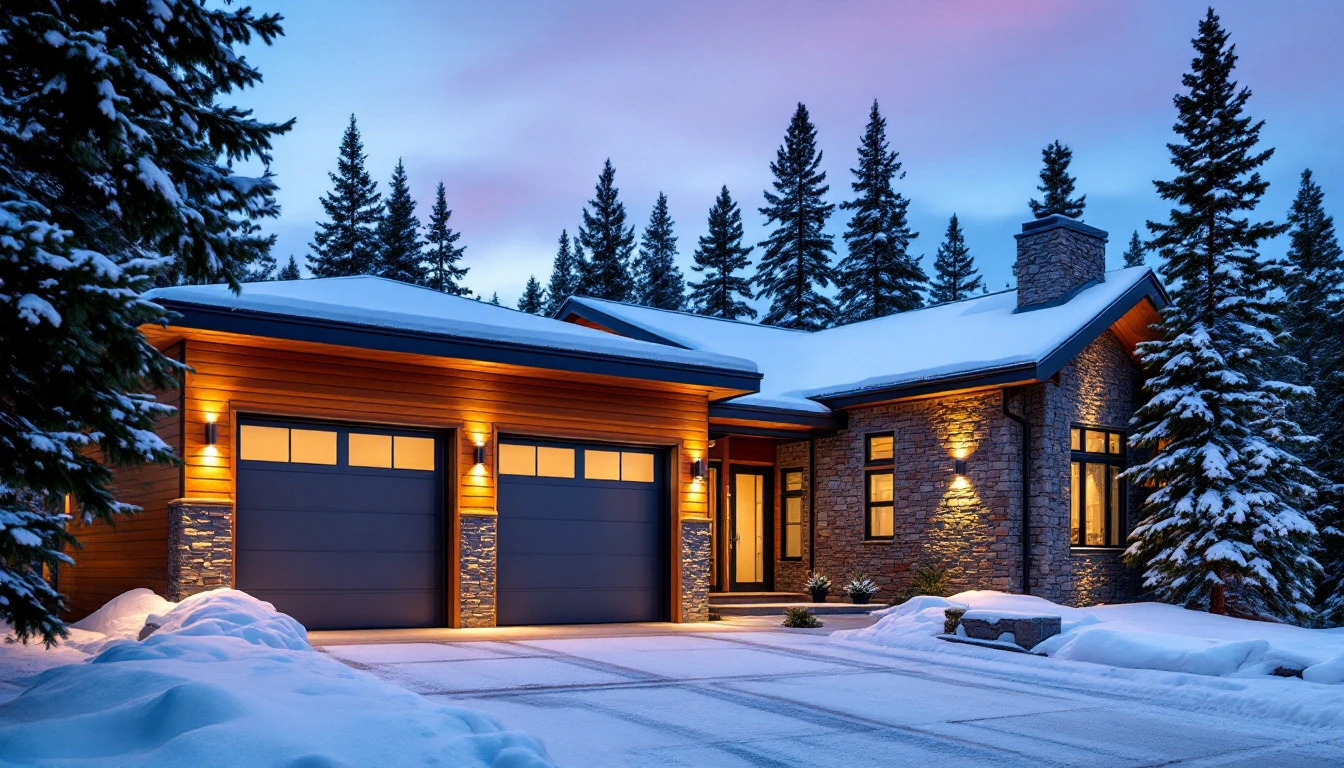
Sandy sits at over 1,000 feet elevation in the Mt. Hood Corridor, where annual winter snowfall averages 40 to 60 inches—far more than the Portland metro area receives. This elevation difference creates a serious problem for garage doors Sandy Oregon snow conditions regularly exceed standard ratings. Standard residential doors are typically rated for 20 to 30 pounds per square foot of snow load, but Sandy’s conditions regularly exceed these limits.
Why does elevation amplify the problem? Colder temperatures at higher altitudes produce heavier, wetter snow that packs densely on garage door surfaces. A foot of wet snow can weigh 20 pounds per square foot, while the same depth of light powder weighs only 3 to 5 pounds. When snow accumulates on your garage door overnight, generic door ratings fail under the sustained weight.
Freeze-thaw cycles add another layer of damage. Temperature swings between 25°F at night and 40°F during the day cause ice to expand in panel seams, cracking vinyl and warping aluminum frames. Spring failure rates in high-elevation properties spike to three or four times higher than valley floor homes during these temperature cycling periods. Properties throughout the Sandy area face documented damage patterns each winter, making proactive door selection and maintenance critical before the first snowfall arrives.
Snow Load Ratings for Sandy Oregon Snow Conditions
Sandy homeowners need garage doors rated for at least 50 pounds per square foot to handle the area’s 40-60 inch annual snowfall. You can calculate this requirement using a simple formula: your elevation (1,000 feet) plus local snow depth data equals the minimum PSF rating needed. When shopping, look for manufacturer specifications that clearly cite PSF or total pounds capacity—this number should be prominently displayed in product documentation.
Steel insulated doors rated between R-13 and R-18 handle snow loads better than single-layer aluminum models. A 30 PSF-rated door might work in Portland, but Sandy’s heavier, wetter snow demands 50-70 PSF ratings. Snow load rated garage doors Mt. Hood with steel construction and polyurethane foam insulation provide the structural rigidity needed to prevent panel buckling when snow accumulates overnight.
Key Takeaway: Insulated doors deliver dual benefits for Mt. Hood Corridor homes. The same insulation that increases load capacity also protects against freeze-thaw damage.
Temperature swings cause uninsulated panels to expand and contract repeatedly, leading to cracks and warping. Composite materials with steel backing offer similar load ratings but typically cost more than insulated steel options.
When reviewing product specs, verify the manufacturer lists both snow load capacity and insulation R-value. These two numbers work together—higher insulation typically correlates with stronger panel construction, giving you the freeze-thaw protection and structural strength Sandy’s winter conditions demand.
Insulation R-Values and Freeze-Thaw Prevention
Freeze-thaw damage begins with a simple physics problem: water expands when it freezes. In uninsulated garage doors, temperature swings allow moisture to infiltrate panel seams and joints during wet winter days. When nighttime temperatures drop below freezing, that water expands, creating microscopic cracks in the door material. The next thaw allows more water to penetrate deeper into those cracks, and the cycle repeats—each time widening the damage until panels crack permanently and weather seals fail.
Insulation breaks this cycle by stabilizing interior door temperature. Insulated garage doors freeze thaw damage prevention with R-13 to R-18 ratings maintain more consistent panel temperatures, reducing the dramatic swings that cause expansion and contraction. This thermal stability prevents the temperature gradient that forms across uninsulated panels—where the exterior face freezes while the interior remains warmer, creating internal stress that leads to warping.
Material choice matters in Sandy’s elevation. Polyurethane foam cores outperform polystyrene in freeze-thaw cycling because polyurethane bonds directly to steel skins, creating a unified structure that resists separation. Polystyrene panels can delaminate when thermal cycling weakens adhesive bonds. The energy savings add financial logic to this protection: properly insulated doors reduce heating costs by $150-300 annually. Offsetting 30-40% of the door’s cost over five to eight years while protecting your investment from climate damage.
Five Pre-Winter Maintenance Steps
Complete these five maintenance tasks between July and September—before the first heavy snow hits Sandy. Each task takes 15 to 30 minutes, and the total time investment protects your door against emergency winter failures that trap cars during storms.
- Task 1: Inspect and Replace Weatherstripping (20 minutes) – Check the rubber seal along the bottom and sides of your door for cracks, brittleness, or gaps. Replace any damaged sections using vinyl weatherstripping rated for freezing temperatures. You’ll need a utility knife, measuring tape, and exterior-grade adhesive. If the seal tears away easily when pulled, it won’t survive freeze-thaw cycling.
- Task 2: Lubricate Moving Components (15 minutes) – Apply lithium-based garage door lubricant to rollers, hinges, and tracks. Avoid WD-40, which attracts dirt and freezes in cold temperatures. If rollers wobble or produce grinding sounds despite lubrication, call a professional—worn bearings fail under snow load stress.
- Task 3: Test Spring Preload (30 minutes) – Disconnect the opener and manually lift the door halfway. It should stay in place without assistance. If it drops or rises, spring tension needs adjustment. This task requires professional help—improperly tensioned springs cause door collapse under snow weight.
- Task 4: Check Panel Alignment (20 minutes) – Close the door and inspect panel gaps from inside the garage. Uneven spacing indicates warping or track misalignment that worsens with freeze-thaw cycles. A carpenter’s level confirms whether the door hangs square.
- Task 5: Clean and Test Safety Sensors (15 minutes) – Wipe sensor lenses with a dry cloth and test auto-reverse by placing a 2×4 under the door. Sensors caked with road salt or snow melt fail when you need them most.
Completing these five tasks requires modest upfront investment in DIY supplies. Skipping them risks emergency winter repairs that demand professional service during snowstorms, when scheduling becomes difficult and costs escalate rapidly.
Maintenance Task 1: Clean and Seal Weather Strips
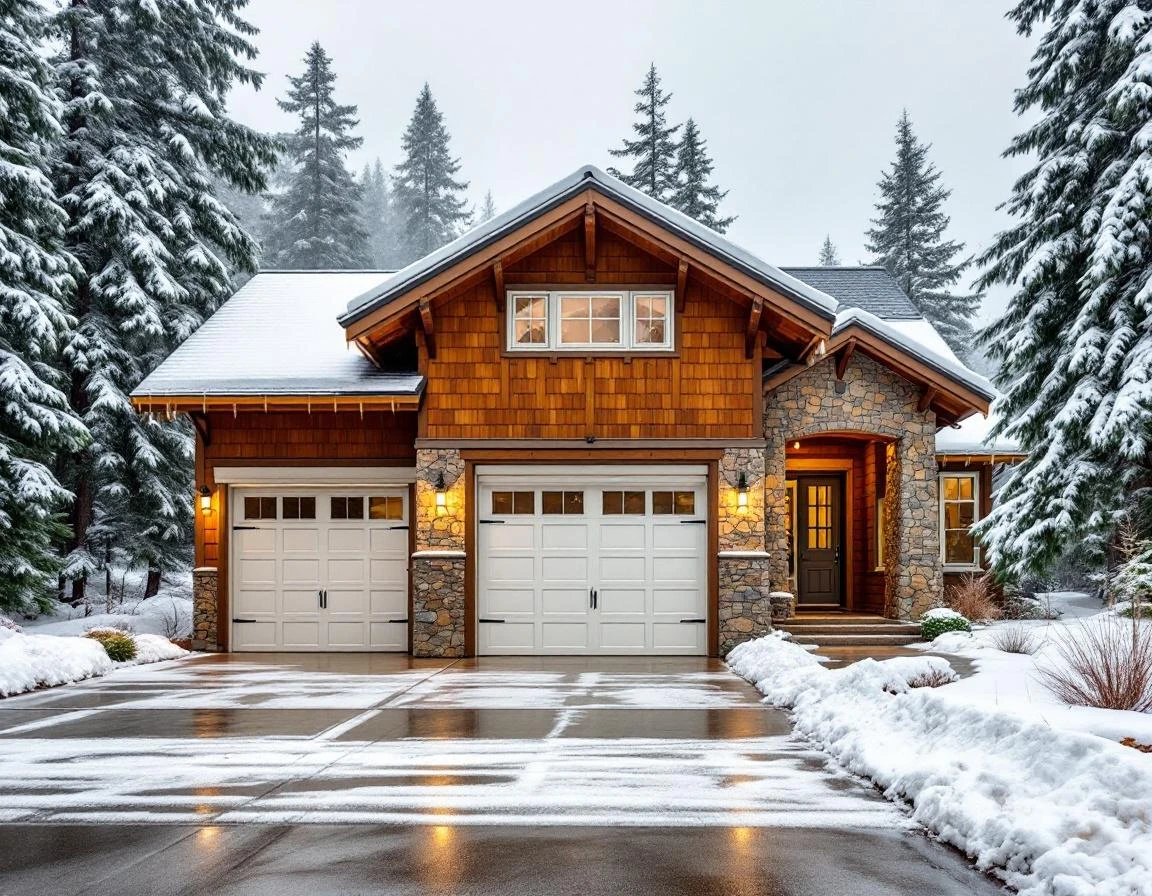
Start by inspecting the rubber seals around your garage door perimeter and bottom panel. Look for cracks, peeling sections, or visible gaps where water or snow could infiltrate. Sandy’s freeze-thaw cycle makes these gaps particularly destructive—water seeps in during warm spells, then expands when temperatures drop, cracking panels and tearing seals further.
Clean debris from existing seals using a stiff brush, removing dirt that prevents proper adhesion. If you find damaged sections, replace the weatherstripping immediately. A quality DIY weatherstripping kit costs $40-80 and takes about an hour to install.
Complete this task between July and August. New seals need time to cure before October’s snow-melt cycle begins. Damaged seals cannot withstand repeated freeze-thaw exposure from October through March, when mountain snow accumulation and melting become daily occurrences at 1,000+ feet elevation.
Maintenance Task 2: Inspect and Lubricate Springs
Sandy’s elevation subjects garage door springs to brutal freeze-thaw cycling. Cold temperatures contract metal, reducing spring tension, while repeated thermal cycling creates micro-fractures that lead to catastrophic failure. Listen for squeaking during operation and watch for uneven opening patterns that signal weakening springs.
Apply silicone-based spray lubricant to springs, rollers, hinges, and tracks monthly. Avoid WD-40 or oil-based products that freeze in cold weather and attract dirt. Silicone maintains viscosity below freezing and keeps components moving smoothly.
Test spring balance by manually raising your door halfway. It should hold position at any height. Doors that drop or rise indicate failed preload, requiring immediate professional attention.
Complete this maintenance in August before Sandy’s first hard freeze. Spring failure during winter snow traps your vehicle inside, and emergency replacement becomes an unexpected burden on your budget.
Maintenance Task 3: Clear Tracks and Test Door
Clean garage door tracks prevent winter binding that damages springs and openers under snow load stress. Start by vacuuming out leaves, dirt, and debris from both vertical and horizontal track sections. Then wipe tracks with a dry cloth to remove residue that attracts moisture.
Inspect tracks for dents or misalignment while cleaning. Debris-filled tracks create drag that forces springs and openers to work harder when temperatures drop, accelerating wear on components already stressed by cold weather. Snow and ice accumulation in dirty tracks prevents doors from closing properly, creating gaps where cold air infiltrates.
Test manual balance by disconnecting the opener and manually lifting your door to mid-position, then releasing your hands. A properly balanced door should stay put. If it falls or rises, springs are too weak to handle winter snow loads and need adjustment or replacement before the first storm arrives.
Warning: Spring adjustments involve high-tension components that can cause serious injury. Contact Garage Harmony for professional spring evaluation if your door fails the balance test. Our team can assess whether DIY maintenance or professional repair is appropriate for your specific situation.
Maintenance Task 4: Inspect Door Panels
Grab a bright flashlight and examine every panel on your garage door, paying special attention to corners, seams between panels, and bottom edges. Sandy’s freeze-thaw cycles create stress concentration at these panel joints—this is exactly where first cracks appear.
Look for three warning signs: hairline fractures (often starting in corners), paint bubbling that indicates water trapped under the surface, or slight panel warping. Steel insulated doors typically show stress cracks at corners and bottom panels first.
Here’s your decision tree: a single small crack can be sealed with polyurethane caulk as a basic DIY fix, but multiple cracks or large fractures require professional panel replacement. Timing matters—seal any cracks you find in August before freeze-thaw season intensifies.
This early detection prevents catastrophic panel failure mid-winter when emergency repairs cost far more.
Maintenance Task 5: Test Sensors and Auto-Reverse
Your garage door’s safety sensors serve a critical function during Sandy’s winters: preventing the door from closing on snow and ice accumulations that build up on the garage floor. When these sensors fail, the door can trap snow, causing panel damage and creating a serious safety hazard.
Test your sensors monthly during winter by placing your hand under the descending door. It should stop and reverse immediately. If it doesn’t, address the problem before the next snowfall.
Sensor maintenance requires three simple steps. First, clean both sensor lenses with a soft cloth—dirt and dust block the infrared beam. Second, check alignment by verifying both sensors show solid green indicator lights. Third, test the auto-reverse function. Sandy’s freeze-thaw cycling commonly shifts sensor mounting brackets, causing misalignment.
If sensors consistently fail testing despite cleaning and alignment, replace them before winter arrives. DIY sensor kits are readily available at most hardware retailers, but faulty sensors put your property and family at risk when snow accumulates.
Warning Signs Requiring Professional Repair
While the five maintenance tasks help you catch problems early, some issues demand professional attention immediately. Recognizing these warning signs before September gives you time to schedule repairs during normal business hours—not as an emergency service call during a winter storm.
Spring failure shows clear symptoms: If your garage door won’t stay in the mid-position when you manually lift it halfway and let go, your springs have lost tension. You might also hear loud banging sounds during operation or notice visible gaps in torsion springs above the door.
Panel damage requires immediate assessment. Hairline surface cracks can be sealed, but cracks wider than a credit card, multiple panels showing damage, or visible warping indicate structural failure. At Sandy’s elevation, freeze-thaw cycles will expand these cracks rapidly once winter arrives. Panel replacement runs $300-800+ depending on door size and material, with costs climbing when emergency service is needed.
Opener problems manifest as grinding sounds, hesitation during cycles, or the door reversing before fully closing. These symptoms indicate mechanical failure that becomes critical when heavy snow loads stress the system. Opener repair or replacement costs $150-600+ for scheduled service. By early September, any of these warning signs should trigger an immediate service call—not a “wait and see” approach that guarantees winter emergency repairs.
Regional Resources for Sandy Homeowners
When garage door maintenance exceeds DIY capabilities—spring replacement, panel installation, or insulated door upgrades—Sandy homeowners need professionals who understand Mt. Hood Corridor climate demands. Not all garage door technicians recognize the difference between Portland valley requirements and high elevation garage door maintenance Sandy foothills properties face where snow loads and freeze-thaw cycles demand specialized knowledge.
Garage Harmony serves Clackamas County including Sandy and surrounding foothills properties. Our team has direct experience with the unique challenges Mt. Hood Corridor homes face: heavy wet snow, rapid temperature swings, and extended winter conditions that standard door installations cannot handle.
Timing matters. Professional service schedules fill rapidly in August and early September as homeowners prepare for winter. Waiting until October means facing long delays or paying premium emergency rates when snow arrives early. The maintenance tasks covered in this guide identify what needs attention—now schedule professional assessment while July and August availability remains open.
Contact us today to schedule a consultation. We’ll assess your door’s condition, recommend appropriate upgrades for Sandy’s climate, and complete work before winter arrives.





Leave A Comment