


La Center Garage Door Winter Damage: Foothills Elevation & Freeze-Thaw Cycles
La Center homeowners living in the Amboy foothills face harsher winter conditions than residents in lower-elevation areas of Clark County. Higher elevations bring colder overnight temperatures, more frequent snowfall, and persistent freeze-thaw cycles that accelerate garage door deterioration throughout the winter months. Understanding how La Center garage door winter damage develops helps foothills residents protect their doors before seasonal stress causes failure.
La Center sits 800–1,200 ft elevation vs. lower
La Center and the Amboy foothills sit at 800–1,200 feet elevation, while most of Clark County rests below 500 feet. This elevation difference means colder overnight temperatures and more frequent freezing events during winter months. When temperatures hover around 32°F, moisture trapped in garage door panels, tracks, and weatherstripping freezes overnight and thaws during the day.
This freeze-thaw cycling creates repeated expansion and contraction stress on metal components and panel seams. Each cycle weakens panel bonds, widens hairline cracks, and accelerates rust formation in steel hardware. Over a single winter season, foothills homes may experience 40–60 freeze-thaw events compared to 15–20 in lower Vancouver neighborhoods.
Snow loads 2–3× higher than valley floors
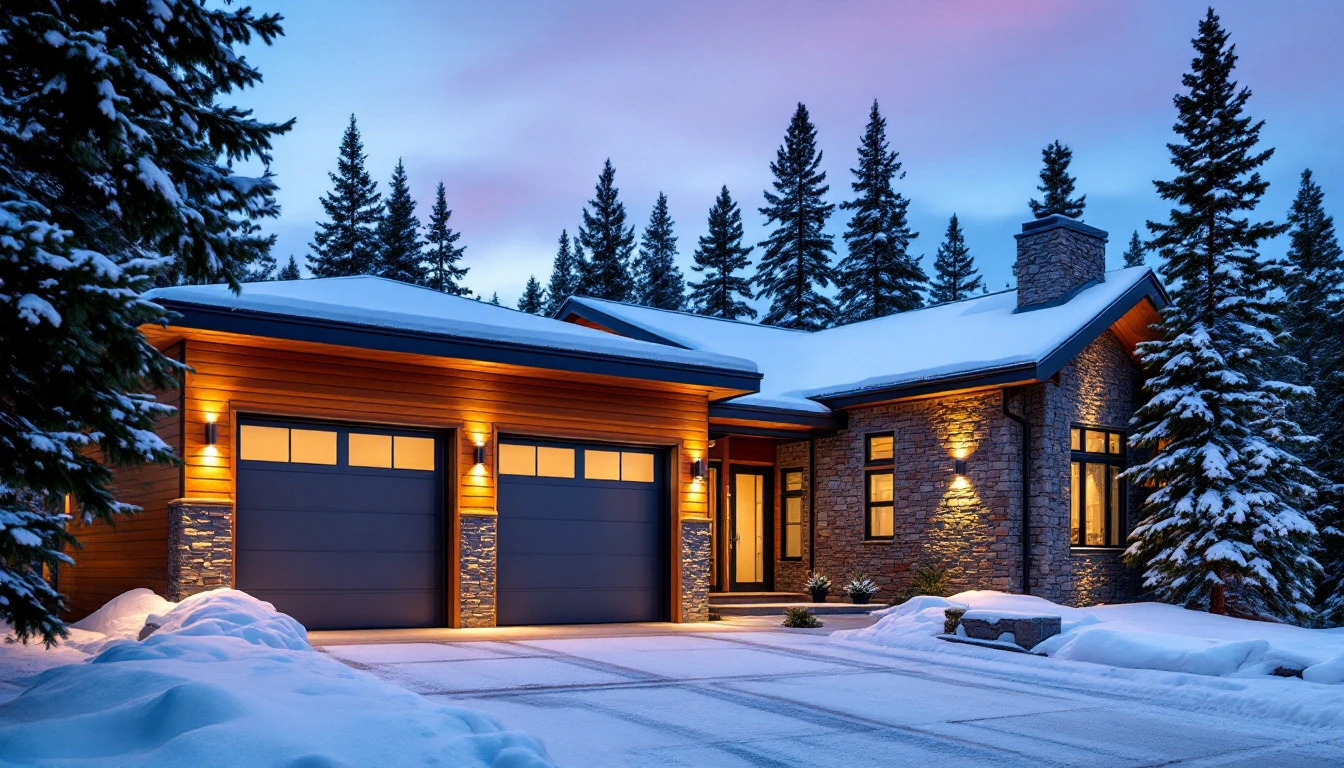
When Amboy homeowners shovel heavy, wet snow from their driveways each winter, the same weight presses down on garage door panels and tracks. Foothills locations accumulate two to three times more snowpack than La Center’s town center or Woodland’s valley floor, translating to sustained downward pressure that stresses rollers, hinges, and horizontal tracks throughout the season. This foothills snow damage garage doors pattern repeats across the Clark County foothills elevation zone.
That snow load doesn’t just disappear when temperatures climb above freezing. Temperature swings accelerate spring fatigue by cycling moisture into metal components during warm afternoons, then re-freezing overnight. This constant expansion and contraction weakens springs and opener arms that already carried extra weight through December and January, making post-winter inspection critical for catching damage before catastrophic failure.
Spring Damage from Winter Stress
Garage door springs bear the full weight of your door with each cycle, and in the Amboy foothills, winter subjects these hardworking components to relentless freeze-thaw punishment. When temperatures drop below freezing overnight and climb above 32°F during the day, the metal in your torsion springs expands and contracts repeatedly. This constant cycling creates microscopic fractures in the steel that accumulate over months of winter weather.
Cold temperatures make spring steel increasingly brittle, reducing its ability to flex without damage. At the same time, the pre-stress tension that allows springs to counterbalance your door’s weight gradually diminishes through winter. By late April, springs that appeared functional in November may have lost enough tension to create a noticeable door imbalance. Your opener compensates by working harder to lift the additional weight, straining its motor and shortening its lifespan.
This is why May and June represent the best replacement window for foothills homeowners. Garage door spring replacement La Center during late spring prevents catastrophic failure when you need your garage most. A broken spring isn’t just an inconvenience—it’s a genuine safety hazard that can cause a heavy door to slam shut unexpectedly or trap your vehicle inside during an emergency.
If your door feels heavier when opening manually, hesitates during operation, or your opener sounds strained, don’t wait for complete spring failure. Contact us today for a spring inspection and replacement quote before winter returns to North Clark County.
Panel Cracking & Weathering
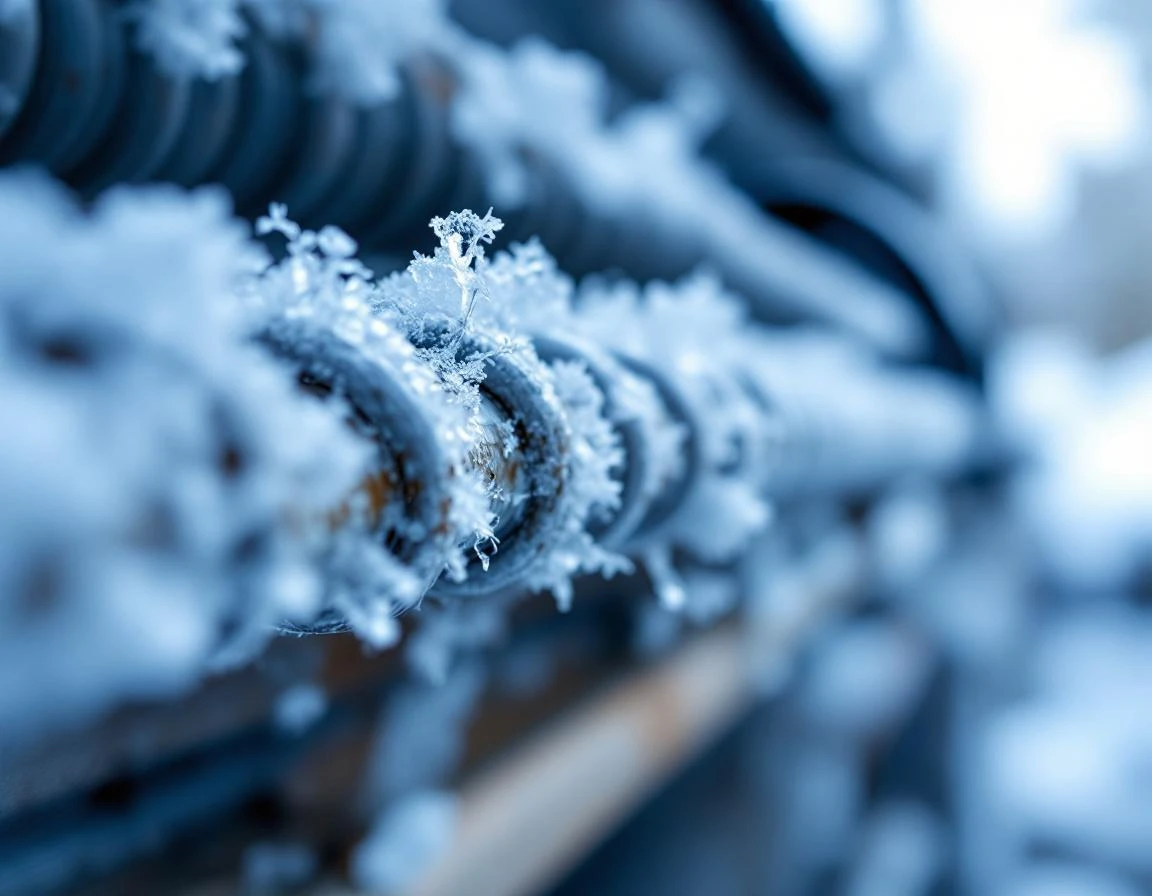
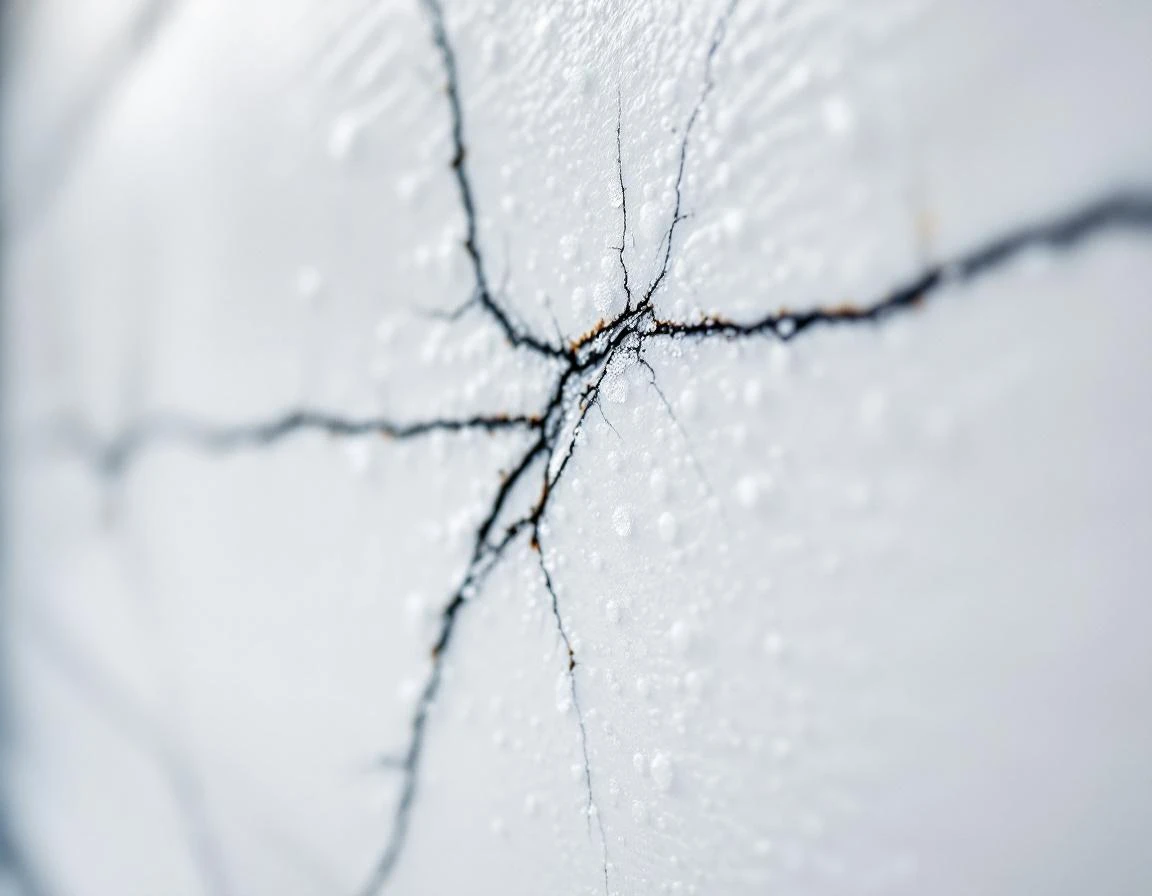
In the Amboy foothills, garage door panels face a double assault: heavy snow weight pressing outward and ice wedging into every seam. When moisture seeps into panel joints and freezes, it expands with tremendous force, pushing layers apart and creating hairline cracks. Freeze-thaw garage door panel cracking patterns intensify with each winter cycle, turning minor cosmetic blemishes into structural problems by spring.
Snow loads in higher-elevation areas like Amboy press against panels with enough force to bow or buckle them, especially on older composite and steel doors. This outward pressure combines with freeze-thaw cycling to accelerate panel failure. Panels weakened by ice wedging lose their structural integrity, allowing wind and rain to penetrate through compromised seams.
How do you tell the difference between cosmetic damage and a real problem?
- Cosmetic cracks are surface-level scratches or shallow splits that don’t penetrate through the panel
- Structural cracks go through the full thickness, allowing light to pass through or creating gaps where you can feel air movement
If you can see daylight through a crack, or if the panel flexes abnormally when pressed, weatherproofing is compromised. These structural failures allow moisture inside your garage and force your heating system to work harder.
Panels cracked during winter will worsen if left unrepaired through another freeze-thaw season. Addressing panel damage during spring inspection prevents minor cracks from becoming complete panel failures.
Opener Strain & Motor Fatigue
When garage door springs weaken or break, they create an immediate imbalance that forces your opener motor to carry far more weight than it can support. Instead of gently guiding a balanced door along its track, the motor must now lift most of the door’s weight on every cycle. Garage door opener strain winter conditions accelerates this wear, as cold temperatures thicken lubricants and increase friction on already-stressed components.
In the Amboy foothills, cold winter temperatures compound this problem. Motor lubricants thicken in freezing weather, creating additional friction that makes the unit work even harder. You’ll often hear the earliest warning signs during cold mornings: clicking sounds as gears slip under strain, grinding noises from worn components, or noticeably slow operation as the motor struggles to lift an unbalanced door.
Replacing damaged springs immediately removes this excessive load. Allowing your opener to return to normal operation and preventing a costly motor replacement down the road. Addressing spring failure first stops the cascading damage before it reaches your opener system, protecting your investment in both components.
May–June Spring Repair Checklist
Once winter weather releases its grip on the Amboy foothills, homeowners should conduct a thorough post-winter inspection of their garage doors. Start by examining your springs for signs of fatigue: look for gaps in the coils, visible rust or corrosion, and uneven spacing along the length of the spring. Check whether your door sits level when partially opened—if one side sags lower than the other, spring tension has become unbalanced. This assessment forms the foundation of any Clark County foothills garage door repair plan.
Next, walk through a visual inspection of your door panels. Look for cracks radiating from the edges or corners, which indicate structural damage rather than superficial wear. Run your hand along weatherstripping at the bottom and sides of the door—if the rubber feels brittle, cracked, or pulls away easily, it’s no longer creating an effective seal. Listen to your opener during operation. Does it grind, click repeatedly, or struggle to lift the door smoothly? These sounds signal that worn springs are forcing your opener motor to work harder than it should.
Prioritize safety hazards over cosmetic concerns. Spring failure poses immediate risk of door collapse or sudden release, while minor surface cracks and small dents can wait. If you spot spring gaps, hear grinding noises, or notice panel separation at the seams, schedule professional inspection within one to two weeks.
Document all damage with photos for insurance or warranty claims before repairs begin.
The most cost-effective strategy involves scheduling spring replacement now—before July heat arrives and before next winter brings another freeze-thaw cycle. High elevation garage door maintenance in late spring positions foothills homes ahead of winter stress. Contact Garage Harmony for a professional assessment immediately after your inspection, obtain quotes within one to two weeks, and complete replacement work by mid-June. This timeline protects you from emergency repairs during winter when technician availability drops and urgent service calls cost more.

Leave A Comment