


Freeze-Thaw Cycles and Panel Cracking
Central Oregon’s dramatic temperature swings crack wood panels and warp metal sections throughout winter, creating damage Sisters homeowners typically discover in April. Proper garage door winter maintenance Central Oregon homes require helps prevent this seasonal destruction before freeze-thaw damage compounds.
Central Oregon’s extreme temperature swings
Sisters sits at 3,200 feet elevation, where winter nights regularly plunge below zero while sunny afternoons can spike above 40°F. These dramatic daily temperature swings force wood and composite garage door panels to expand and contract at different rates, creating internal stress that warps panels and loosens joints.
When temperatures repeatedly cross the freezing threshold, moisture trapped in micro-cracks expands as ice, then contracts when it melts. This freeze-thaw cycle garage door damage prevention requires understanding how ice expansion creates stress fractures in door panels, hardware mounting points, and weather seals—weakening structural integrity with each cycle throughout Central Oregon’s long winter season.
Custom rustic doors are especially vulnerable
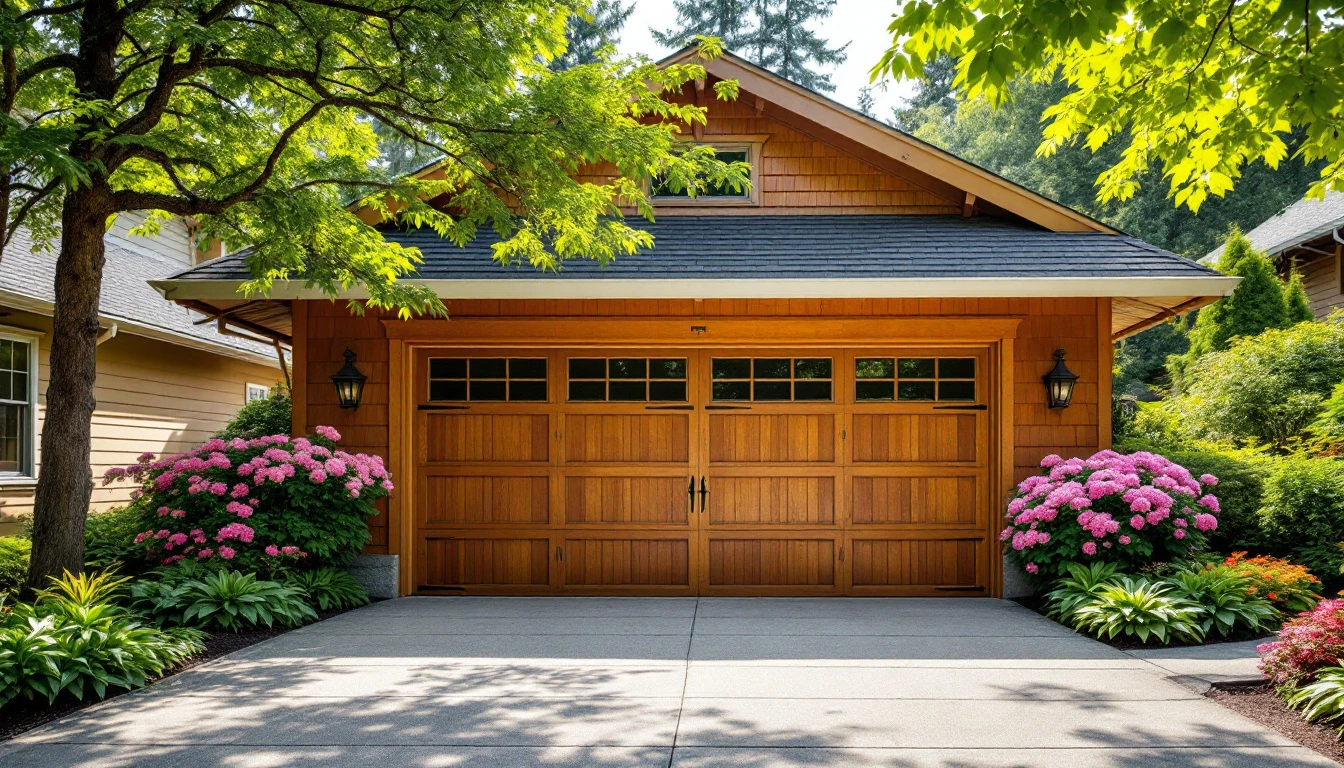
If your home features one of Sisters’ popular custom rustic-style garage doors. Pay extra attention during your April inspection. These beautiful doors often include decorative hardware, crossbeam patterns, and layered wood elements that create stress concentration points where freeze-thaw damage develops first.
The decorative details that give these doors their distinctive character—wrought iron hinges, overlaid trim boards, and recessed panels—trap moisture and prevent uniform expansion during temperature swings. Spring is when damage that started during January’s bitter cold finally becomes visible as wood splits open, paint cracks along joints, and hardware pulls away from weakened attachment points. Custom garage door panel cracking prevention means addressing these moisture traps before winter returns.
Heavy Snow Load Structural Stress
Sisters receives 60+ inches of snow annually, and mountain snowfall here is heavier and wetter than precipitation at lower elevations. This creates thousands of pounds of sustained vertical and lateral pressure on garage doors throughout winter months. While this snow load challenges any garage door system, rustic garage doors heavy snow load stress often prioritize aesthetic appeal over structural reinforcement, making them particularly vulnerable to snow-load deformation.
The damage patterns are distinct. Panels sag in the middle as accumulated weight exceeds their load capacity. Hinges pull away from frames under lateral stress as snow pushes sideways against door surfaces. Tracks bend outward when snow accumulation creates uneven pressure distribution across the door width.
April’s thaw reveals these snow-load failures clearly. When you attempt to operate your door after winter, you’ll notice panels that no longer align properly, hinges showing visible separation from mounting points, and tracks that guide rollers unevenly.
Identifying these snow-load damage patterns now helps you understand what structural reinforcements—heavier-gauge panels, upgraded hinge systems, reinforced track mounts—you need to invest in before next winter arrives.
Weather Seal Failure and Water Infiltration
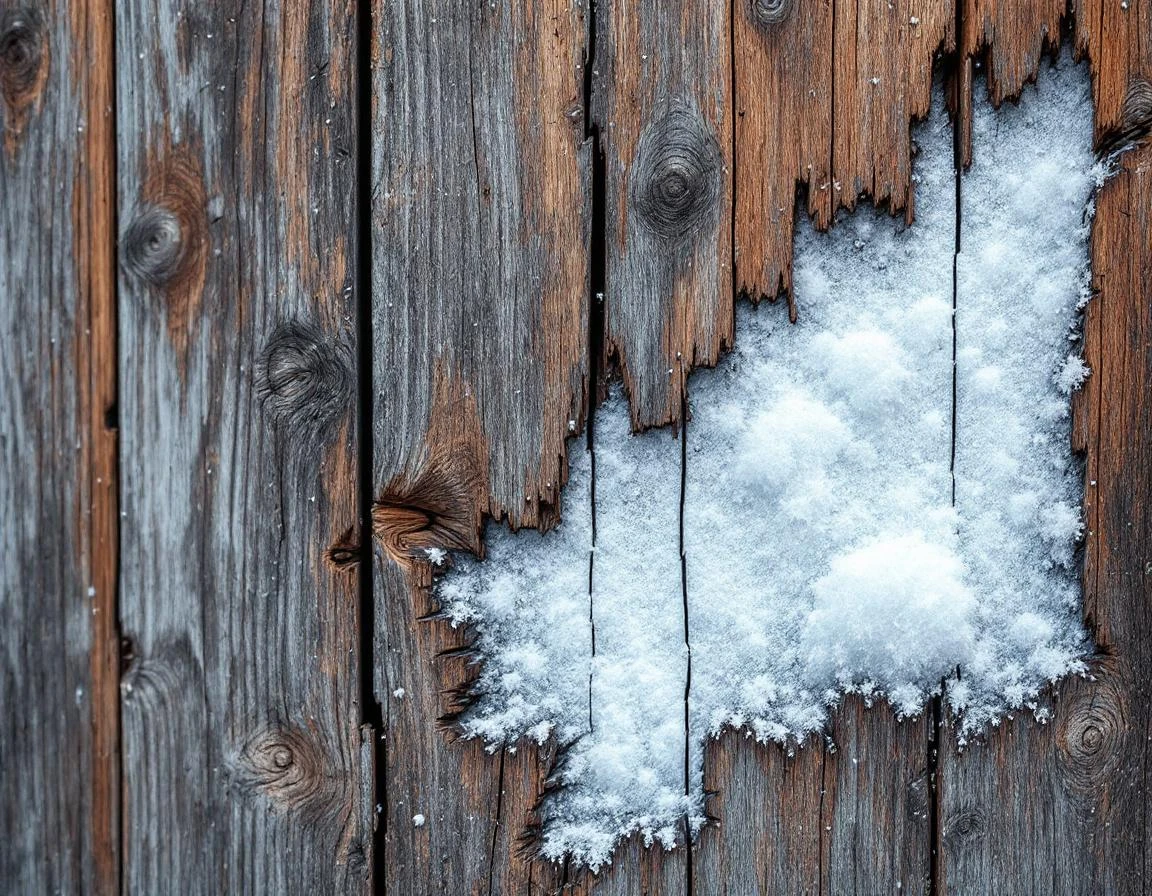
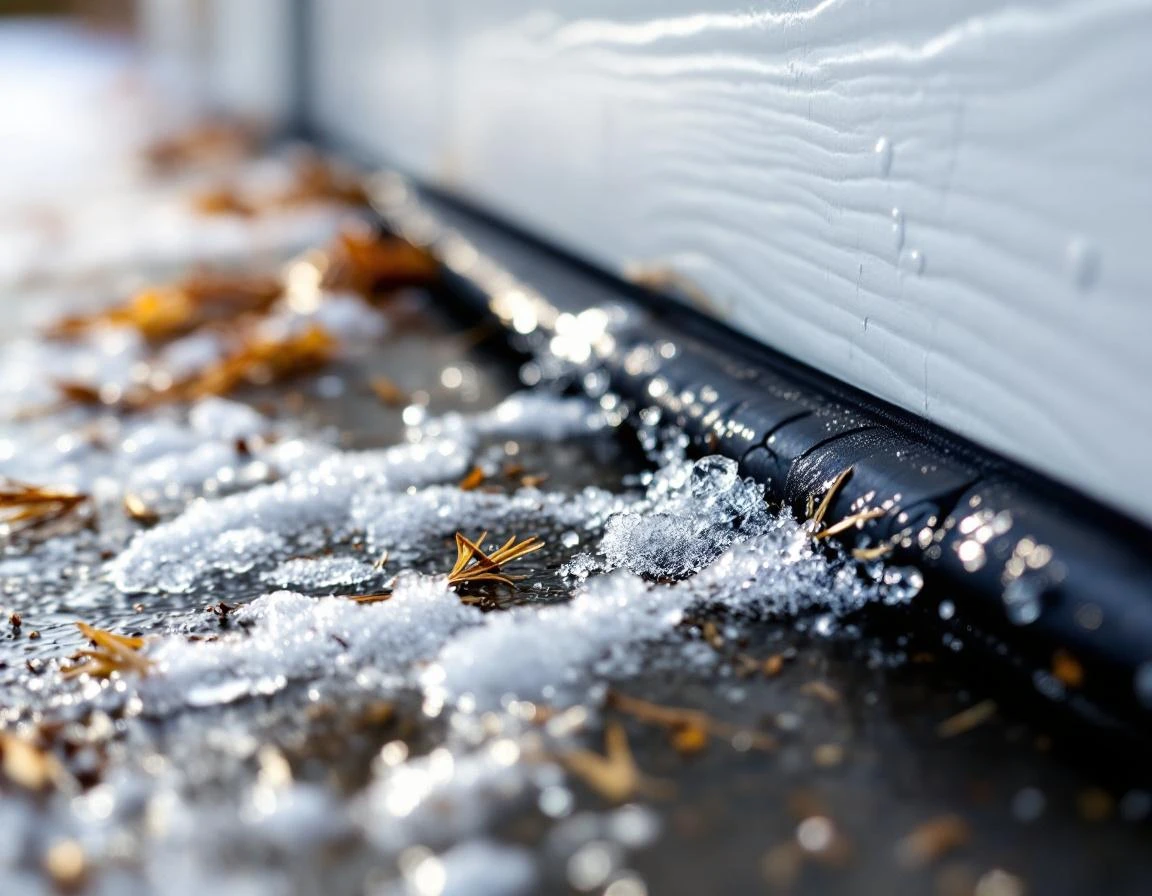
Sisters’ freeze-thaw cycles attack garage door weather seals with particular severity. Rubber and composite seals become brittle when temperatures drop below freezing overnight, then expand during daytime warming. After repeated cycles throughout winter, these seals crack and lose their water-repellent properties entirely.
Damaged seals allow water into panel cavities, where it causes hidden destruction. Wood beneath the surface begins to rot, metal reinforcements develop rust, and insulation breaks down from moisture exposure. Sisters Oregon garage door weather seals on custom rustic doors face higher risk because decorative joinery creates multiple seams where water can penetrate—far more entry points than standard panel doors.
April inspection reveals the evidence: water staining along panel edges, soft spots when you press on wood components, or rust discoloration seeping from metal brackets. These signs indicate seal failure that occurred during winter months.
Identifying water damage early lets homeowners prioritize seal replacement before the damage spreads. You’ll also learn which sealing methods survive Sisters’ extreme temperature cycles—knowledge that saves money when choosing materials for the next pre-winter maintenance session.
Spring Assessment Protocol
April’s thaw reveals the full scope of winter damage to your garage door, and a systematic inspection now prevents small issues from cascading into expensive failures. Set aside one hour to work through this four-point checklist, documenting everything with your smartphone camera as you go.
Panel Surface Inspection
Start by examining each door panel for cracks, warping, or sagging. On rustic doors with decorative elements, pay close attention to joints between trim pieces and panel edges—these connection points absorb freeze-thaw stress first. Look for paint bubbling or discoloration that signals water infiltration beneath the surface. Take close-up photos of any damage, including a wide shot showing the damage’s location on the full door.
Frame and Hinge Assessment
Check every hinge for loose fasteners, metal fatigue, or separation from the door panel. Hinges bearing snow load weight often show stress cracks or bent mounting plates. Inspect the door frame for misalignment—if one corner sits noticeably farther from the jamb than it did last fall, snow pressure has deformed the structure.
Track and Seal Evaluation
Test track alignment by manually lifting the door partway—binding or resistance indicates bent tracks. Finally, run your hand along all weather seals checking for brittleness, cracks, or gaps. These findings tell you which preventive measures need reinforcement before next winter, turning this inspection into both damage assessment and diagnostic tool.
Garage Door Winter Maintenance Central Oregon: Repair vs Replacement Strategy
When your April inspection reveals damage, the most important question becomes: repair now or replace before next winter? The decision threshold is clearer than most homeowners expect. Isolated cracks in a single panel or weather seal failure qualify as repair candidates—these targeted fixes address specific damage points without overhauling your entire system. But when inspection reveals multiple panels with cracks plus water damage plus hinge failure, you’re looking at replacement territory.
Here’s why the distinction matters for Sisters homes: damage cascades through winter cycles. A cracked panel admits water in November. That water freezes and expands in December, splitting the crack wider. By February, the compromised panel stresses hinges until they fail. Failed hinges allow the door to shift, misaligning tracks. What started as a repairable crack becomes a full panel replacement job because you waited through another freeze-thaw season.
Repair costs feel smaller in April, but ask yourself: will this fix survive next winter’s conditions? If you’re patching the same rustic door panel you repaired last spring, you’re fighting a losing battle. Replacement with freeze-thaw-rated doors designed for high-elevation conditions stops the cycle.
Modern materials withstand the temperature swings that destroy traditional custom doors, turning annual repairs into a decade of reliable operation. Replacement with freeze-thaw-rated doors designed for high-elevation conditions stops the cycle. High altitude garage door maintenance winter strategies focus on choosing materials rated for these extreme conditions from the start.
Winter 2026 Prevention Checklist
Transform this April’s damage assessment into a concrete action plan that breaks the freeze-thaw cycle. Key prevention measures include:
- Schedule seal replacement before October—weather stripping and panel seams need fresh protection before temperatures drop
- Apply weatherproofing sealant to all panel joints, paying special attention to decorative grooves and bevels where custom rustic doors trap moisture
- Have track and hinge reinforcements installed during summer months when installers aren’t overwhelmed with emergency calls
- Set up a monthly snow-load management routine: clear accumulation from door tracks and the roof above your garage after heavy snowfall to prevent the structural stress that causes spring damage
- Test your door’s operation during cold snaps starting in November to detect balance issues, force setting problems, and safety sensor failures before they strand you outside
Mountain property garage door spring damage prevention starts with winter clearing habits that reduce snow load impact. This proactive approach means your next April inspection shows no preventable damage—just a door ready for another Sisters winter.




Leave A Comment