Three Sisters Climate Challenge
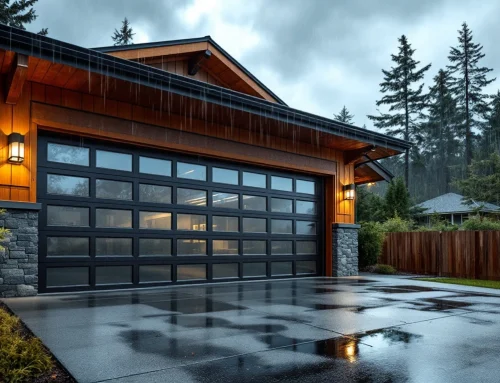
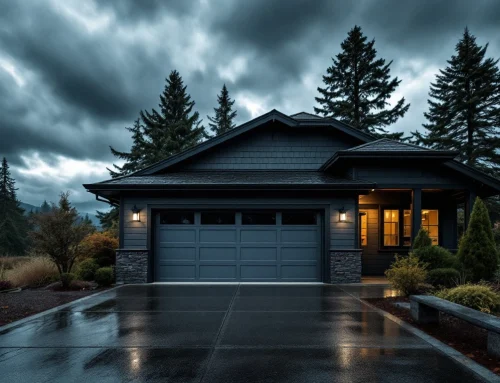
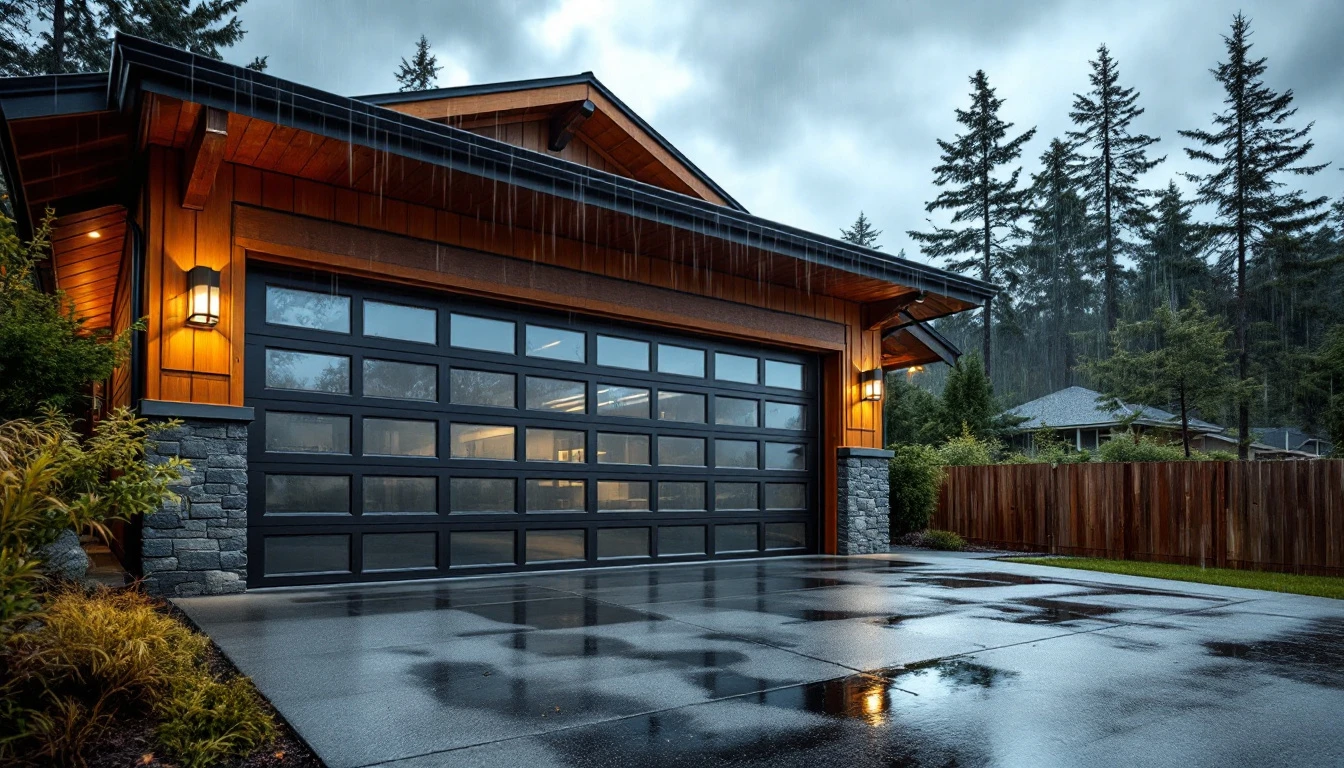
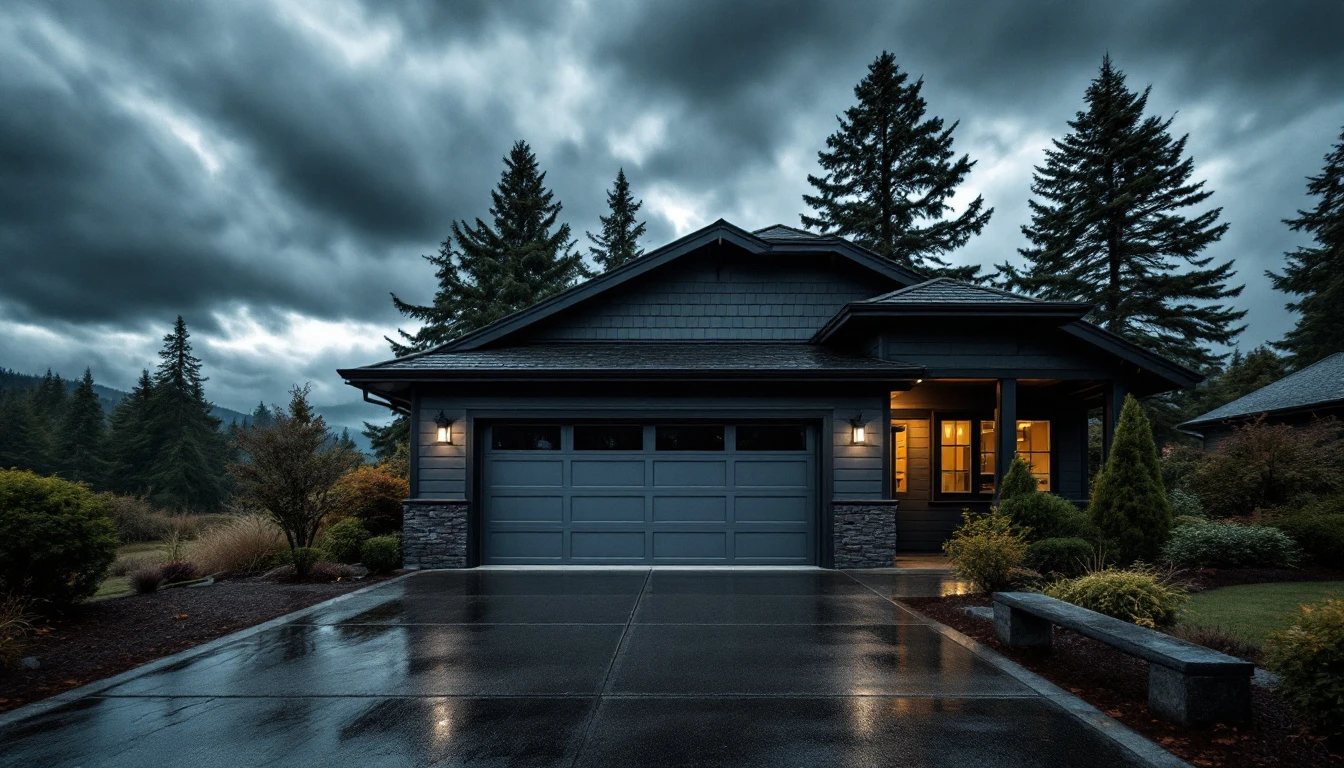
The dramatic market at the base of the Three Sisters mountains creates unique climate challenges for custom rustic garage doors in Sisters, Oregon.
High elevation (3,000+ feet) creates extreme
At 3,200 feet, Sisters gets freeze-thaw cycles that damage custom rustic garage doors. Water soaks into wood grain during afternoon thaw, then expands when temperatures drop at night—cracking panels and breaking seals. This repeats dozens of times each winter, speeding up wear and tear.
The high desert’s low humidity year-round makes the problem worse. Wood continuously loses moisture, causing panels to shrink, warp, and crack even in summer. Without proper sealing and care, your rustic doors become weak and unsafe.
Wildfire Smoke Season (Summer-Fall) Deposits
Central Oregon’s wildfire smoke season, which typically runs from July through September, brings a threat many homeowners overlook. Acidic smoke residue settles on garage door surfaces, leaving dark stains that soak into wood and damage the protective finish.
Custom rustic doors, with their natural wood aesthetic, face a triple threat near the Three Sisters: freeze-thaw damage cracks panels, low humidity warps wood, and acidic smoke residue damages the protective coatings that defend against both.
Spring Snowmelt & Freeze-Thaw Care
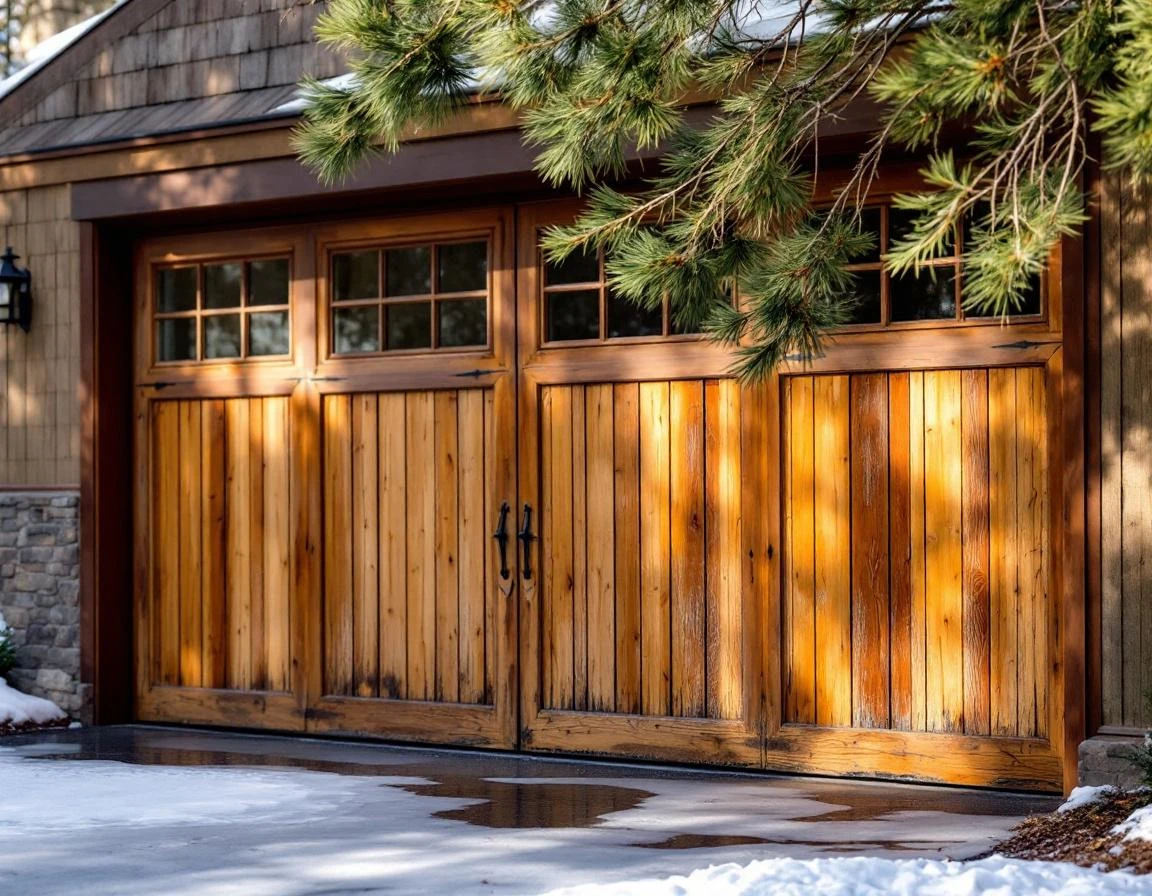
Late March through May is the toughest season for garage doors in Sisters. Why? Snowmelt from the Three Sisters peaks cascades down to 3,200 feet, where repeated daytime melting and nighttime refreezing create wet-freeze cycles that crack wood grain and damage weatherstripping. Your custom rustic doors face water infiltration from above and below during this critical season.
Start monthly inspections in early April:
(1) Check behind door seals for ice buildup where meltwater freezes overnight.
(2) Measure gaps between panels with a credit card—if gaps are bigger than the card, you have freeze damage.
(3) Press weatherstripping by hand to test flexibility. Brittle or cracked seals cannot block water and need immediate attention.
Apply silicone-based sealant to threshold and side channels before mid-April. Choose products rated for temperature swings from 15°F to 70°F—standard sealants fail at elevation. GE Supreme Silicone and DAP 3.0 Advanced both handle mountain conditions. Run a continuous bead along all contact points where water pools during melt season.
DIY care works for visual inspections and sealant touch-ups. However, custom seal replacement and panel repair require professional expertise. Rustic doors use non-standard components that generic hardware stores don’t carry. Contact Garage Harmony today when you spot panel separation, deep wood cracks, or complete seal failure—spring damage gets worse quickly if ignored.
Summer-Fall Wildfire Smoke Mitigation
Central Oregon’s wildfire season runs June through October, with smoke from distant blazes frequently blanketing the Sisters area. That haze isn’t just a visibility issue for your custom rustic garage doors—airborne particles carry acids that settle on wood surfaces and etch clear coats if left unaddressed. Once smoke residue soaks into the protective coating, it leaves dark stains that don’t wash away.
Monthly cleaning during fire season prevents this damage. Use a pH-neutral garage door cleaner mixed with warm water and a soft-bristle brush to gently scrub along the wood grain. Avoid hard-bristled tools that scratch the rustic texture your doors showcase. Rinse thoroughly with a garden hose, then dry completely with microfiber cloths to prevent water spots.
Late summer—before fire season intensifies—is the ideal window for preventive recoating. Apply an exterior wood sealant formulated for high-elevation UV exposure, which protects against both smoke staining and the intense sun at 3,200 feet. This two-year maintenance cycle keeps your finish intact and your doors looking sharp.
Here’s the key difference: monthly cleaning and recoating every 2-3 years are tasks you can handle yourself to prevent damage. But if acidic smoke etches through your clear coat. You’ll need professional refinishing to restore the affected areas. Contact Garage Harmony for professional smoke restoration. Our team refinishes affected areas to restore your doors and protect your investment.
Winter & Low-Humidity Wood Care
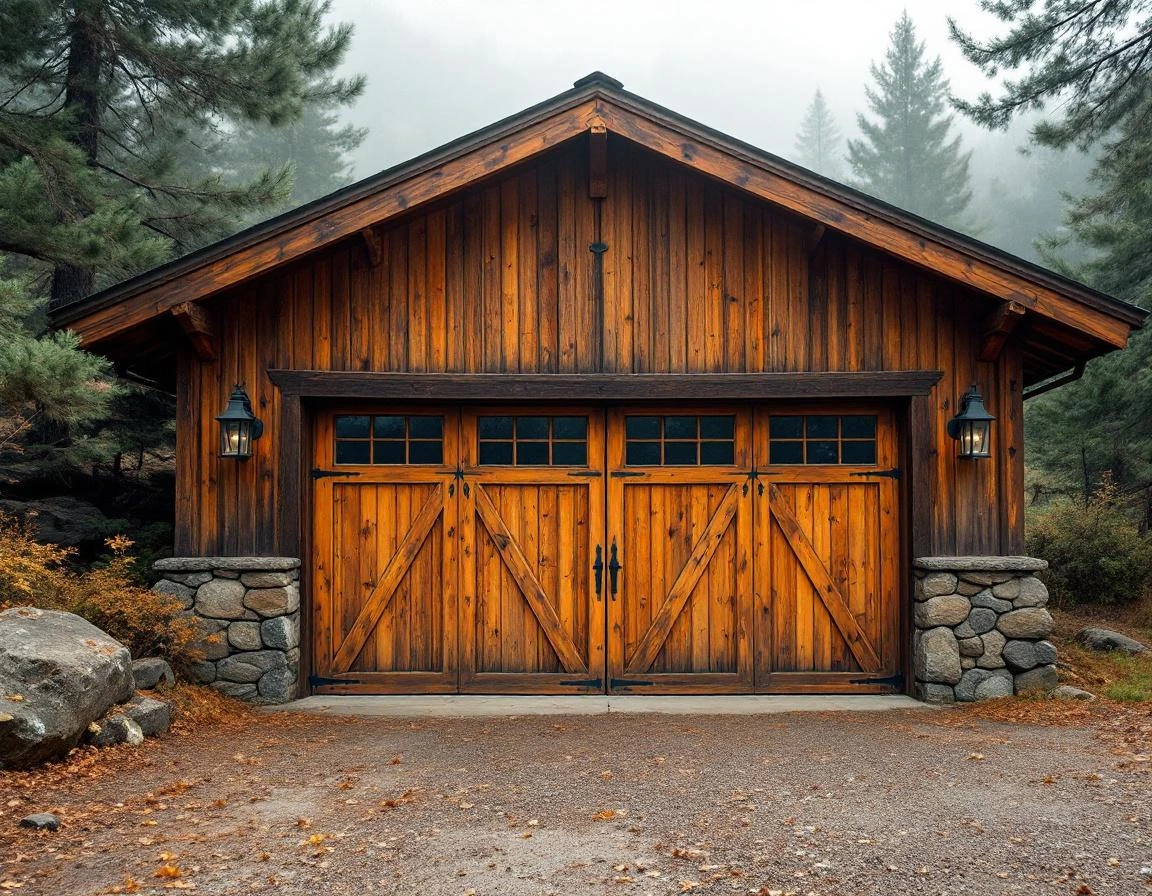
Sisters’ winters create a real problem for custom rustic garage doors: the air is so dry it pulls moisture out of wood from November through March. At 3,200 feet, indoor humidity drops far lower than in lower-elevation Oregon. This dry air makes wood shrink and move more than it should. This dry air causes wood panels to shrink, warp, and crack as the wood loses moisture.
You can protect your doors from this hidden damage. Here’s how:
Start by installing an inexpensive hygrometer in your garage to monitor humidity levels monthly. Your goal is keeping the air in your garage from getting too dry during winter. Portable humidifiers work well in attached garages, while sealing air leaks around doors and windows prevents dry exterior air from getting into your space and undoing your efforts.
Regular stain and sealant reapplication every 2-3 years serves as your first line of defense against micro-cracking. Good sealants fill small cracks before they become big problems. They also create a moisture barrier that protects wood when spring snowmelt happens. Pay special attention to horizontal surfaces and panel joints where water can pool.
When should you call Garage Harmony instead of handling repairs yourself? Small cracks under 1/8 inch respond well to sealant. But larger cracks need professional repair to stop the damage from getting worse. Contact Garage Harmony today when you spot cracks over 1/8 inch or damage to structural components. Don’t wait—our experts can prevent the damage from spreading.
Year-Round Inspection Schedule
How often should you inspect your custom rustic garage door in Sisters? A regular inspection schedule prevents the freeze-thaw cracks, wood drying, and smoke damage that lead to expensive emergency repairs. Monthly five-minute visual checks catch problems early. Look for:
(1) New cracks in wood panels
(2) Widening gaps between boards
(3) Seal separation from the frame
(4) Discoloration from wildfire smoke
(5) Corrosion on hinges or tracks
Homeowners can safely assess surface conditions, visible gaps, and weatherstripping integrity themselves. But internal spring tension, track alignment, and seal attachment need professional inspection—you can’t see these problems until something breaks. Schedule quarterly professional inspections during high-stress seasons:
(1) Spring—after snowmelt to reveal freeze-thaw damage
(2) Fall—entering wildfire season for smoke cleanup
(3) Winter—before deep freezes stress all seals
Annual professional maintenance is your best protection for custom rustic doors. Contact Garage Harmony today to schedule service in April-May or September-October before peak seasons. Technicians renew seals vulnerable to Sisters’ low humidity, adjust tracks stressed by temperature swings, and lubricate hardware exposed to elevation extremes. Regular inspections stop environmental damage before it shortens your door’s lifespan and forces expensive emergency repairs. Documentation of these inspections also protects resale value and warranty claims when selling your home.