


Valley Fog & Spring Rain Damage Risks
Willamette Valley fog and spring rains create persistent moisture that threatens wooden garage doors with rot, warping, and hardware corrosion. For Yamhill County property owners, wooden garage doors require year-round moisture protection strategies to prevent the accelerated decay that valley fog conditions cause from November through May.
November-February Valley Fog Creates Sustained Moisture Exposure
Valley fog settles into Yamhill County’s lower elevations between November and February, creating sustained moisture exposure that penetrates wood garage doors and clings to metal hardware. Unlike rain that drains away, fog moisture remains on surfaces for hours or days at a time.
Spring rains from March through May add another layer of moisture threat. These seasonal downpours penetrate wood panels through any existing cracks or gaps in protective finishes, while simultaneously accelerating rust formation on hinges, springs, and track systems throughout wine country garage doors Oregon properties.
High-end wooden doors without protective coatings
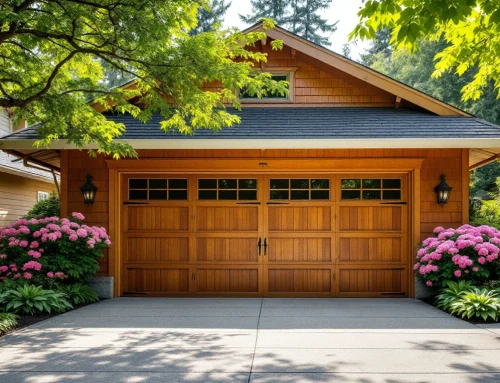
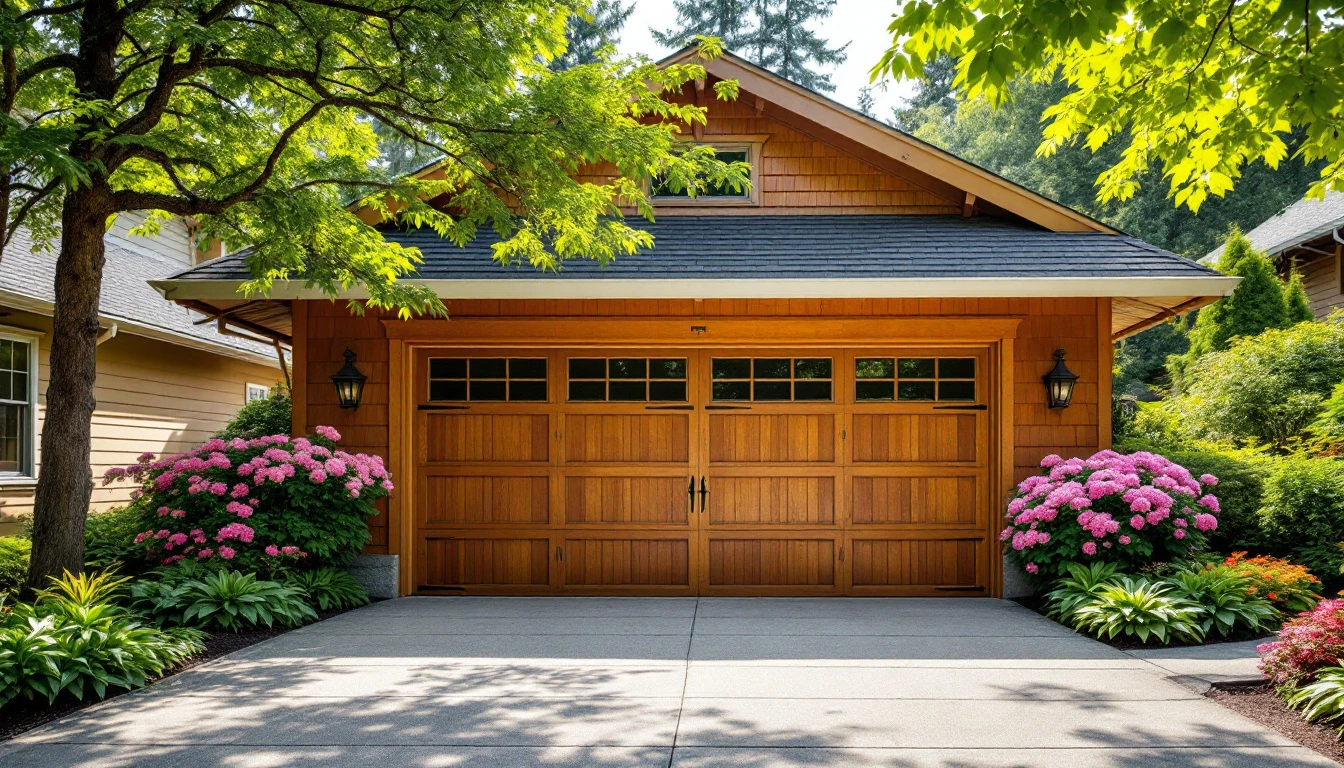
Wine country estates in Dundee and Carlton often feature premium wooden garage doors valued at $5,000-12,000. Without proper protective coatings, these doors face $3,000-8,000 in rot and hardware replacement costs within 3-5 years.
The Dundee Hills and Eola-Amity Hills sit in frost pockets where fog lingers 12+ hours daily during winter months. This extended moisture contact compounds damage to unprotected wood, accelerating decay in bottom panels and trim boards where water pools.
Spring Inspection & Hardware Assessment
April offers the perfect window to assess winter fog damage before minor issues become major repairs. Walk around your wooden garage door on a dry day and look for telltale signs: discoloration in the wood grain. Soft spots that yield slightly when you press them with a fingertip, and white powdery deposits on metal components. These white oxide formations on springs, hinges, and tracks indicate the early stages of rust—exactly what you want to catch now.
Focus your inspection on hardware connection points where metal meets wood. Check each hinge for surface rust or pitting. Run your hand along the tracks and cables, feeling for rough spots that signal corrosion. Test your door’s balance by disconnecting the opener and manually lifting it halfway—it should stay put. If it drops or requires extra effort to raise, winter moisture may have caused wood swelling that’s binding the mechanism.
Take photos of any concerning areas you find. Dating these images creates a baseline to track whether conditions worsen through summer and fall. This documentation proves valuable when you eventually need to decide between spot repairs and full component replacement.
Catching moisture damage in April prevents the emergency service calls that happen when neglected rust finally causes a spring to snap or a panel to rot through completely.

Spring Protective Treatments for Wooden Garage Door Maintenance Valley Fog
Late April through early May creates a narrow but critical window for protective treatments on wooden garage doors across Yamhill County. After spring rains taper off but before summer heat arrives, wood moisture levels drop to their lowest point since October—making this the ideal time to seal, protect, and lubricate your doors.
- Marine-grade sealant or exterior-grade polyurethane coating on all exposed wood panels. These products, developed for boats and coastal structures, create a water-repellent barrier that blocks the valley fog and rain that caused the hardware rust and wood rot you identified during your April inspection. Apply two thin coats rather than one thick layer, allowing 24 hours of dry weather between applications. Premium options like Epifanes Clear Varnish or Sikkens Cetol SRD work exceptionally well on high-end wood species common in wine country estates.
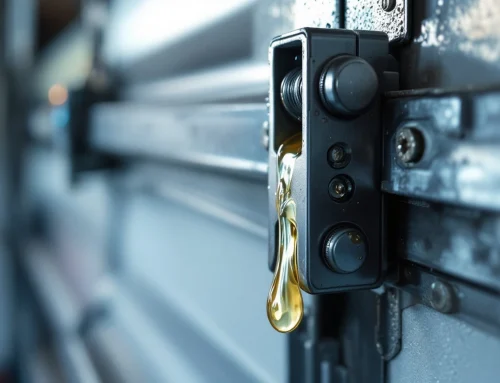
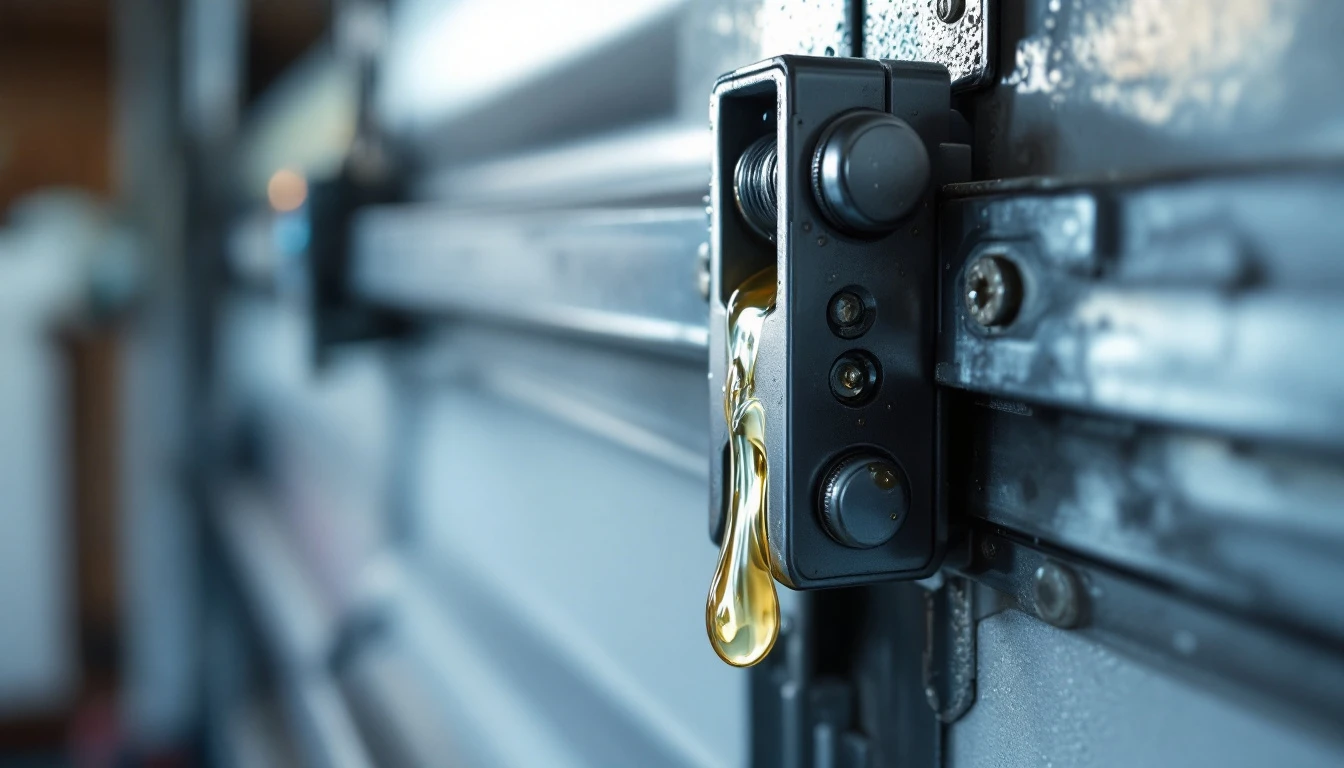
- Rust-inhibiting lubricants on every hinge, spring, roller, and track component. Products containing PTFE or silicone penetrate existing corrosion and create a protective film that repels moisture through next winter’s fog season. Focus on spring assemblies and bearing plates—these collect the most condensation.
- Weatherstripping and door seals along all four edges. Quality EPDM rubber weatherstripping blocks fog infiltration at panel joints where moisture causes the most damage. Check the bottom seal especially carefully—ground-level fog pools here first during those November-through-February mornings that threaten your doors year after year.
Fall Preparation & Hardware Protection
As harvest season arrives in the Dundee Hills and temperatures begin their descent toward winter, your wooden garage doors need a second round of protection—but with a different focus than spring. Fall maintenance emphasizes hardware durability and seal integrity rather than fresh coating applications. September through October offers the ideal window before November fog blankets the valley.
Start by inspecting your spring sealant application. If summer UV exposure and heat caused visible wear—fading, flaking, or areas where water beads poorly—reapply marine-grade sealant to those sections. When the coating still sheds water effectively across most surfaces, skip reapplication and focus instead on touch-ups around hardware mounting points and panel edges where wear concentrates.
Clean tracks and hinges thoroughly to remove debris accumulated during dry summer months. This preparation matters because debris traps moisture once fog season begins. Apply anti-corrosion grease to all moving hardware components, paying special attention to springs, rollers, and hinge pins. This protective layer creates a moisture barrier during the wettest months ahead.
Inspect weatherstripping along door edges and between panels. Replace any sections showing compression damage, gaps, or hardening. Damaged weatherstripping allows moisture infiltration that undermines even the best wood sealant. If your April inspection revealed any rust spots or wood swelling, schedule a professional assessment before November. Contact Garage Harmony today to address these warning signs before winter moisture amplifies the damage.
DIY vs Professional Assessment Decision Tree
Knowing when to handle garage door maintenance yourself versus calling a professional can save you thousands in emergency repairs. The basic rule? If you can see it and clean it, DIY usually works. If it involves structural integrity or moving parts under tension, call a professional.
- You can safely handle cosmetic and preventive maintenance yourself: applying marine-grade sealant to wood surfaces, replacing weatherstripping along door edges, cleaning tracks with degreaser, and lubricating hinges with rust-inhibiting spray. These tasks require no special tools beyond what most wine country estate owners already have in their workshops.
- Professional assessment becomes necessary when you discover soft spots in wood that yield to gentle probing with a screwdriver, widespread rust staining that indicates deep corrosion, any spring or cable issues. Or doors that bind or won’t stay balanced. These problems signal damage that’s progressed beyond surface treatments.
A professional inspection typically costs $150-250 in the McMinnville area, but catching deep wood rot or spring corrosion early prevents $3,000+ emergency replacements.
Yamhill County contractors who specialize in wine country properties understand how valley fog behaves differently in frost pockets versus hillside vineyards. They can assess whether your hardware corrosion pattern matches normal seasonal wear or indicates a drainage problem unique to your property’s microclimate. When you spot red flags like soft wood or spring rust, schedule that inspection before the next fog season arrives.
Protecting Curb Appeal & Property Value
In Yamhill County’s competitive wine country real estate market, well-maintained wooden garage doors signal estate-level care to buyers and appraisers. Visible moisture damage—rust staining on hardware, wood discoloration, or degraded weatherstripping—immediately flags deferred maintenance during pre-purchase inspections, reducing offers or requiring seller concessions before closing.
The seasonal protective treatments outlined earlier prevent these visual red flags while avoiding the financial burden of premature replacement. High-end garage doors Oregon wine country cost $6,000 to $15,000 plus installation, making preventive care a fraction of replacement expense. A twice-yearly maintenance routine preserving your door’s finish and hardware aesthetics protects both curb appeal and resale value.
For Oregon wine country property owners, consistent seasonal care transforms garage door maintenance from a reactive emergency into a planned investment. The April and October protocols prevent the accelerated deterioration that valley fog and spring rain would otherwise cause within a single season, keeping Yamhill estate garage doors wood rot-free and competitive in a market where first impressions matter.




Leave A Comment