


Newberg Oregon Wine Country: Fog & Humidity Challenge
If you live near George Fox University or in the Chehalem neighborhood, you’ve experienced those dense November-through-February mornings when the Willamette Valley fog settles in and refuses to budge. For homeowners with garage doors in Newberg Oregon wine country, this isn’t just a visibility issue for your morning commute—it’s a sustained moisture exposure event that puts your garage door hardware at risk. When fog lingers for days or weeks at a time, the humidity penetrates every exposed metal surface on your garage door: springs, hinges, tracks, and rollers.
Valley humidity creates the perfect conditions for rust formation on unprotected metal components. Unlike a quick rainstorm that dries out, fog maintains constant moisture contact with metal surfaces. Springs lose tension as corrosion weakens the steel. Hinges seize up. Tracks develop rough spots that prevent smooth operation. What starts as surface discoloration becomes structural damage that leads to garage door failure.
Here’s where timing matters for Newberg homeowners: fall through winter is also high tourism season in wine country. Visitors driving through the Dundee Hills or stopping at Chehalem Glenn Golf Course notice curb appeal—including garage doors with peeling paint or visible rust stains. Your garage door represents one of the largest visual elements of your home’s exterior.
A proactive maintenance strategy beats reactive emergency repairs every time. When you address moisture protection before rust takes hold, you avoid the cost and inconvenience of spring replacements or hinge failures during vineyard tour season.
Pre-Fog Season Maintenance Checklist
Set aside a Saturday in mid-October to complete these tasks before November fog settles into the Willamette Valley. This two-hour investment prevents moisture from infiltrating vulnerable components and eliminates the need for emergency repair calls during the wettest months.
Clean Before Moisture Arrives
Remove accumulated dust and debris from tracks using a damp cloth, paying special attention to the bottom sections where water pools. Wipe down springs and hinges with a dry towel to eliminate residue that traps moisture against metal surfaces. This simple step creates a clean foundation that prevents rust formation when fog cycles begin.
Inspect Weatherstripping and Seals
Check the rubber seal along the bottom of your door for cracks, gaps, or compression damage. Run your hand along the perimeter weatherstripping while the door is closed, feeling for air movement that indicates penetration points. Replace any damaged sections now rather than discovering gaps when fog is already penetrating your garage and promoting rust on stored equipment.
Apply Moisture-Resistant Lubrication
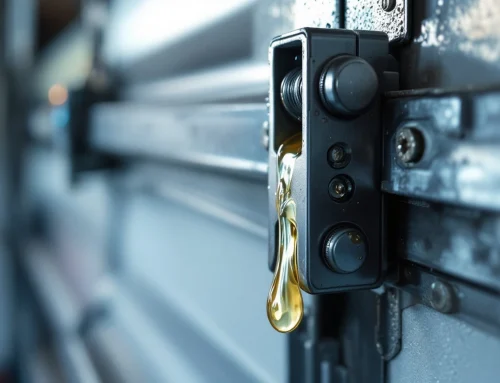
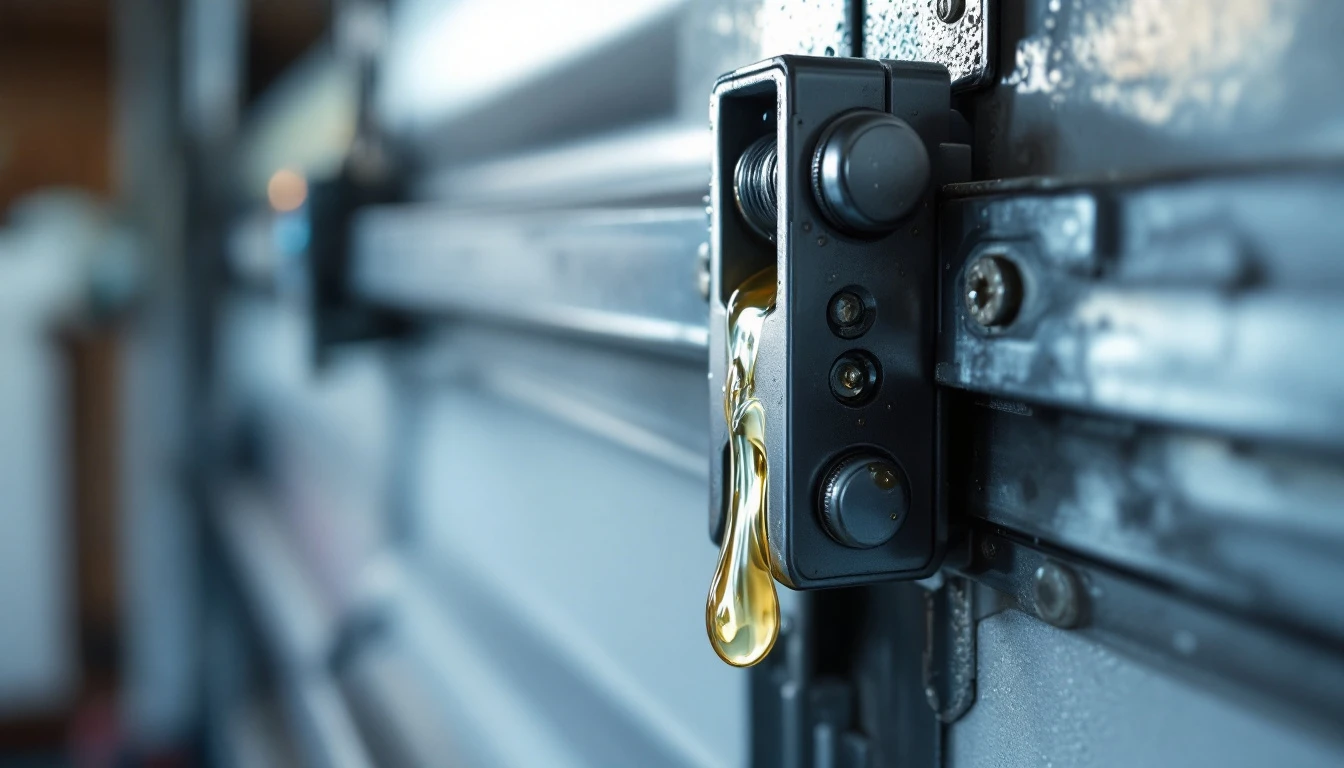
Use silicone-based spray lubricant on rollers, hinges, and springs—avoid petroleum products that attract dust. Apply lubricant to moving parts while operating the door several times to distribute coverage. This protective coating repels moisture during high-humidity periods and reduces friction that strains components in damp conditions.
Test Balance and Alignment
Disconnect the opener and manually lift your door halfway. A properly balanced door stays in place; one that drops or rises indicates spring tension issues that worsen under moisture-induced expansion. Check that the door sits flush when closed, with no visible gaps at the sides or bottom where fog penetrates. Address balance problems now before damp months add strain to already compromised components.
These preventive tasks take minimal time but protect your investment through winter. If you discover damaged springs, significant rust, or alignment issues during inspection, contact Garage Harmony before moisture exposure accelerates the problem.
Rust & Moisture Damage Recognition
Knowing when to call Garage Harmony starts with recognizing warning signs. Surface rust on springs and hinges appears as light orange or brown discoloration—an early indicator requiring professional treatment before corrosion spreads. This differs from pitting corrosion. Which creates small holes or crater-like divots in metal. Pitted springs represent advanced damage and need immediate replacement to prevent sudden failure during foggy winter months.
Check weatherstripping areas for water stains or darkened patches around door seals. These indicate seal degradation allowing moisture penetration. Rust resistant garage doors in Newberg can protect against this damage, but while surface rust can often be treated with cleaning and protective coatings, structural corrosion eating through metal components poses safety risks.
What’s the key distinction? Run your finger across rust spots. Surface rust feels slightly rough but the metal beneath remains solid. Pitting creates actual voids you can feel. Flaking rust that exposes deeply corroded metal underneath signals you’ve crossed from maintenance into repair territory. Contact us today if you notice pitting, flaking, or rust that returns quickly after cleaning.
When to Call a Professional
While DIY maintenance prevents many problems, some damage requires professional expertise. Spring pitting or deep corrosion demands immediate replacement—corroded springs can fail suddenly, creating dangerous situations. If you notice cratering on spring coils or rust that crumbles when touched, contact a professional before winter fog intensifies the damage.
Advanced weatherstripping degradation that allows water infiltration needs expert sealing techniques beyond simple replacement. Track misalignment from moisture stress requires precision realignment tools most homeowners don’t own. Panel rust affecting structural integrity or your home’s wine country curb appeal needs professional assessment.
Calling Garage Harmony during autumn—before November fog peaks—means faster scheduling and lower costs than emergency winter repairs. Our team can assess and repair these issues before peak moisture season arrives. Professional garage door services in Newberg offer same-day appointments and certified technicians who understand valley weather challenges. Get in touch with us today!
Weather Resistant Garage Doors & Moisture-Resistant Materials
If you’re ready to move beyond seasonal maintenance, upgrading to weather resistant garage doors and moisture-resistant materials offers long-term protection against Willamette Valley fog and humidity. These investments prevent the costly spring replacements and emergency winter repairs that plague homeowners who stick with standard hardware in wine country conditions.
Rust-resistant springs and hardware rated for high-humidity environments represent the foundation of any upgrade strategy. Standard torsion springs corrode quickly under sustained fog exposure, but zinc-coated or oil-tempered springs with protective coatings resist moisture penetration. When you replace worn springs, specify corrosion-resistant hardware—the modest upfront cost difference pays for itself by extending service life from 7-10 years to 15+ years in valley climates.
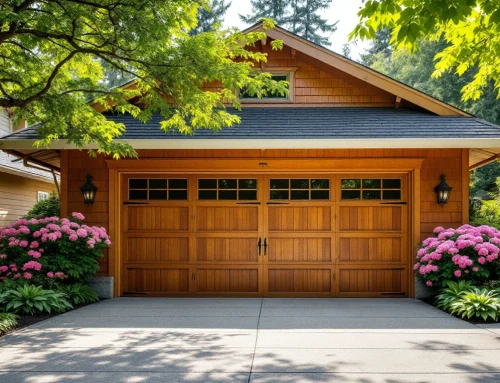
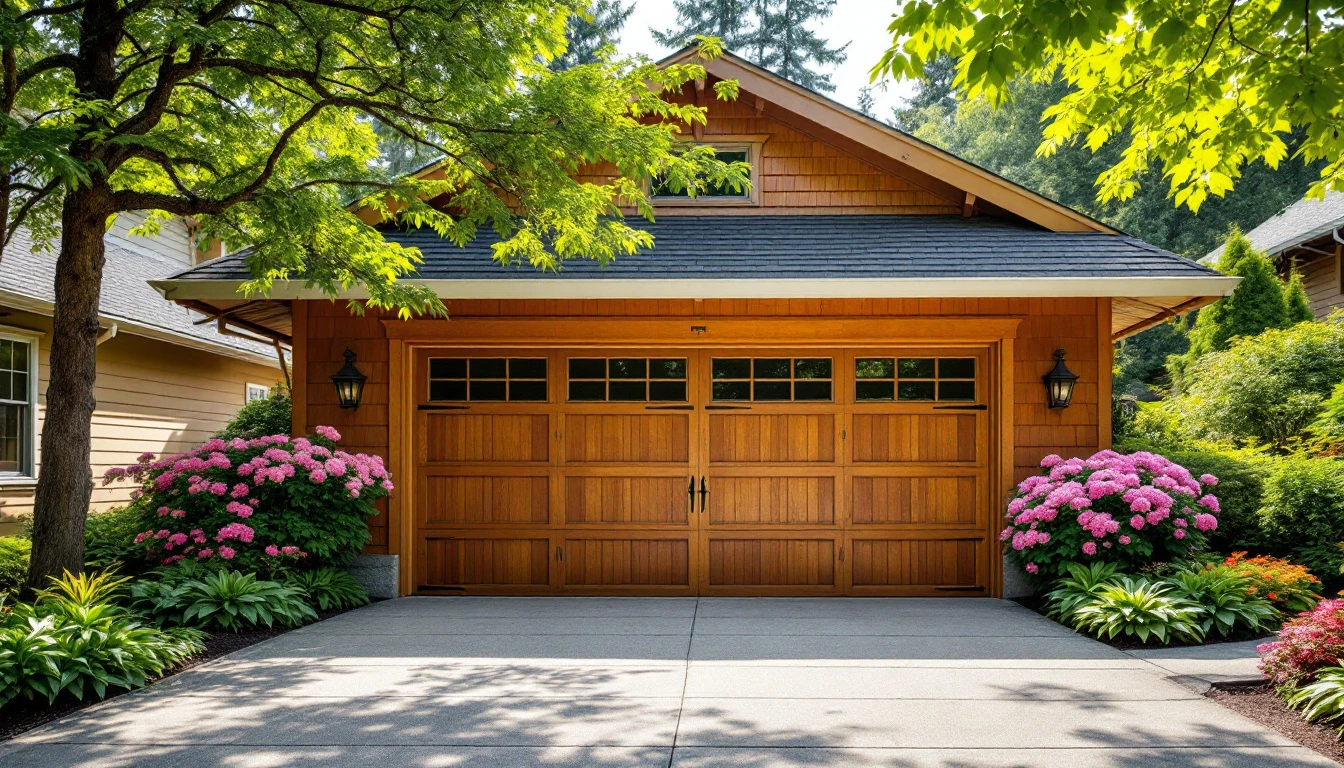
For door panels, steel or composite materials with factory corrosion protection outperform untreated wood in Newberg’s damp winters. Look for galvanized steel with baked-on powder coating or composite materials that won’t absorb moisture. These weather resistant garage doors maintain curb appeal without the rot and warping issues that plague wooden doors in wine country.
Insulated doors reduce internal condensation by maintaining consistent temperatures, which prevents moisture accumulation on metal components. Enhanced weatherstripping designed for sustained fog exposure creates tighter seals than basic vinyl strips. Contact Garage Harmony to explore material options that match your home’s wine country aesthetic while protecting against valley weather patterns.
November-February Monthly Tasks
Break your fog season maintenance into manageable monthly checkpoints that take just 15-20 minutes but catch problems before they become expensive repairs. This monthly rhythm keeps you proactive during Willamette Valley’s critical moisture period.
November: Final Pre-Fog Preparation
Complete your October checklist if you haven’t already. Walk around your garage door with a flashlight, checking that every weatherstrip sits flush and no gaps exist where fog can penetrate. Wipe down all metal hardware one final time before sustained moisture arrives.
December-January: Monthly Visual Inspections
Mid-month, spend 15 minutes examining springs, rollers, and hinges for early rust signs—those telltale orange spots that appear first on springs. Check door corners and bottom panels for water stains or pooling. Catching surface rust now prevents the pitting corrosion that requires spring replacement.
February: Post-Winter Assessment
As fog cycles end, conduct a thorough inspection comparing your door’s condition to November. Document any new rust spots, weatherstrip gaps, or panel damage. Schedule spring repairs now before tourism season, when contractors stay busier and emergency calls cost more. Expert garage door repair services throughout Yamhill County can help assess and address any damage before it worsens.





Leave A Comment