


McMinnville’s Historic Garages
McMinnville’s historic garages from the early 1900s have original hardware and wooden panels worth preserving. With the right maintenance approach, you can keep them both safe and authentic. Historic garage restoration in McMinnville requires understanding both the structural vulnerabilities these buildings face and the preservation techniques that maintain their character.
Downtown historic district features classic
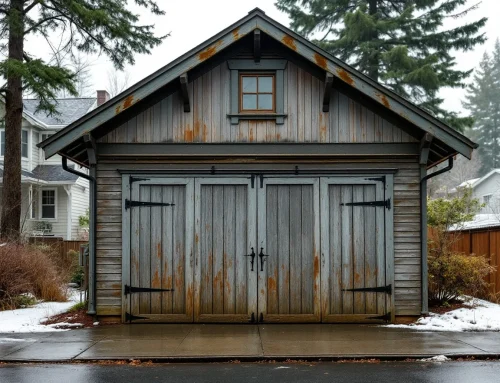
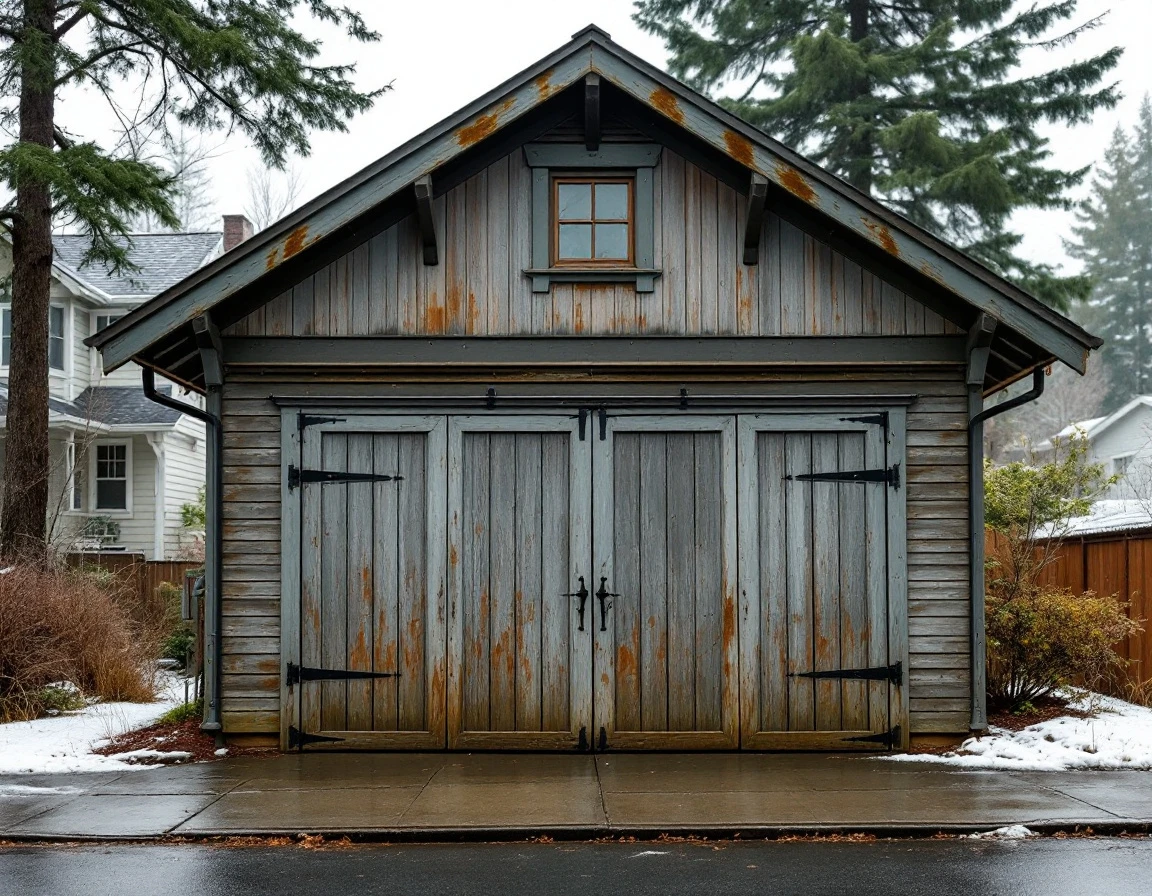
McMinnville’s downtown historic district showcases detached garages built between 1905 and 1945—structures that came before modern overhead door systems. These century-old buildings have original wooden panels and wrought iron hardware. Their spring systems use designs from the early 1900s, very different from modern garage doors.
Original hardware on these garages includes the following elements:
- Hand-forged hinges
- Strap brackets
- Counterweight systems that differ from contemporary components
The wooden panels—often Douglas fir or cedar—were milled locally and assembled with mortise-and-tenon joinery. Historic garages use a different type of spring system than today’s doors. They need special care to keep working safely without losing their original character.
Valley fog and winter moisture create rust
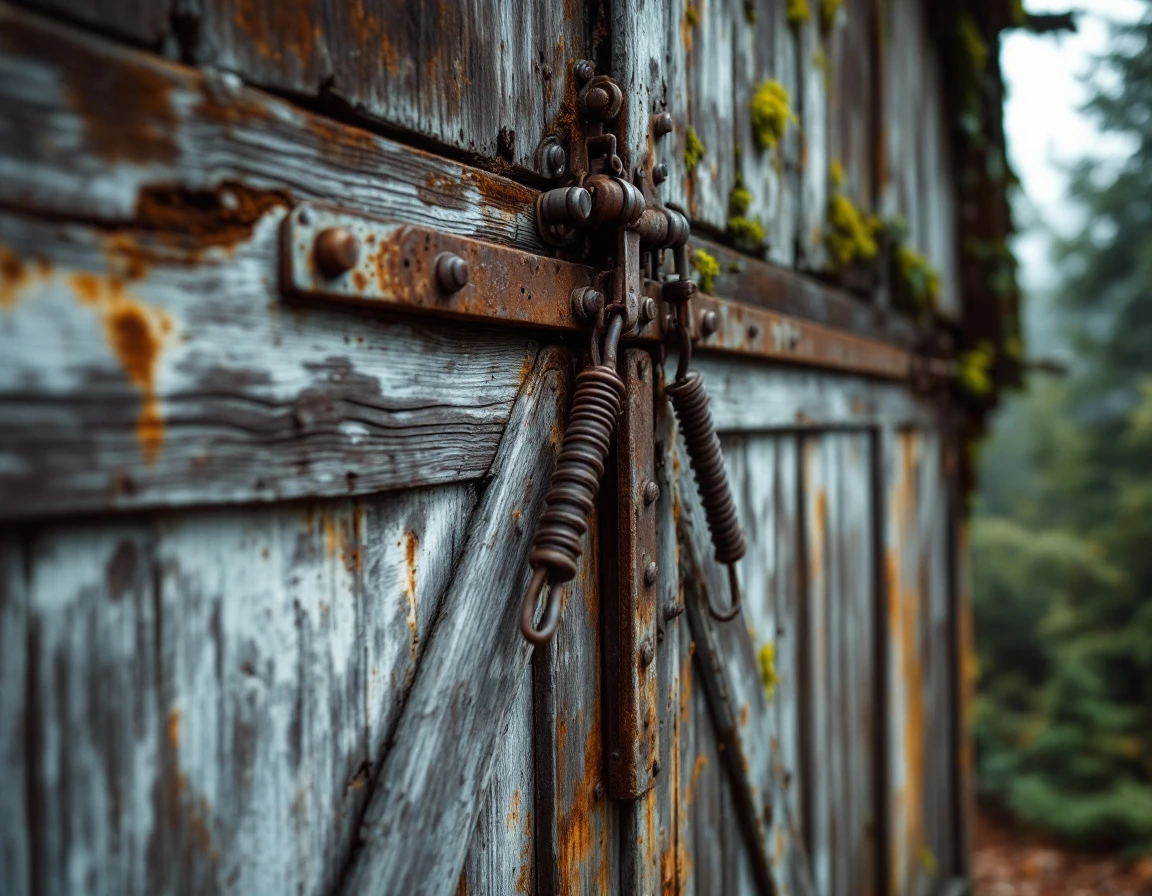
McMinnville’s valley fog settles densest from November through February, wrapping historic garages in moisture that penetrates every gap and crevice. This persistent dampness attacks original metal hardware and springs. Creating rust that weakens structural integrity and threatens the character these century-old buildings deserve. Without preventive care, rot spreads through wooden panels and frames, eroding both function and property value in Oregon’s wine country real estate market.
Spring Moisture Damage & Rust
McMinnville’s valley fog and persistent March rains create a perfect storm for garage deterioration. The fog settles over downtown during winter nights and spring mornings. Moisture condenses on every metal surface in your garage—especially on original hardware that lacks protective coatings. This isn’t simple dampness. The fog deposits moisture deep into crevices and wood grain, where it stays for days instead of evaporating by afternoon.
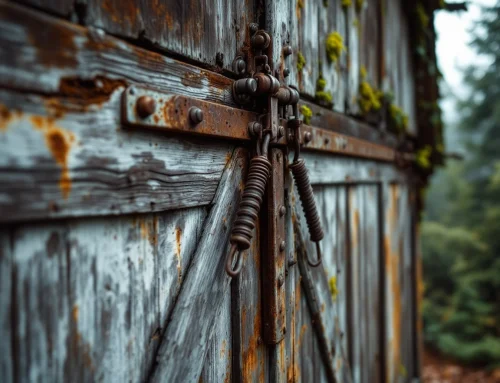
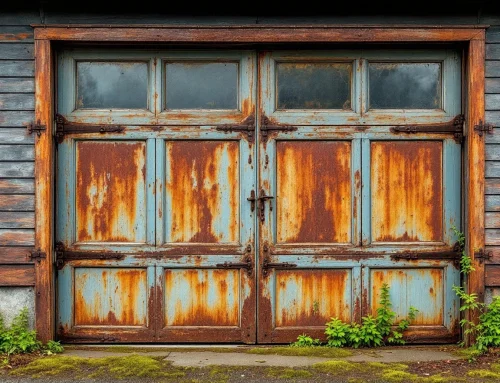
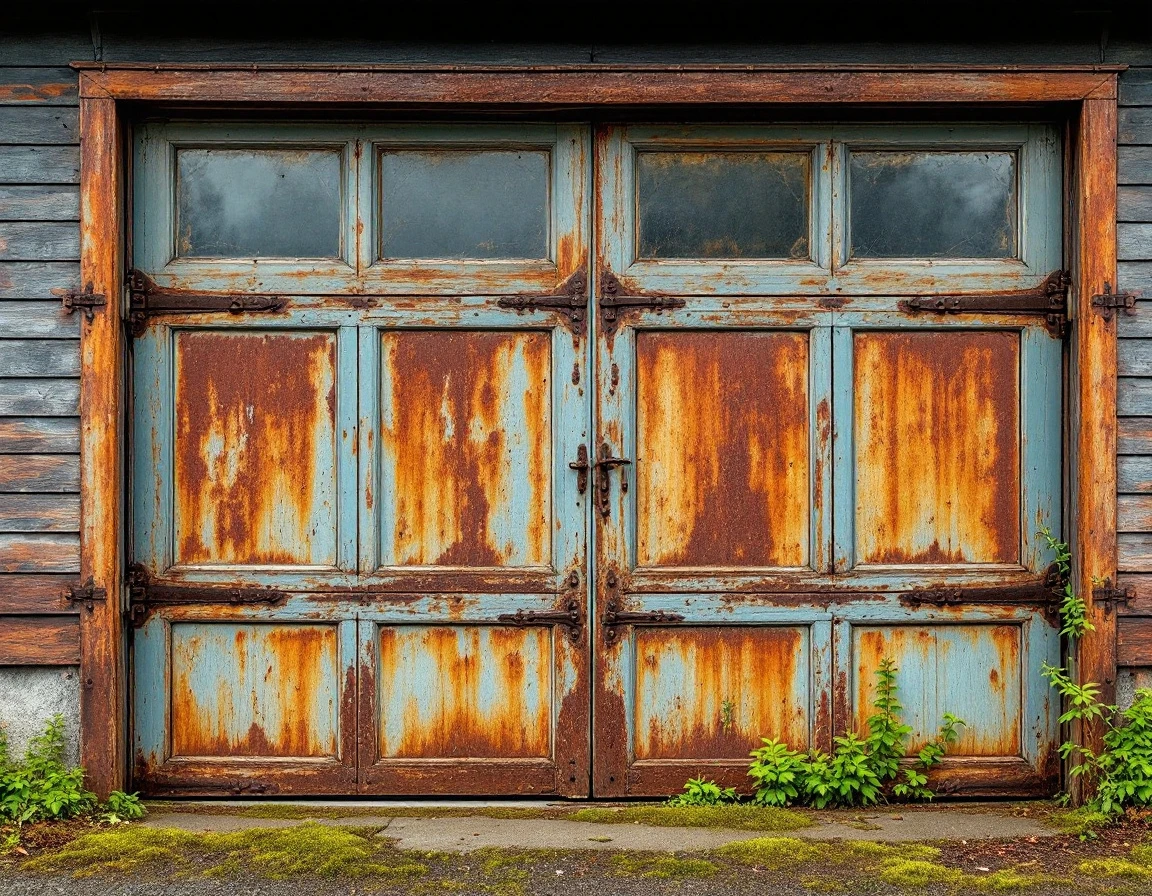
Rust forms on unprotected hardware with alarming speed once spring moisture arrives. Those original hinges, extension spring anchor points, and door latches that survived decades can develop surface oxidation within two to three weeks of exposure to March’s wet conditions. Once rust takes hold, it doesn’t just stain—it pits the metal, weakens connections, and creates friction that makes doors bind and stick. What started as smooth operation in February becomes a grinding struggle by April.
Wooden door panels face an equally destructive process. Winter moisture that peaks in March saturates untreated wood, causing changes that lead to warping and swelling. Door frames that once fit precisely now bind against jambs. Panel joints open as wood expands, creating gaps where more water enters. This absorbed moisture doesn’t dry out completely during summer—it creates pockets of rot that compromise structural integrity over successive seasons. Early spring inspection catches these patterns before they require complete panel replacement rather than simple sealing and treatment.
Weatherstripping & Hardware Protection
The gap between your historic garage door and its frame might measure just a quarter-inch, but it’s wide enough to funnel valley fog directly onto wooden components. Historic garage weatherstripping and hardware replacement solves this moisture infiltration problem without altering your garage’s visual character. The key is selecting profiles and colors that match period-appropriate dimensions—typically simple rubber or foam strips in black or brown rather than bulky modern vinyl.
Original hardware tells your garage’s century-long story through its brass patina and forged-iron construction. You can protect these authentic elements with period-appropriate coatings that prevent rust without creating a modern appearance. Clean hardware thoroughly with a wire brush, apply a rust-inhibiting lubricant like white lithium grease. Then finish with a protective wax. This treatment stops moisture penetration while maintaining the natural aged appearance that distinguishes historic hinges and latches from modern replacements.
Replacing weatherstripping is a DIY-capable task requiring only basic tools and a few hours. Simply remove old deteriorated strips, clean the mounting surface, and press new weatherstripping into place. This simple upgrade prevents rot progression that would otherwise require expensive wood replacement.
The hardware decision framework comes down to condition assessment: if original pieces show surface rust but retain structural integrity, treatment saves both money and authenticity. Replacement becomes necessary only when rust has compromised metal thickness or when mechanical function fails after cleaning and lubrication. Protective measures cost $20-50 in materials versus $200-400 for period-appropriate hardware replacements—making preservation the clear economic choice when original pieces remain viable.
Spring Replacement & Maintenance
Those original extension springs mounted above your historic garage door are safety-critical components—and after 80+ years of fog and moisture exposure, they’re often corroded in ways you can’t see. Corroded springs can snap without warning, turning your century-old door into a dangerous liability. Unlike weatherstripping or hardware preservation, spring work is never a DIY project.
You can handle monthly lubrication with silicone spray and basic visual inspections for rust or uneven tension. But spring replacement, tension adjustment, and cable work? That’s professional territory. Those jobs carry safety risks that DIY simply doesn’t justify. Modern replacement springs use the same period-appropriate designs as originals—you’re not sacrificing authenticity by hiring experts.
March is your ideal window for professional spring inspection and replacement. Why now? Because garage use increases through spring and summer as you prep yard equipment, bicycles, and outdoor gear. A spring failure in June means your door is stuck open or closed during peak-use season.
Don’t attempt spring replacement yourself. The tension involved creates injury risk, and improper installation creates liability if the door malfunctions. Schedule a spring inspection with Garage Harmony today before the busy season arrives—we’ll preserve your historic garage’s function while keeping your family safe.
Historic Garage Restoration: DIY vs Professional Work
Some preservation tasks fall perfectly within the homeowner’s skillset, while others demand professional expertise. Understanding this distinction helps you invest your March maintenance budget wisely—and keeps your historic garage safe throughout the restoration process.
Homeowners can confidently tackle the following preservation tasks:
- Weatherstripping replacement
- Hardware cleaning with rust-inhibiting sprays
- Spring lubrication
Weatherstripping replacement involves modest material costs and can be completed in a single afternoon. Hardware cleaning—removing rust with wire brushes and applying protective coatings—requires basic supplies readily available at most hardware stores. Lubricating extension springs and rollers with specialized garage door lubricant is a quick maintenance task that rounds out seasonal upkeep. These tasks require no special certification and carry minimal safety risks.
Professional work becomes necessary for spring replacement, structural wood repair, and track realignment. Extension springs store enough tension to cause injury if handled incorrectly. Structural wood repairs require identifying load-bearing versus cosmetic damage—a distinction that determines whether your garage remains standing. Track realignment affects door balance and operation safety.
Garage Harmony specialists experienced with historic garage restoration understand period-correct materials and preservation techniques. They recognize which original components can be saved and which compromise structural integrity. Replacing original parts changes your garage’s historic character—so we focus on preserving and protecting what’s already there whenever possible. Schedule your Garage Harmony assessment in early March, before peak moisture season creates urgency that limits scheduling flexibility. This timing gives professionals space to source period-appropriate materials and complete work before spring fog arrives.
March Action Plan for McMinnville
Transform everything you’ve learned into concrete action with this four-week timeline. March is your window to prevent damage before the May-June moisture peak hits McMinnville’s downtown garage rust and rot repair needs.
Week One: Inspection and Documentation. Walk your garage with your phone camera. Take photos of weatherstripping, hardware, and springs from different angles. Look for gaps where light shows through, rust on hinges, or soft darkened wood—these are the details that tell you what needs attention. This documentation helps you track progress and gives professionals clear pictures of what needs attention.
Week Two: DIY Maintenance. Replace worn weatherstripping along door bottoms and sides—this simple upgrade blocks moisture that causes rot in original wooden panels. Clean hardware with wire brushes, then apply period-appropriate rust inhibitors to cast iron hinges and brackets. These treatments preserve vintage garage character and durability while stopping corrosion.
Week Three: Professional Assessment. Schedule spring inspection and replacement with Garage Harmony specialists experienced in historic garages. Extension springs older than ten years need professional evaluation, especially those showing rust or corrosion from valley fog exposure. Restore Oregon’s Preservation Toolkit provides a high level guide to the process and decisions one needs to make when approaching the restoration and reuse of historic structures.
Week Four: Schedule Follow-Up Work. Book any structural repairs or track alignment the professional assessment revealed. Completing this work before April rains begin prevents the cascade of damage that compromises both function and historic integrity. Each task connects directly to preservation—weatherstripping prevents rot, spring maintenance prevents failure, hardware protection maintains original character.

Leave A Comment