


3,600-Foot Elevation & Freeze-Thaw Physics
Bend’s high-desert elevation creates a cycle of daytime thaw and nighttime freezing that forces your garage door components to expand and contract constantly—stressing metal, cracking plastic, and wearing weatherstripping at accelerated rates.
Bend’s 3,600-foot elevation creates 15–40°F daily temperature swings
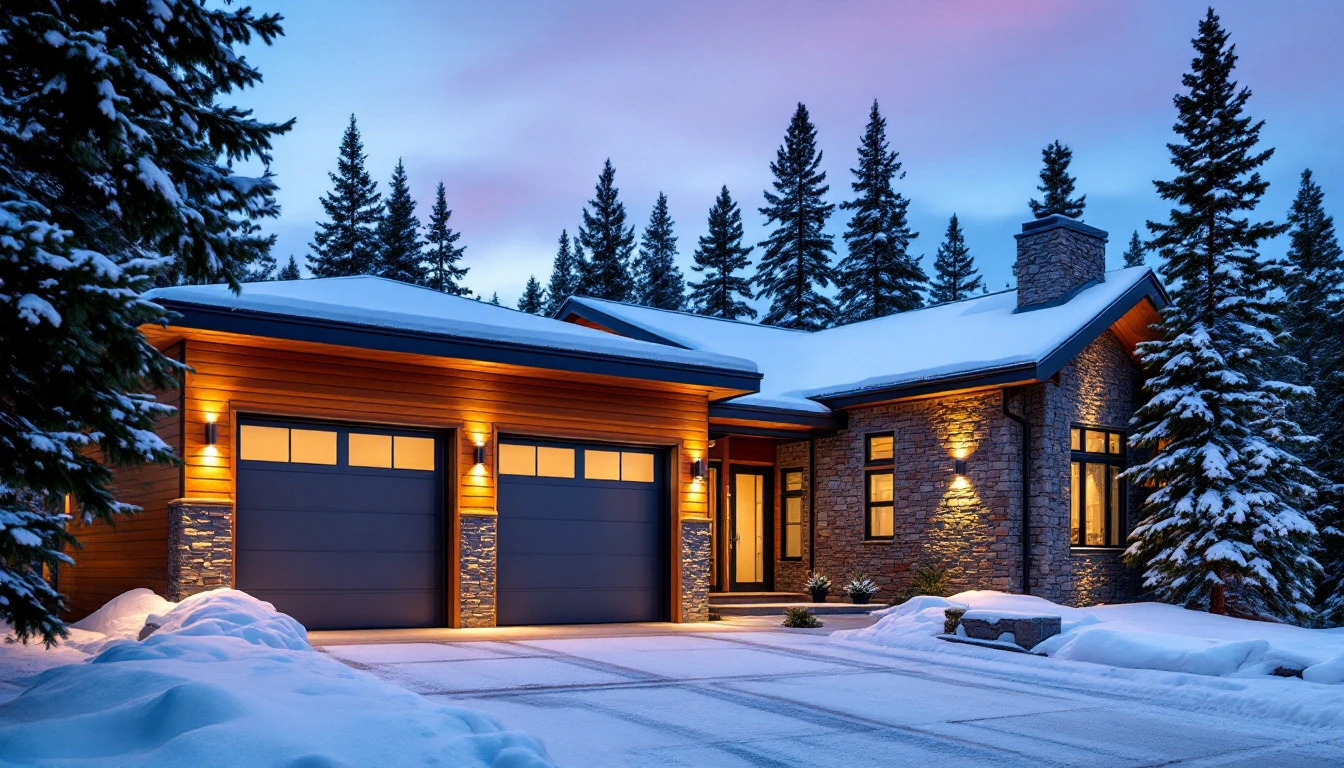
At 3,600 feet above sea level, Bend experiences daily temperature swings that range from 15 to 40 degrees Fahrenheit—a phenomenon unique to central Oregon’s high desert climate. Your garage door bakes in afternoon sun, then plummets below freezing overnight, forcing every component through relentless expansion and contraction cycles.
These freeze-thaw cycles stress metal springs, panels, and seals at an accelerated rate. Springs expand when warm and contract when cold, creating microscopic stress fractures that accumulate over time. Rubber weatherstripping hardens and cracks as moisture freezes within the material, then thaws and refreezes dozens of times each spring. Metal panels warp as differential heating creates uneven expansion across their surface.
Compared to sea-level homes with moderate coastal climates, Bend garage doors endure this punishment two to three times faster. A torsion spring rated for seven years at sea level may fail in three years here. Weatherstripping that lasts a decade in Portland needs replacement every three to four years in central Oregon.
Rapid contraction and expansion weaken component
Every freeze-thaw cycle acts like a stress test on your garage door’s metal and composite parts. When temperatures drop, steel springs contract and tighten. When morning sun warms your door, those same springs expand. This constant movement weakens molecular bonds in metal, creating microscopic fractures that grow with each cycle until springs snap without warning.
Spring Damage from Temperature Cycling
Bend’s 3,600-foot elevation subjects torsion springs to a punishing cycle of stress that sea-level garages never experience. Each time temperatures swing from freezing overnight to 40°F by afternoon, your springs expand and contract. Metal’s tensile strength degrades with every cycle—not from a single dramatic event, but from accumulated molecular fatigue that weakens the coils over months.
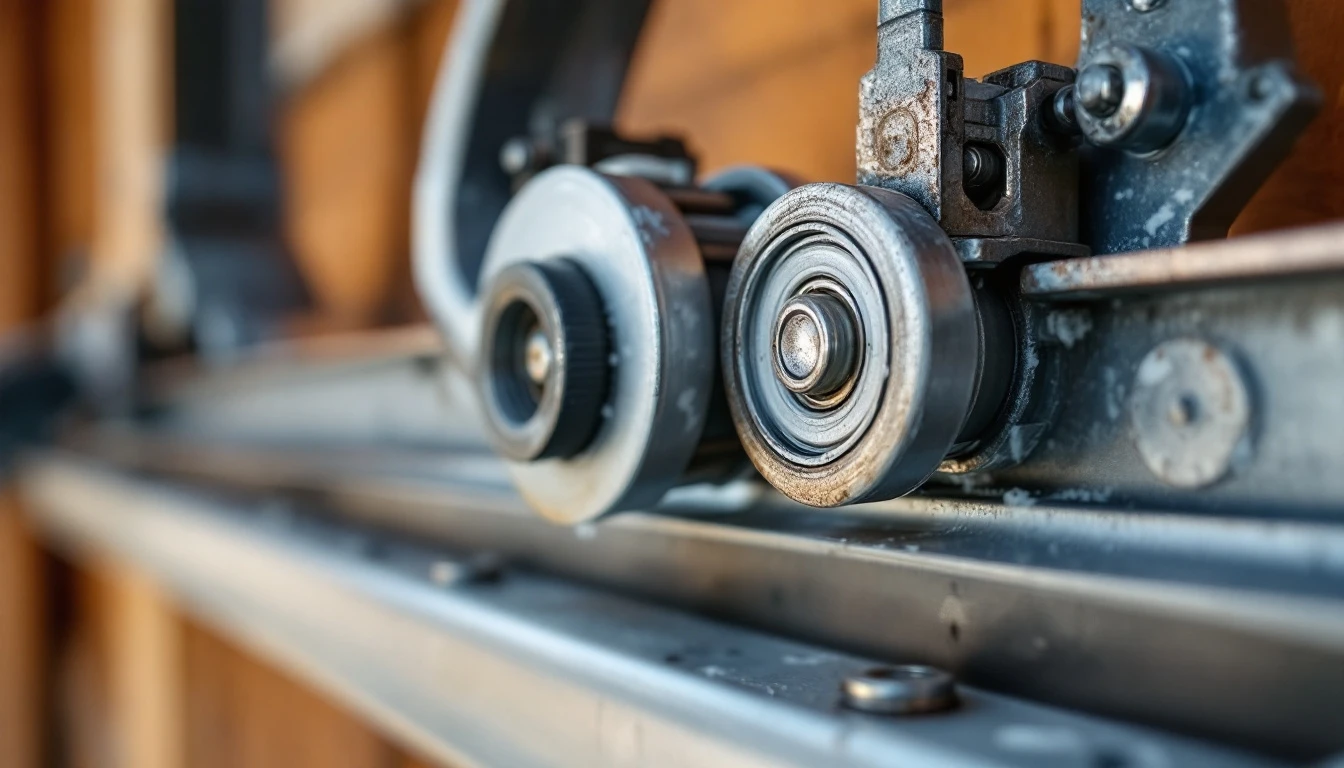
At high altitude, springs work harder during each opening cycle. The thinner air means your garage door springs experience greater stress per lift compared to identical springs installed in Portland or Eugene. When you combine this baseline stress with Bend’s relentless freeze-thaw pattern, springs fail faster than their rated lifespan suggests. That’s why you’ll find broken springs in homes only 1–5 years old—not because of manufacturing defects, but because the climate accelerates normal wear into premature failure.
Watch for warning signs that temperature cycling has damaged your springs. Does your door open more slowly than it did last year? That sluggish movement means springs have lost tension. A door that sags on one side or creaks during operation signals uneven spring wear. These symptoms appear months before complete failure, giving you time to schedule replacement before you’re locked in or out of your garage on a cold morning.
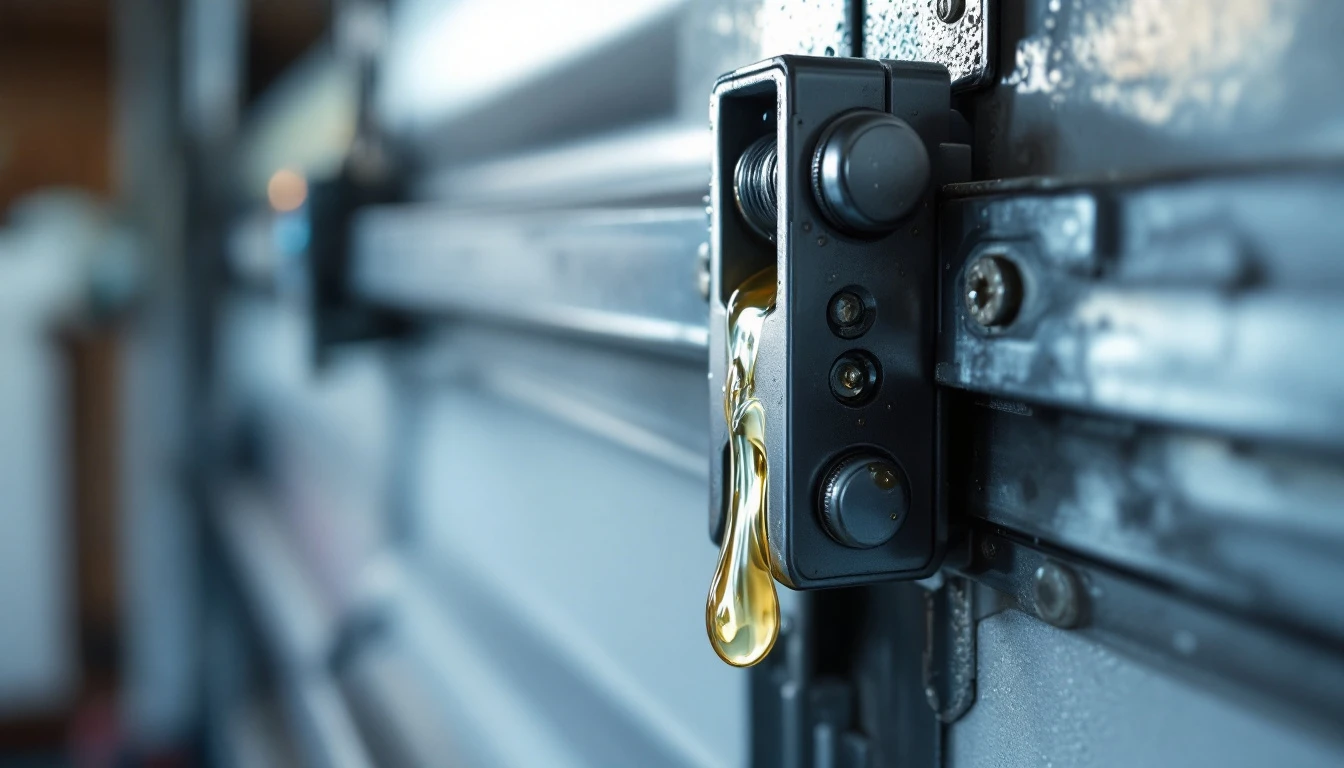
Here’s why spring tune-ups matter: a professional inspection catches early-stage fatigue before springs snap. Proper lubrication reduces friction that compounds temperature stress. Tension adjustments compensate for gradual weakening, extending spring life by 5+ years beyond what neglected springs achieve. New springs without ongoing maintenance face the same accelerated failure—this climate demands proactive care, not just reactive replacement.
Panel Warping & Weatherstripping Seal Failure
Metal and composite garage door panels don’t simply endure Bend’s temperature extremes—they flex with them. When morning temperatures hover at 25°F and afternoon sun pushes readings past 50°F, your panels expand and contract with every swing. This constant movement creates microscopic gaps where moisture enters, then freezes overnight, forcing those gaps wider with each cycle.
Weatherstripping along panel edges and at the door’s base faces an even harsher battle. The rubber compound that seals out wind and moisture becomes brittle when exposed to repeated freezing, losing its flexibility within two to three years of installation. Once cracks form, water penetrates deeper during the day’s warm phase, then expands as ice during the night’s contraction phase. This process splits seals further with each freeze-thaw event.
Homeowners in River West and NorthWest Crossing often assume newer construction provides immunity to these problems, but modern garage door materials present their own vulnerabilities. Today’s thinner steel panels and composite construction reduce weight for easier operation, yet these same characteristics make panels more susceptible to warping stress. Visual warning signs include visible waves across panel surfaces, peeling or cracked weatherstripping, and rust stains spreading from panel edges.
The solution lies in timing your preventive maintenance to Bend’s seasonal patterns. Replacing compromised weatherstripping in March or April—before spring’s extreme temperature fluctuations intensify—stops moisture ingress before the next freeze-thaw cycle begins. This simple intervention prevents corrosion and structural compromise that would otherwise accelerate through summer heat and next winter’s cold.
March–April Tune-Up Schedule for Bend Homes
As Bend transitions from winter’s grip into spring’s unpredictable temperature swings, March and April offer the perfect window to inspect and repair freeze-thaw damage before summer heat arrives. This two-month period gives you breathing room to catch problems early, schedule professional service without emergency pricing, and prevent component failures during the next seasonal extreme.
Start with a visual spring inspection for corrosion and fraying. Open your garage door halfway and disconnect the opener (pull the red emergency release cord). Examine both torsion springs above the door for rust spots, gaps between coils, or any visible stretching. Check the lift cables running along both sides of the door for frayed wires or rust accumulation. This DIY inspection takes fifteen minutes and reveals most winter damage. If you spot rust deeper than surface discoloration, fraying on any cable strand, or springs with uneven coil spacing, that’s your signal to call Garage Harmony for professional assessment.
Next, test your weatherstripping by running your hand along the bottom seal while the door is closed. Feel for air movement or see daylight gaps? March temperatures in Bend still dip below freezing at night, so damaged seals let cold air penetrate your garage and moisture seep under the door. Replacement weatherstripping costs pennies compared to panel rust repair, and this task falls squarely in DIY territory for most homeowners.
Finally, inspect each panel for warping, dents, or rust bubbles forming under paint. Look closely at panel joints where moisture collects during snow melt. Surface rust you can address yourself with wire brushing and rust-inhibiting primer, but warped panels or structural rust require professional evaluation.
Here’s the critical threshold: never attempt to measure or adjust spring tension yourself. Torsion springs store enough energy to cause serious injury, and proper tension measurement requires specialized tools and training. If your door feels heavier when lifting manually, opens unevenly, or sags on one side, schedule a spring tune-up with our team immediately. Contact us today to book your March–April maintenance appointment before Bend’s spring weather creates the next round of temperature stress on your garage door components.
DIY Inspection vs. Professional Service
Bend homeowners can safely inspect several garage door components themselves without specialized tools or expertise. Walk up to your door and look closely at the torsion springs mounted above the opening—visible rust spots, fraying cable ends, or gaps in the spring coils all signal wear. Check each panel for warping or bowing by running your hand along the surface. Examine the rubber weatherstripping along the bottom and sides for cracks, stiffness, or gaps where moisture might enter.
What you can’t safely assess yourself is spring tension and pre-stress measurements. Torsion springs store tremendous energy even when they appear intact, and measuring their remaining cycle life requires calibrated equipment and training. Hidden micro-fractures develop inside spring coils after thousands of freeze-thaw cycles—these invisible weaknesses won’t show up in visual inspections but can cause sudden catastrophic failure. Similarly, extension springs may look fine but have lost tension balance, creating uneven door operation that strains your opener motor.
The cost-benefit analysis favors prevention. Scheduling a professional spring tune-up and weatherstripping replacement in March or April typically costs $200–$400. That same spring, if it snaps during a July heat wave when your door won’t close, becomes an emergency callout requiring immediate replacement at $1,500–$2,500. At 3,600 feet elevation, Bend’s relentless freeze-thaw acceleration makes professional inspection not a luxury but insurance against predictable failure patterns.
Use this decision tree: if your visual inspection reveals rust, warping, cracking seals, or frayed cables, schedule professional service immediately. If everything looks clean, still book a spring tune-up before summer temperature extremes arrive. Your eyes catch surface problems; trained technicians measure the hidden stress that altitude cycling creates.

Leave A Comment