


Spring Wind Season Garage Door Risk and High Wind Protection
March through May brings peak wind advisory season across the Pacific Northwest, and garage doors take the hardest hit during garage door high winds events. When gusts reach 40+ mph, unprepared doors suffer panel buckling from pressure differentials, track misalignment from lateral force, and opener strain from repeated cycling attempts. These failures happen fast—often within a single storm event.
Emergency repair calls during active wind advisories cost 2-3 times standard rates because technicians face dangerous working conditions and prioritize safety over speed. The better approach? Four specific protective actions eliminate 80% of wind-related damage when completed before high-wind warnings arrive. Weather forecasts give you 24-48 hours’ notice, making pre-event preparation both practical and cost-effective.
Four Protective Measures Before Wind
When a wind advisory hits your forecast, these four actions create a defensive barrier between your garage door and potential damage. Each measure addresses a specific vulnerability that high winds exploit.
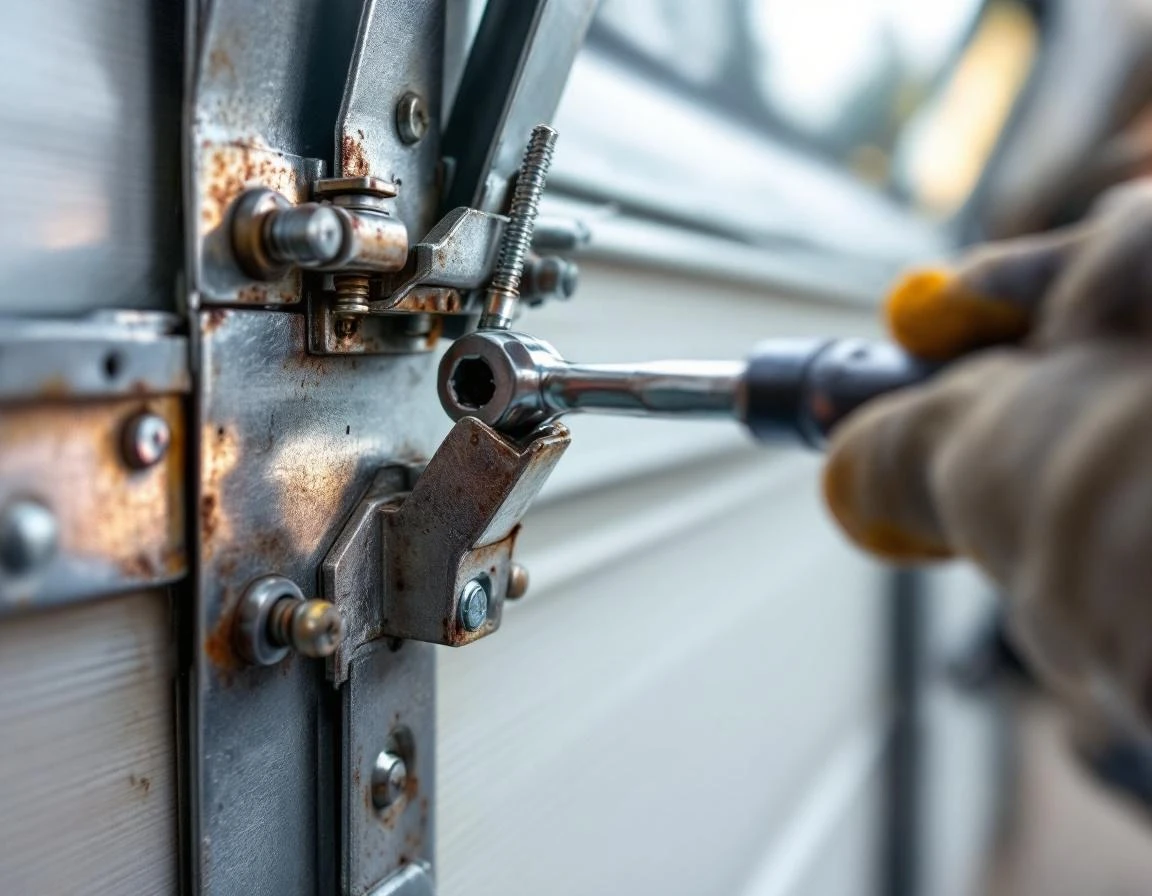
- Measure 1: Inspect and Tighten Hardware (15 Minutes) — Grab a socket set and check every bolt, bracket, and hinge on your door. Wind creates lateral force that loosens fasteners over time, and a loose hinge bracket becomes a separation point during gusts. Tightening hardware prevents panels from pulling apart at stress points, which avoids costly emergency panel replacement and the structural damage that follows separation.
- Measure 2: Test Force Settings and Safety Sensors (10 Minutes) — Place a 2×4 board under your closing door to verify the auto-reverse engages immediately. Test your photo-eye sensors by breaking the beam with your hand — the door should reverse instantly. Wind can slam a malfunctioning door with enough force to bend tracks or damage the opener. Working sensors prevent the runaway closing that creates bracket failures and motor burnout.
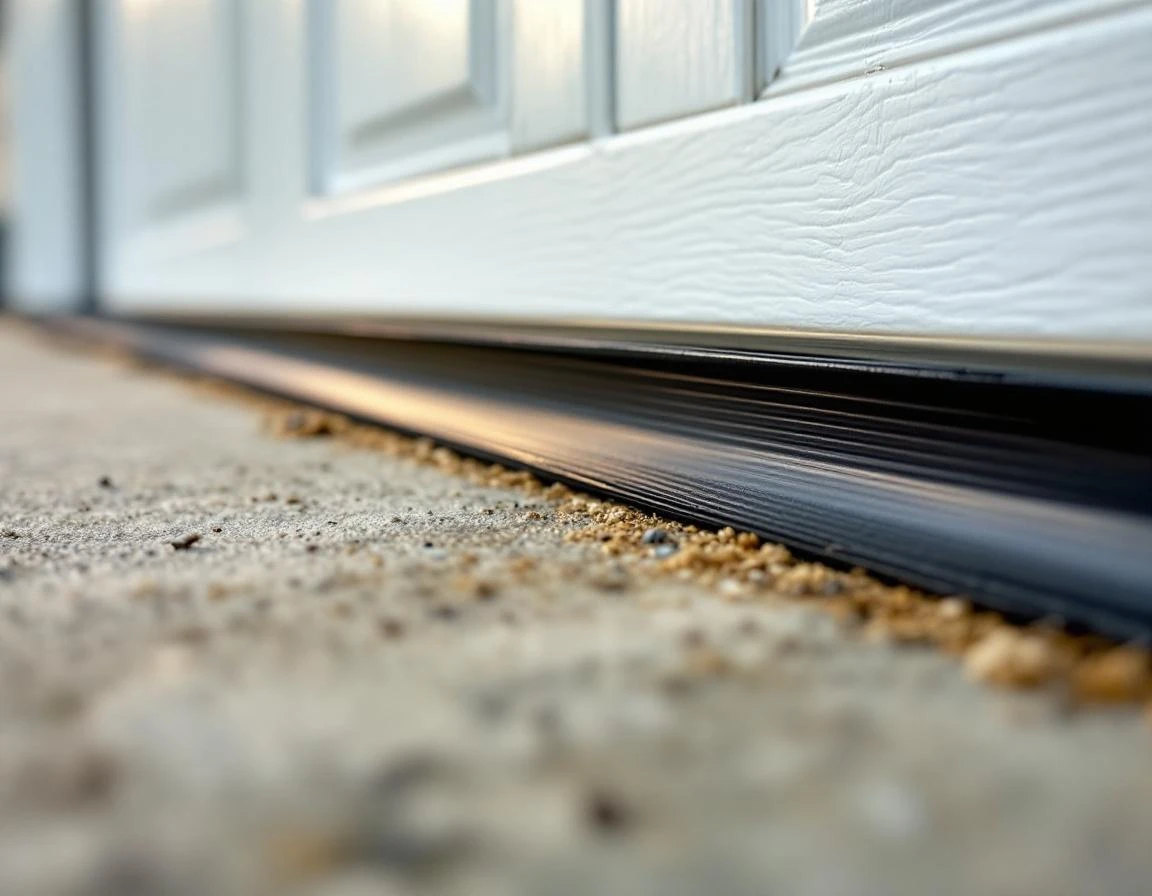
- Measure 3: Apply Weatherstripping Renewal (20 Minutes) — Replace cracked or compressed weatherstripping along all four edges of your door. Wind doesn’t just push against the exterior surface — it infiltrates through gaps and creates internal pressure that bows panels outward. Fresh weatherstripping (available at hardware stores for $30-50) seals these entry points and maintains the structural integrity wind depends on finding weakness to exploit.
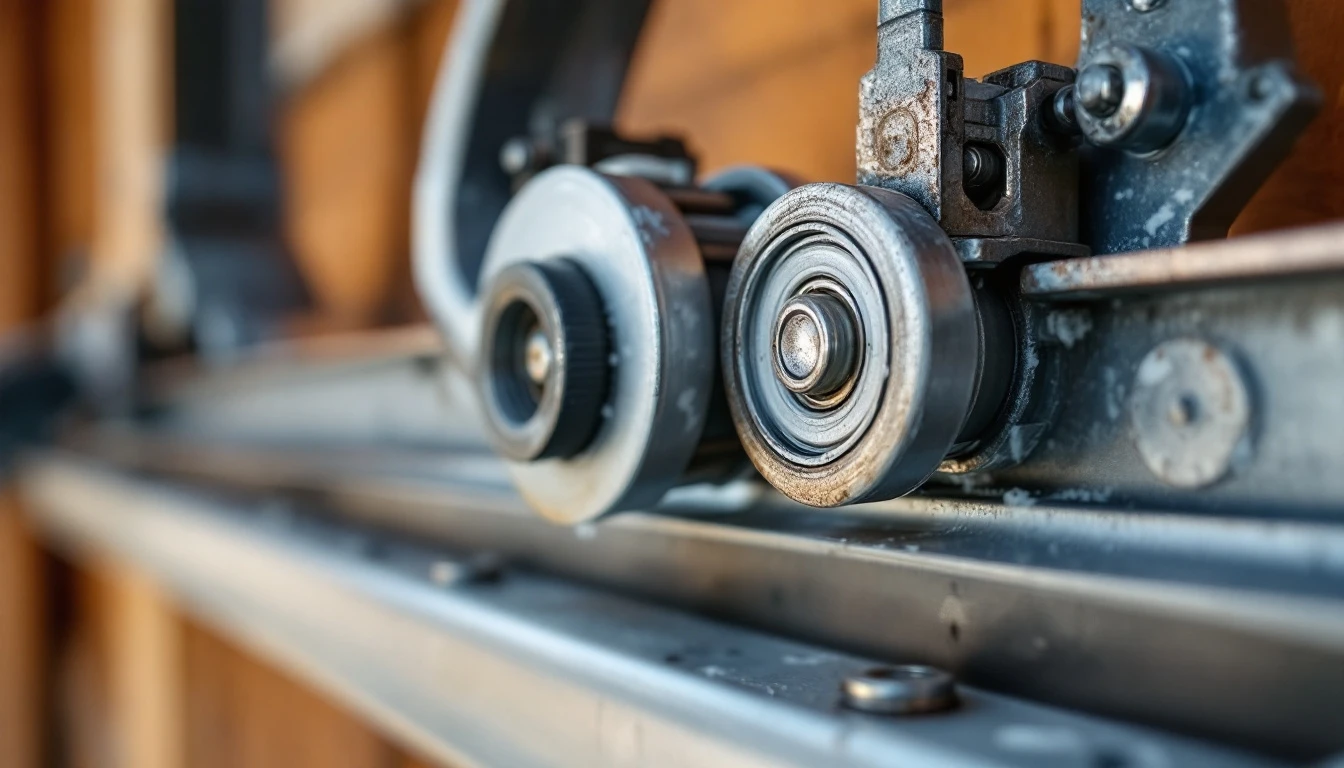
- Measure 4: Schedule Professional Inspection for Doors 10+ Years Old (1 Hour) — Older doors hide spring fatigue, cable wear, and roller degradation that only trained eyes catch. A professional inspection identifies the hidden failures that turn moderate wind into catastrophic damage, making it a worthwhile investment before storm season arrives. If your door predates 2015, this step prevents the complete system replacement that follows preventable spring breaks during storms.
Hardware Inspection Protocol
High winds create upward and lateral pressure on your garage door panels and frame. When bolts and brackets loosen over time, this force causes micro-movement that accelerates panel separation, track misalignment. And premature component failure. Before wind advisories arrive, inspect each critical fastening point with a systematic approach.
Check L-brackets securing panels to the vertical frame, roller brackets at each panel edge, spring mounting bolts at the header, and track-to-frame fasteners. Use a 9/16-inch or 1/2-inch socket to snug each bolt—apply firm pressure without over-torquing, which can strip threads or crack mounting surfaces.
Warning: If you discover stripped threads, missing bolts, or bent hardware, your door has already experienced wind stress. Contact Garage Harmony for a professional inspection before the next storm arrives.
Safety Sensor and Force Testing
High winds push downward on garage door panels with enough force to overwhelm safety systems. If your sensors malfunction or force settings are too loose, the door won’t auto-reverse when wind resistance mimics an obstacle—creating a dangerous trap or causing the door to bind. This is a key part of how to protect garage door from wind.
Test your sensor system first: break the sensor beam with your hand during a close cycle. The door should immediately reverse. Next, test force settings by gently applying upward hand pressure against the bottom panel as it closes. The door should pause, then adjust or reverse.
These two tests take ten minutes and confirm your door will respond correctly during wind events—preventing both injuries and mechanical damage when gusts create unexpected resistance.
Weatherstripping and Seal Renewal for Wind Damage Prevention
Wind doesn’t just push on your garage door from the outside. When seals crack or compress, high-pressure gusts infiltrate through gaps and push against the underside of door panels. Creating stress that wasn’t part of the original design. This internal pressure forces springs to work harder and loads the opener motor unevenly, accelerating wear on both components. Understanding garage door wind damage prevention requires recognizing how air infiltration creates unexpected structural loads.
Walk around your closed door and inspect the bottom rubber seal, side channel gaskets, and header strip. Look for visible cracks, permanent compression where the material won’t spring back, or gaps that let daylight through. If you find any of these signs, replacement kits cost $30–$60 at hardware stores and install in about 20 minutes with basic tools.
Start with the bottom seal—it takes the most abuse from weather and vehicle contact. Slide the new rubber into the aluminum retainer track, then address side channels and the top gasket. This simple maintenance prevents wind pressure from reaching mechanical components, protecting your investment from storm damage before the next advisory arrives.
Professional Inspection Timing
If your door is 10+ years old or shows signs of previous damage — panel dents, jerky movement, or unusual sounds — schedule a professional inspection before mid-March. This timing lets technicians complete repairs before April and May wind advisories arrive.
What do professionals check that DIY inspections miss? Spring tension loss causes your opener to strain under wind load. Wearing out motors faster. Track alignment issues affect how panels respond to pressure, creating stress points. Balance problems mean the door already fights gravity unevenly, and wind amplifies that imbalance into rapid mechanical failure. Proper secure garage door setup includes these professional adjustments.
A professional tune-up costs $150–$250 and includes spring adjustment, thorough lubrication, and balance testing. Compare that to emergency repairs during a wind advisory: $1,500 or more when you need immediate service and replacement parts. Research from the Insurance Institute for Business & Home Safety shows a strong garage door is critical to protecting a home from high winds during severe weather. Schedule your inspection now to avoid that call in April.




Leave A Comment