


Why Spring Matters for Portland Garages
Portland’s wet springs following cold winters create a perfect storm for garage door problems. A spring garage door tune-up Portland homeowners complete before peak rain season prevents costly damage to your door system. As temperatures swing from freezing nights to mild afternoons, your garage door components expand and contract repeatedly. This temperature cycling places tremendous stress on springs, rollers, and metal tracks—components already working hard to lift hundreds of pounds multiple times daily.
The Pacific Northwest’s signature spring rain compounds these challenges. Moisture seeps into metal parts, accelerating rust and corrosion on tracks, hinges, and hardware. When you combine humidity with salt residue from winter roads, the corrosion process intensifies. Weatherstripping that’s already compromised from winter cold becomes a gateway for water damage to wooden door panels and wall frames.
Here’s the financial reality: a preventive spring tune-up typically costs $50 to $100. Compare that to emergency repair calls, which run $200 to $500 or more when springs snap or cables break mid-season. Those emergency calls become even more expensive in late spring and summer when repair schedules fill up and you’re competing with other homeowners who skipped maintenance. Taking action now, before the rainy season intensifies, protects both your investment and your daily convenience.
Five-Point Spring Tune-Up Checklist
Portland’s spring arrives with a one-two punch: lingering cold snaps followed by sudden warmth and relentless rain. This climate whiplash demands a methodical seasonal garage door maintenance checklist before the rainy season peaks.
Visual inspection of springs, rollers, and tracks
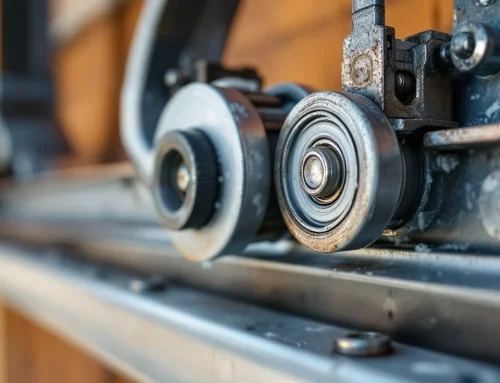
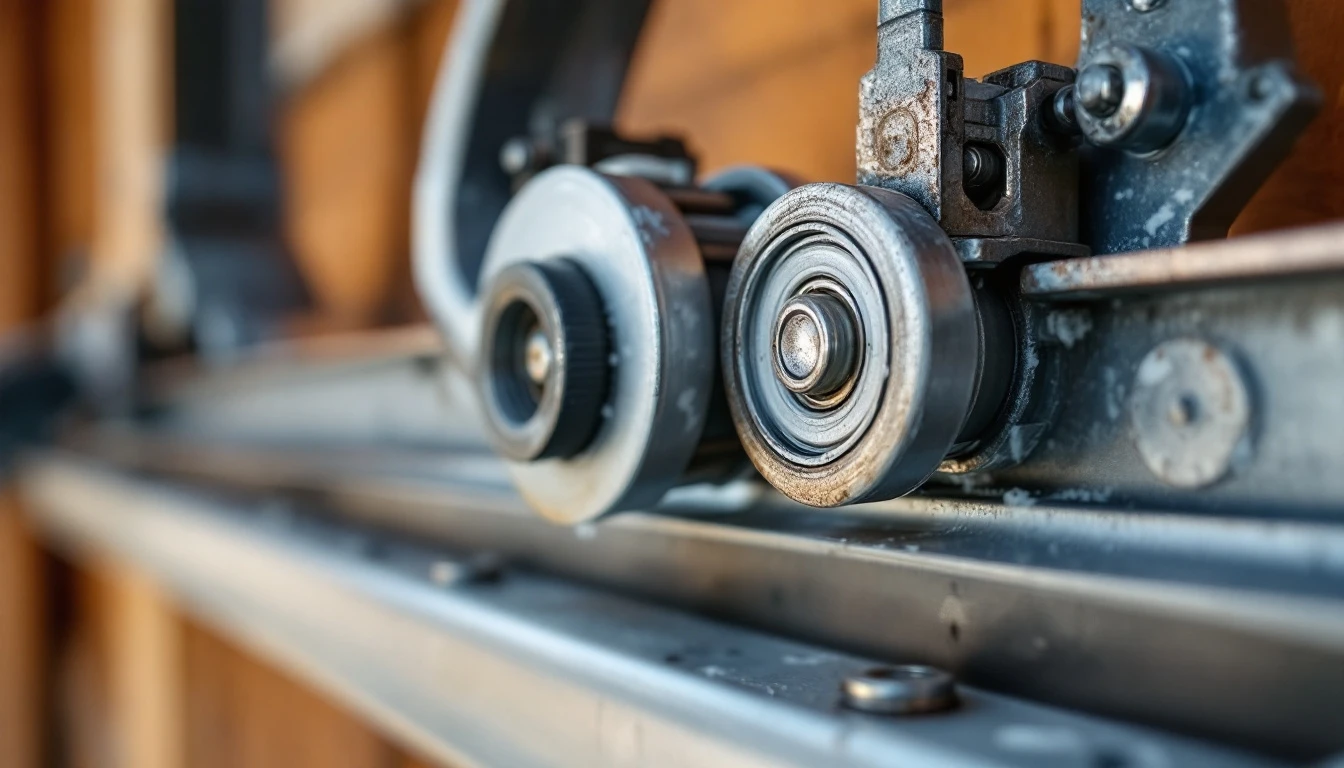
Start by examining your garage door’s critical components under good lighting. Look closely at the torsion springs mounted above the door—rust, corrosion, or visible gaps in the coils signal weakening metal that could fail during Portland’s rainy months. Check the rollers and tracks on both sides of the door for rust buildup, which accelerates in our damp climate.
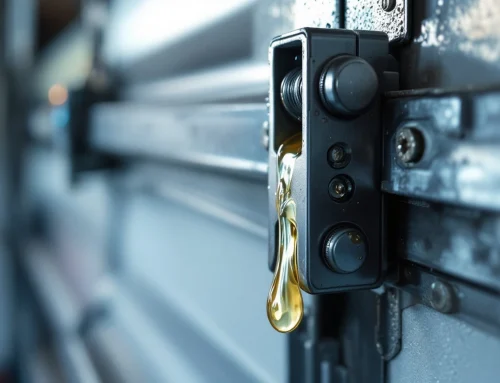
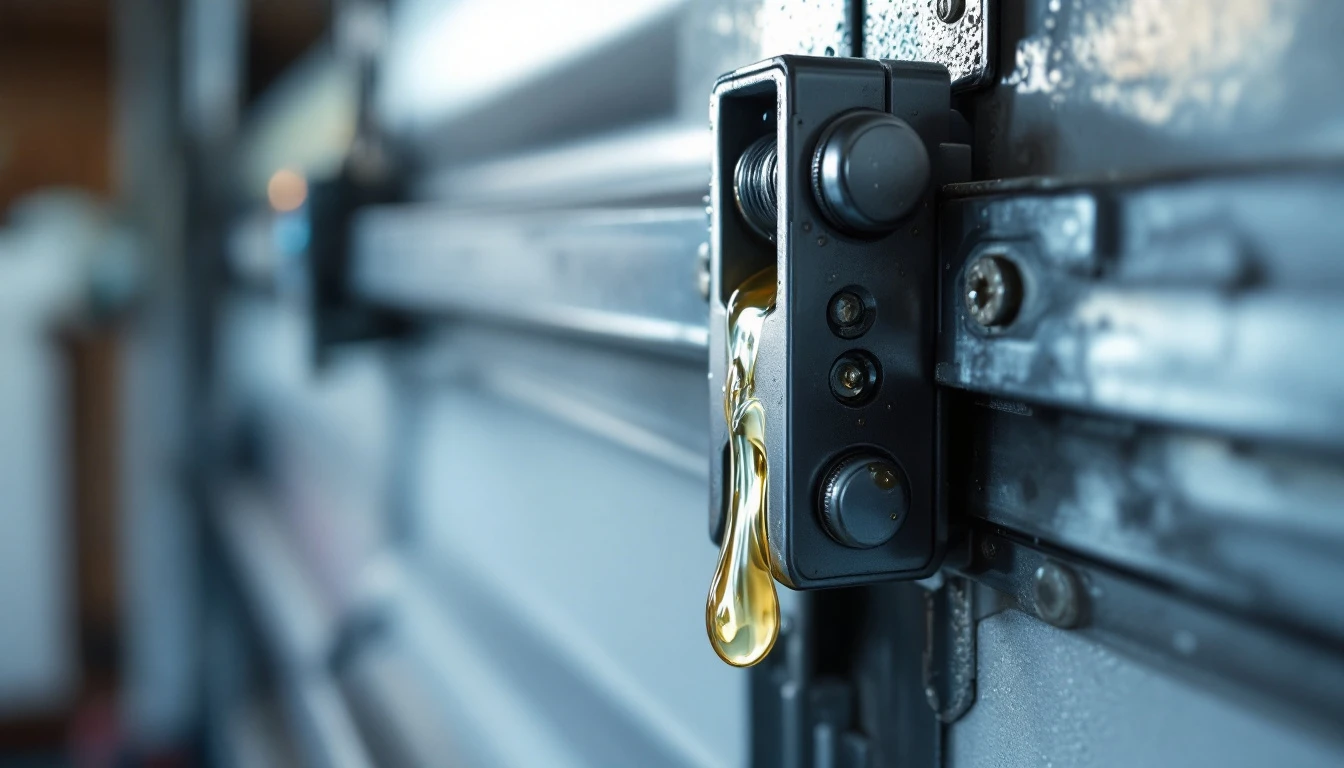
Once you’ve inspected for damage, apply silicone-based lubricant to all moving parts—rollers, hinges, and tracks. Never use WD-40, which attracts dirt and eventually gums up the mechanism. Silicone lubricant repels moisture. Protecting components through our extended wet season.
Finally, examine the weatherstripping along the door’s bottom and sides. Cracked or missing seals allow moisture intrusion, causing rust on internal components and metal tracks. Replace damaged weatherstripping before heavy rains return—it’s a simple fix that prevents expensive corrosion damage later.
Safety sensor testing to keep door reverses
Your garage door’s safety sensors prevent injuries and property damage by reversing the door when objects block the path. Test them monthly by placing a roll of paper towels in the door’s path and pressing the close button—the door should reverse immediately upon contact. If the door doesn’t reverse, clean the sensor lenses with a soft cloth and check that they’re aligned properly facing each other.
Next, perform the balance test to confirm your springs are holding the door’s weight correctly. Disconnect the opener by pulling the red emergency release handle, then manually lift the door halfway. A properly balanced door should stay in place without drifting up or down. If the door falls or rises on its own, your springs are wearing out—a common issue in Portland’s damp climate where moisture accelerates spring fatigue. Contact a professional immediately, as spring replacement requires specialized tools and carries serious safety risks.
Spring Inspection Deep Dive
Portland’s spring climate demands a thorough garage door spring inspection Portland homeowners complete before seasonal weather stresses intensify. After months of cold, wet weather, metal parts show their stress through visible cues—if you know what to look for.
- Identifying Rust and Corrosion: Check torsion springs and extension springs for surface rust, which appears as light orange or brown discoloration. This early-stage rust can be treated with a wire brush and protective lubricant. However, deep pitting—where rust has eaten into the metal creating small craters—means the spring has lost structural integrity. If you can feel rough, crater-like textures when you run your finger along the coil, call a professional. Portland’s moisture accelerates this progression from surface rust to deep corrosion in a single season.
- Weatherstripping Assessment: Examine the rubber seal along the bottom of your door and around the frame. Healthy weatherstripping feels pliable and springs back when compressed. Warning signs include hardening (feels brittle or cracks when bent), visible gaps when the door is closed, or fraying edges. Temperature swings between Portland’s 35°F winter nights and 65°F spring days cause rubber to expand and contract, accelerating deterioration. Replace weatherstripping that shows any of these symptoms—moisture intrusion damages interior wall studs and promotes mold.
- Track Alignment Check: Stand inside your garage and visually trace both tracks from floor to ceiling. They should run parallel with consistent spacing from the door. Look for gaps between rollers and track walls, or sections where the track bows outward. Temperature changes cause metal tracks to expand and contract at different rates than your home’s framing, creating misalignment. If you notice squeaking during operation or the door moves slower on one side, the tracks likely need professional realignment.
- Spring Wear Indicators: Operate your door and listen. A properly functioning spring system closes the door smoothly in 10-12 seconds. Squeaking, jerky movement, or a door that drops quickly all signal spring fatigue. Uneven closing—where one side descends faster than the other—indicates one spring is weaker. These symptoms worsen as springs approach their rated cycle limit, typically 10,000-20,000 cycles depending on quality.
DIY Maintenance vs Professional Service
Knowing which garage door tasks you can safely tackle and when to call a professional protects both your budget and your safety. Some maintenance items are genuinely DIY-friendly, while others involve hazards that make professional service worth every penny.
Safe for DIY: Lubrication, weatherstripping replacement, sensor testing, and visual inspection fall within most homeowners’ capabilities. These tasks require basic tools and carry minimal risk. A $30 bottle of silicone lubricant and weatherstripping materials prevent far costlier problems down the line.
Call a Professional: Spring replacement, cable repair, track realignment, and opener motor issues require specialized training and tools. Garage door springs hold 200+ pounds of tension—improper handling causes serious injuries. Cables under tension can snap unexpectedly, and misaligned tracks need precise adjustment to prevent door damage.
The cost difference matters. DIY supplies handle routine maintenance affordably. Emergency service calls during Portland’s spring rush require professional labor, with spring or cable replacements needed depending on door size. That initial investment in preventive care pays off quickly.
For professional tasks, garage door service near Portland Oregon providers typically respond within 24–48 hours during normal seasons, though spring demand can extend wait times. Need help with spring replacement or complex repairs? Contact us today for expert service that keeps your garage door operating safely through Portland’s challenging weather.
Seasonal Timing and Next Steps
Complete your how to tune up garage door work by late March or early April, before Portland’s peak rain season arrives. Spring garage door maintenance is essential after an Oregon winter. And this timing lets you catch moisture damage and worn components before heavy spring storms stress your system further. Once you’ve finished the checklist, create a simple maintenance calendar: repeat your visual inspections and lubrication every six months (spring and fall), test safety sensors quarterly, and check weatherstripping after any major windstorm.
Certain warning signs demand immediate professional attention regardless of your maintenance schedule. Loud grinding or squealing noises that lubrication doesn’t fix often indicate bearing failure. Doors that reverse mid-close without obstruction suggest sensor misalignment or opener malfunction. Visible gaps between spring coils mean the spring is stretched and near failure—a dangerous situation requiring professional replacement. Slow, labored operation despite balanced cables signals motor or track problems.
This preventive approach saves most homeowners from costly repairs. Not every inspection reveals problems, but early detection prevents minor issues from becoming emergency service calls. If your checklist reveals any red-flag conditions, Portland-area homeowners can contact local professionals through Garage Harmony’s service network for quick diagnosis and repair before spring weather causes further damage.



Leave A Comment