

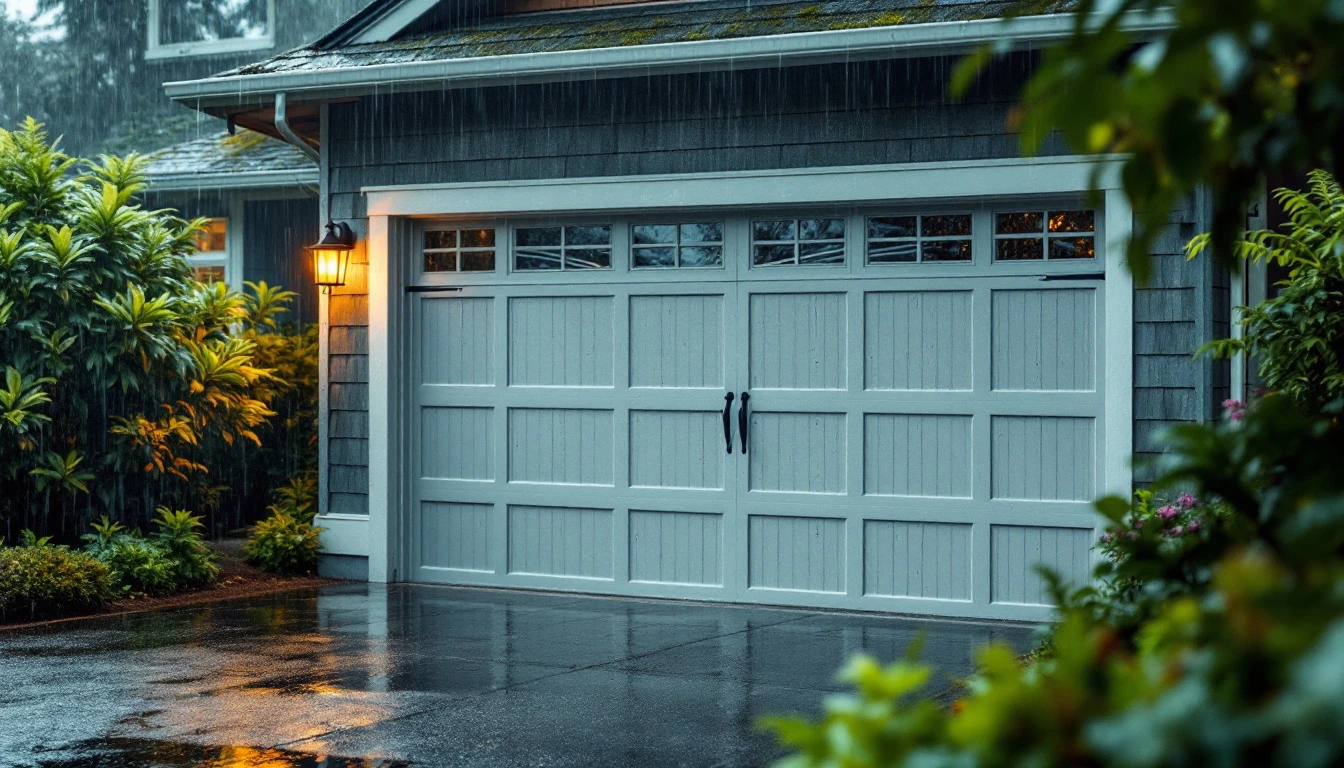
Why October Matters for Portland Garage Doors During the Rainy Season
Portland homeowners face a narrow window of opportunity before the Pacific Northwest wet season arrives in full force. The garage door rainy season Portland stretch from October through April demands your attention now. During this period, your garage door will endure more than six months of continuous moisture exposure, with rain intensity building as fall progresses into winter.
Taking action now, in September and early October, stops damage before it starts.
Why does timing matter so much? Emergency repairs during peak winter months can cost you far more than preventive work completed today. When you address weatherproofing before the rains intensify, you’ll spend roughly 60-70% less than waiting for a mid-winter crisis.
Attached garages face a dual threat that makes early preparation even more pressing. Your garage door battles exterior weather damage while moisture creeps past worn seals into your living spaces, threatening your home’s interior and air quality.
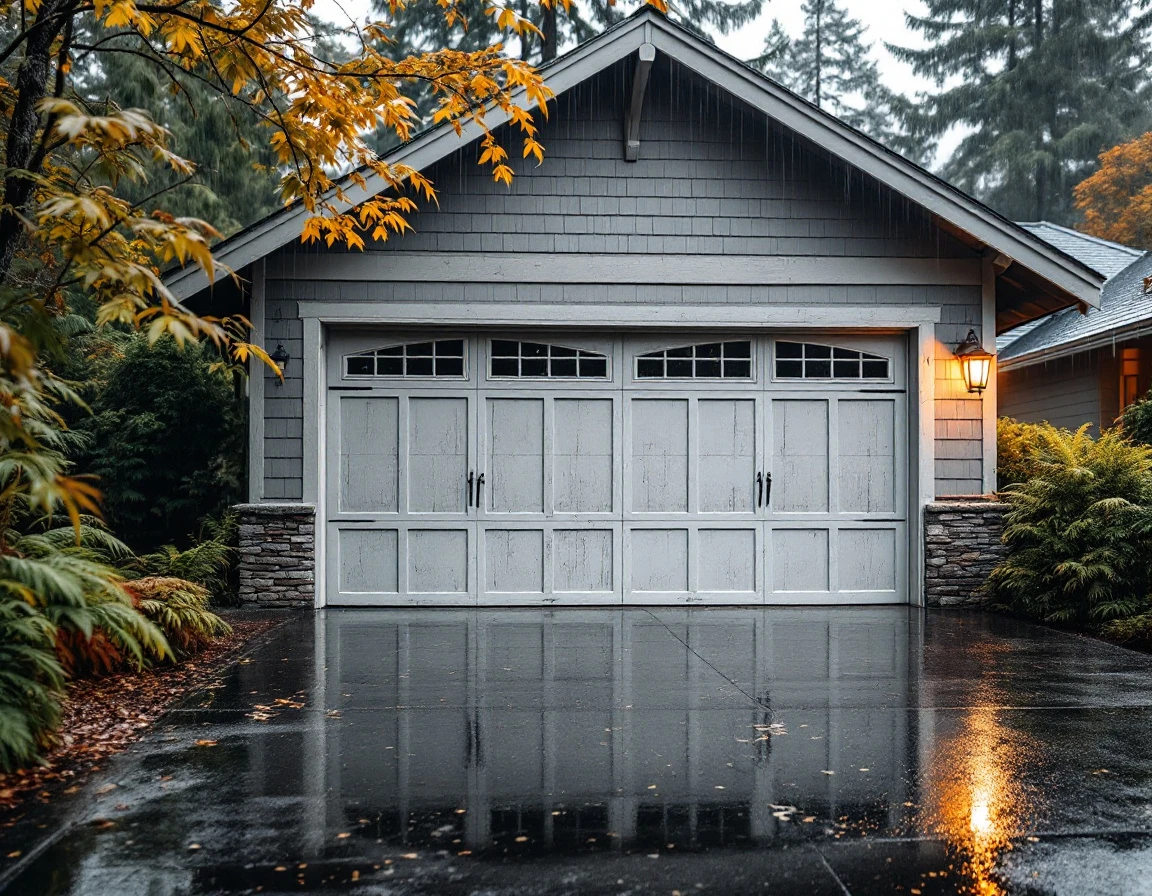
Four Essential Pre-October Weatherproofing Tasks for Rain Protection
Want to protect garage door from rain and moisture before the rains arrive? These four tasks form your pre-season defense against water damage. Each one targets a specific vulnerability that wet weather exploits:
- Inspect and Replace Weatherstripping
- Check and Repair the Bottom Seal
- Clear Drainage Pathways
- Apply Protective Sealant
Task 1: Inspect and Replace Weatherstripping
Start by examining the weatherstripping around your door frame and the bottom seal. Look for sections that have hardened, cracked, or pulled away from the frame. Fresh weatherstripping creates an airtight barrier that keeps rain and dampness outside where it belongs. Skip this step, and you’ll find puddles forming inside your garage after heavy storms, potentially damaging stored items and encouraging mold growth. Most homeowners can handle weatherstripping replacement as a DIY project, but if your door frame shows rot or structural issues, call in a professional to assess the damage.
Task 2: Check and Repair the Bottom Seal
The bottom seal takes the hardest beating from seasonal weather. Run your hand along its entire length, checking for gaps, warping, or sections compressed flat from years of use. A compromised bottom seal allows water to stream directly into your garage during rainstorms. Replacing a bottom seal typically costs less than repairing water damage to your garage floor or belongings, making this a smart preventive investment.
Task 3: Clear Drainage Pathways
Check the area around your garage door opening for proper drainage. Remove leaves, dirt, and debris from gutters, downspouts, and the ground immediately outside your door. Standing water near the door accelerates seal deterioration and can seep underneath even properly maintained weatherstripping. This task takes thirty minutes but prevents problems that could last all season.
Task 4: Apply Protective Sealant
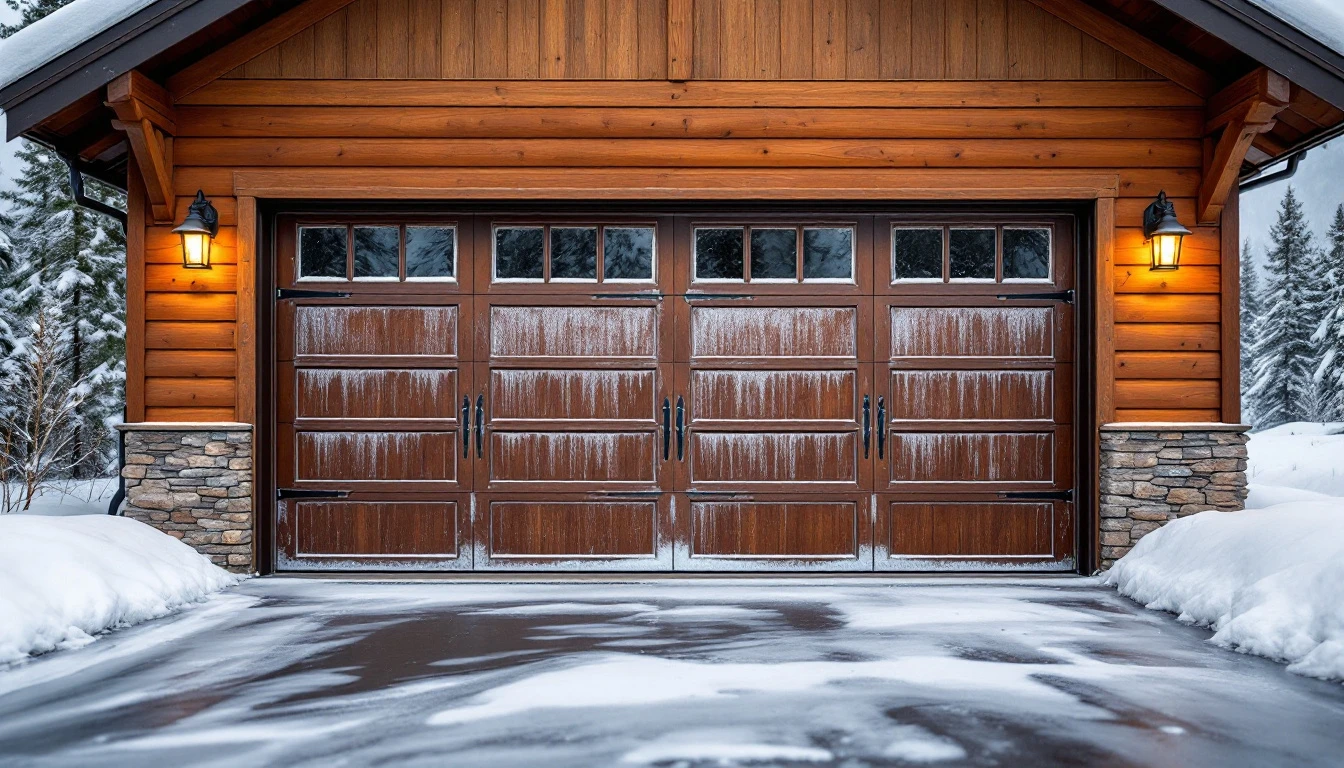
Wood garage doors and vulnerable trim need a fresh coat of protective sealant before October’s rains begin. Inspect the finish for peeling, fading, or areas where water might penetrate the wood grain. Untreated wood absorbs moisture, leading to swelling, warping, and eventual rot. If your door shows extensive deterioration or you’re unsure about the right sealant for your door material, our experts can recommend the best approach for your specific situation.
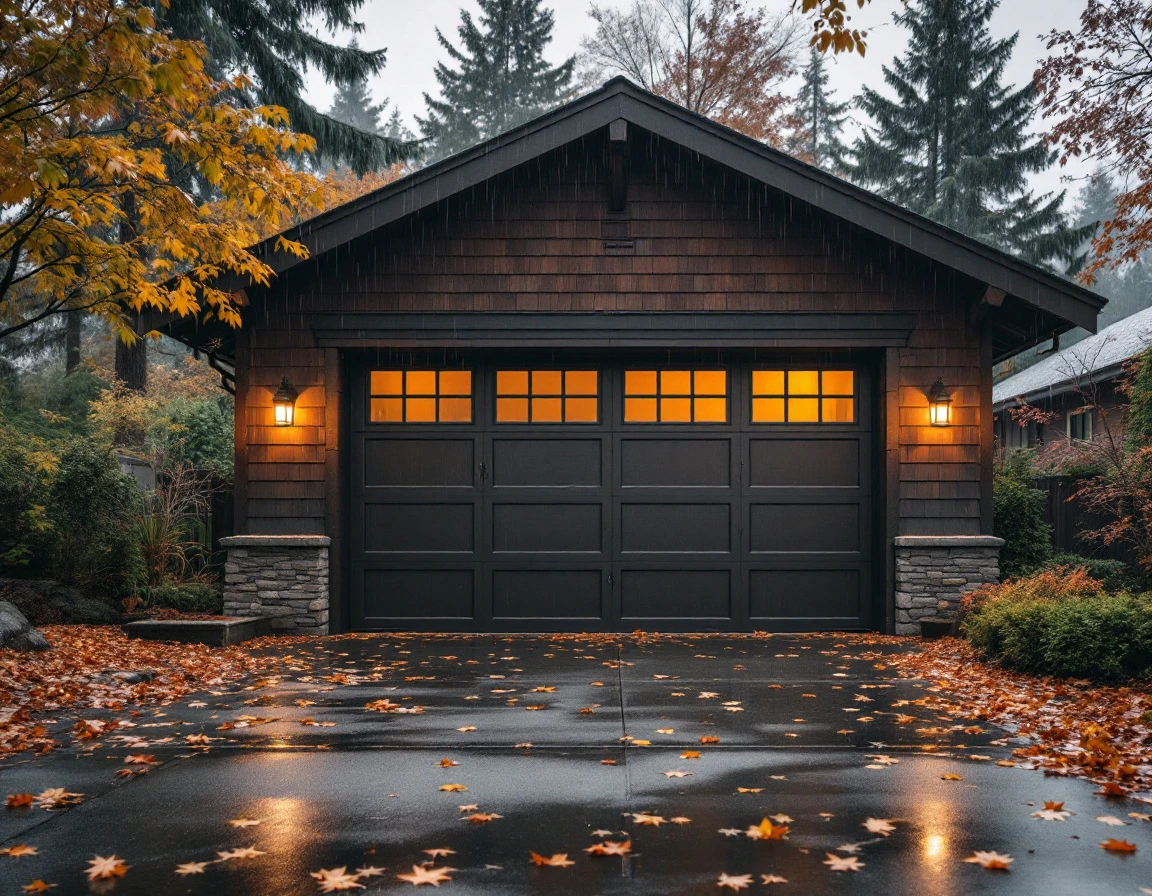
Weatherstripping and Seal Assessment
Weatherstripping deterioration is the number one entry point for moisture during Portland’s wet season. Start your inspection by running your hand along the edges of your garage door while it’s closed—do you feel air movement or detect light gaps? These are telltale signs that your seals have failed.
Look closely at the weatherstripping itself. Failed seals show peeling rubber, visible gaps where the material has shrunk, brittleness that causes cracking when touched, or permanent compression that prevents a tight seal. If you spot any of these conditions, moisture is already finding its way inside.
Here’s the cost reality: replacing weatherstripping runs $50–$200 depending on your door type and whether you tackle it yourself or hire a professional. Delay that repair, and water damage can cost you $500–$2,000 in rot, mold, and structural fixes.
Most single-car doors are DIY-friendly with basic tools, but custom or multi-section doors benefit from professional installation.
Drainage and Sealant Protection
Standing water and debris around your garage door frame create the perfect conditions for rust on metal components and rot in wood frames. When fallen leaves, dirt, or pine needles block drainage pathways, moisture has nowhere to go—it just sits there, soaking into vulnerable materials day after day throughout Portland’s wet season.
Start by clearing gutters above your garage and trimming back any overhanging vegetation that drops debris near the door. Check that the ground slopes away from the door frame rather than pooling water against it. For wood doors, apply a fresh coat of exterior-grade sealant annually before the rains arrive—this single step prevents water absorption during six-plus months of precipitation.
When should you call in professional waterproofing help? If you notice persistent moisture problems, extensive wood softening, or drainage issues you can’t resolve with basic clearing, it’s time to contact Garage Harmony before small problems turn into emergency winter repairs.
Warning Signs That Demand Professional Attention
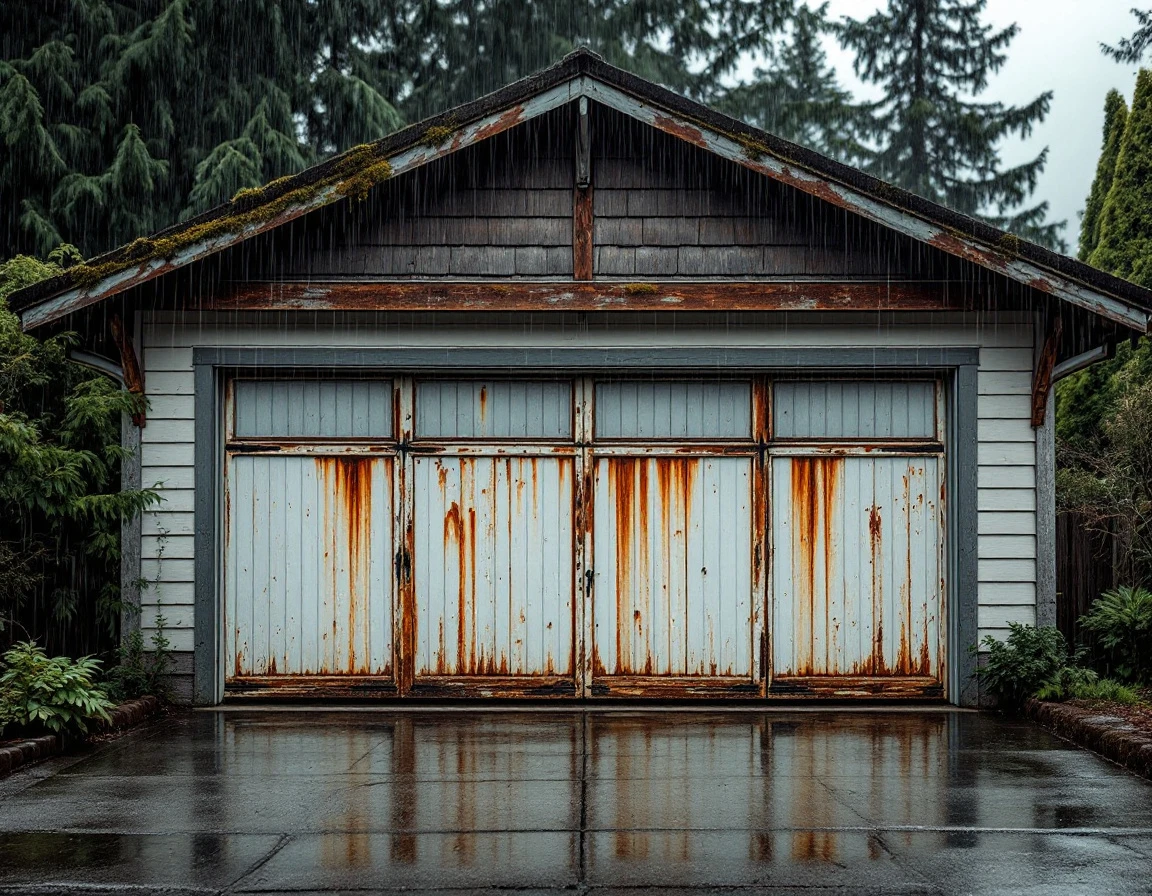
Some garage door problems signal urgent issues that go beyond routine maintenance. If you spot rust spots, deep corrosion, or structural warping in your door panels or frame, moisture has already compromised the integrity of the system. Water stains appearing inside your garage or on the door itself reveal active moisture penetration that will only worsen once Portland’s rain begins.
Is your opener struggling to engage fully, or does the door stick during operation? These symptoms often indicate mechanical strain from wood swelling or metal component deterioration. Visible wood rot, mold, or soft spots on wooden doors or frames represent advanced moisture damage that threatens both function and safety.
If any of these warning signs appear, scheduling a professional assessment before October is urgent. These conditions mark the boundary between preventive maintenance and emergency repair. Addressing them now protects your investment and prevents water intrusion into your home during the wet months ahead.
DIY Prep Timeline and Professional Checkup
Let’s map out your garage door weather protection during wet months maintenance over the next six to eight weeks. In September, complete your visual inspection, check all weatherstripping for gaps or damage, and clear debris from drainage paths around your garage. By early October, apply protective sealant to wooden components, test your door’s full operation cycle, and identify any repairs that need attention.
Before November arrives with Portland’s heavy rain, schedule a professional tune-up. A qualified technician will service your opener, inspect springs for wear, and verify proper alignment—tasks that require specialized tools and expertise.
This preventive checkup costs $150–$300, a fraction of the $800–$2,500+ you’d pay for emergency winter repairs when water damage triggers mechanical failures or structural problems.
Taking action now protects your investment and keeps your garage functional all season.

Leave A Comment