Freeze-Thaw Cycles & Seasonal Garage Door Maintenance Bend
Central Oregon’s climate creates a perfect storm for garage door damage at seasonal properties. Summer temperatures in Bend and Sunriver can reach 80°F or higher, but winter plunges to well below freezing—often staying there for weeks. That extreme temperature swing puts immense stress on garage doors that sit unused from fall through spring, particularly when owners leave without proper preparation. Seasonal garage door maintenance in Bend starts before you close up for the season, not after you return to find frozen mechanisms and costly repairs.
What happens to a garage door during months of winter disuse? The lubricants that keep springs, rollers, and hinges moving smoothly freeze solid. Transforming from protective oils into thick, immobile sludge. Metal components contract in the cold, causing misalignment between tracks and rollers. Ice accumulates along the bottom seal and within the track system, physically blocking movement. When spring arrives and you try to open that door for the first time in months, you’re asking frozen, contracted, ice-locked components to suddenly function—and they often can’t.
“The damage from extended winter dormancy without maintenance isn’t minor. Springs that can’t move freely snap under strain. Openers burn out trying to lift doors that won’t budge. Tracks bend when ice forces rollers out of alignment. Homeowners who skip fall preparation routinely face repair bills that rival or exceed the cost of preventive maintenance, often needing emergency service to even access their garages come spring.”
The solution? Winterization completed in August or September, before you close up for the season. Pre-closure maintenance protects doors during months of temperature extremes and disuse, preventing the stuck mechanisms and component failures that turn spring arrivals into expensive nightmares.
Taking action before winter hits means coming home to a garage door that actually works.
Five Essential Pre-Closure Tasks for Seasonal Home Garage Door Care
Before you lock up your Bend or Sunriver home for the season, five specific garage door care tasks stand between you and expensive spring surprises. The best part? All five tasks can be completed in an afternoon using supplies you likely have on hand—a modest investment that protects against repair bills that drain your budget.
- Task 1: Deep Clean and Lubricate Moving Parts — Clean all hinges, rollers, springs, and tracks with a degreaser, then apply fresh lubricant rated for sub-zero temperatures. Standard household oils congeal in Central Oregon’s winter cold, but specialized products maintain viscosity through freeze-thaw cycles.
- Task 2: Inspect and Replace Weather Stripping — Check bottom seals and perimeter weather stripping for cracks, brittleness, or gaps. Even small openings allow moisture entry, which freezes overnight and expands, forcing your door out of alignment or jamming the mechanism completely.
- Task 3: Test Auto-Reverse Safety Features — Place a 2×4 on the ground where the door closes and test both pressure and photoelectric sensors. If your door struggles against ice in spring, functioning safety features prevent motor burnout—a repair that often runs $400-600.
- Task 4: Tighten All Hardware — Check and tighten every bolt, bracket, and hinge plate. Metal expands in summer heat and contracts in winter cold. Loose hardware amplifies this movement, leading to misalignment, track damage, or spring anchor failure.
- Task 5: Disconnect and Secure the Opener — Unplug your opener or flip the breaker, then pull the manual release cord. This simple step prevents your system from attempting to operate if power fluctuates or someone accidentally triggers the remote, which could strip gears or snap cables on an ice-locked door.
These five tasks work together as a complete protection system. Skip the lubrication, and your springs may snap from friction stress. Ignore the weather stripping, and moisture infiltrates despite perfect lubrication. Each task addresses a specific vulnerability created by months of disuse combined with Central Oregon’s punishing freeze-thaw pattern. Complete all five before you close up, and you’ll return in spring to a door that opens smoothly on the first try.
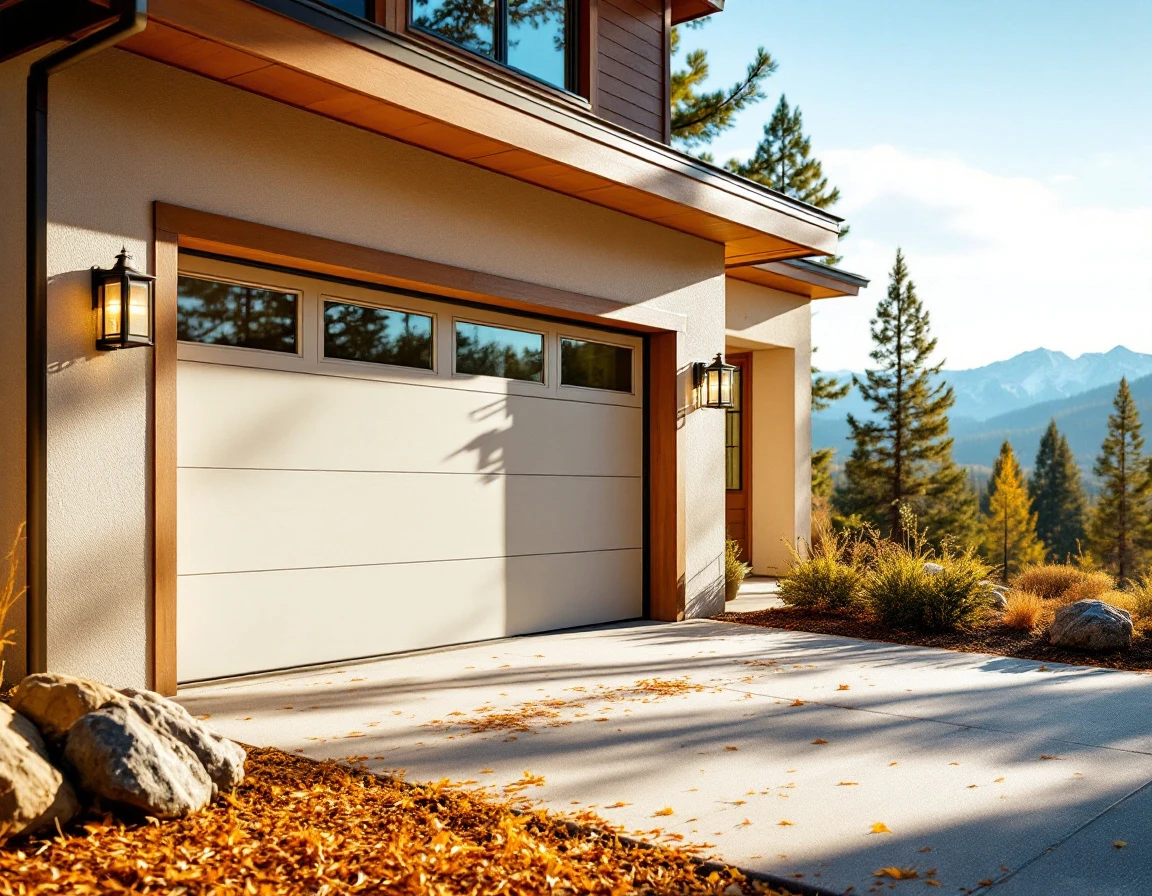
Task 1: Clean & Inspect Tracks & Rollers
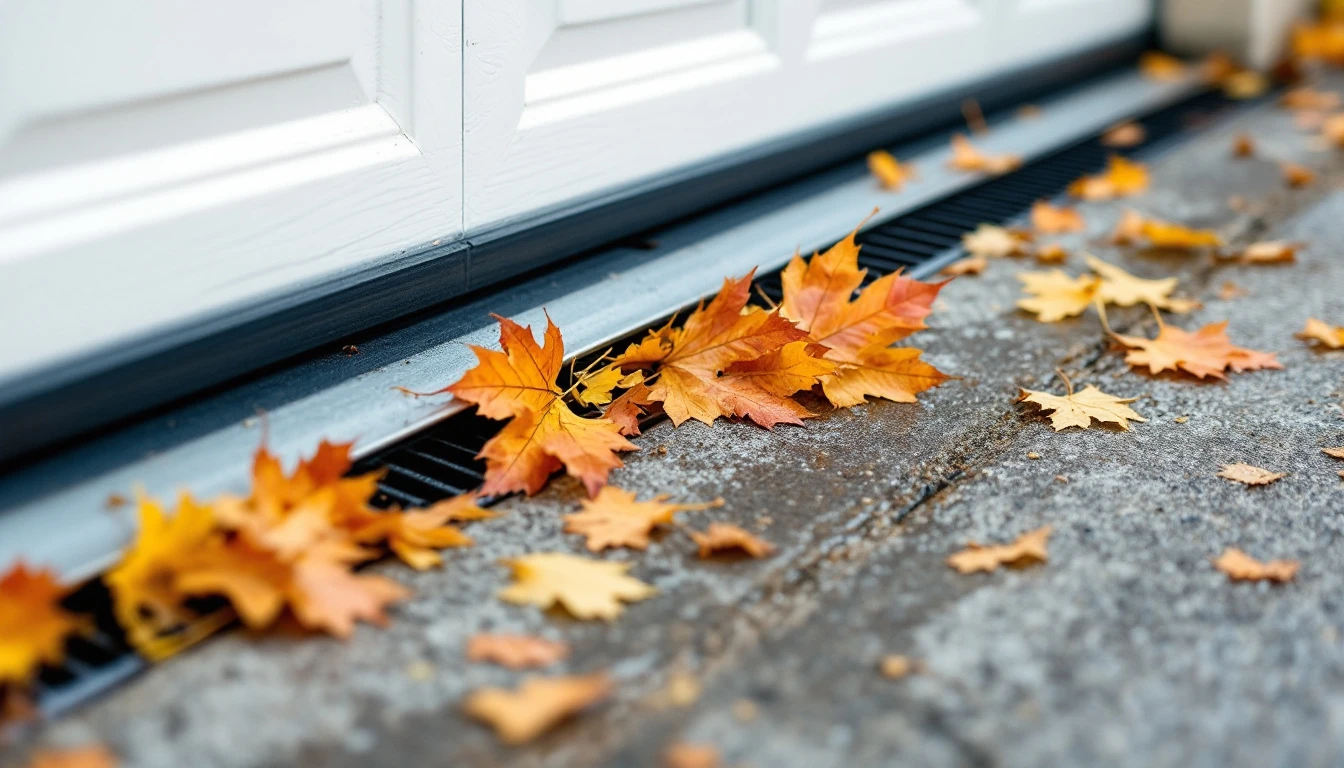
Start with the easiest but most critical task: cleaning your garage door tracks and rollers. During fall in Central Oregon, leaves, dirt, and moisture accumulate in the metal tracks that guide your door. When winter temperatures plunge below freezing, this debris traps water that freezes solid, causing your door to stick, derail, or refuse to open when you return in spring.
Begin with a visual inspection. Look closely at both vertical tracks for bends, dents, or misalignment. Check each roller for cracks, flat spots, or visible corrosion. These issues worsen during freeze-thaw cycles when moisture expands and contracts inside damaged components.
Next, use a stiff brush to remove all debris from the tracks, paying special attention to corners where moisture collects. Follow with a dry cloth to eliminate any remaining dampness—this step prevents ice formation during your months away. The entire process takes 20 to 30 minutes and costs nothing if you’re using household tools you already own.
Task 2: Lubricate Moving Parts
Standard garage door lubricants turn into a liability when central Oregon temperatures plunge below freezing. Petroleum-based oils and greases thicken into sludge or freeze solid, creating the exact problem they’re meant to prevent. Your garage door’s moving parts seize up, and what should be a smooth opening motion becomes impossible. You’ll return in spring to find a door that won’t budge, trapped by its own maintenance products.
The fix is simple: use cold-weather silicone or synthetic lubricant rated for sub-zero temperatures. These specialized products stay fluid even when the thermometer drops well below freezing. You’ll find them at most hardware stores for $10–15 per can, and one can typically handles the entire job.
Apply lubricant to springs, hinges, rollers, and the track seam where the rollers make contact. A light coating is all you need—over-lubricating attracts dirt and creates its own problems. Give each hinge two quick sprays, coat each spring coil, and hit each roller bearing. Allow 10 minutes for the product to penetrate before testing the door. Total time investment: 15–20 minutes that prevent frozen mechanisms all winter long.
Task 3: Check & Adjust Door Balance
Before you close up for winter, spend five minutes testing your garage door’s balance—it’s a quick diagnostic that can prevent expensive repairs down the road. Disconnect the opener and manually raise the door to waist height, then let go. A properly balanced door stays put. If it drops or rises on its own, your door is out of balance.
Why does balance matter before winter? Central Oregon’s temperature swings cause springs and hardware to shift and contract. Springs that are already weakening lose tension faster during months of cold and disuse, throwing the door further out of balance while your home sits empty. An unbalanced door strains your opener when you return in spring, accelerating wear on both the motor and the springs themselves.
If your door fails the balance test, professional adjustment typically costs $150–300 but saves you from opener failure or snapped springs later. Contact Garage Harmony today for a pre-closure inspection.
Task 4: Seal Weather Stripping & Gaps
When worn weather stripping and frame gaps go unaddressed, water and ice find their way into your garage door system throughout winter. The result? Frozen door panels, corroded hardware, compromised insulation, and that frustrating scenario where ice builds up along the bottom seal and physically prevents the door from opening when you return in spring.
Before closing up your seasonal home, conduct a thorough visual inspection. Look for cracked, hardened, or missing rubber strips along the bottom seal and both sides of the door. Check the frame edges where the door meets the jamb—any gaps here become moisture highways during freeze-thaw cycles.
The fix is simple and affordable. Replace damaged rubber seals with a replacement kit from your local hardware store (typically $10–15) and apply weatherproof caulk to any gaps around the frame ($5–10). This repair takes just 30–45 minutes but pays dividends by keeping mechanisms dry during months of storage and preventing spring water damage when snow melts and refreezes repeatedly along your door’s vulnerable edges.
Task 5: Test & Maintain the Opener
Here’s the quickest task on your winterization checklist—and the one with the highest impact. Opener batteries drain over winter months even when the system sits idle. Come spring, low batteries leave you locked out of your garage, unable to access your seasonal home when you return.
Before you close up, press the remote to confirm it works. Check that the opener light activates and listen for normal motor sounds. If the remote doesn’t respond or the opener hesitates, replace the batteries now—they’re an inexpensive fix and take just a few minutes to swap out.
Nothing is worse than arriving at your Sunriver or Bend property in spring with arms full of supplies, only to discover the opener won’t respond. Replace those batteries before you leave, and you’ll avoid this frustrating scenario entirely. If battery replacement doesn’t solve the issue, your opener may need reprogramming—contact us today for guidance on restoring proper function before winter arrives.
When to Call a Professional
You’ve completed your winterization checklist, but what if you spotted problems along the way? Some garage door issues fall outside the DIY category and demand professional attention before you close up for the season. Knowing where to draw that line protects both your safety and your wallet.
If your door failed the balance test, call a technician immediately. Springs that won’t stay quiet after lubrication, springs with visible gaps or rust, bent tracks that resist hand-straightening, panels with significant damage or corrosion, or remotes that don’t respond even after fresh batteries—these are all red flags that require professional repair. Never attempt spring replacement yourself. Garage door springs operate under extreme tension capable of causing serious injury or death. This isn’t DIY territory.
Professional spring replacement represents a meaningful investment in your door’s longevity, while a pre-closure inspection costs far less and pays dividends by catching small issues before they escalate into emergency repairs. Returning to a frozen, inoperable door in spring often forces you into costly emergency service calls and extensive damage restoration that could have been prevented.
Schedule your professional inspection by late September if you noticed any warning signs during your checklist. Addressing problems now, while contractors have availability and you’re still on-site, beats scrambling for help when you arrive next spring to find your garage door completely disabled.
August-September Action Timeline for Winter Garage Door Maintenance Central Oregon
You’ve learned the five winterization tasks. Now let’s tie them to your actual closure schedule so you know exactly when to act. Break your garage door prep into three distinct phases: Early August, Mid-August, and Late August through Early September.
- Early August (by August 15): Complete all five maintenance tasks yourself—clean tracks, apply cold-weather lubricant, test door balance, replace weather stripping, and verify opener function. These five tasks take under three hours total and cost less than $50. Finish them before mid-month so you have time for professional help if needed.
- Mid-August (August 16–31): If your balance test failed or you spotted damaged springs or bent tracks, schedule professional inspection now. Repairs take one to two weeks from call to completion, so book early. Don’t wait until Labor Day weekend when service providers are slammed.
- Late August–Early September (final week before closure): Walk through your garage one last time. Open and close the door manually to confirm smooth operation. Before you leave the property, lock the garage door manually using the interior slide lock or T-handle. Verify it stays locked. This simple step prevents wind damage and keeps your door secure all winter.
Acting now prevents spring emergencies. You don’t want to return in April to a stuck, unusable door. For vacation home owners in Sunriver, specialized vacation home maintenance plans can provide peace of mind throughout the off-season. Following seasonal maintenance best practices helps you prepare garage doors for seasonal closure with confidence, and understanding how seasonal weather affects garage door performance helps you anticipate problems before they occur. Research shows that proactive seasonal maintenance can reduce repair frequency when small issues are addressed early.