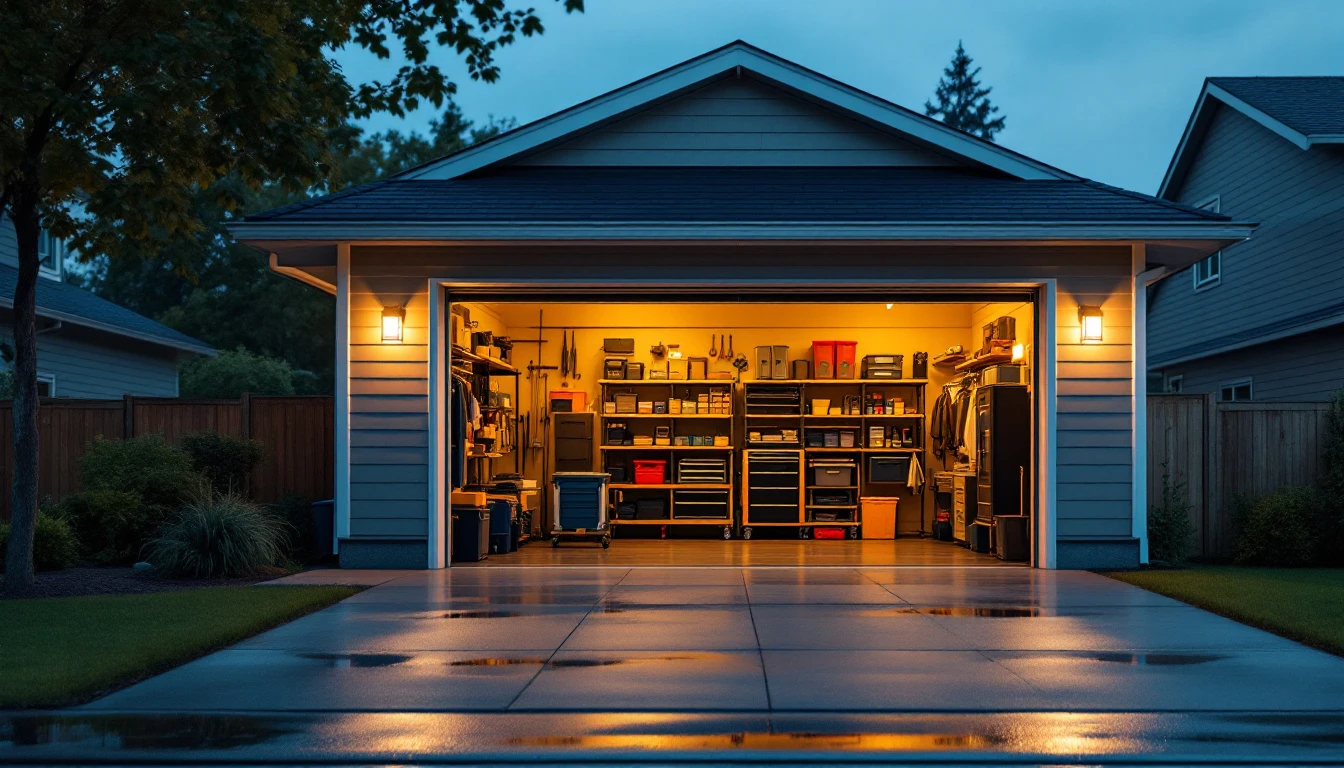
Summer Heat Damage Risk
Summer heat wreaks havoc on garage doors through material expansion and structural stress. Metal components expand in high temperatures, throwing tracks out of alignment and placing extra strain on springs. Wooden doors warp and crack under prolonged sun exposure, while rubber seals dry out and lose their protective seal. These issues compound throughout the season, with August representing the peak damage period. Understanding summer garage door damage helps you catch problems before they escalate into expensive repairs.
Why does timing matter? Early detection prevents expensive September emergency repairs when fall weather changes trigger a breakdown spike. Garage doors stressed by summer heat often fail during the first cold snap, and that’s when repair companies face their busiest season. Homeowners who wait face higher costs and scheduling delays that can stretch days or even weeks. A quick inspection now catches problems while they’re still manageable.
Five Essential Checks for Summer Garage Door Damage
Before fall weather arrives, walk through these five inspection categories to catch potential failures early. Each check takes just a few minutes and can reveal problems that would otherwise trigger emergency calls when temperatures drop.
- Springs, cables, and hardware: Look closely at the torsion springs above your door for rust, gaps in the coils, or any sign of fraying where the cable attaches. Listen for unusual squeaking or grinding when the door moves. If you see broken strands in cables or hardware that’s pulled away from the mounting surface, call a professional immediately—spring and cable work requires specialized tools and poses serious safety risks.
- Door balance and movement: Disconnect the opener and manually lift your door halfway. It should stay in place without drifting up or down. If it drops or rises on its own, the spring tension needs adjustment. Watch the door travel along the tracks—does it bind or hesitate at any point? Misalignment now will only worsen when cold weather contracts the metal components.
- Weather stripping and seals: Run your hand along the bottom seal and perimeter strips, checking for cracks, tears, or sections that have pulled loose. Damaged seals allow moisture intrusion during fall rains, leading to rust and wood rot that compromise door function. Replace any weatherstripping that’s hardened or lost its flexibility.
- Opener and safety sensors: Test the auto-reverse by placing a 2×4 flat under the door as it closes. The door should reverse immediately on contact. Wave an object between the sensors near the floor—the door should stop and reverse. Faulty safety features create liability issues and risk injury, requiring immediate professional attention.
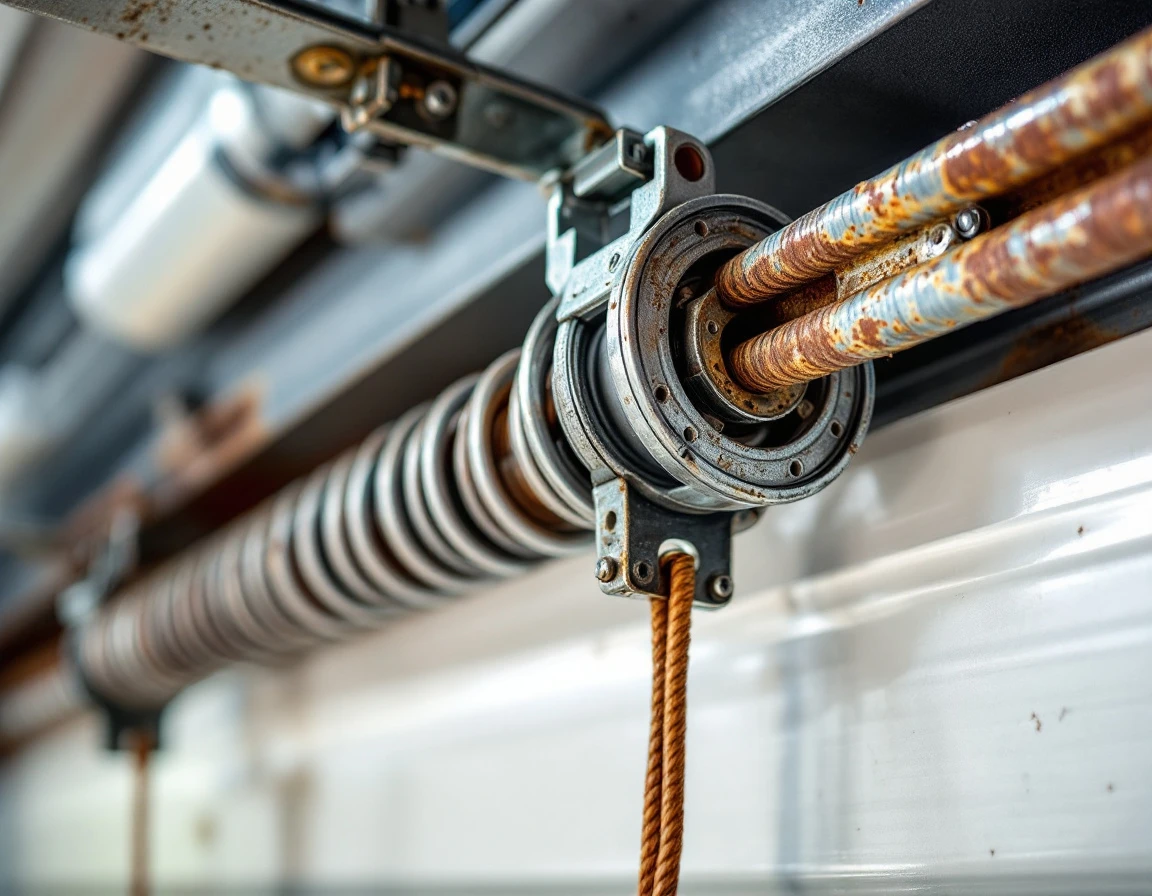
Visual Spring & Cable Inspection
Your springs and cables bear the full weight of your garage door—often hundreds of pounds—making them the most safety-critical components to inspect. Start by examining the tightly coiled springs above your door. Normal wear appears as slight surface dust or minor discoloration, but watch for rust bloom spreading across coils, visible gaps between windings, or stress marks where metal appears stretched or deformed.
Next, trace each cable from the bottom corner brackets up through the pulleys. Are the steel strands intact and taut, or do you see fraying fibers, slack loops, or corrosion at attachment points? During a manual test cycle, listen closely for unusual creaking, popping, or grinding sounds that signal internal stress.
Red flag threshold: Any visible gap in spring coils, separated cable strands, or slack requires immediate professional attention before operating the door again. Spring and cable failures happen suddenly and pose serious injury risks.
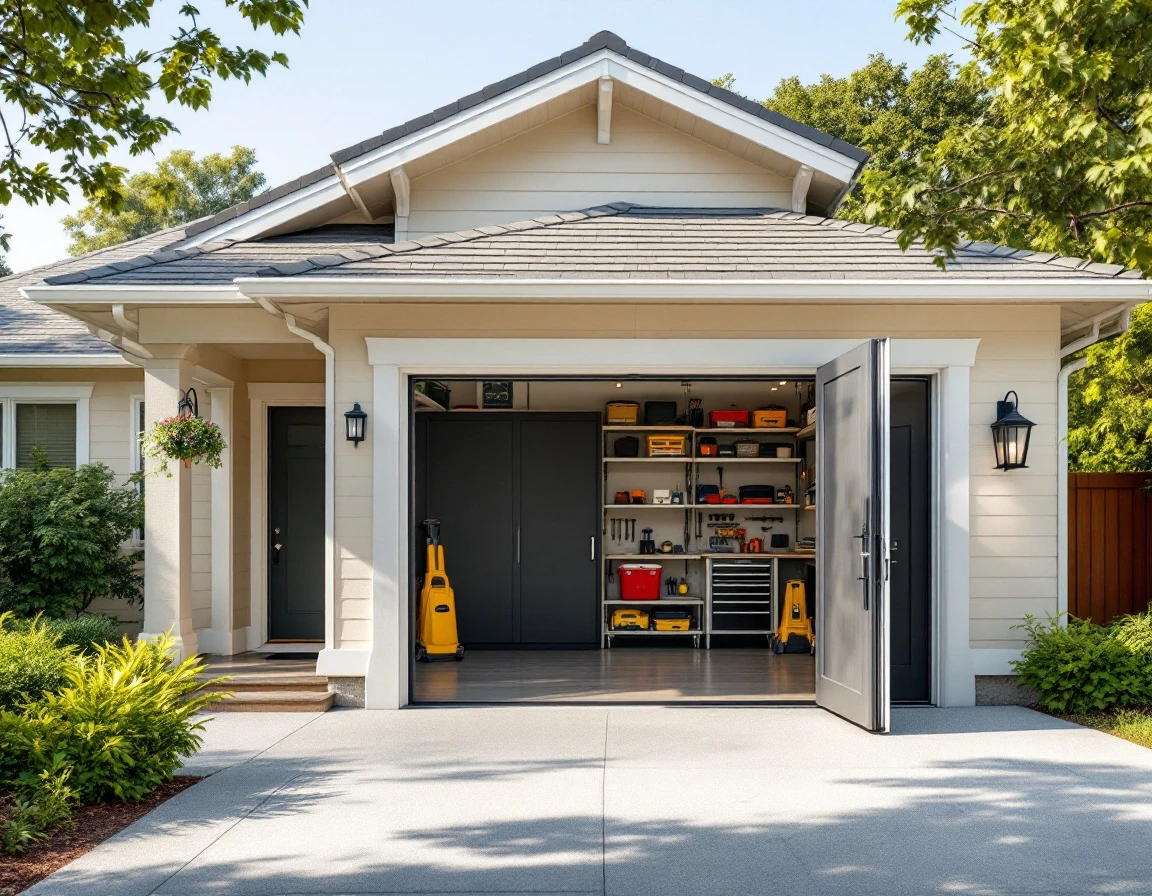
Door Balance & Movement Test
Ready to check your door’s balance? Start by pulling the release cord to disconnect the opener, then manually lift the door halfway. A properly balanced door should stay in place without drifting up or down, and the movement should feel smooth and effortless. If you notice binding, jerking, or the door won’t hold position, you’re likely dealing with misaligned tracks or worn springs.
Why does this matter now? Temperature swings between warm August days and cool fall nights cause metal components to expand and contract, making existing balance problems worse. Summer garage door damage from heat stress forces your opener to work harder, straining the motor and throwing off safety sensor calibration. Both repairs are expensive and typically happen right when service demand peaks in autumn.
Safety note: Never leave a partially open door unattended during this test. Always lower it completely when finished.
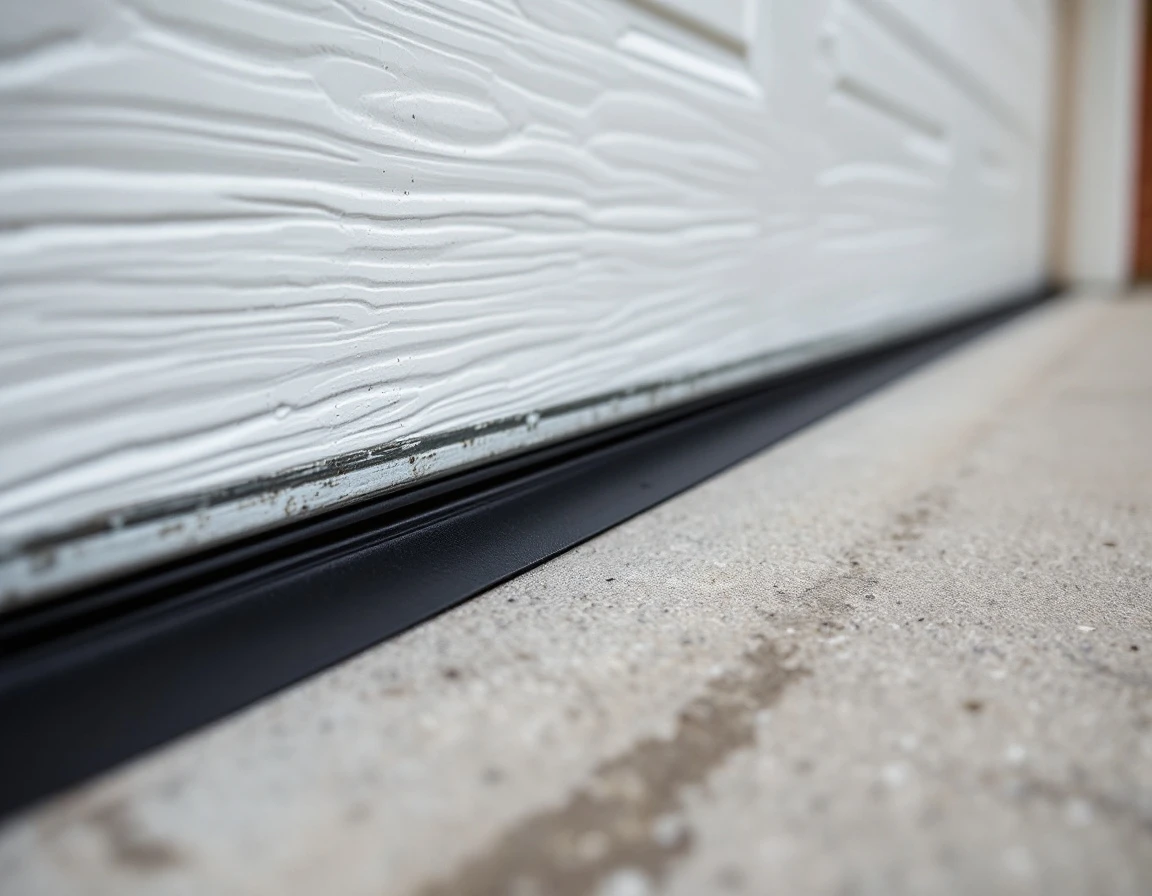
Weather Stripping & Seal Check
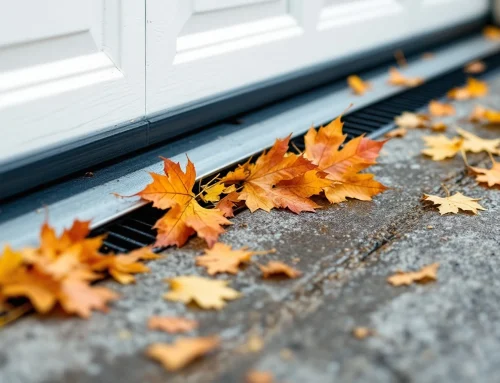
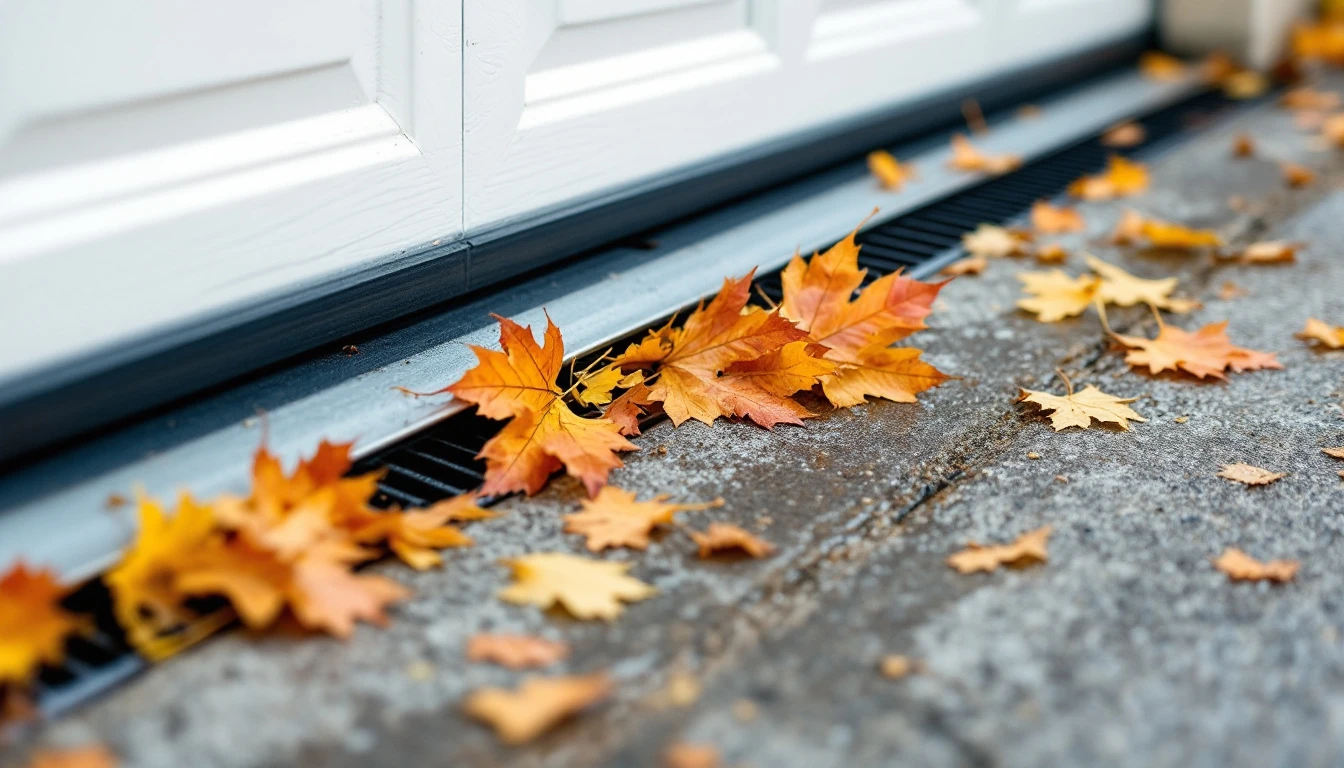
Your garage door’s weather stripping acts as the first line of defense against fall moisture. Inspect the bottom seal and side weather stripping carefully, looking for gaps between the seal and frame, hardened or cracked rubber, peeling adhesive, or daylight visible around the edges. Summer heat accelerates rubber deterioration, making August your last safe window to address these issues before September rains arrive.
Why does this matter? Poor seals invite moisture infiltration that causes rust on springs and tracks, mold growth on walls, and even structural damage to wooden frames—all expensive emergency repairs when discovered mid-autumn. Replacement weather stripping typically costs between $20 and $50 and installs easily with adhesive backing for most DIY homeowners. However, if you notice significant frame damage or multiple seal failures, contact our team for a professional assessment before fall weather arrives.
Opener Function & Sensor Verification
Your garage door opener and safety sensors work hardest during fall and winter, making late-summer testing critical. Run a complete cycle and listen carefully—healthy operation sounds smooth and quiet, with minimal motor noise. Grinding, squealing, or rhythmic clicking indicates lubrication issues or mechanical wear that needs professional attention before the cold arrives.
Testing your safety sensors takes just seconds and could prevent a dangerous failure. While the door closes, place an object in the sensor beam’s path. The door should immediately reverse direction. If it doesn’t, you have a safety hazard that requires immediate professional repair—sensor failures are the top reason for emergency service calls during peak season.
Why does this matter now? September service calls cost more and involve longer wait times as demand spikes. Catching sensor problems during your August maintenance gives you control over timing and budget.
When to Call a Professional
Some garage door issues are clear-cut: never attempt DIY repairs on springs or cables. These components store extreme tension and can cause serious injury if mishandled. If you spotted rust bloom, fraying, gaps, or slack during your inspection, stop operating the door and call Garage Harmony immediately.
Misaligned tracks, balance problems, or unusual opener noises also need expert diagnosis. While you can identify these issues yourself, fixing them requires specialized tools and knowledge. What sounds like a simple adjustment often signals deeper mechanical problems that worsen quickly without professional attention.
Here’s the scheduling advantage: calling in August avoids September’s emergency rates and multi-week wait times. A $150 inspection today prevents $800+ emergency repairs when your door fails during peak fall demand. Contact your local Garage Harmony team now to schedule preventive maintenance before the rush begins.