

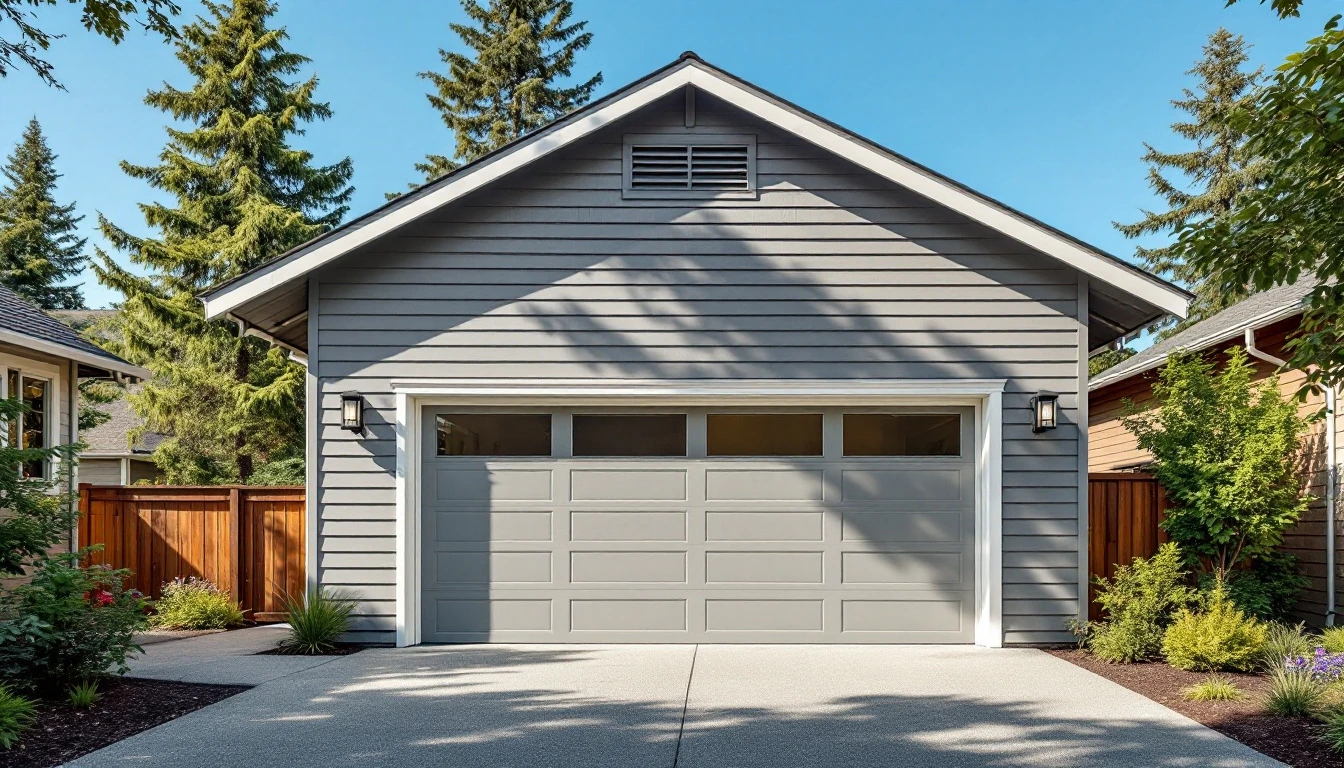
Why Summer Heat Defeats Portland Garages
Portland’s reputation for rain and mild weather masks a stubborn summer reality: garages routinely climb past 95°F during July and August heat waves. Functional workshops and storage spaces become too hot to use. Even when outdoor temperatures hover in the comfortable 80s, your garage becomes a heat trap that won’t cool down.
Why does this happen? Enclosed garage design works against natural cooling. Most garages lack windows, cross-ventilation, and proper insulation. Heat accumulates throughout the day with nowhere to escape. Dark roofing materials and concrete floors absorb solar energy, radiating warmth long after sunset. Without active air movement, that trapped heat lingers for hours.
Pacific Northwest humidity adds another problem. Stagnant, moisture-laden air makes the space feel hotter. It accelerates corrosion on tools, damages stored items, and creates condensation issues. Heat and humidity together make your garage uncomfortable and hard on your belongings.
The result? You can’t use your garage for summer projects or seasonal gear precisely when you need it most.
Three Proven Ventilation Systems
Portland homeowners have three solid ventilation approaches to choose from, each with distinct advantages:
- Mechanical exhaust fans actively pull hot air out of your garage, clearing temperatures in 20-30 minute cycles when conditions peak.
- Natural ventilation takes a passive approach, using strategic door and window placement to create airflow without any powered equipment.
- Hybrid systems combine mechanical and natural approaches, giving you maximum flexibility to respond to changing conditions throughout the day.
Which system works best for your garage? That depends on your specific situation. Budget constraints matter—natural ventilation costs less upfront than mechanical systems. Your existing garage infrastructure plays a role too, since adding windows or vents may require structural modifications. User expectations also factor in: do you need quick temperature drops for evening projects, or gentle all-day cooling?
There’s no universal solution here. The right choice aligns with how you use your space, what your garage can accommodate, and what you’re willing to invest.
Mechanical Exhaust Fans
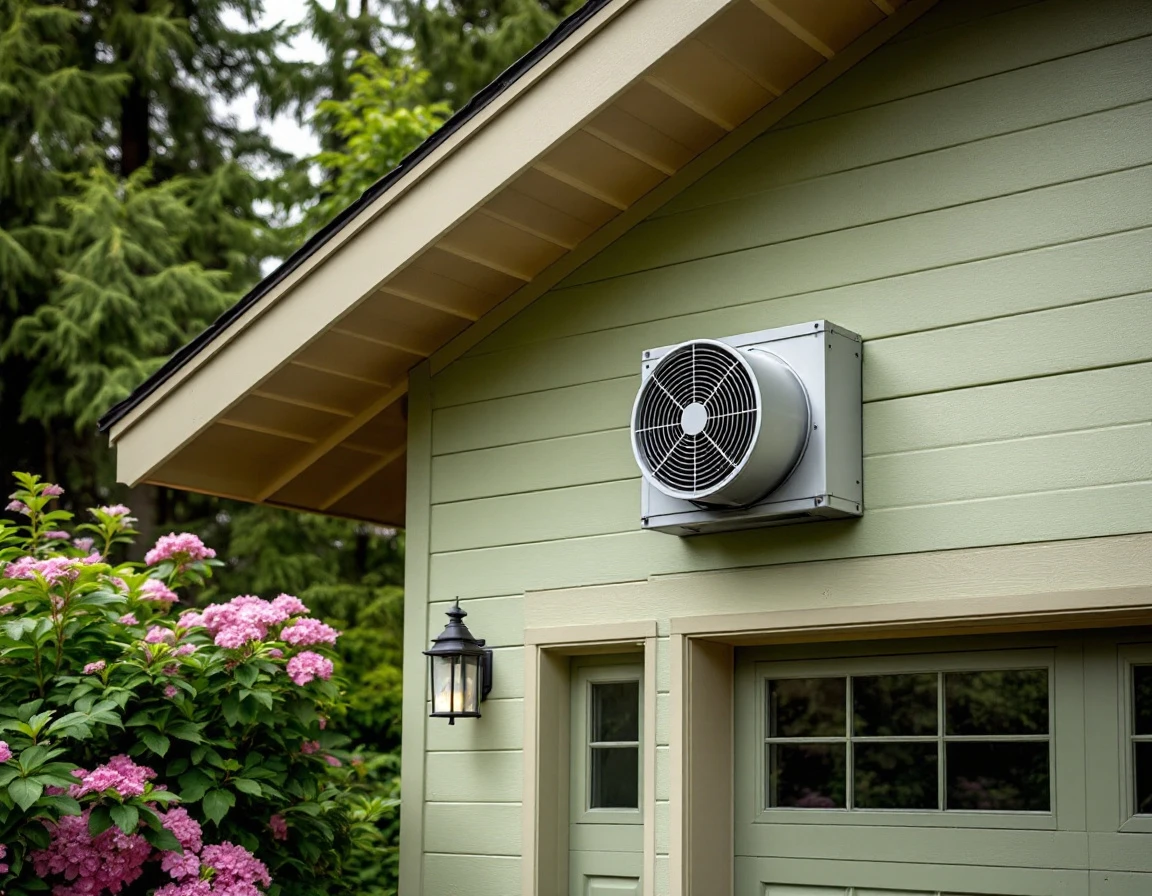
When passive airflow isn’t enough to handle Portland’s August heat spikes, mechanical exhaust fans offer the most aggressive cooling solution available. These powered systems actively pull hot air out of your garage, creating negative pressure that draws cooler air in through door vents or other openings. Wall-mounted or roof-mounted fans cycle the entire volume of air in your garage every 20-30 minutes, making them ideal for homeowners who need reliable temperature control during peak heat.
Installation costs vary based on your garage’s existing infrastructure. Basic wall-mounted units with simple ductwork represent the most economical approach, while roof-mounted systems requiring attic access or complex venting command premium pricing. Most units require 240V power, so you may need electrical upgrades if your garage only has standard 120V outlets—factor this into your planning conversations with contractors.
Under real-world conditions, mechanical exhaust can reduce garage temperatures by 10 to 15 degrees during peak August heat. Pairing your fan with a thermostat-controlled switch means it runs only when temperatures cross your threshold, avoiding unnecessary energy use during cooler mornings or when marine layer clouds roll through. Noise levels vary by model, but expect moderate operational sound—similar to a bathroom exhaust fan running continuously during active cooling cycles.
For Pacific Northwest homes with high humidity concerns, mechanical ventilation helps move moisture-laden air out before condensation becomes a problem. This dual benefit makes exhaust fans particularly valuable for garages housing tools, equipment, or vehicles that suffer from rust in damp conditions.
Natural Ventilation Strategies
Natural ventilation offers the most budget-friendly approach to garage cooling. This method relies on strategic openings to create passive airflow—no motors, no electricity bills, just physics and patience. Opening your garage door during cooler morning and evening hours, paired with high-mounted and low-mounted windows, establishes a cross-draft that pulls fresh air through the space while pushing hot air out through upper vents.
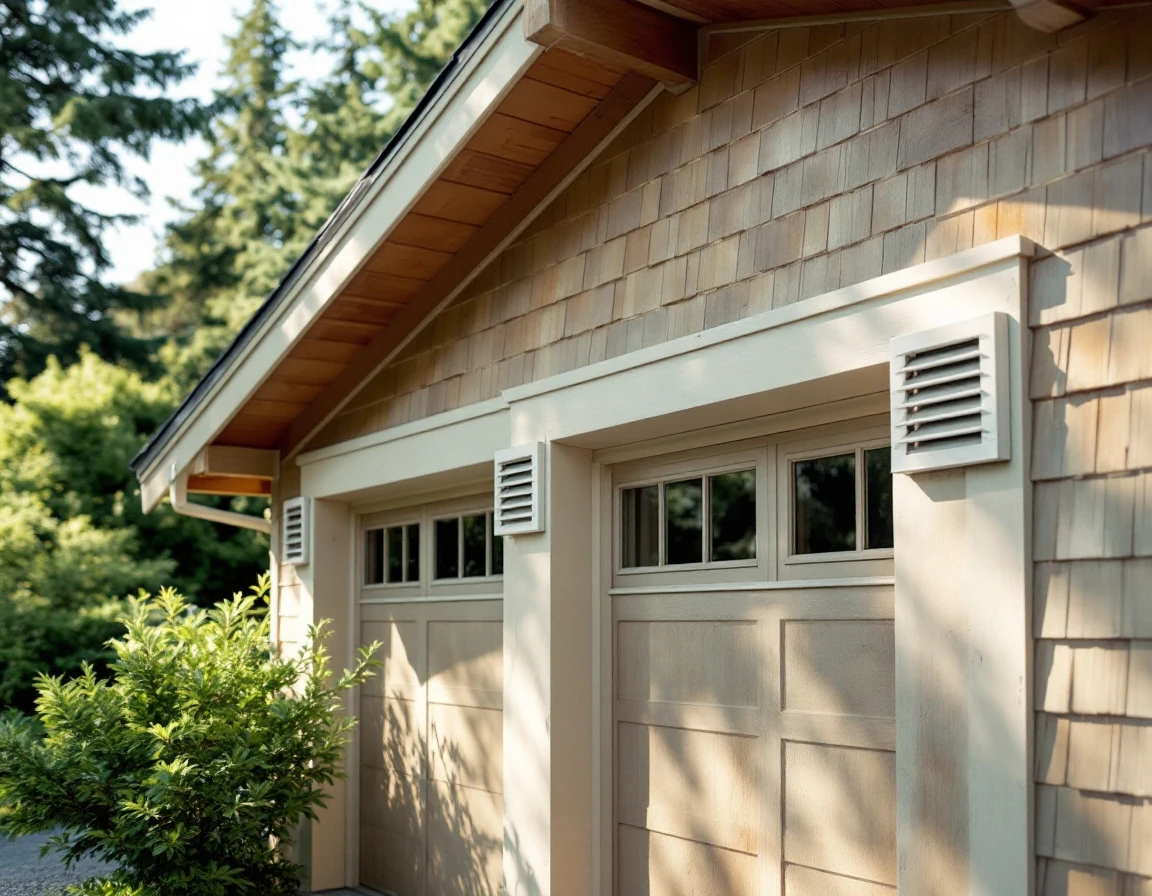
The upfront investment ranges from absolutely nothing if you already have operable windows to modest costs for installing louvre vents, ridge vents, or smart door vents that automate airflow management. Louvre vents mount on walls and provide adjustable directional control, while ridge vents installed along the garage roofline create continuous passive exhaust. Solar-powered roof vents add gentle mechanical assistance without electrical hookups, making them ideal for detached garages.
Here’s the honest truth: natural ventilation works beautifully when Pacific Northwest breezes cooperate, especially during morning hours before heat builds. But when August afternoons arrive and the air goes stagnant between 2–6 PM, passive airflow simply stalls. This makes natural ventilation perfect for homeowners who use garages for occasional storage and weekend projects rather than daily workshops. You’ll need to manually manage door schedules or invest in smart vent controllers that respond to temperature triggers, requiring more hands-on involvement than set-and-forget mechanical systems.
Hybrid Systems: Best of Both Worlds
Hybrid systems combine natural ventilation with mechanical exhaust fans, creating a flexible cooling strategy perfectly suited to Portland’s unpredictable summer patterns. Cool mornings and evenings rely on passive airflow through windows and vents, while a thermostat-controlled fan kicks in automatically during the brutal afternoon heat—typically that 2–6pm window when temperatures spike.
This approach addresses the PNW’s unique challenge: mornings that might start at 65°F but afternoons that soar past 95°F. Instead of choosing between passive cooling that fails during peak heat or 24/7 mechanical operation that wastes energy, hybrid systems adapt to real-time conditions. When natural ventilation can’t keep up, the fan engages. When temperatures drop, it shuts off.
Installation typically runs $600–$1,500 depending on fan capacity and thermostat features. The payoff? Real-world testing shows hybrid setups can drop garage temperatures 15–18°F during peak afternoon heat while avoiding continuous fan operation. You get the energy efficiency of passive cooling when conditions allow, backed by mechanical reliability when August delivers its worst.
This maximum-flexibility approach works especially well for Portland homeowners who use their garages daily but don’t want to manage manual ventilation or pay for constant fan runtime. Set your thermostat threshold once, then let the system handle the rest.
Installation Timeline and Logistics
How long will your ventilation upgrade actually take? That depends on which system you choose and your garage’s existing setup.
Mechanical exhaust fans typically require four to eight hours for a complete installation. The timeline stretches when ductwork needs routing through walls or roofing, or when your electrical panel requires upgrades to handle the load. Most Portland garages built before 2000 will need at least a circuit assessment before fan installation begins. Does your garage share a wall with living space? Expect the longer end of that range as installers navigate insulation and structural considerations.
Natural ventilation upgrades move much faster. Installing louvres, ridge vents, or additional windows can be a weekend DIY project for handy homeowners, or a one-to-two-hour job when handled by professionals. The catch? Code compliance matters. Oregon building codes govern opening sizes and placement, so verify requirements before cutting into walls or roofing.
Hybrid systems demand professional assessment and installation—plan on one to two days from evaluation to completion. The electrical work, thermostat integration, and automation components aren’t DIY territory for most homeowners.
Here’s the August reality: contractors’ calendars fill fast as homeowners scramble to beat September heat waves. Schedule your installation early in August or sooner to avoid waiting lists. Planning now means comfortable garage space when you need it most.
Choosing Your System: Key Decision Points
How do you match your garage situation to the right ventilation approach? Start by asking a few practical questions about how you actually use the space. Do you spend hours in your garage working on projects, repairing equipment, or maintaining vehicles? That active workshop pattern demands reliable cooling—mechanical or hybrid systems deliver consistent performance when you need it most. If you primarily use your garage for seasonal storage and occasional access, natural ventilation may handle your needs without added complexity or electrical work.
Budget constraints shape your options in predictable ways. Natural venting through basic louvres or window modifications requires minimal investment and offers immediate relief. Mechanical exhaust fans provide active cooling without straining your budget, while hybrid systems deliver the best long-term value by minimizing future upgrades and reducing energy waste during variable PNW weather patterns.
Your garage configuration matters more than you might expect. Detached garages often offer easier mechanical fan installation with fewer electrical hurdles, while attached garages may require additional permits or careful fan placement to avoid drawing conditioned air from your home. Planning to stay in your house for five or more years? Hybrid systems pay dividends by adapting to changing needs and maximizing resale appeal. Our complete guide to garage ventilation explores these installation considerations in greater detail.
Any of these three approaches beats doing nothing when Portland’s August temperatures climb past 95°F. Even modest airflow improvements transform an unusable sauna into a functional space.
Our team at Garage Harmony can help you assess your specific needs and recommend the right system for your space. Contact us to schedule a consultation before next summer’s heat arrives.




Leave A Comment