Why Portland Garages Overheat in Summer
Have you noticed your garage becoming an oven between June and September? You’re not alone. Portland-area garages face a unique summer challenge: the region’s humid climate traps heat inside enclosed spaces, creating conditions that make your garage unusable for months at a time.
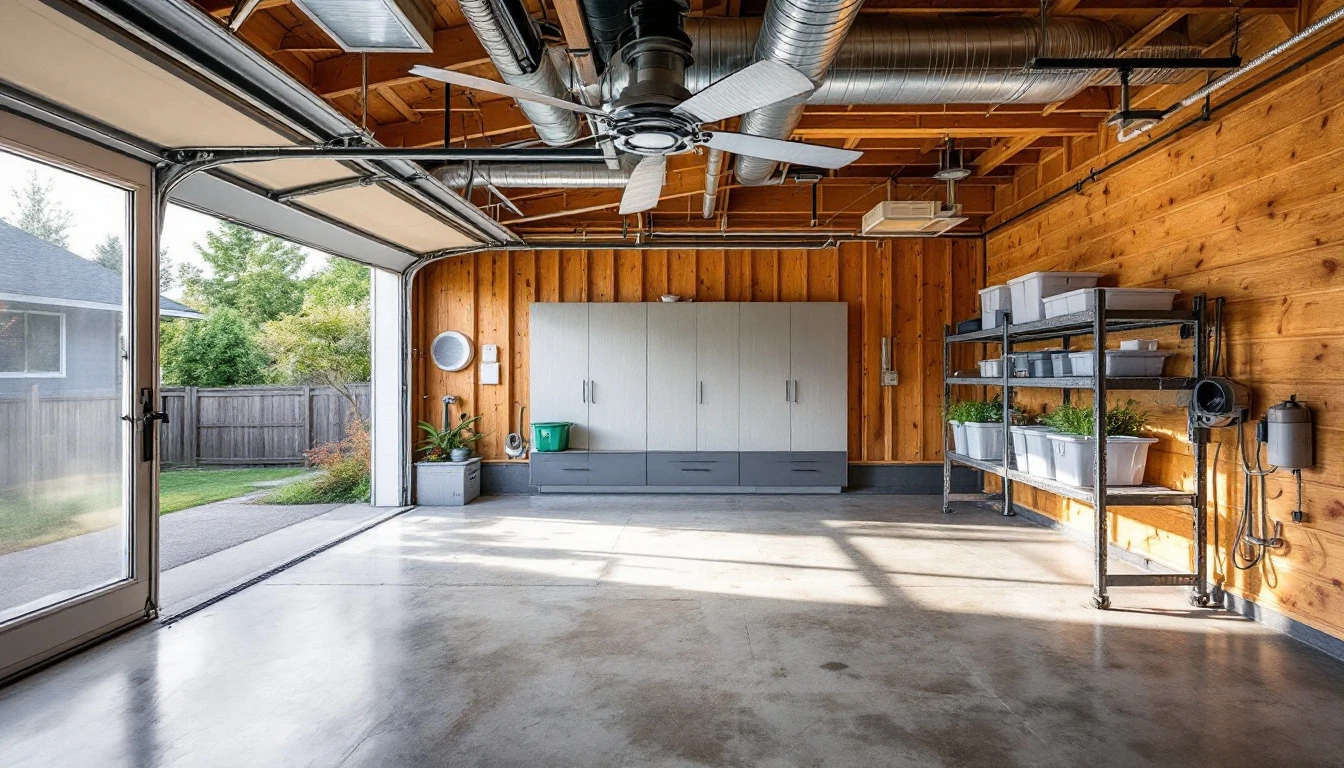
Without proper ventilation, garages routinely reach internal temperatures exceeding 120°F during warm summer days. The Pacific Northwest’s combination of high humidity and extended daylight hours creates a perfect storm. Heat radiates down from your roof, especially if you have dark shingles or metal roofing. That heat has nowhere to go because most garages lack the air circulation found inside your home.
The stagnant air doesn’t just feel uncomfortable—it creates real problems.
Moisture builds up from humidity, condensation, and trapped air, leading to rust on tools, corrosion on vehicles, and damage to anything stored inside.
Paint cans warp. Electronics fail. Wooden items crack and split.
Standard air conditioning isn’t practical for garage spaces. The cost to cool an uninsulated, poorly sealed garage would be astronomical, and most electrical systems aren’t built to support it. That’s where ventilation becomes the region-appropriate solution. By moving air through your garage, you can drop temperatures, reduce moisture buildup, and reclaim hundreds of square feet of usable space.
Five Ventilation Strategies Ranked by PNW Climate
Which ventilation method actually delivers results in Portland’s unique combination of summer heat and persistent humidity? Not all approaches work equally well when you’re dealing with 90-degree days that trap moisture instead of evaporating it. Here’s how five common strategies stack up for Pacific Northwest garages, ranked from least to most effective.
5. Natural Cross-Ventilation: Inconsistent and Weather-Dependent
Opening windows and doors on opposite sides of your garage sounds simple, but it relies entirely on outdoor conditions. On calm days—common throughout Portland summers—you’ll get minimal airflow. This passive approach costs nothing beyond existing openings, but it doesn’t actively pull out humidity or hot air. It works best as a supplement to other methods rather than a standalone solution.
4. Soffit Venting: Good for Heat, Poor for Moisture
Installing soffit vents along your garage eaves allows hot air to escape through natural convection. While soffit venting reduces ceiling-level temperatures, it doesn’t create enough air movement to tackle the humidity that lingers in Portland garages. The passive design means you’re relying on temperature differentials rather than forcing air exchange—a limitation in our mild climate where those differentials can be modest.
3. Attic Exhaust Fans: Moderate Performance for Attached Garages
If your garage shares attic space with your home, a roof-mounted or gable exhaust fan pulls hot air out of the upper zone. Installation requires hiring an electrician and cutting roof penetration, making it a moderately involved home improvement project. These fans excel at removing accumulated heat but don’t directly address air circulation at ground level where you’re actually working. They represent a middle-ground option—more effective than passive venting but limited in scope.
2. Hybrid Systems: Year-Round Adaptability
Combining soffit or ridge vents with a ceiling-mounted exhaust fan gives you passive ventilation during mild weather and active air movement when temperatures spike. This dual-system approach handles both heat and humidity by creating controlled airflow paths, making it an accessible upgrade for most homeowners. You get flexibility without running fans constantly, which appeals to homeowners who want efficiency across Portland’s variable seasons.
1. Powered Garage Fans: Best ROI for Portland Conditions
Wall-mounted or ceiling-mounted exhaust fans designed specifically for garage use top the effectiveness ranking. A quality portable fan costs $150–$300, while a ceiling-mounted exhaust fan with professional installation runs $400–$800. These active systems force air exchange regardless of outdoor conditions, pulling humid air out while drawing fresh air in. They work during those muggy July afternoons when passive methods stall out. The ability to control when and how much ventilation you need makes powered fans the most reliable choice for Pacific Northwest humidity patterns.
Soffit and Attic Venting Foundations
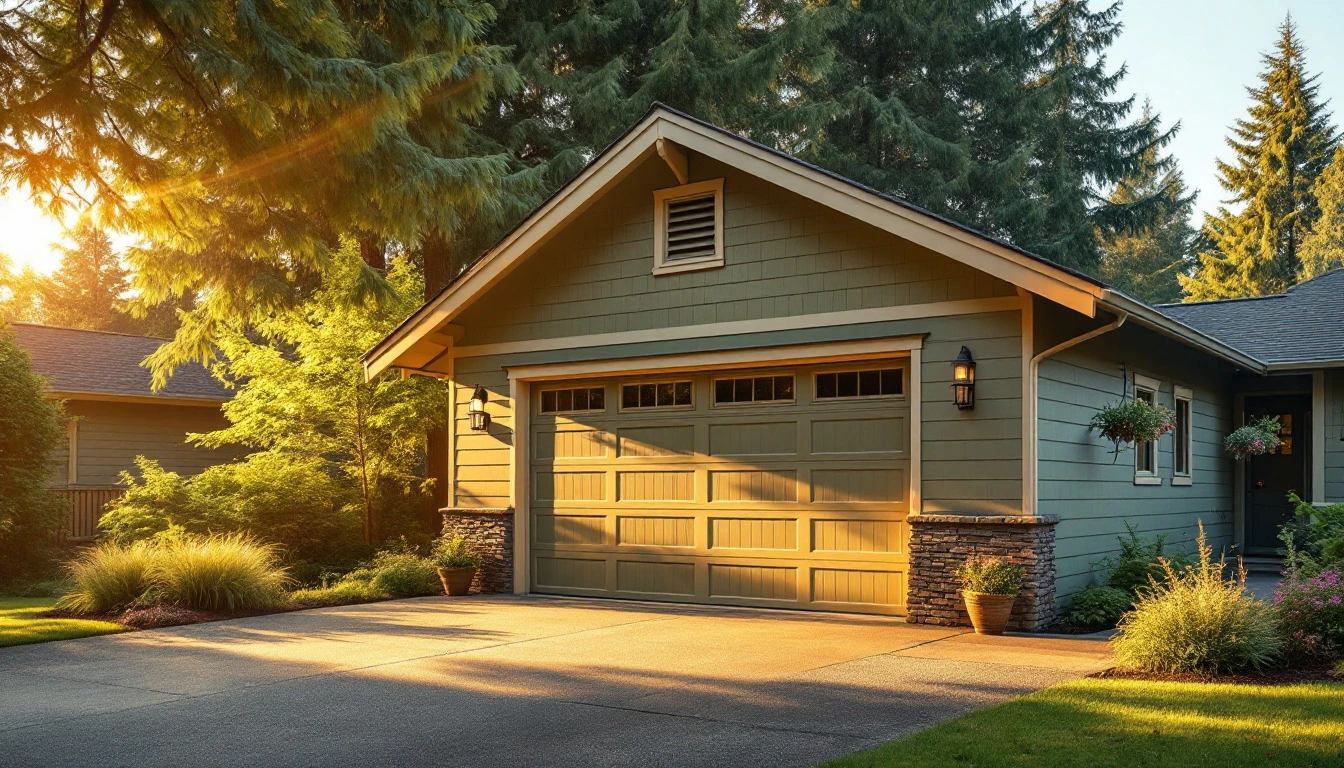
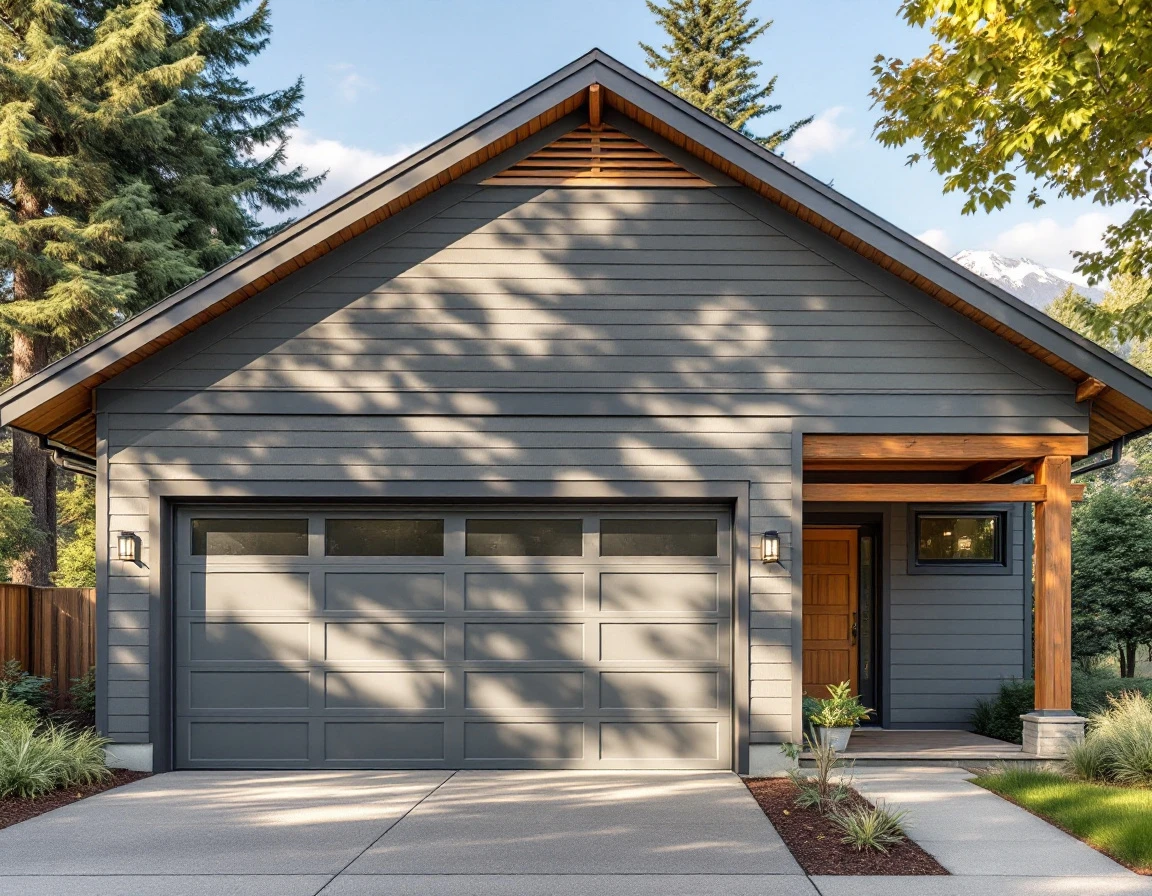
Soffit and attic ventilation relies on a passive intake-exhaust cycle: cool air enters through soffit vents installed under your garage eaves, while warm air escapes through attic vents or fans. This creates continuous airflow that pulls heat upward and out of the space. Soffit vents alone provide limited airflow without a corresponding exhaust point, which is why many Portland-area homeowners add attic exhaust fans to actively pull hot air from the garage into the attic space before expelling it outdoors.
This approach works best in detached garages with existing attic access and proper clearance between the ceiling and roof. Installation presents moderate DIY difficulty—soffit venting typically runs $200–$400. While professional attic fan installation costs $600–$1,000. However, this method faces serious limitations in the Pacific Northwest’s humid climate.
While attic fans effectively address temperature, they struggle with moisture control during Portland’s cool, damp nights when humidity lingers in enclosed spaces.
That’s why this solution often requires a complementary active ventilation strategy—like powered exhaust fans—to handle both heat and humidity throughout the day-night cycle.
Powered Fans and Active Cooling
When passive systems can’t keep up with Portland’s summer heat and humidity, powered fans deliver reliable, consistent results. Active ventilation uses electric fans to move air on demand, giving you controllable cooling that addresses both temperature and moisture—two challenges that plague Pacific Northwest garages during June through September.
Portable high-speed fans are the simplest option. These plug-and-play units run $150–$300 and require zero installation expertise. You place them in your garage, plug them in, and immediately feel the difference. They’re perfect for renters or homeowners who want instant relief without committing to permanent modifications.
For a more permanent solution, ceiling-mounted exhaust fans with ductwork cost $500–$1,200 installed in the Portland area. These hardwired systems require a licensed electrician, but they provide hands-free ventilation that activates automatically with a thermostat or humidity sensor. Unlike passive vents that depend on wind and temperature differentials, powered fans work every single time you flip the switch.
Why does active cooling outperform passive systems?
Because it doesn’t wait for ideal conditions. Box fans and exhaust systems force air movement even on still, humid days when soffit vents sit idle.
For Portland homeowners seeking the best value and fastest return on investment, powered fans deliver year after year.
Hybrid and Custom Solutions
Why choose between passive and active ventilation when you can combine them? Hybrid systems layer two or more strategies to create year-round performance and built-in redundancy. In Portland’s variable climate—where humid summer mornings give way to dry afternoons, and power outages happen during storms—combining methods addresses multiple failure modes at once.
A popular Portland setup pairs soffit intake vents with an attic exhaust fan and a portable garage fan. The passive vents work around the clock, the hardwired attic fan handles peak heat hours, and the portable unit provides spot cooling or backup during power failures. Another effective combination uses natural cross-ventilation through windows and doors alongside a ceiling-mounted exhaust fan, giving you manual control when weather permits and automatic backup when conditions shift.
Hybrid systems cost more upfront—expect to spend $1,200–$1,500 for a complete installation—but they deliver the best long-term return in Pacific Northwest garages. They work across all four seasons, not just summer. They handle humidity swings that defeat single-method systems. And they maximize your investment over five to ten years by adapting to changing conditions rather than relying on a single ventilation mode that might fail when you need it most.
DIY vs Professional Installation Guide
How do you know whether to tackle garage ventilation yourself or call in a contractor? The answer depends on the system you choose and your comfort level with electrical work.
Portable fans are completely DIY-friendly. At $150–$300, you simply plug them in, position them near windows or doors, and you’re done in 15 minutes. Box fans and window mounts require minimal setup—expect to spend $200–$400 and about an hour securing brackets and positioning units for cross-ventilation. These projects need no permits, no special tools, and no technical expertise.
Ceiling exhaust fans require electrical wiring and often need permits in Oregon. Hiring a licensed electrician costs $600–$1,200 installed, but you get code compliance, proper ventilation performance, and warranties. Soffit venting involves cutting into eaves and roofing structures—hire a contractor unless you have roofing experience. Improper installation can lead to water leaks and structural damage.
When hiring a Portland-area contractor, ask about Pacific Northwest climate experience. Do they understand humid summer conditions and how ventilation systems perform in Oregon’s weather patterns? Request references from clients who had heat and humidity problems in their garages. Verify licensing through the Oregon Construction Contractors Board (CCOB) to protect yourself from unlicensed work.
DIY portable fan setups pay for themselves within one cooling season through reduced energy bills compared to air conditioning. Professional installations cost more upfront but deliver long-term peace of mind through proper installation, compliance, and performance guarantees.
Next Steps: Choose and Install by August Peak Heat
August is peak heat month in Portland—your garage needs ventilation now, not later. Waiting until mid-summer means competing for contractor schedules during the busiest booking season, so start planning your solution today.
Begin with quick wins for immediate relief. Portable fans deliver cooling within an hour of setup—plug them in, position them near doorways or windows, and you’ll feel the difference during your next garage work session. While these provide instant comfort, use the next few weeks to evaluate whether you need a permanent solution like ceiling-mounted exhaust fans or hybrid systems.
Professional installations for hardwired exhaust fans, soffit venting, or hybrid systems take two to five days from quote to completion. If your garage is attached to your home, has accessible attic space, and you’re ready to invest $500–$1,500, book contractors now before August demand spikes. For detached garages or tighter budgets, portable and window-mounted fans offer proven results without installation complexity.
Test your chosen solution for two to three weeks to confirm it delivers the cooling and humidity control promised. Contact Garage Harmony today for Portland-metro professional installation quotes and turn your hot garage into usable summer space.