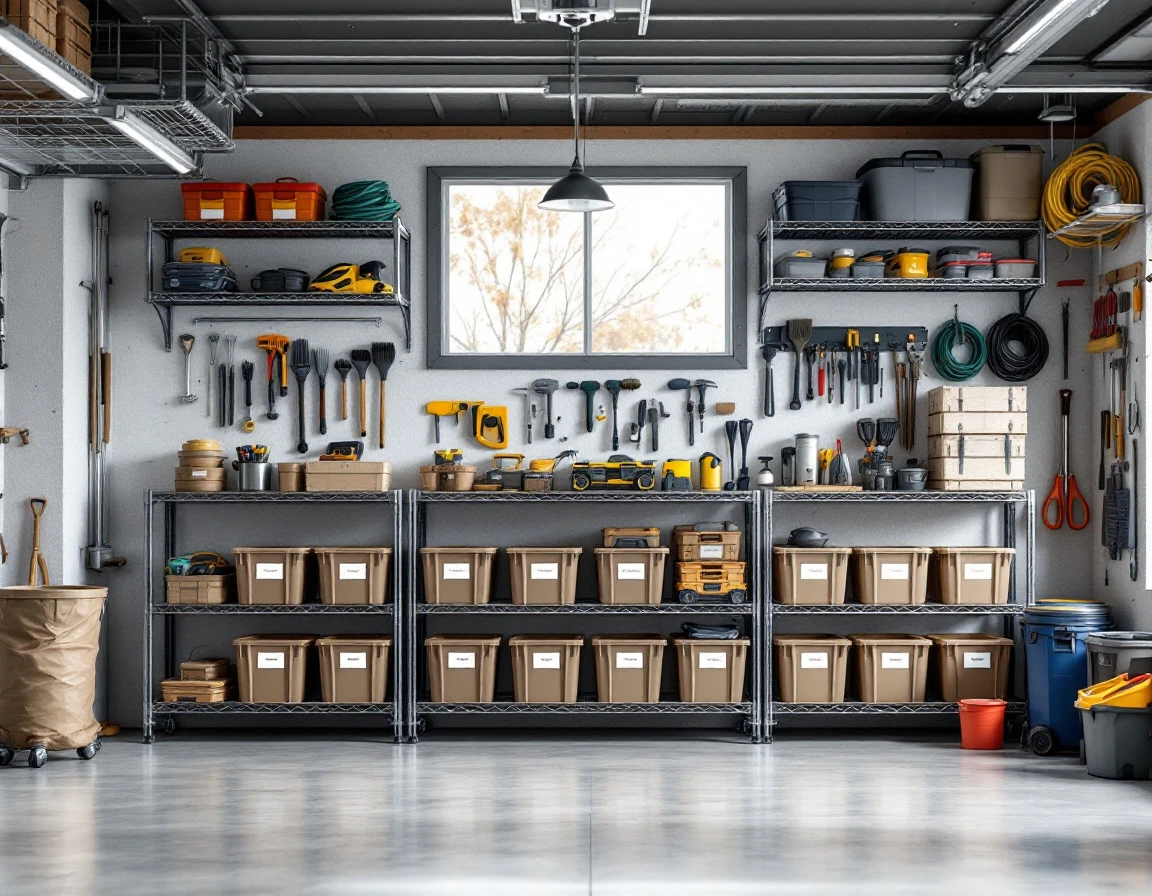
Why August Is Your Garage Reset Window
August creates the perfect storm of conditions for reclaiming your garage. The extreme heat of July has passed, giving you moderate temperatures for sorting through bins and boxes without overheating. Back-to-school season naturally shifts your focus toward organization, making it easier to commit to decluttering projects. Most importantly, you’re standing at a natural pause before fall maintenance demands pile up—lawn equipment winterization, holiday decoration retrieval, and seasonal project storage all loom just weeks away. These garage organization tips will help you transform the space before the busy season starts.
Start early in August, and you’ll finish by Labor Day with 30-50% more usable floor space for the busy months ahead. Summer’s accumulation of outdoor gear, sports equipment, and half-finished projects makes this the ideal moment to purge what no longer serves you and install the storage systems that will keep your space functional through winter.
Categorized Decluttering Checklist
Before installing a single shelf or hook, you need a clear picture of what actually belongs in your garage. Start by dividing your space into logical zones:
- Seasonal items (holiday decorations, camping gear)
- Tools and hardware
- Sports equipment
- Vehicle maintenance supplies
- Storage overflow from the house
This zoning approach eliminates decision fatigue and helps you see patterns in what you own.
For each zone, create four piles with concrete decision criteria. Keep (used within the past year or essential for upcoming projects), Donate (functional items you no longer need), Sell (valuable equipment worth listing online), and Discard (broken, expired, or unusable goods). Be honest about what you’ll realistically use again.
Document everything you’re keeping with quick photos or a simple list. This inventory becomes your roadmap for selecting storage solutions with the right dimensions and capacity. Preventing you from buying organizers that don’t match your actual needs.

Storage Solution Matching System
Now that you’ve sorted your inventory, how do you choose the right storage to keep it off the floor? The answer lies in a three-step framework: measure, identify, and align. Start by measuring your garage dimensions—wall height, ceiling clearance, and available floor perimeter. These numbers determine whether you can install overhead racks, wall-mounted shelving, or modular cabinets.
Next, identify zones for vertical versus overhead versus floor-based storage. Wall systems excel for frequently accessed tools and sports gear. Overhead racks hold seasonal bins and camping equipment. Cabinets work best for hazardous materials or items needing dust protection. Each storage type solves a different problem based on your available space and budget. Understanding how to organize a garage effectively means matching storage to what you actually store.
Finally, align your solutions to the inventory you documented during decluttering. Avoid oversizing storage that eats into reclaimed floor space or undersizing systems that force items back onto the ground.
Match capacity to actual need, and you’ll protect the square footage you’ve worked hard to reclaim this August.
Budget-Friendly Installation Timeline
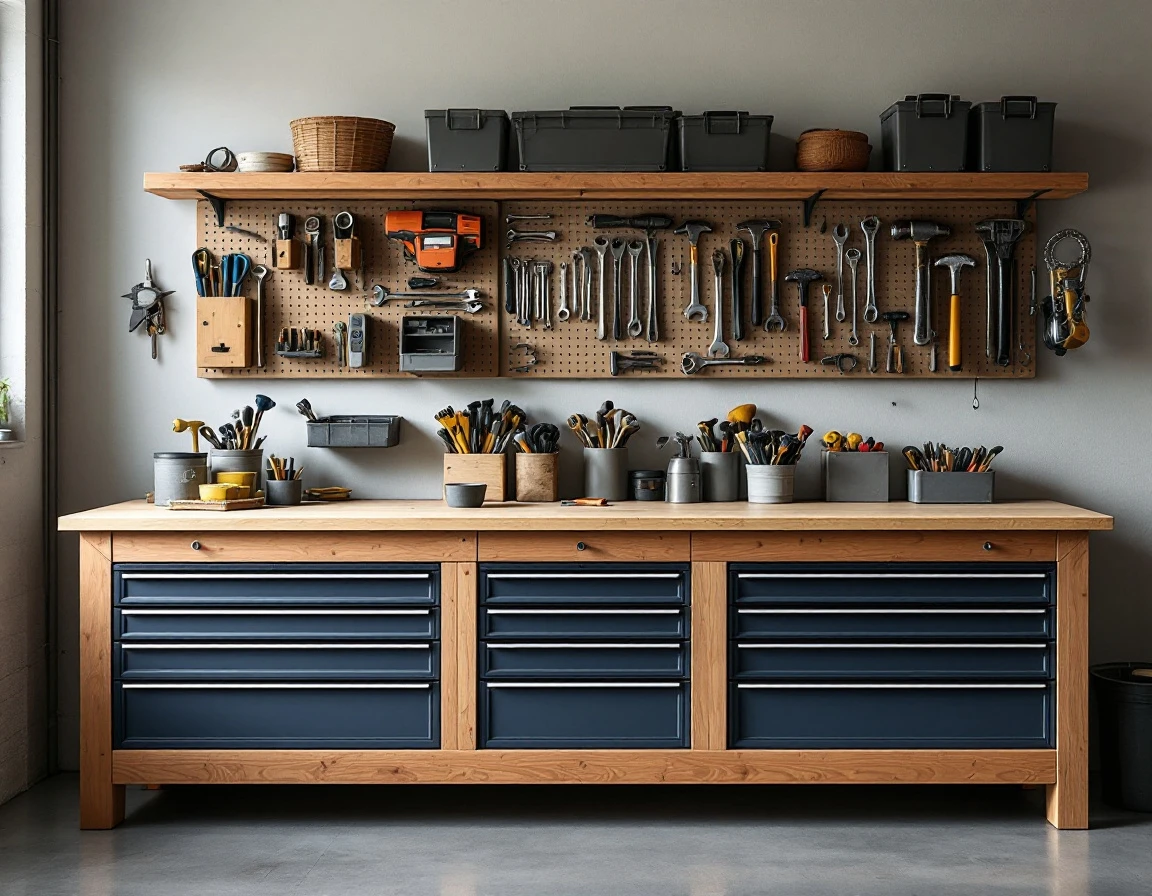
Once you’ve selected your storage systems, break the installation into manageable phases that match your schedule and budget. Start with high-impact, low-cost solutions like pegboards and basic wall shelves during the first two to three weeks—these quick wins build momentum and deliver immediate results without draining your wallet.
Most DIY wall brackets and shelving systems can be completed in one or two weekends using basic tools you likely already own. Overhead racks require a bit more time and planning, but with careful measurement and assembly, they’re well within reach for most homeowners tackling weekend projects. These garage storage solutions keep your projects on schedule without requiring professional installation.
Spread your purchases across the month to avoid overwhelming your budget. Install pegboards first, then add wall-mounted shelves mid-August, and finish with overhead storage systems before Labor Day. This phased approach keeps costs manageable while your garage transformation stays on track for fall.
Avoiding Common Mistakes
Even the best August intentions can derail if you fall into predictable traps. The biggest mistake? Buying bins, shelves, and cabinets before you’ve finished decluttering. This leads to oversized systems that consume the very floor space you’re trying to reclaim, and you’ll end up storing items you should have discarded.
Measure your walls and ceiling before you commit to any storage system. Pipes, electrical conduits, garage door tracks, and protruding outlets will block installations and create costly delays. A quick measurement session saves you from returning products or abandoning half-installed systems.
Finally, resist the urge to create elaborate category systems with dozens of labeled zones. Overcomplicating your organization creates a maintenance burden that invites re-cluttering.
Keep it simple—group similar items together and label broadly so your family can actually sustain the system beyond Labor Day.
When you declutter garage space wisely, you’re setting up a system that lasts.
Ready for Fall & Winter Storage
Your organized garage now delivers concrete benefits exactly when you need them most. As September arrives, you’ll have clear floor space ready to accommodate fall project materials, holiday decorations, and seasonal tools without overflow onto the floor. That pegboard you installed in mid-August? It holds rakes and leaf blowers within easy reach. The overhead rack keeps holiday bins off the ground until December.
Clean floor space also improves vehicle parking and movement during darker months when you need safe, obstacle-free paths. Your car fits completely inside, protected from ice and snow, while you can walk around it without navigating storage piles.
Plan a quick maintenance check in early September—tighten any loose brackets, verify weight distribution on overhead racks, and confirm labels remain clear. This fifteen-minute review keeps your system working through the busy fall and winter seasons ahead.